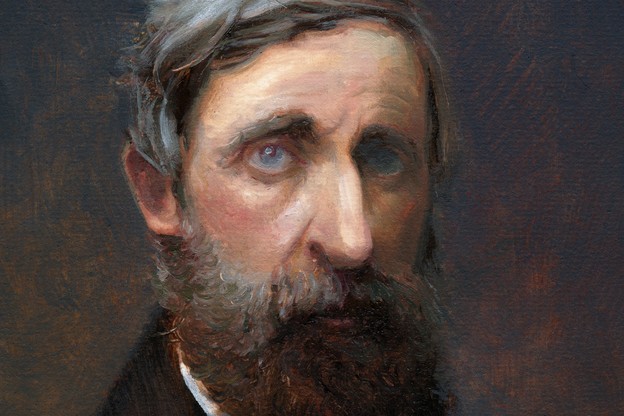
If You Want a Better World, Act Like You Live in It
We’ve had Henry David Thoreau the environmentalist, the libertarian, the life coach. To understand his influence, think of him first as a dissident.
Introducing The Atlantic’s expanded books coverage: essays, criticism, fiction, poetry, and recommendations from our writers and editors
We’ve had Henry David Thoreau the environmentalist, the libertarian, the life coach. To understand his influence, think of him first as a dissident.

A minimally speaking autistic man just wrote a best-selling book. Or did he?

Testing has become so advanced that doctors now miss important elements of diagnosis.

Her new memoir captures the cost of being an impossibly popular target.

Humankind has devised a new form of debasement.
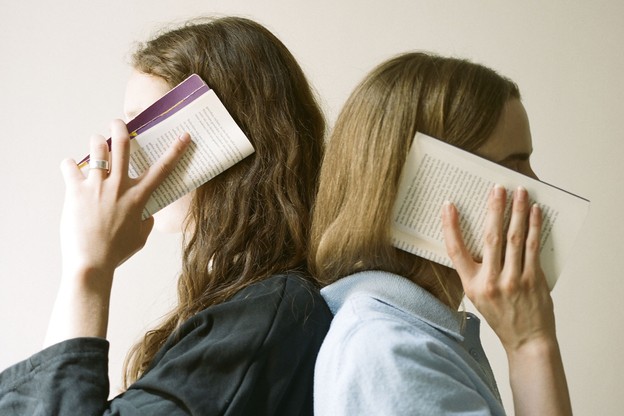
These six books demand discussion—with a pal, a date, or a book club.

Each of these titles will widen your perspective, offering you original insight and vision.

These titles are worth picking up, even if you have only a moment to spare.

These novels highlight the power—both good and bad—of unchecked fantasizing.

Our culture editors’ weekly guide to the best in books.
A short story

A short story

A short story

A short story

Perhaps being persuadable is overrated—at least if it means “coming to accept the unacceptable.”

A new production of Othello foregrounds what the play’s earliest audiences recognized: the psychological costs of war.

Michelle de Kretser’s intellectual coming-of-age explores the fissures between one’s ideals and reality.

The novelist Julian Barnes doubts that we can ever really overcome our fixed beliefs. He should keep an open mind.

A poem

Chaim Grade’s Sons and Daughters rescues a destroyed world.

Why some mainstream Black intellectuals are giving up on the landmark decision

Half a decade on, we now have at least a small body of work that takes on COVID.

Novels about women’s communities tend toward utopian coexistence or ruthless backbiting. The Unworthy does something more interesting.

Cristina Rivera Garza’s newly translated novel evokes a mixture of numbness and anxiety in the face of incessant violence.