Elizabeth Bruenig on Alabama’s Botched Executions
Bruenig is a finalist for the 2023 Pulitzer Prize in Feature Writing.
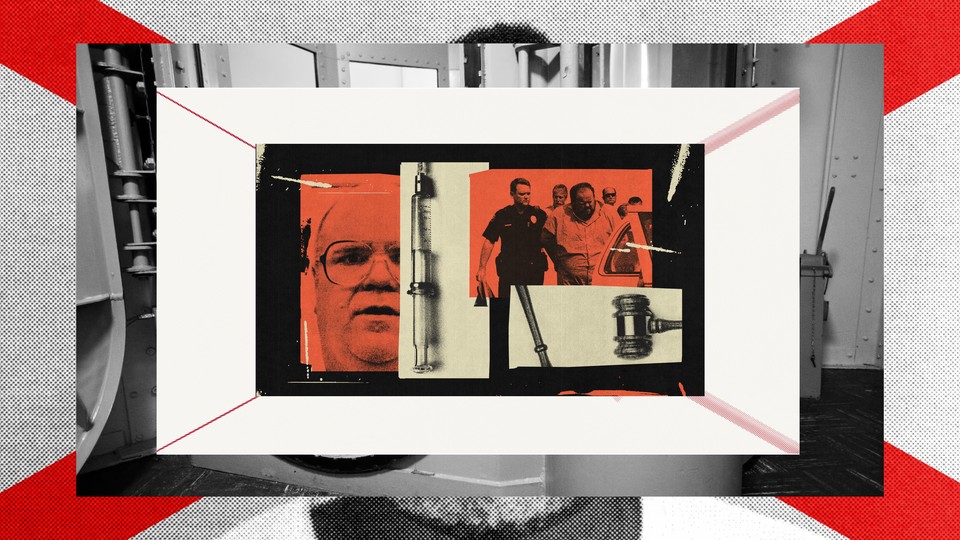
Elizabeth Bruenig has been named a finalist for the 2023 Pulitzer Prize for Feature Writing. A staff writer at The Atlantic since 2021, Bruenig revealed—in blistering, moving prose—a string of botched executions undertaken by the Alabama Department of Corrections. Her work led to a temporary moratorium on the death penalty while the state investigated its own failures.
Bruenig’s run of groundbreaking coverage began this past summer, when she attended the autopsy of Joe Nathan James, whom Alabama had recently executed. Bruenig reported that James’s body was a testament to what he’d endured: not merely death, but what appeared to have been a brutal, torturous end, his arm sliced in an apparent effort to establish venous access via cutdown—a procedure not allowed by Alabama’s own protocol. Had Bruenig not been present for that autopsy, evidence of the state’s efforts would have soon quite literally been buried.
Bruenig’s reporting on James opened new, crucial lines of reporting. Alabama had previously rebuffed all of Bruenig’s requests to attend executions as press. What it could not deny were requests from death-row inmates themselves, who started listing Bruenig among their personal witnesses. Her stories from the attempted executions of Alan Eugene Miller and Kenneth Smith soon followed.
Read Bruenig’s work on Alabama’s death-penalty failures, and what the state plans to do next.
Dead to Rights
What did the state of Alabama do to Joe Nathan James in the three hours before his execution?
Dead Man Living
What happened when Alabama tried and failed to kill Alan Eugene Miller
A History of Violence
Why does Alabama keep botching executions?
Alabama Makes Plans to Gas Its Prisoners
After a series of botched executions, the state is choosing a path of technical, rather than moral, innovation.