Three Score Years and Ten
THE EDITOR REPLIES
1857-1927
THOMAS W. LAMONT
MYRON T. HERRICK
HE is a slender man with tapering fingers, and I should never have suspected the record of his adventures if it had not been for his eyes. Very blue, very bright, they have the freshness of childhood in them and that spark of eager enjoyment which is the light of desire, not for pleasure or success, but for experience. As we lunched and talked, it was easy to tell he was a man whose mind was so sensitized that nothing significant recorded there might lose its color or the sharp edge of its impression. (Tragedy, it has ever seemed to me, is not sorrow or misfortune, but that dullness and deadened imagination which loses all sense of past happiness and sees in present trouble only the fact and not the meaning.) Here was a man whose life happened to be extraordinarily adventurous. He had been a sailor, immigrant, casual laborer, teacher, psychologist, had been in scrapes and escapes aplenty, of body, mind, and spirit. But as we talked I had the feeling that if he had spent his life in a nursery or in a cage for that matter, he would still be one of the most interesting of men.
Something in What I Say
Unless you think me wrong, I will ask you to read his story. He calls it A Saga of To-day. It began in October, but like life, you can pick it up at any point, and its significance will not be lost. Any of the chapters will hold you. I should not like to miss any myself, but, as a friend, I advise you to be on the watch for the episodes of his first love and marriage. You will not parallel them elsewhere.
Incredibly True
CARL JENSEN’S is a true story. I wonder whether it can be matched in fiction. To find out, the ATLANTIC has offered a prize of ten thousand dollars for a novel to run serially in the magazine, all the manuscripts to be judged by the sheer canon of pure interest. The offer has been broadcasted over England and America, and manuscripts now trickling in will soon rush on us like a spring flood. Whether the winning novel will be a story of the past or present, we cannot tell. Whether physical or psychical, whether tempestuous or calm as an evening bell, one thing alone is certain, it will be interesting.
Salt to the Taste
ISABEL HOPESTILL CARTER I have never seen myself, but if you read her first story, The Old Woman, published in the JUNE ATLANTIC, then you will have an idea, as I have, what she is like. For it is no usual woman who knows the sea as she does, though born in a hammock and bred in the spindrift. Read her next story, A Sailor’s Wife, and you will get the impression of one who has learned all that the sea has taught.
Things Literary
I set out, as you see, to write a letter to subscribers past, present and to come, but just as I am getting on with the job comes a note from A. EDWARD NEWTON saying that what the ATLANTIC needs is bookishness. Bless my soul, don’t I know that! It’s the very reason we have his Book-Collecting Game ready for the printer, and have cried eagerly for more to follow. That’s why CHAUNCEY B. TINKER is busy writing (or says he is) essays of that Eighteenth Century which, by the preoccupation of genius, he has made so perfectly his own. That’s why MISS MARY ELLEN CHASE, MISS MARGARET SHERWOOD, and MISS ETHEL WALLACE HAWKINS are sending us their contributions.
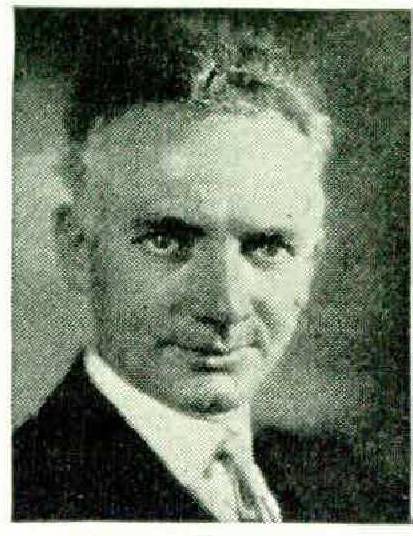
CARL JENSEN
An American literary institution that remains as fine as its tradition. BOOTH TARKINGTON
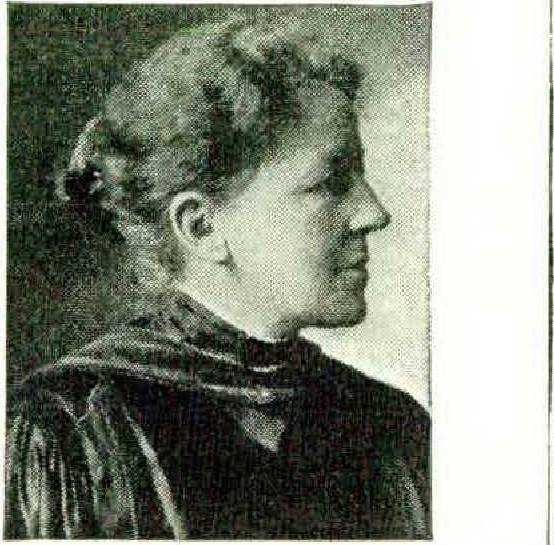
MARGARET SHERWOOD
EARL PERRY CHARLTON
A. EDWARD NEWTON
The Atlantic at seventy is in the full tide of vigor. It has never been a better magazine and it has never reached a wider circle.
H. L. MENCKEN
MR. NEWTON is right. The ATLANTIC is still a magazine of literature, as well as life.
It was to “Politics, Science, Arts and Letters” that JAMES RUSSELL LOWELL dedicated it in his prospectus of sixty-nine years ago, and the new year will amply justify the obligation of its inheritance.
’The Great Mr. Ruskin There has just come to us from England a bundle of precious letters written by the great MR. RUSKIN to a young governess who, approaching him almost as a worshipper approaches the high altar, became his loving friend. Enormously characteristic these letters are, Olympian, oracular as the Ten Commandments, but with little human outbursts of sentiment, sensibility, and humor. For the student of RUSKIN they are full of unexpected information; for the lover of English, when the stream is at its purest, they are water brooks in a thirsty land.
Imagination in Business “ I was about to remark when I was interrupted,” began The Autocrat in the first ATLANTIC. When he was interrupted by MR. NEWTON, the present editor was about to remark that the ATLANTIC’S policy, inaugurated last year, of printing each month a business article that should have something in it of more than ordinary importance, seems amply justified. There was nothing humdrum about ARTHUR POUND’S paper on the installment mania, or in FOSTER and CATCHINGS’ striking diagnosis of where “the wheel is hung” in the business cycle. Few tax payers could read RAYMOND E. HUNTINGTON’S discussion of the Twilight Land of Taxation without practical profit, or employers afford to pass over Are College Men Wanted by A. W. ARMSTRONG. But it is fair to say that PROFESSOR RIPLEY’S series marks a great achievement in journalism. So intense has been the interest in his articles that in business centres the magazine has sold on the newsstands at a dollar a copy and in some book stores at two dollars. Sane, suggestive, imaginative, yet practical, RIPLEY has three several times hit square on the head the right nail at the right time. A Professor writing in a literary magazine has had a tonic effect on American business. The Professor has wrought something like a silent revolution, and the Literary Magazine will month by month bear watching by business men.
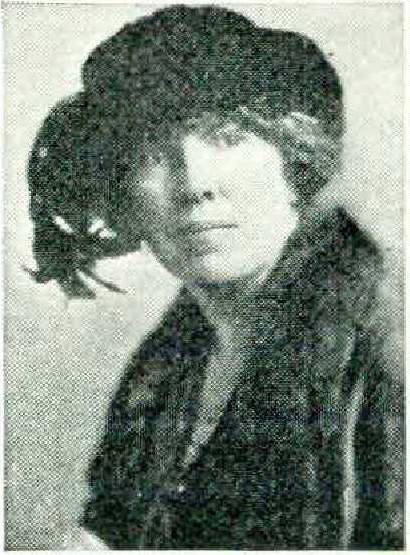
A. W. ARMSTRONG
My greatest literary thrill was when I broke into its pages. I then realized that my writing must have some worth apart from pictures. I wish the Atlantic an eternally prosperous and illustrationless life.
WILLIAM BEEBE
JAMES TRUSLOW ADAMS
I am proud that its publication of my very first magazine story in 1910 places me in the great and glorious company of its contributors.
KATHLEEN NORRIS
ETHEL WALLACE HAWKINS
Watch it Spin
The main concern of the ATLANTIC is to be interesting, and to thinking people the great interest of life is the never-ending need of interpreting the moving scene. The world spins on its axis, and thoughts, theories, philosophies and habits keep up the dizzy pace. The New Era is justifying itself, just as its remotest ancestors have done, and as a notable contribution to current discussion the ATLANTIC will print during the year a series of papers which, under the general title of The Modern Temper, will describe varying major attitudes towards life. JOSEPH KRUTCH will lead the debate with a paper all candor and conviction, setting forth the creed of the modern materialist. DR. ALFRED N. WHITEHEAD, JAMES TRUSLOW ADAMS, SAMUEL STRAUSS (author of that not to be forgotten paper, Things Are in the Saddle) will contribute from the store of their personal beliefs. Nor must I forget HERBERT PARRISH’S Break-Up of Protestantism, crackling with controversy, nor the lucidities of MISS REPPLIER’S unmatched essays.
WILLIAM Z. RIPLEY
Any enterprise that can keep step with American progress for seventy years must possess force and virility. The Atlantic Monthly has both.
DOUGLAS FAIRBANKS
MARY ELLEN CHASE
All caring for the finer aspects of our civilization are your debtors. That your high standard has been associated with wide popularity and influence is a hopeful sign of our public sanity.
HARRY E. FOSDICK
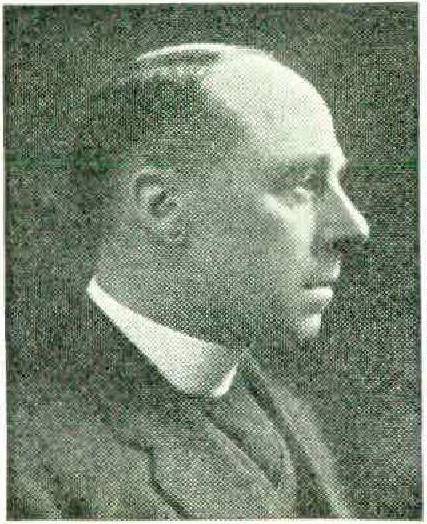
HERBERT PARRISH
A Tip to Friends But, as the Master says,
“A jest’s prosperity lies in the ear of him that hears it.” And so it is with magazines. Books keep their wisdom for a thousand years, but a magazine must have its audience instanter or it loses all. Plan we never so wisely, the outcome rests with you. Let the ATLANTIC’S cast promise beguilingly as it can, there will be no performance unless you, my friends, make it one. The stage is set, the actors wait, the author fidgets in the wings. In seventy years of ATLANTIC shows this should be best of all. Ladies and Gentlemen, may I have the privilege of directing you straight to the box-office?
The Editor.
THE ATLANTIC BOX OFFICE
8 Arlington Street, Boston, Mass.
Please book.orchestra seats for the 1927 performance at
$4.00 each for
Name..
Address...
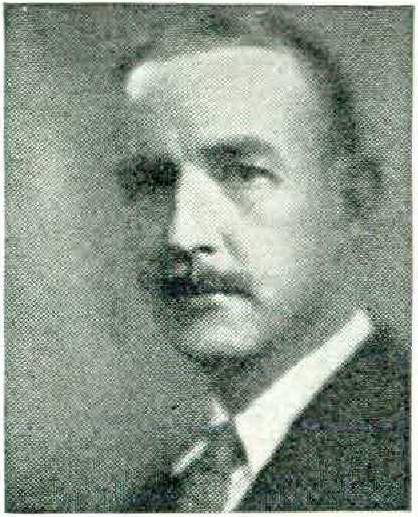
JOSEPH KRUTCH
ALFRED E. SMITH
The Atlantic represents much that is best and most permanent in American literature. It is unique among American magazines.
MAY SINCLAIR
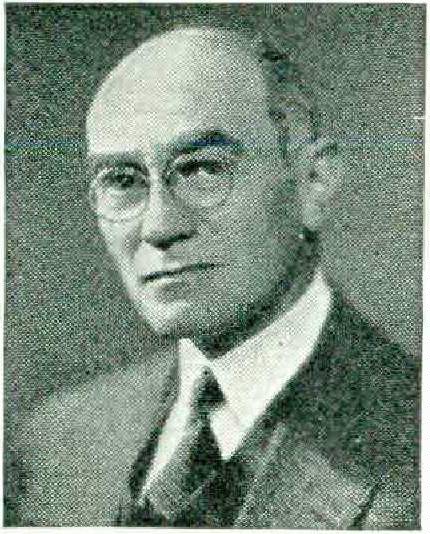
SAMUEL STRAUSS
Fearless and truthful, it is a powerful factor in the instruction and enlightenment of the intelligent and thoughtful portions of every American community.
ALEX. HAMILTON RICE
It stands as the best and sanest of contemporary magazines.
ALICE FOOTE MACDOUGALL