A Bridge Across the Atlantic
• As he fishes the stream of current literature, the Editor ruminates upon a somewhat domestic problem: Was there ever, he wonders, a time in our history when the cleavage between the generations was as sharp as it is today? Seldom have there been such differences of opinion, such conflicts in taste and faith, as now exist within the circle of a normal American family. The war cracked open a chasm between the Older and Younger Generations, and the after-effects of evolution, anthropology, and psychology still keep them apart. On one side of the chasm stand reverence, reticence, and manners that have not altogether lost their formality; and on the other, skepticism, plain speaking, and a freedom of behavior.
● Yet it is the Editor’s belief that the Atlantic should serve —and, indeed, does serve — as a bridge between these opposites, a bridge open for the fair exchange between the two camps, a meeting place for those with burning convictions and those in doubt, a vantage point set high enough in space to afford a clear perspective of contemporary life.
• The Editor prizes the loyalty of his elder readers who are in a very real sense custodians of tradition. And he prizes the aspiration of the younger writers and readers who are building the new. He hopes the Older Generation appreciates how often the Younger contributes its share to the magazine. Analyze, if you will, the contents of an issue as typical as that of July 1936. Of its twenty-four contributors, twelve were under forty, eight were under thirty-five — which is fair enough. To maintain an even balance, to champion the wise, the witty, and the earnest, whatever their age, and to avoid the hidebound — such is our resolution of 1937We try very hard to keep the magazine essentially unchanged, and yet always to change it, and our goal is to mean to the new generation what we meant to their fathers.
THEY Make THE ATLANTIC
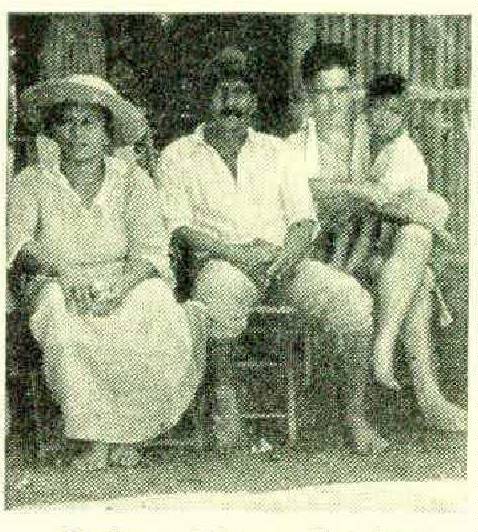
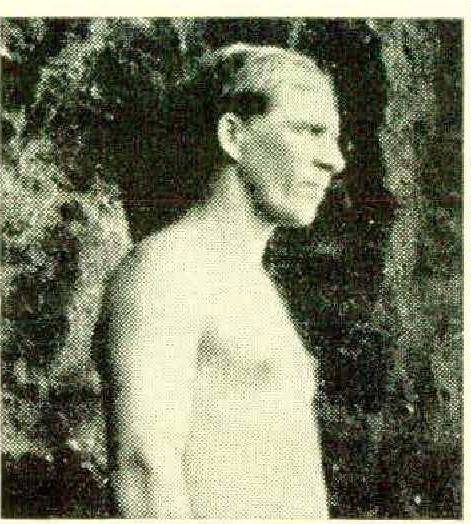
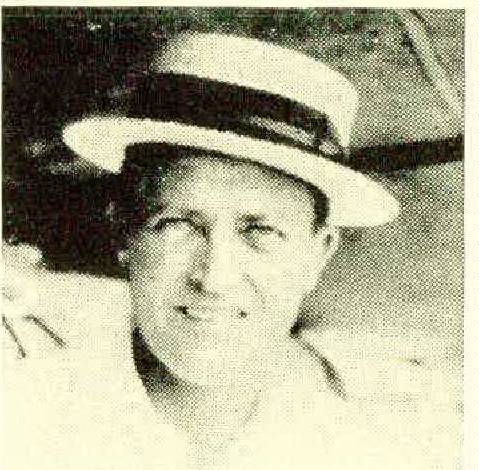
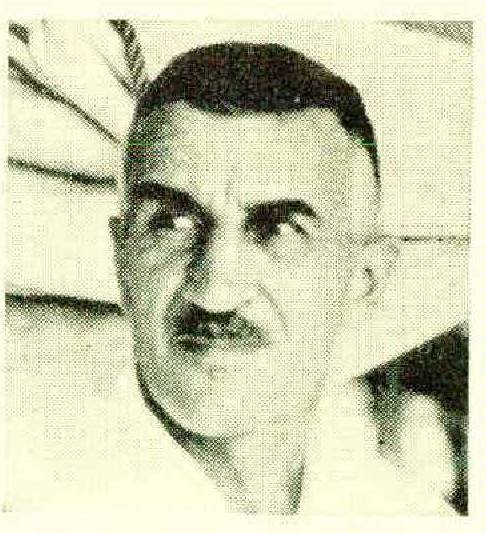
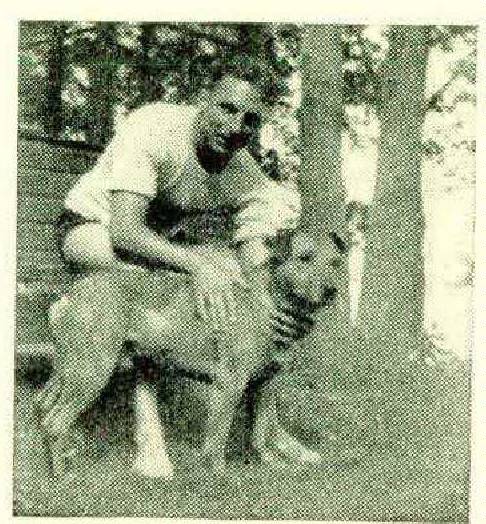
“SOME UNSUSPECTED ISLE IN THE FAR SEAS”
In a world so full of worry as ours, it is easy to envy the solitude of Robinson Crusoe. But islanders — even those in the South Seas — have their tribulations, as is witnessed by this letter from Robert Dean Frisbie, the only white man on Danger Island.
DANGER ISLAND (PUKA-PUKA)
Via APIA, SAMOA
DEAR ATLANTIC: —
It is now nine months and sixteen days since we had our last news from the world. Yesterday, far away on the horizon to southward, we sighted a puff of smoke. It moved slowly along the sea’s rim for a few degrees; then it merged with the cloud-rack and disappeared. That was the first palpable reminder we have had of the other world — your world — since my return! Our disappointment cannot be expressed in the meagre medium of words. Not that we are dissatisfied with our island, — far from it,— but we long poignantly, almost tragically, for a few of civilization’s amenities, among them soap, tobacco, tea, sugar, kerosene, and matches.
I enjoyed my last little scrap of tobacco on June first, my last sugar about the middle of May; my lamp flickered out for good a few nights ago; matches are a thing of the distant past; sugarless, milkless tea I had up to a week ago, but the last sliver of soap was used to smooth my chin preparatory to a last shave some six weeks ago. Like the rest of the natives, I am living in as primitive a manner as any savage lived in the pre-Cook days. And now that I have been without these so-called essentials, I find that there is only one which I really need: tobacco. Matches are convenient and the children like to play with them; but for fire-making the good old rubbing stick does the business effectively. Kerosene is a luxury for millionaires and spendthrifts; it tempts one to read too much. Tea and sugar are, of course, habit-forming foods. Soap? Who cares for soap when there is plenty of wood ashes, coconut husks, and lumps of coral from the jagged reef? Rub down thoroughly with damp ashes and a coconut husk, then finish off with a massage with a lump of coral, and if you are not clean I miss my guess! Tobacco, though — there is no substitute for it.
There will be no less than nine copies of the Atlantic for me when the ship comes, if the ship comes, if the Atlantic is still being published, if Spengler’s predictions have not been realized. . . .
After ten months of isolation, Frisbie sent us an account of his tiny tropical kingdom. He tells the reasons that once compelled him to desert it, of the age-long voyage by Cockroach Schooner and tramp steamer that brought him to the United States, and of the devastation that promptly overtook him in America. He calls his fascinating manuscript Unconventional Journey: it will be serialized in three midwinter issues. . . . And there will be other Islanders heard from in 1937: Roy Clark, the schoolmaster on Pitcairn; Glanville Smith, who is cruising for a year in the magic realm of the West Indies; and, last but not least, that unique partnership, Charles Nordhoff and James Norman Hall, now at work on their new manuscript, Botany Bay.
THE LONG VIEW
Most of us can report an accident that happens under our nose. But to take the long view of a national emergency, to think your way through the maze of unemployment, to soar above the traffic of modern life, calls for the pinions and eyesight of an eagle — or a philosopher. Atlantic philosophers are highly individual. Walter Lippmann has the sharpest political insight of our generation. His constructive analysis of the Good Society, and the influences which corrupt it to-day, will illumine seven successive issues. Bertrand Russell, in a series of vest-pocket biographies, will give you a delightful idea of Philosophy’s Ulterior Motive. Albert Jay Nocf( is a prophet who denounces complacency. His new essay on Henpecking will make men laugh and grow wise. Proponent of the new Psychology, famed for his diagnosis of melancholia, Gregory Zilboorg explains the cause — and effect — of Loneliness. And in the person of Mr. Pennyfeather (the creation of Donald Moffat) we have a new Autocrat who speaks for New England with shrewdness and urbanity. This winter Mr. Pennyfeather will discourse on Politics and —rumor has it — on Women. He is a bachelor.
THE LADIES
Without whom our pages would be drab. We boast of no conquests: we merely mention, quietly, the following engagements. We ’ll dance the first dance with Agnes ReppUer, whenever she will let us: there is no more charming essayist alive. With phrases like burning arrows Mary Antin lights up the dark realm of Mysticism. After long residence in the Orient, Nora Wain retired to the Rhine Valley, from which she sends us a paper about the village vineyards, rich in bouquet and color. In England, Mazo de la Roche watched her play, Whiteoaks, fill packed houses — and yet found time to write a Christmas manuscript of singular charm. From Paris come two short stories of Gertrude Stein ’s, to tickle or provoke the imagination. Della Lutes stuffs a short story so full of juicy American food that your mouth waters. Her book, The Country Kitchen, is already a best seller. Meantime, for the hungry months ahead she has cooked up a story about the Country Dance (and the Oyster Supper that went with it), another about a Sunday Night Supper, and a third about a “shivaree.”Her stories are meant to be swallowed whole. Listen: —
DELAFIELD, WISCONSIN
DEAR ATLANTIC: —
Yesterday I made a marble cake from the recipe in Della Lutes’s article “Church Supper" in your April issue. The cake was delicious! The Atlantic has always, in the course of a year or so, covered almost every subject of interest to me, but I never expected to take it to my kitchen, prop it up on my table, and follow a recipe from its pages. The Atlantic a cookbook! Well, it is now a complete magazine for me.
Sincerely,
HAZEL BRINE HOLT
A lady’s age is her own secret. But certainly our youngest contributor is I, Patience, who is now in Hollywood, playing her part in the film version of Innocent Voyage. Wait till you read her Letters from Hollywood!
AUTOBIOGRAPHY
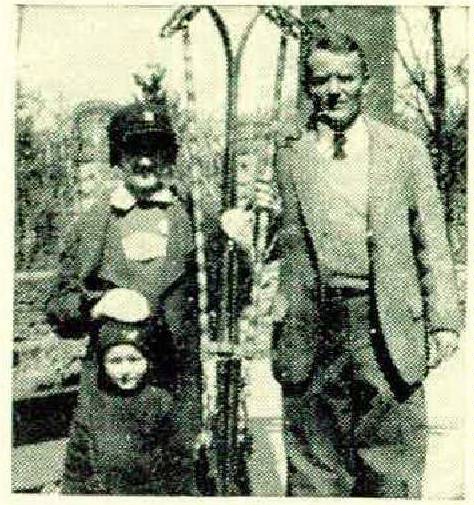
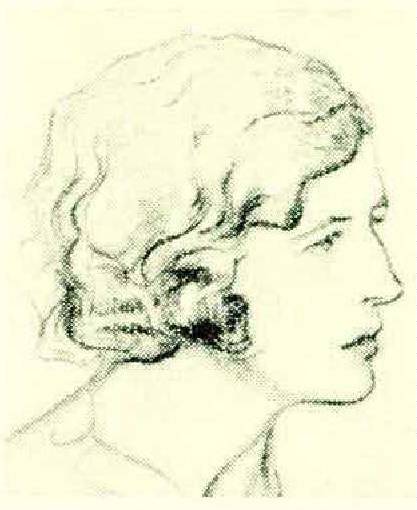
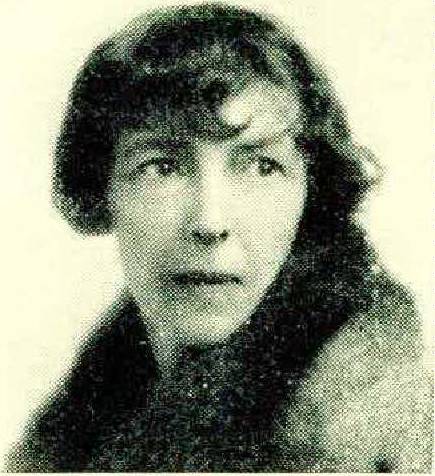
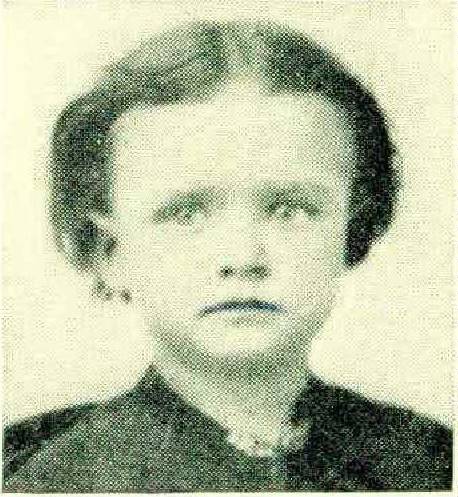
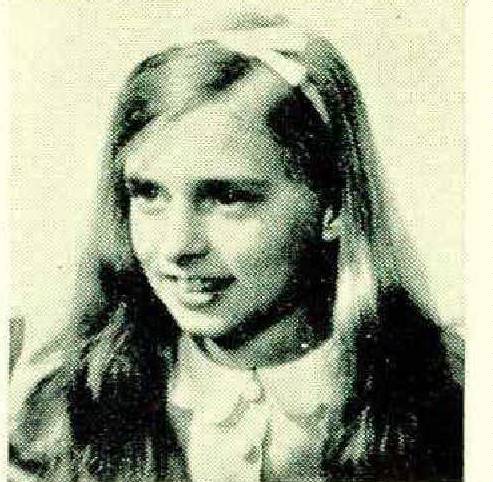
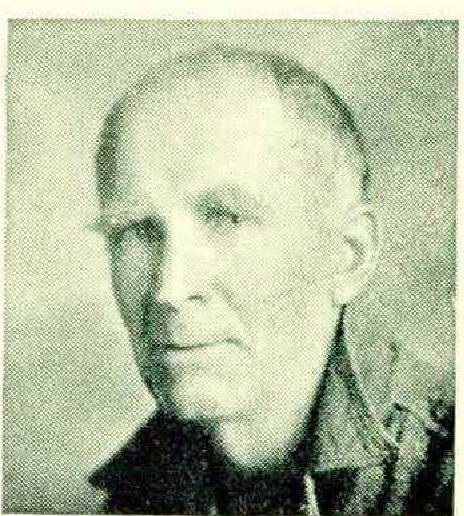
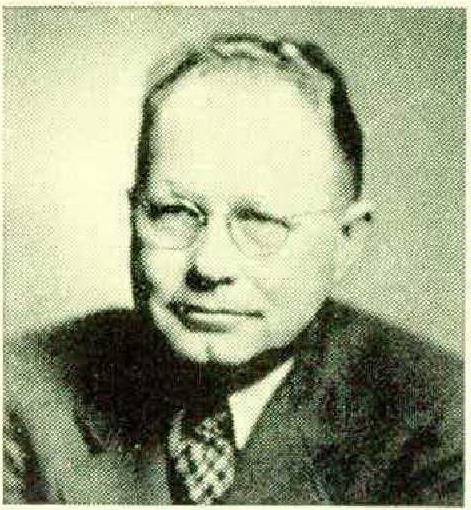
From those who have lived intensely and who relish the retelling of their experiences we select crisp slices of autobiography which will be found in every package of the Atlantic. From Lola Kind, a young Russian whose gift of languages kept her alive and who, as translator for Isadora Duncan and Essenine, witnessed as pathetic a marriage as ever befell. From Grant Wood, an Iowan artist who learned as much as Europe had to teach but never lost his American integrity. From David Cornel DeJong, a Dutchman, now living on our side of the water, who has written a prose Rembrandt about the great skating holidays in Holland. From Bill Adams, six feet two of English oak, who served as an apprentice on a square-rigger. From Hans Zinsser (Rats, Lice and History), pathologist, who is compounding the memoir of a young man in medicine.
QUESTIONS OF FAITH
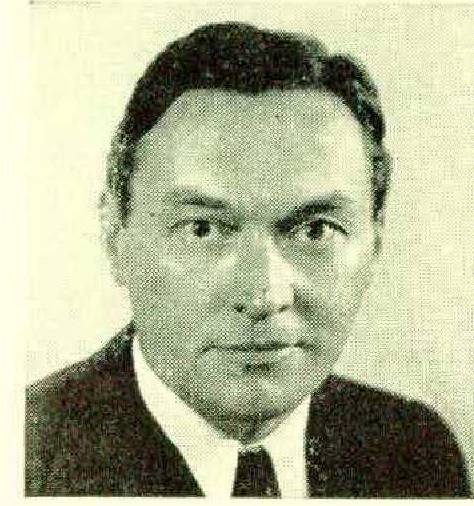
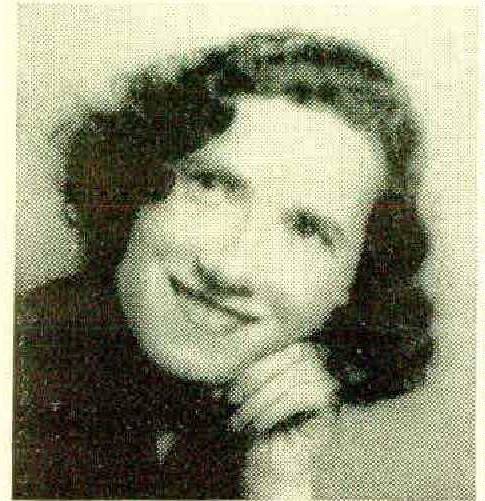
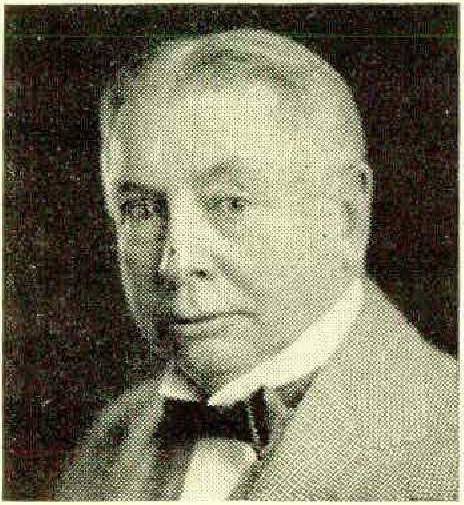
Such questions have risen to trouble us inwardly ever since Adam was shown the gate. It is some consolation to know that we are in good company. It is consoling, for instance, to hear such a scholar as Henry Osborn Taylor express his thoughtful convictions about Continuity and Survival. It is stimulating to hear from a clear-spoken metropolitan clergyman and to realize — as never before — the trials of a Parson’s Progress in the twentieth century. It is bracing to hear from a layman, John A. Chamberlain, who has practised law for thirty-five years and whose long study of the Bible has given him a remarkable vision of
eternal life. It is relevant to listen to an American in his twenties, a reliable reporter on one of New York’s great papers, explaining why he places his faith in Communism. Joseph Barnes is no incendiary. His “American Dream” may not be yours: it is simply a question of faith.
THE UNEXPECTED MANUSCRIPTS
They come when least expected. Who could expect that A. Edward Newton had been storing up ammunition for a raid upon lawyers? “Newton on Blackstone” is a tirade with plenty of humor and plenty of point. It should be read aloud in every lawyer’s household. Who could guess that in a huge state reformatory for women would be found a teacher of poetry as magnetic as Hilda Hinckley? Is it common knowledge that American youngsters have suffered from malnutrition as a direct result of the depression? Yet the statistics gathered by Maxine Davis cry aloud their distress. These are but a few of the unexpected manuscripts in promise for 1937. And with them, occasionally’ there comes an unexpected letter such as this: —
BROOKLYN, NEW YORK
We thiught it better than a jewel! Yours truly, MAY L. C. KIRKMAN The ATLANTIC is a cherished gift. Bring pleasure to yourself—and a friend. It couldn’t be simpler. A minute of your time, and this blue coupon-envelope takes care of the rest.