Report From Red China
By
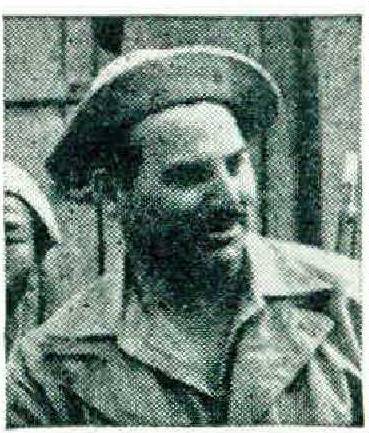
HARRISON FORMAN is known primarily as an enterprising and proficient, photographer, and as a narrator of colorful travel experiences. He is not the most penetrating or sophisticated political reporter among the Americans in China, but, like all correspondents who have been exposed to the Chinese Ministry of Information’s positive and negative methods of thought-control and fact-censorship, he has developed an unmistakable tenacity in holding on to such facts as he is able to turn up for himself, and a stubborn resistance to being spoon-fed with bogus news by propaganda agents.
Mr. Forman tells what he has to tell straightforwardly, and what he has to say is on the whole convincing. The reporting is colorful; people come alive and walk across the pages, talking about, strange and fascinating but always human and credible experiences. Mr. Forman is sometimes slapdash in his handling of ideas; but he has a wonderful feel for people and the things that happen to people. The land through which he travels is the nevernever land of the deep loess, which no one who has been there ever forgets, the oldest land in China.
Since the Communists have been there, strange newcomers are to be seen in that ancient land — bespectacled intellectuals, girls with bobbed hair, earnest, bustling doctors, puritanical troops who fight the way Cromwell’s Ironsides would have fought if they had all managed to be simultaneously Ironsides and Daniel Boones. In their spare time they dear the land like CCC boys, farm like 4-H boys and girls in Iowa, and do good deeds like politically star-struck Boy Scouts. The newcomers move among the deep-rooted people of the ancient land — people who are of the marrow and flesh of the oldest stock in China, the purest lineage of the Sons of Han; yet the old and the new do not clash: they merge together, a vigorous new growth drawing vitality from roots that have in them the strength of the ages.
Mr. Forman’s military chapters are among his best. He gives an enthralling account of how Chinese villagers, out on open plains where there is no shelter from the armed might of Japan, have created shelter by an intricate system of deep tunnels in the soft earth. These tunnels link whole networks of villages. The technique has been perfected through grim experience. After the Japanese killed hundreds of people by trapping them in tunnels and gassing them, the Chinese dug alternative tunnels at varying depths, with gas-tight communications between tunnels. Mr. Forman’s military material winds up with a stirring account of a long raid behind Japanese lines which he was allowed to accompany, with lots of action. This raid led into country which I know very well, and in reading the account I felt as if I were back these.
On the political side, Mr. Forman seems to have reported everything that was told to him as fairly and completely as he could; but I should not recommend Report from Red China as a political handbook. Like a great many other observers, he assumes that the Chinese people are unpolitical until someone comes along and makes them political. The truth is that the Chinese people — the common people — are chock-full of politics.
There is increasing evidence that, the Chinese Communists are not only fully aware of this inherent political energy, but are convinced that it seeks an outlet, in democratic activity, and that they are accommodating themselves to this existing and strong demand instead of trying to force on the people theories, ideas, and forms of organization which they do not want. If that is true, the future holds a bright hope, not just for the Chinese Communists, but for the whole Chinese people. Holt, $3.00.
OWEN LATTIMORE