The Tendencies of Indonesian Art: Folk Traditions and Western Influence
by TRISNO SUMARDJO
★
TODAY’S visitor to Indonesia will find artists at work in two rather distinct traditions. Let us call one the folk-art tradition, though much of such work is now more sophisticated than primitive, and the other the “Eurasian" trend, representing the impact of Western oil painting on the basic Indonesian sensibility. “Modern Art,”as the West knows it, is only beginning, in a very tentative way, to make its appearance in Indonesia.
The classical heritage of Indonesian art is a rich one — the temples of Borobudur and Pram ban an in Java are as magnificent as any in India or Cambodia — but it is largely a heritage of sculpt ure, and one grounded in religions no longer predominant. At the beginning of the Christian era, a contact was formed between India and Indonesia, begun by sea traders and later intensified by actual, migrations, which was to determine Indonesian culture for nearly a thousand years. I bus the incomparable eighth-century bas-reliefs ol Borobudur depict scenes from the legends ol Buddhism, while those at Prambanan (ninth century) are Hindu, having the same figures from the Ramayana that adorn the temples of India.
But today Buddhism survives only as the religion of some of the Chinese population of Indonesia, and only in Bali is Hinduism strong. For from the thirteenth to the fifteenth centuries Islam, now the dominant religion of Indonesia, swept eastward from Arabia by way of North India and virtually displaced the two other creeds.
Surprisingly, however, the traditions of Islamic art, such as the miniature, failed to penetrate Indonesian culture. Widespread internal strife, followed by Dutch colonization, beginning in the seventeenth century, did little to foster art. Folk art continued at the village level, but otherwise there was a long hiatus, until European influence began to make itself felt in the nineteenth century. Kaden Saleh (1816-1880), the lirst important Indonesian painter to adopt Western techniques, was educated in Europe and influenced chiefly by the work of Delacroix.
In the early years of this century there emerged the school known as “Oost-lndische Kunst (East. Indian Art). Typical of this group were Kuscnda, Adolfs, and Dezentje, who attempted to depict Indonesia as a land of exotic romance and untroubled beauty. Verdant rice paddies and purple mountains . . . coconut palms and picturesque villages . . . alluring, smiling, half-naked girls . . these were favorite subjects. I here was little attempt in the Oost-lndische school to go beyond an easy pictorial appeal.
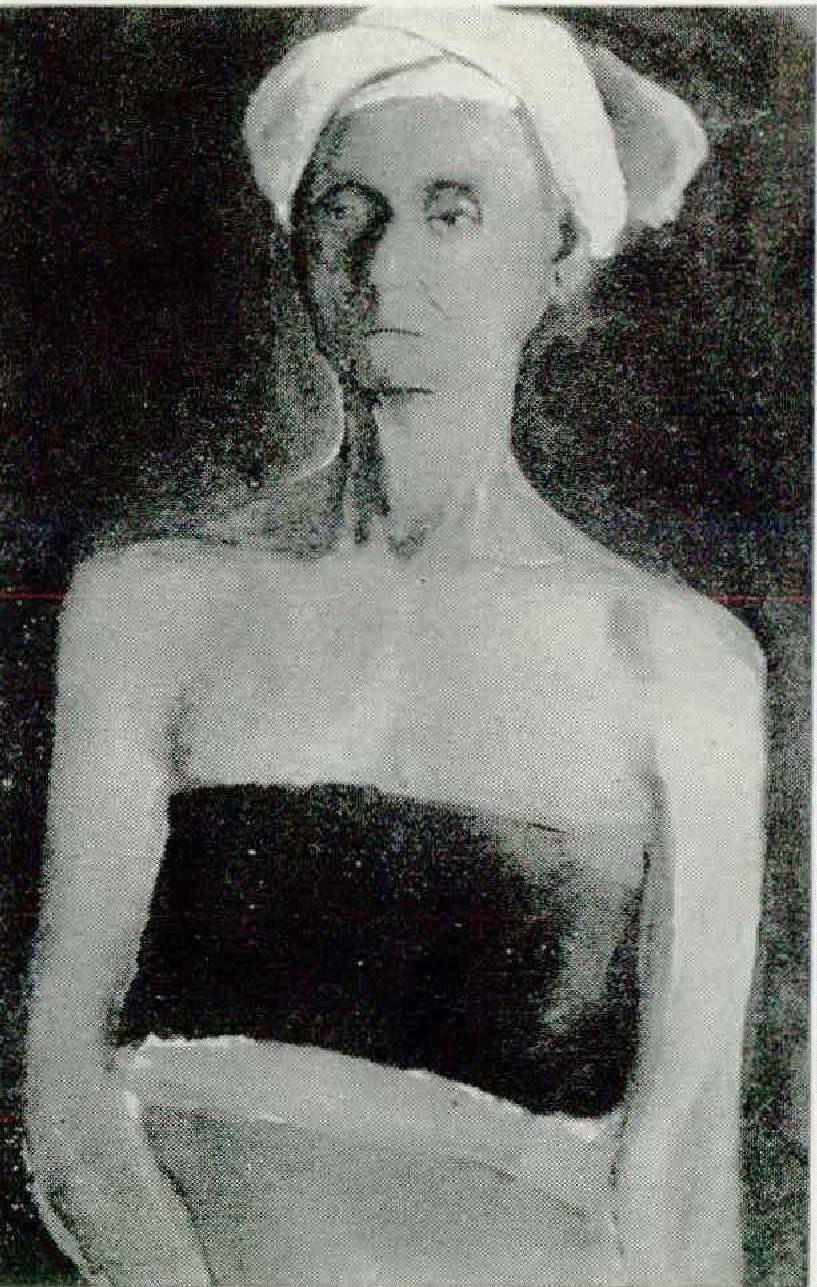
It was not until the establishment in Jakarta in 1938 of the Persagi (Persatuan Ahli Gambar, or Association of Artists) that a truly national development in Indonesian art began. In the Persagi group there was a new emphasis on selfexpression— and a break with the past which reflected the national consciousness growing since the formation of the politico-cultural organization called Budi Homo in 1908. In the Persagi group S. Slid jojono (Figure 5) played a leading part; other notable prewar artists were Agus Djaja (Fig. 9) and his brother Otto Djaja (Fig. 11), Emiria Sunassa (Fig. 20), Suromo (Fig. 7), Sudiardjo, Henk Ngantung, kartono Judokusomo (fig. 6), Sudarso, and Rusli.
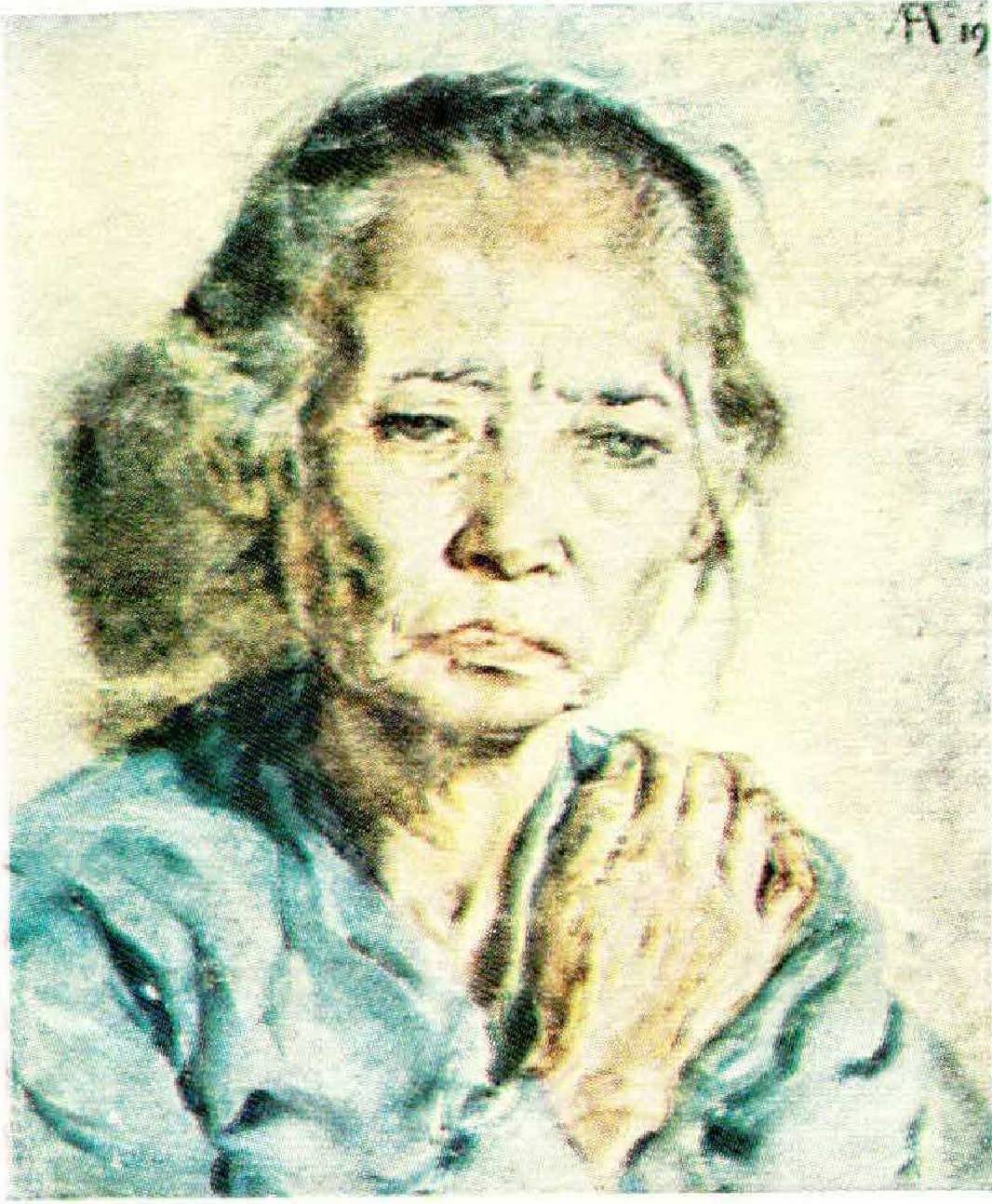
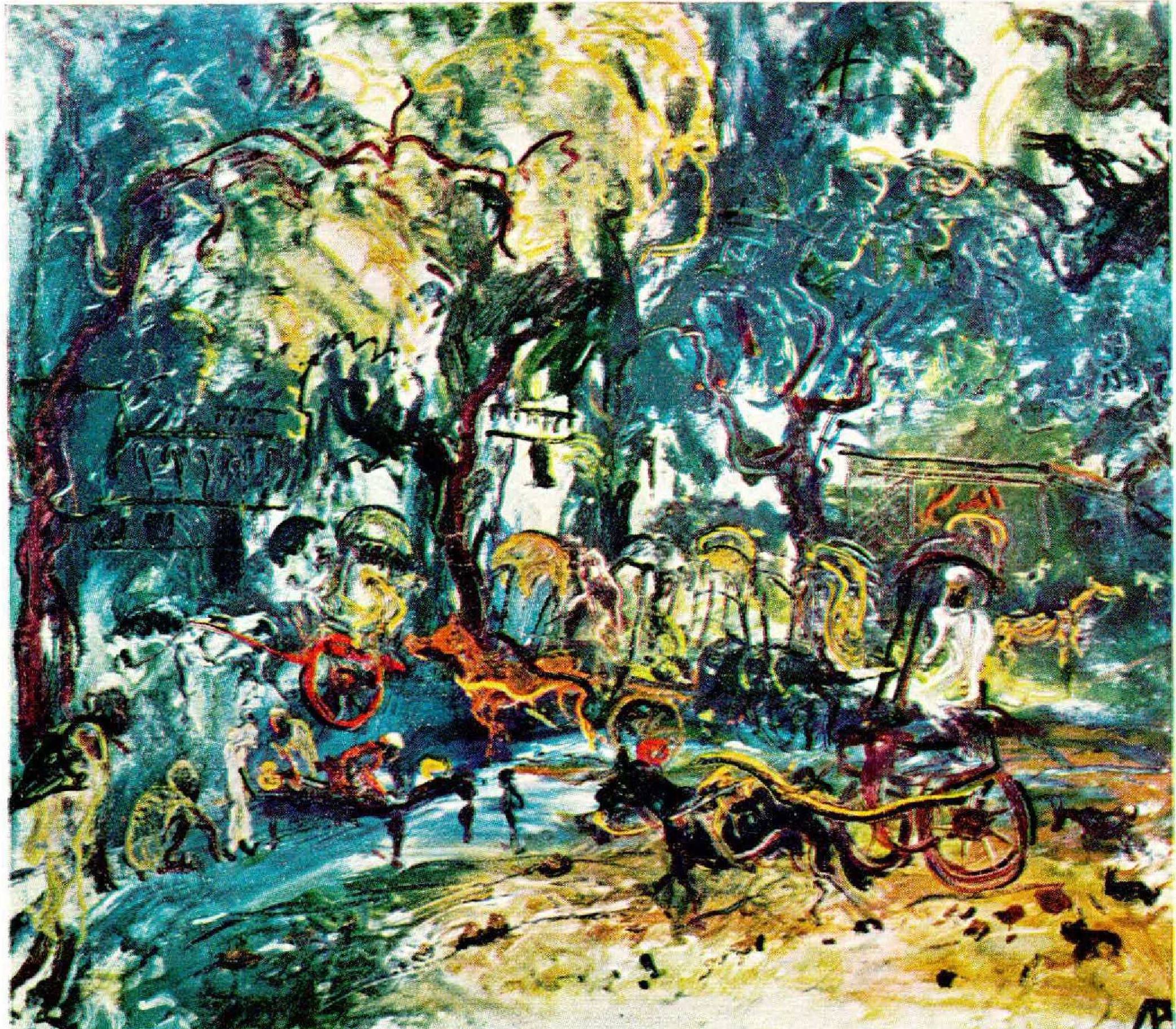
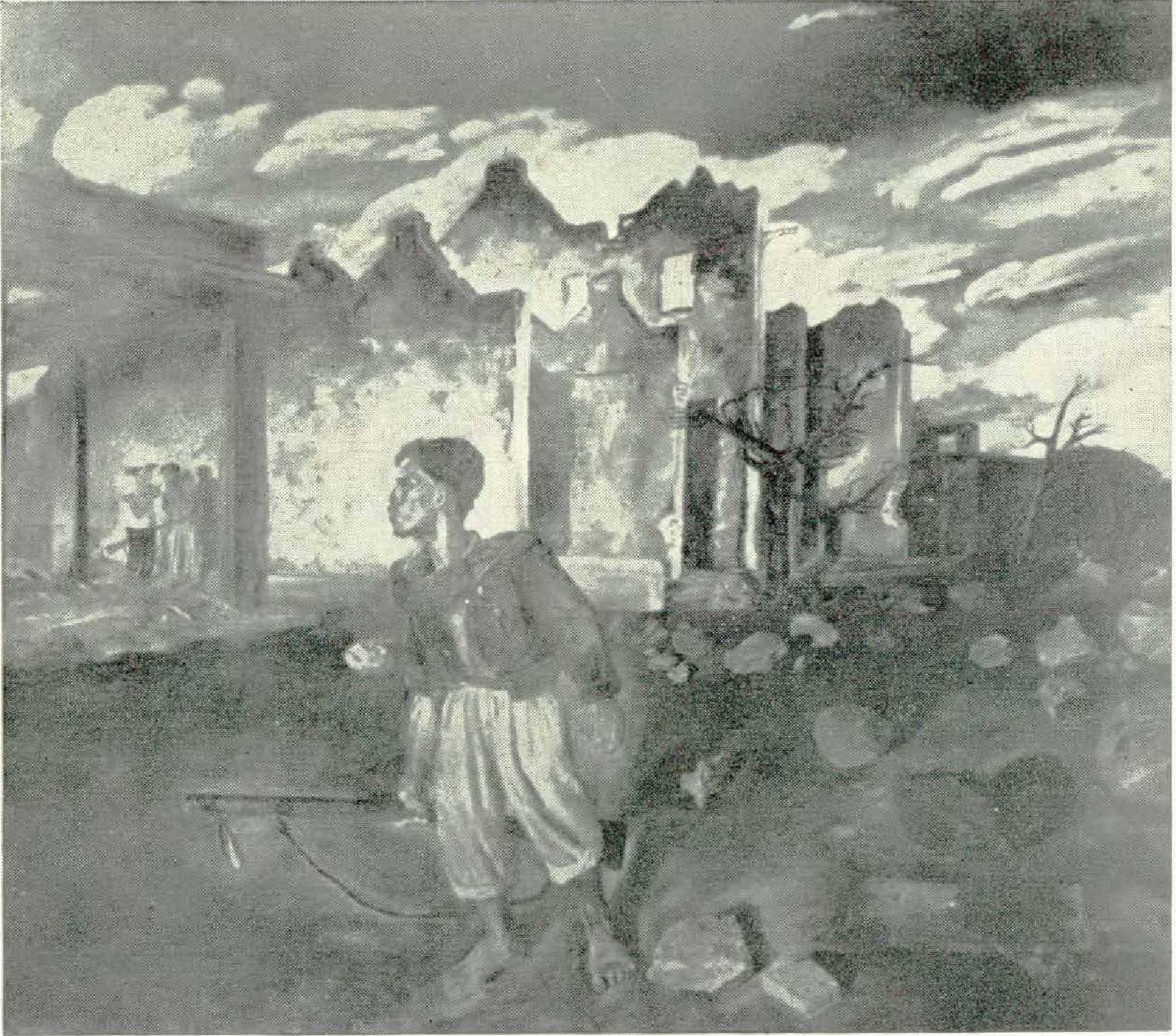
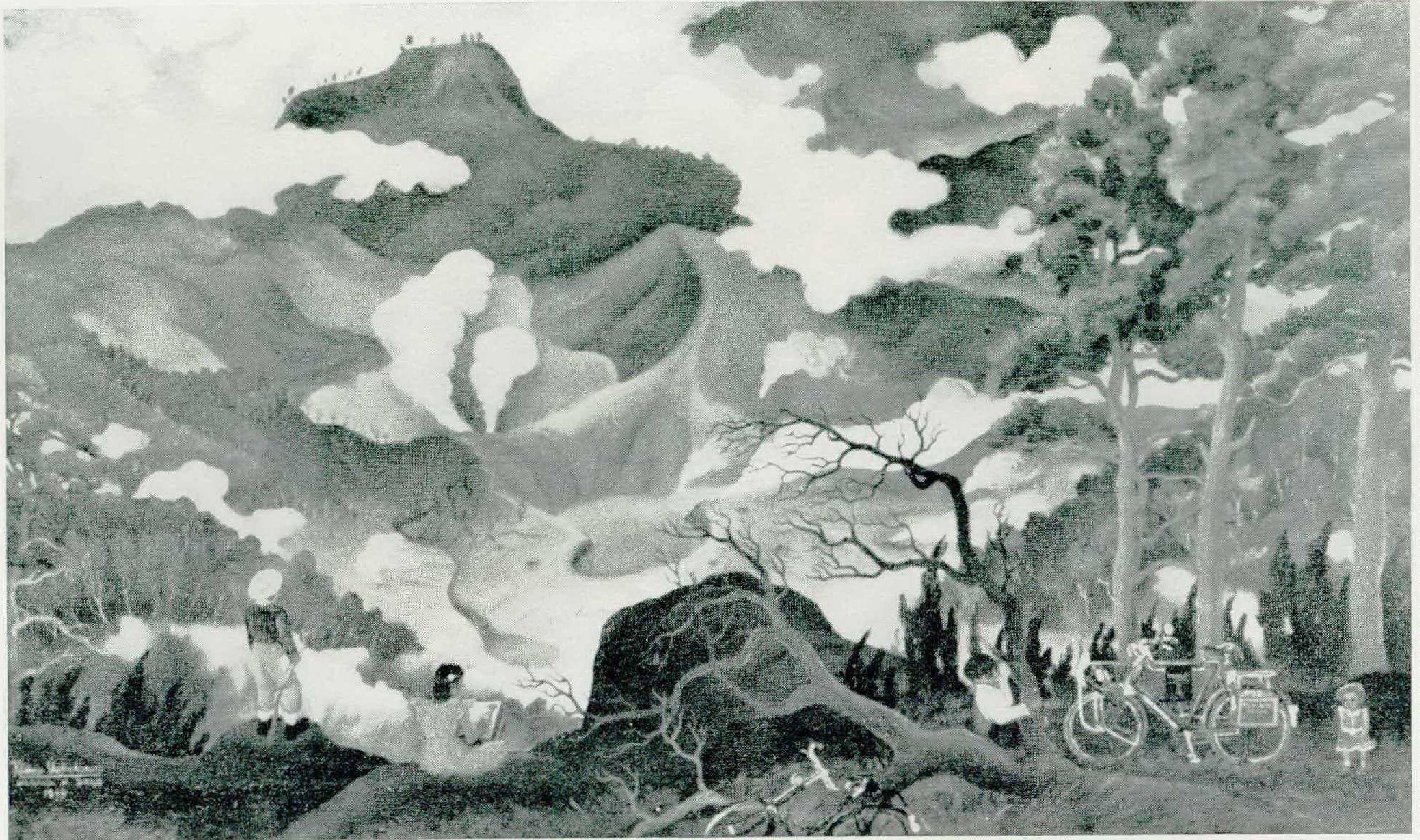
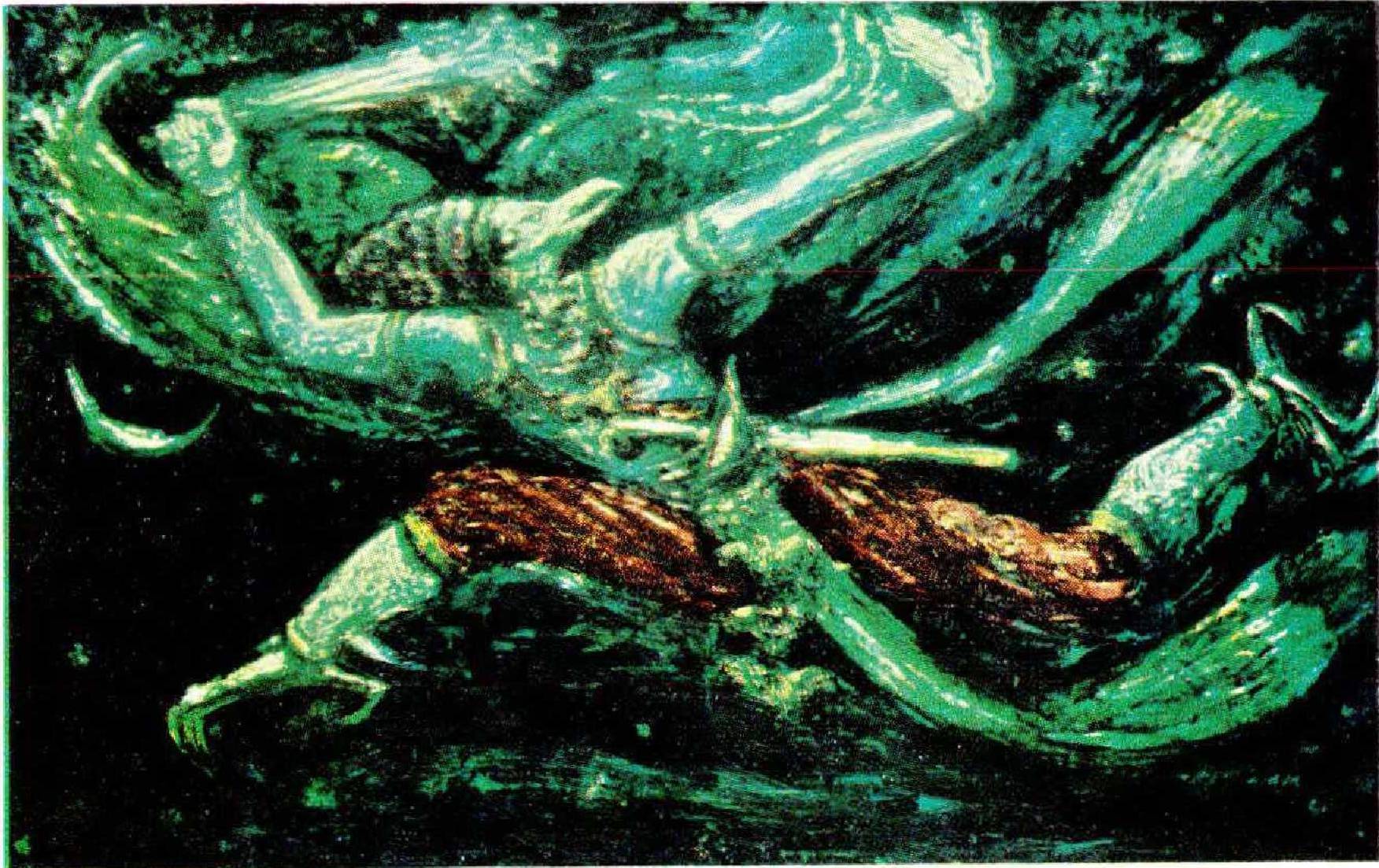
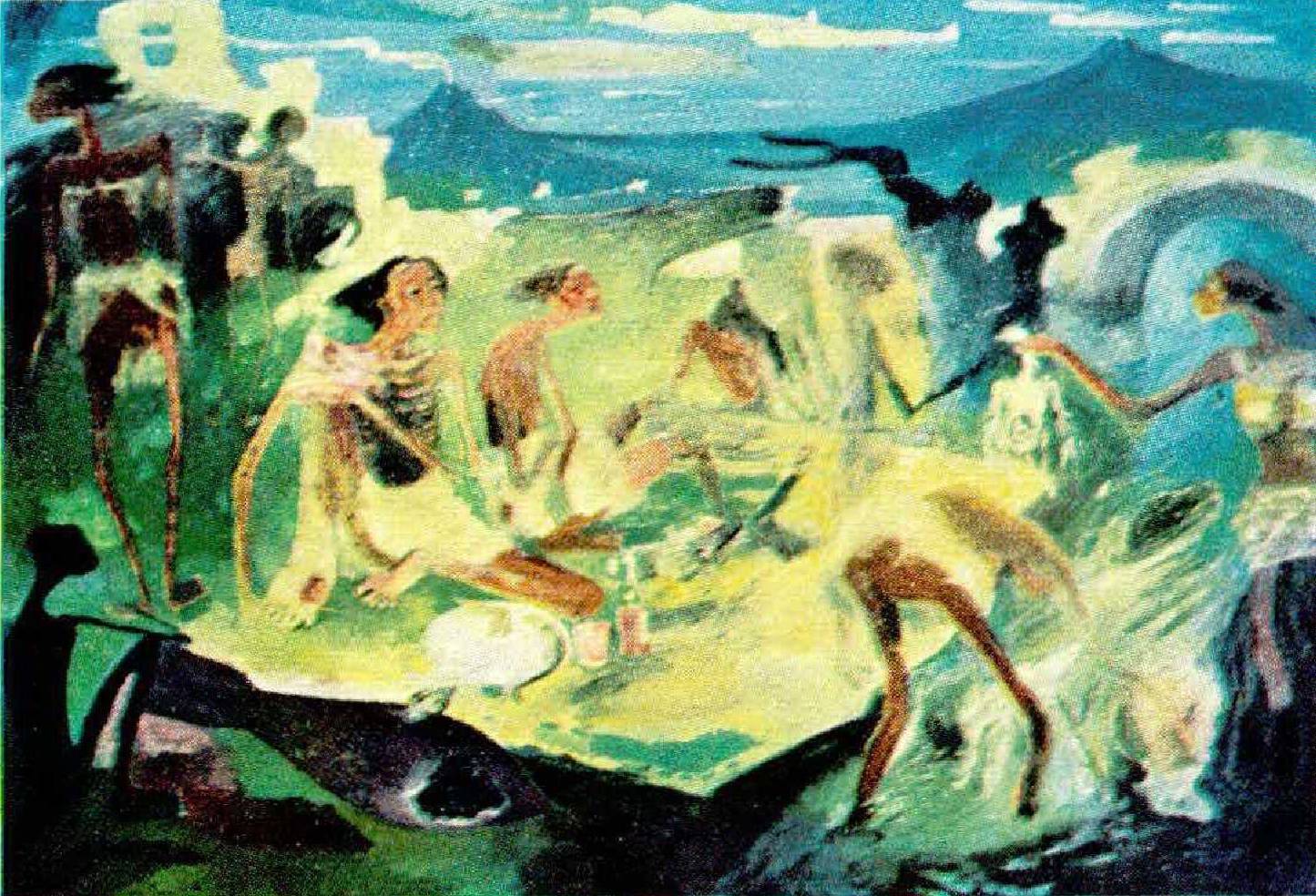
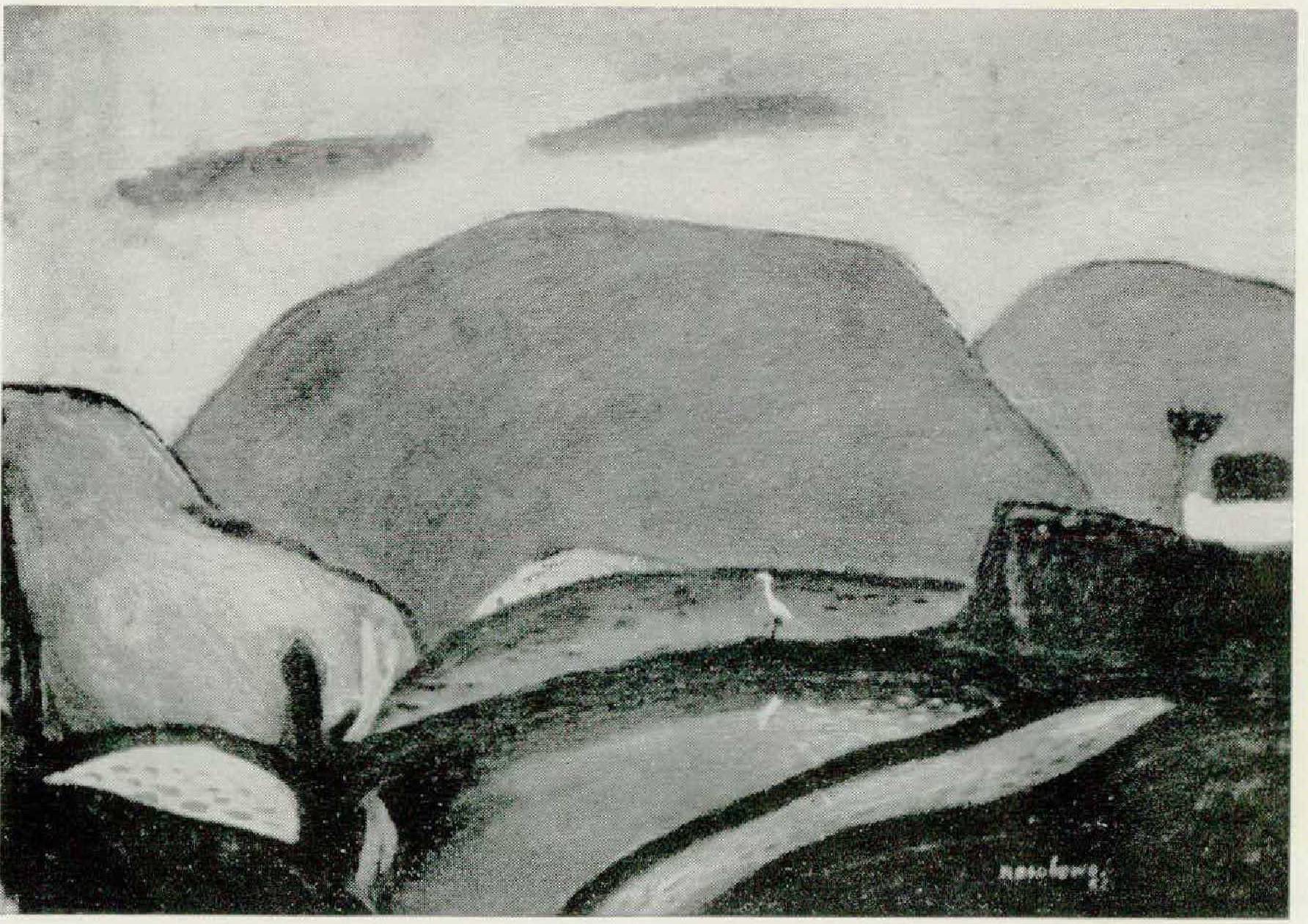
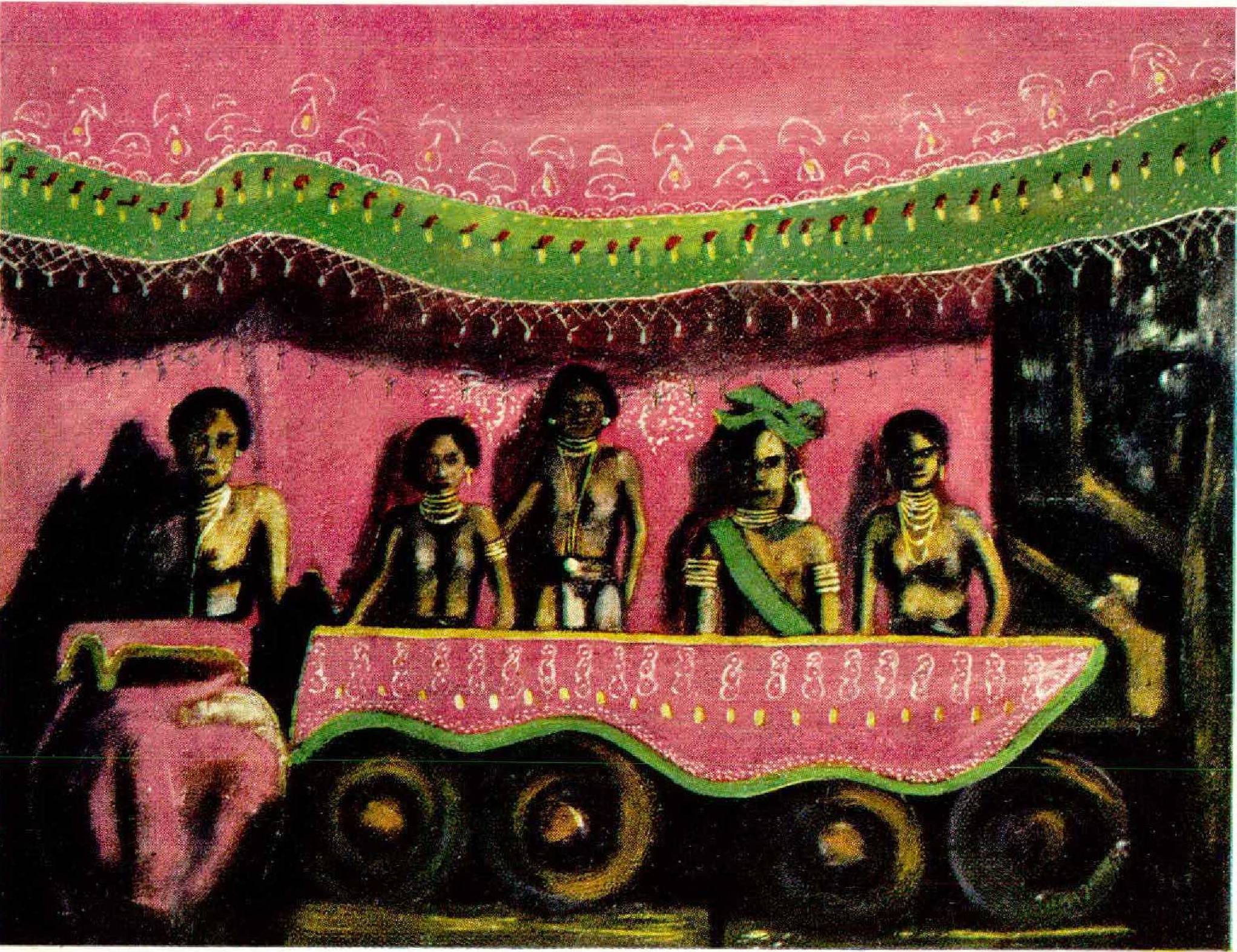
During the occupation of 1942 to 1945, the Japanese authorities tried to use Indonesian artists for propaganda ends. Although contact was encouraged between artists of both countries, this interval had little spiritual influence. But the systematic organizat ion set up by the Japanese did, it must be admitted, hasten the development of a number of new artists. Among them were Aflandi (Figs. 1 and 2), Rcsobowo (Fig. 13), Hendra (Fig. 10), Kusnadi, Barli, Kerton, Mochtar Apin, Baharudin, Harjadi, Sularko Hadi, and Ngendon.
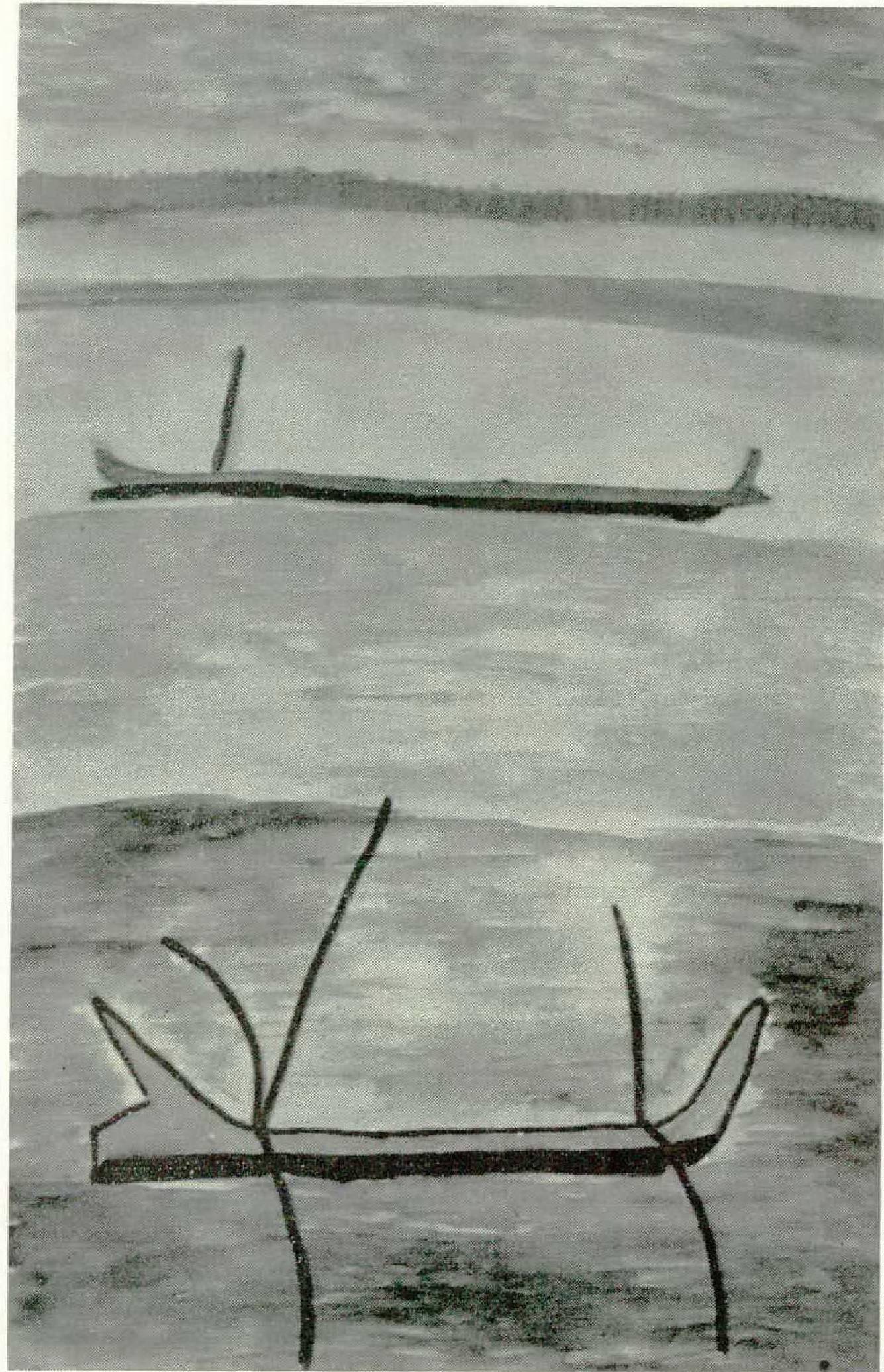
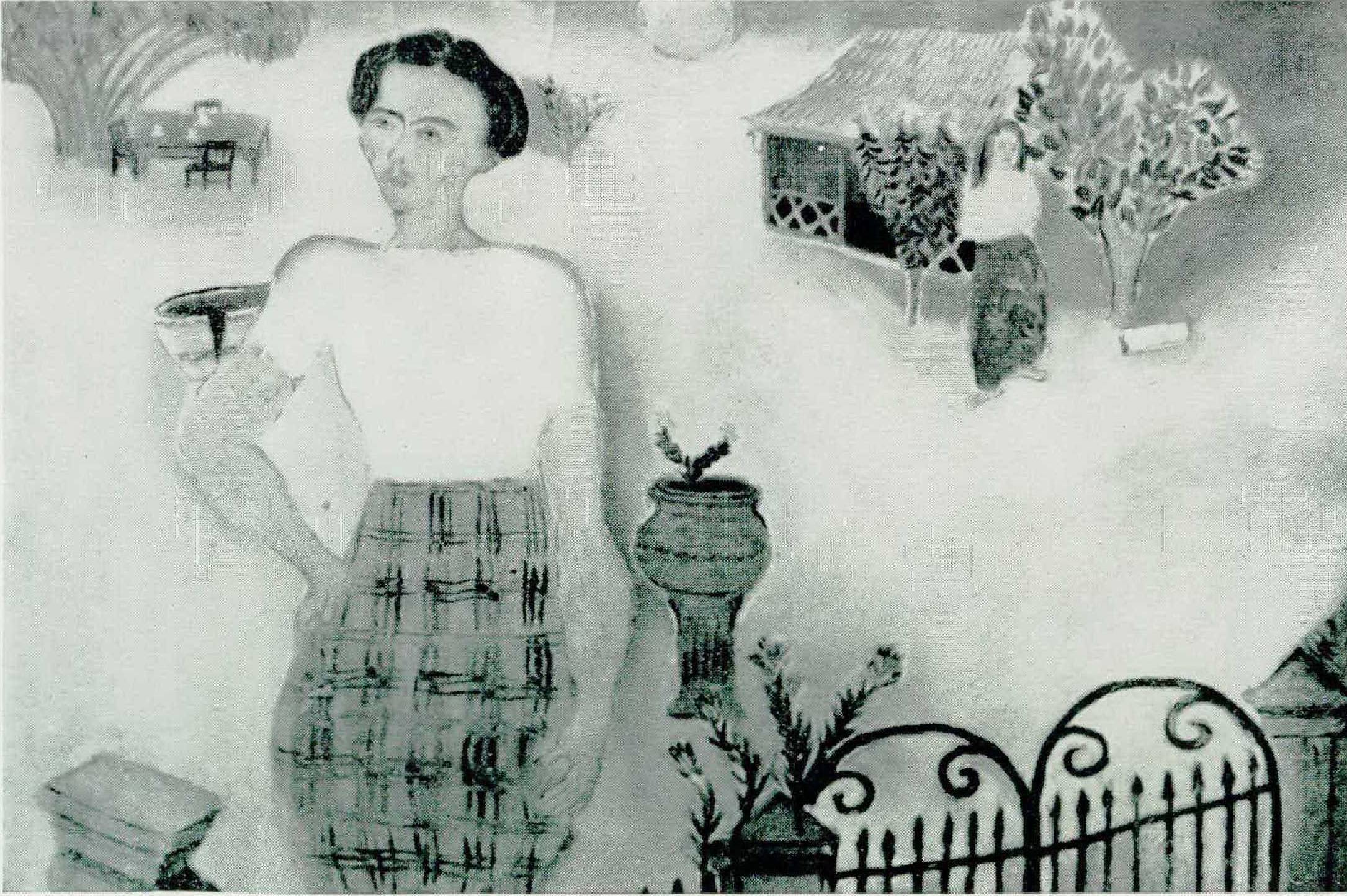
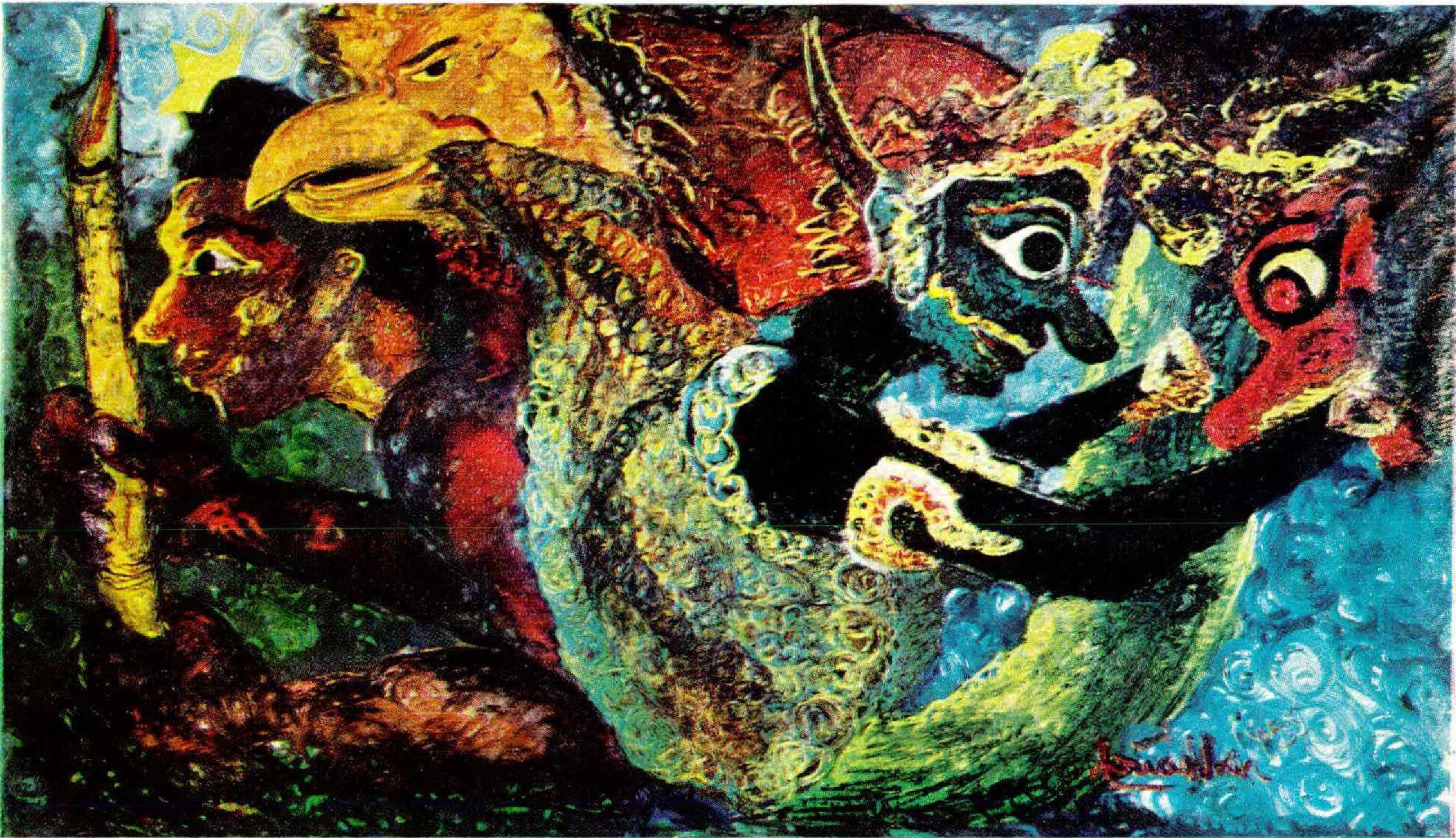
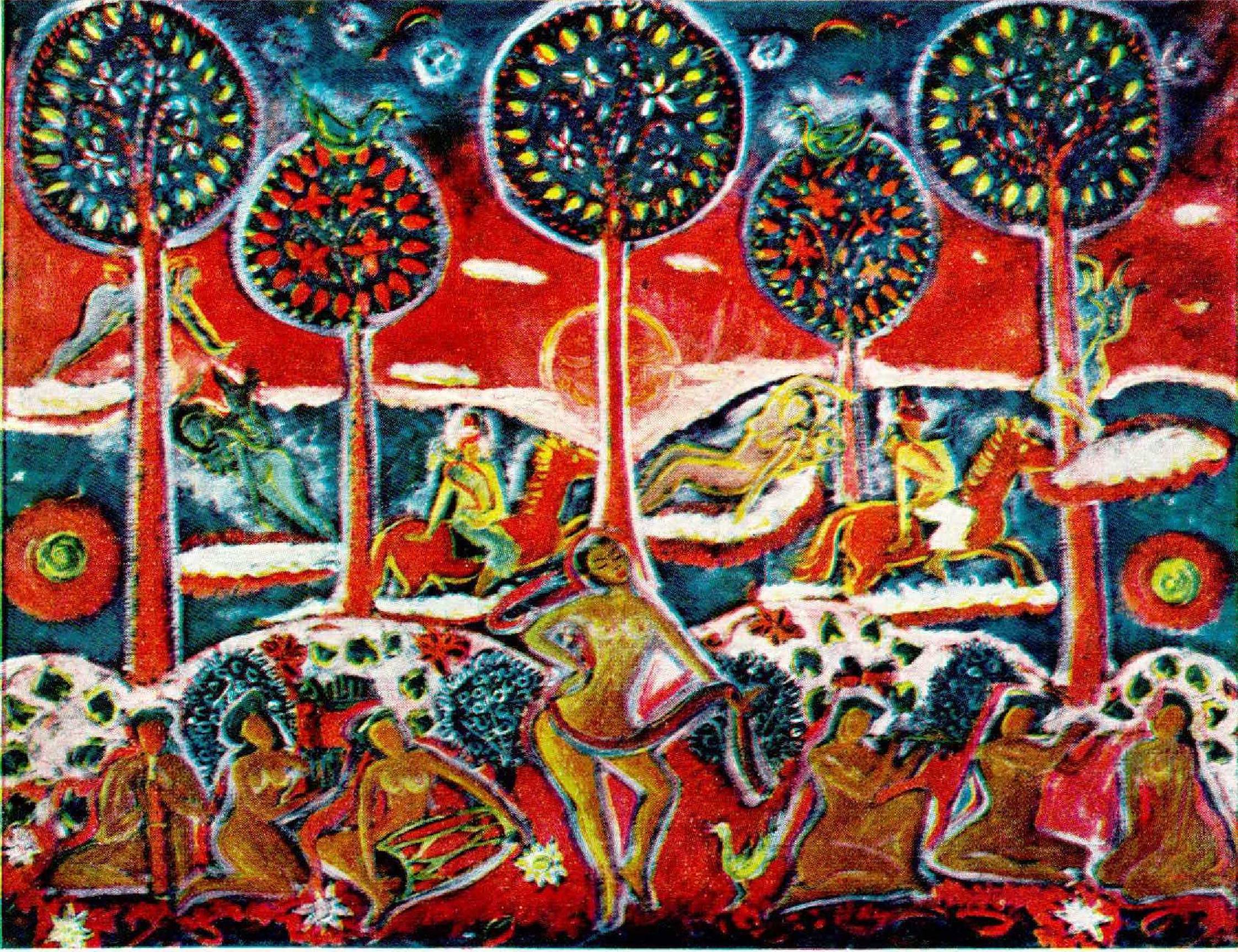
A new, distinct period began in 1945, when the struggle for liberty brought artists into direct contact, with hard realities. There was much selfexamination and exploration of new techniques and new means of expression, some seeking inspiration in the old traditional forms, some adapting European influences (mostly French), some pursuing undefined courses which synthesized a variety of trends. One of the most interest ing experimentalists is O. Effendi, who has moved toward abstraction (Fig. 3), and also has a fine talent for line drawing (see his sketches on pages 98, 107-109). But few would dispute that Indonesia’s most accomplished contemporary painter is Aflandi (born 1910) whose powerful brush work and highly developed sense of color have led European critics to compare him favorably with such expressionists as Kokoschka.
At present there are three main art centers—Jakarta, Bandung, and Jogjakarta. In addition, there are smaller groupings throughout Java, in Bali, Sumatra, and Sulawesi, while several artists are working independently. Two academies have been set up, the first in Jogjakarta, where there has recently been a tendency to imbue art works with political content, and the second in Bandung where the teaching is along Western lines.
Since the Persagi was founded, there has been great progress in style and technique, specifically in the younger generation’s work — for of the leading artists in Indonesia today only one or two are over forty. Typical of these newcomers, perhaps, is the exuberant Derachman (Fig. 8) — as yet more prolific than self-critical — who recently visited the United States, and Zaini (Fig. 14).
Most of the artists who have been exposed to Western techniques work in oils, live in sizable cities, and are, by and large, expressing their own individual sensibilities rather than that of their native community. Their subjects are drawn more from the life around them than from their cultural heritage. It is in the villages of the countryside that we find the past surviving in a vigorous and attractive folk art. Nowhere can it be seen to better advantage than in Bali, where the Hindu religion is still a vital force, and where tourist trade provides an active market for paintings, dance masks, and wood carvings.
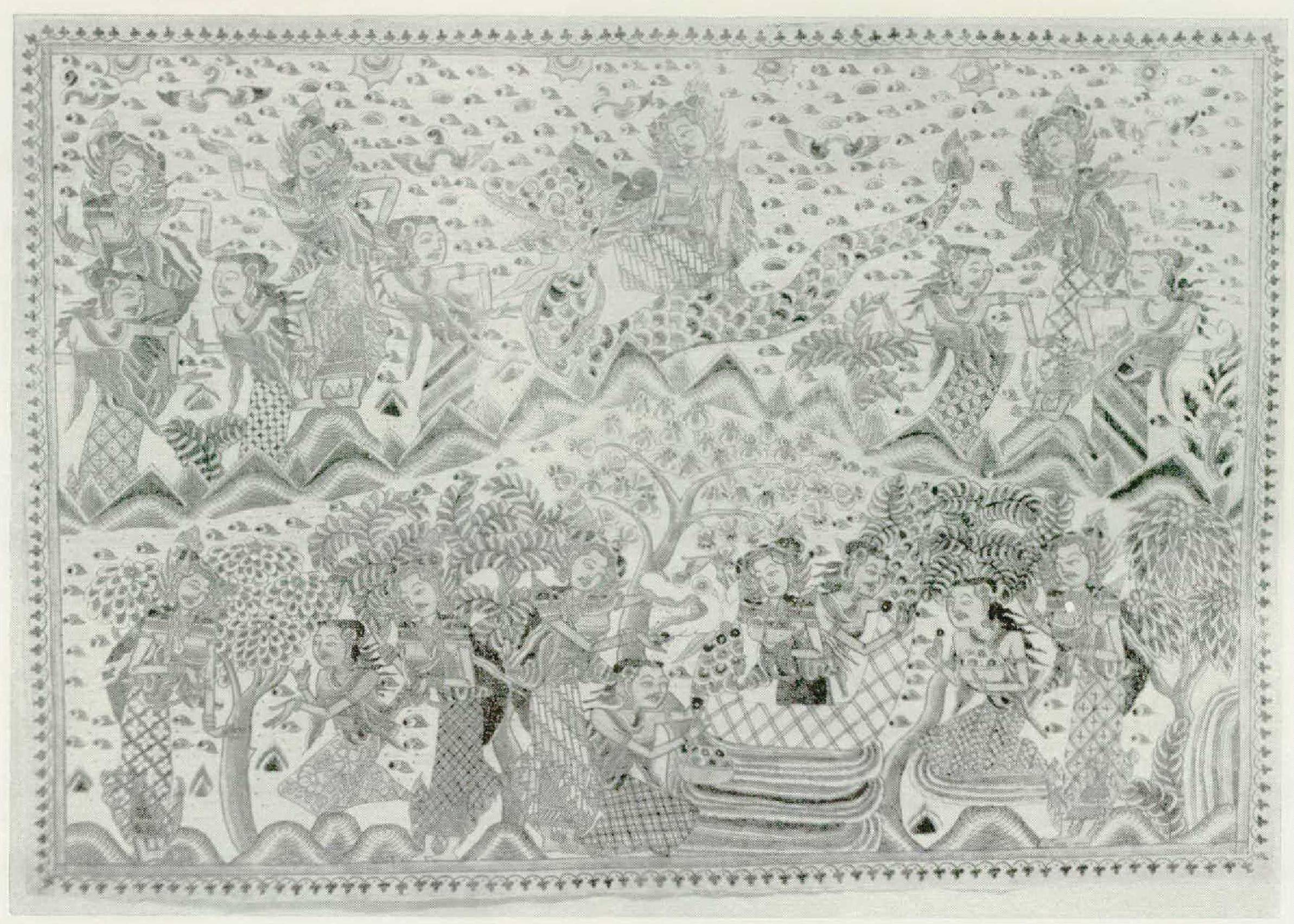
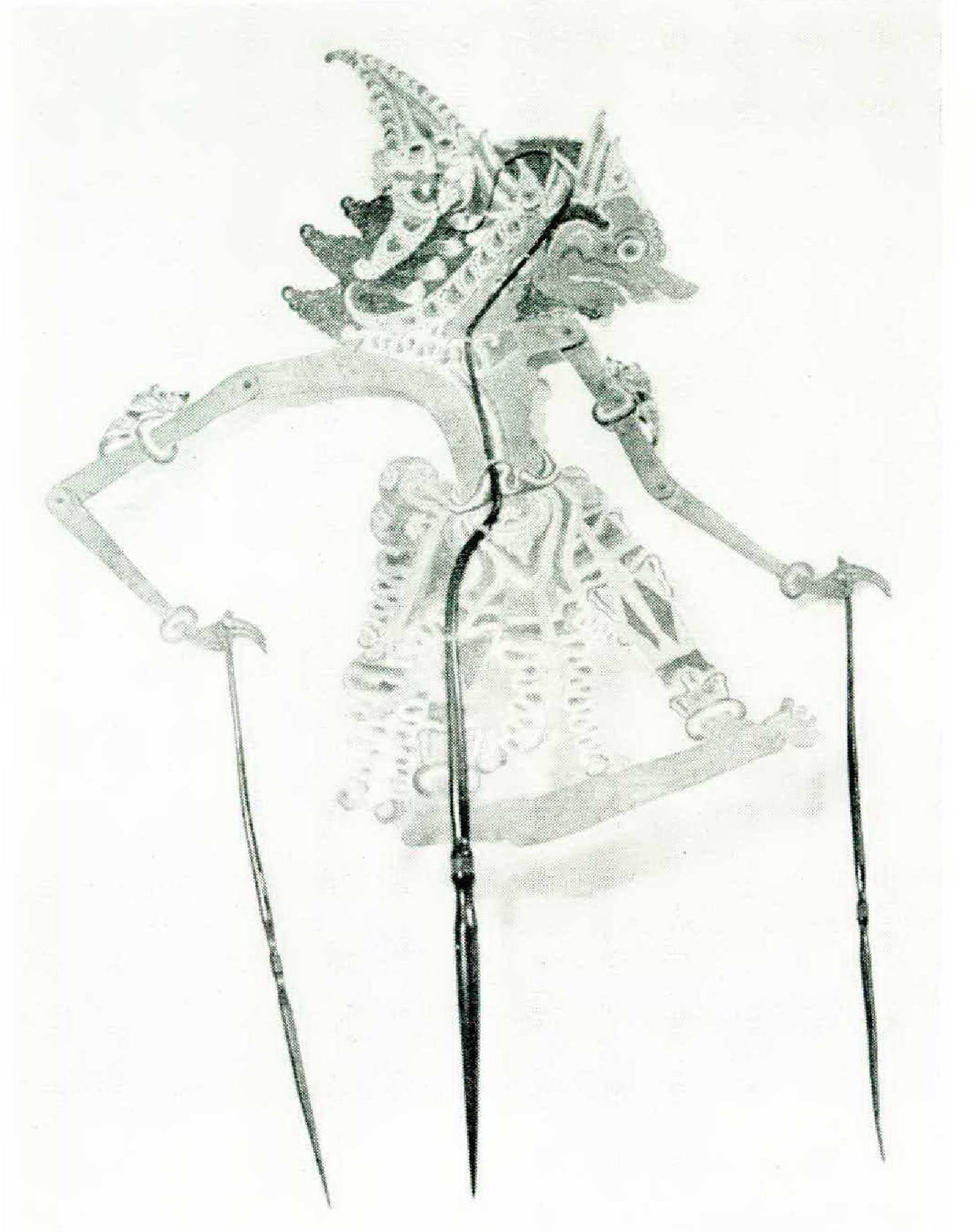
Little is known of the early painting which may have flourished in the Hindu period when the sculpture of Borobudur and Prambanan was being done. But perhaps we have a clue to its style in the art forms surviving in theater and dance, handed down from generation to generation, probably with little significant change. Thus the traditional shadow play, or wayang kulit, figures (Fig. 15) embody a kind of stylization which is very old, and which has been carried over into the paintings for wall decoration, now done on canvas, sometimes as long scrolls, sometimes in large squares, which retell familiar legends of Hindu mythology or present the calendar pietorially (Fig. 12).
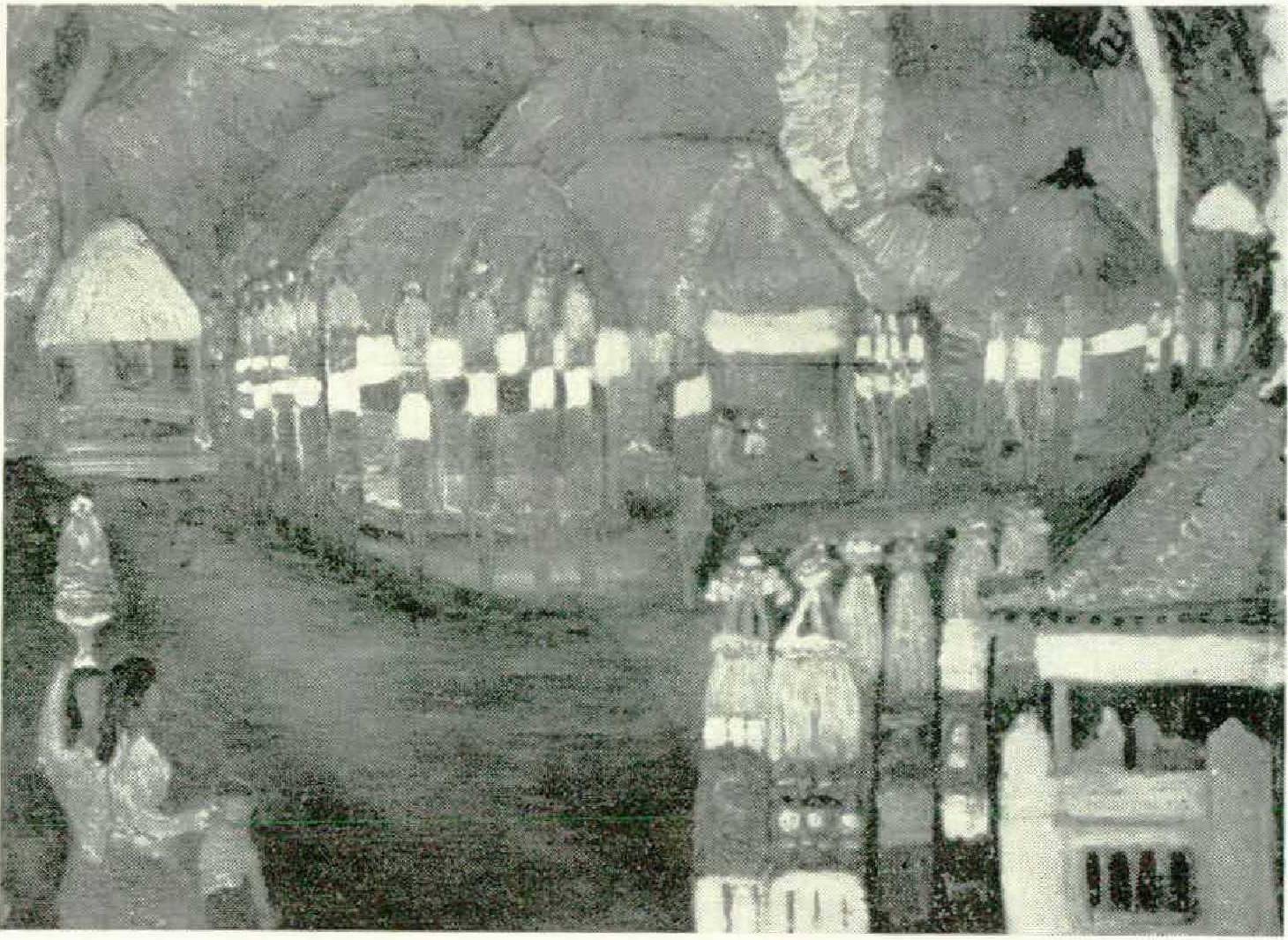
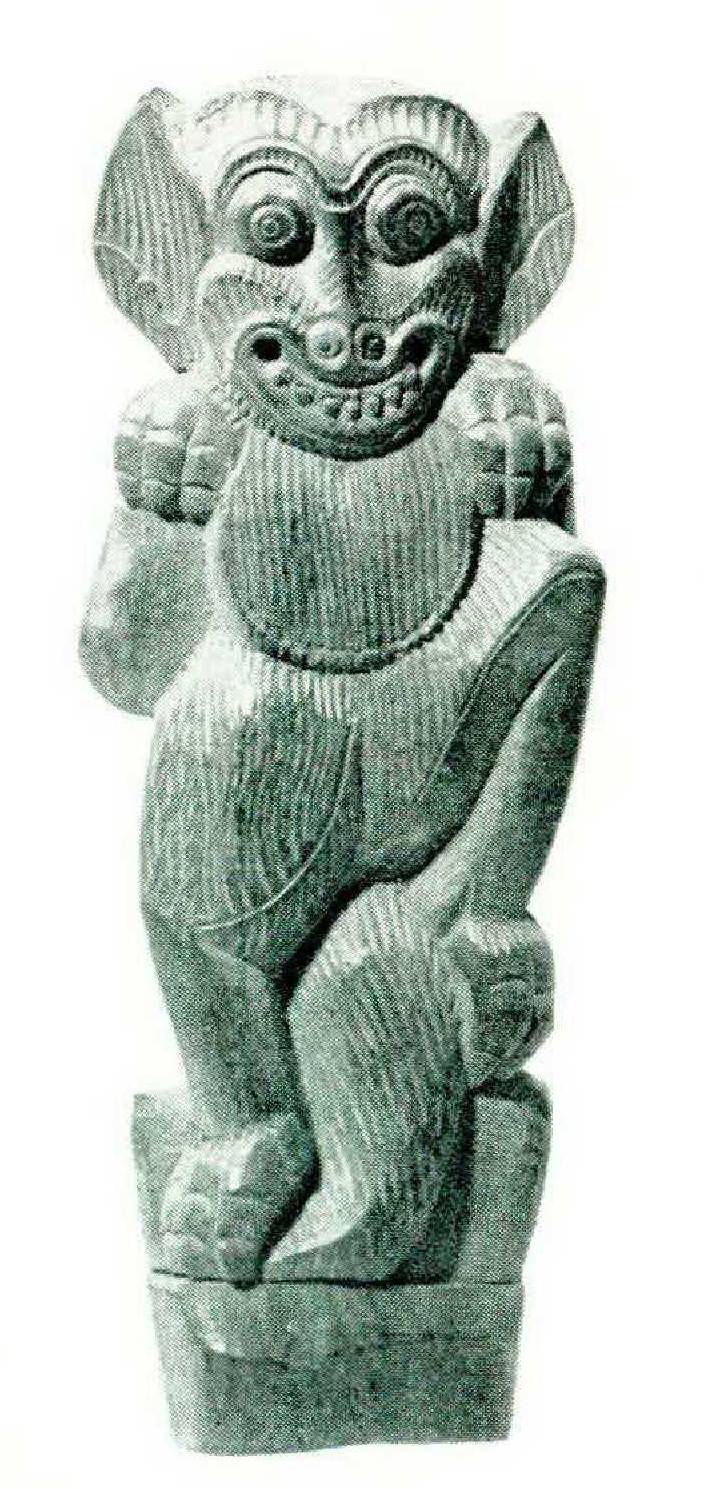
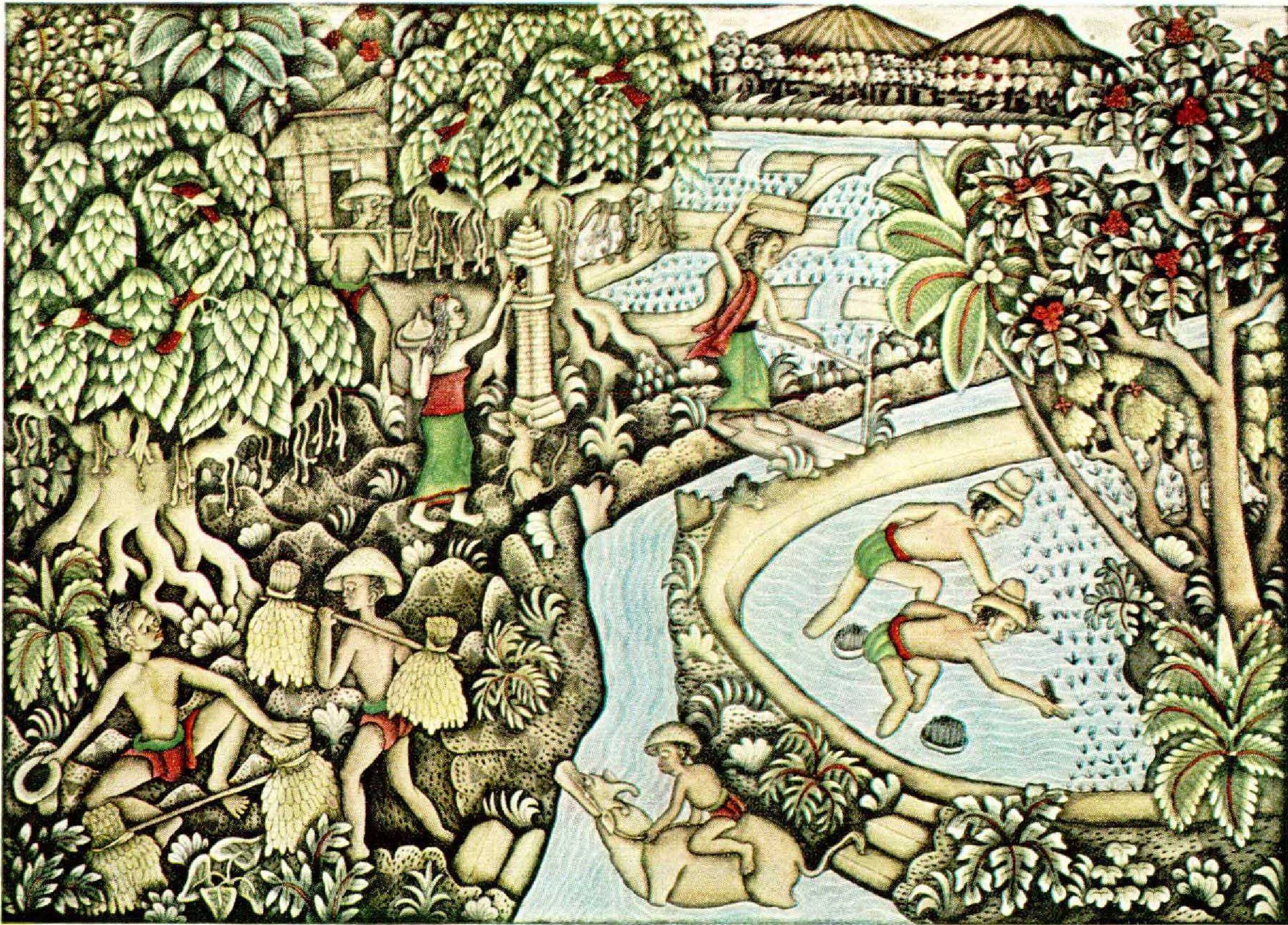
Similar iconography frequently appears in the painting of the modern Balinese school centered in Ubud, Mas, and Batuan, which owes much to the sympathetic encouragement of European artists who came to live in Bali, bringing modern materials and the concept of individuality. Typical of this genre are vivid, densely composed scenes of rural life such as Reeling’s Balinese Scene (Fig. 21). These pictures are produced in quantity for the tourist trade, often unsigned, by artists of whom only a few aspire to be more than craftsmen repeating a formula. Yet they are an authentic expression of Bali with its lush tropical flora and its daily festivals, dances, and ceremonies. Some of the colored sketches of Balinese dance poses are especially appealing. Wood carving finds an even better market with the tourists than painting. Much of it is stereotyped and slick — mere repetitive craftsmanship — but occasional artists break through to originality (Figs. 10 and 19).
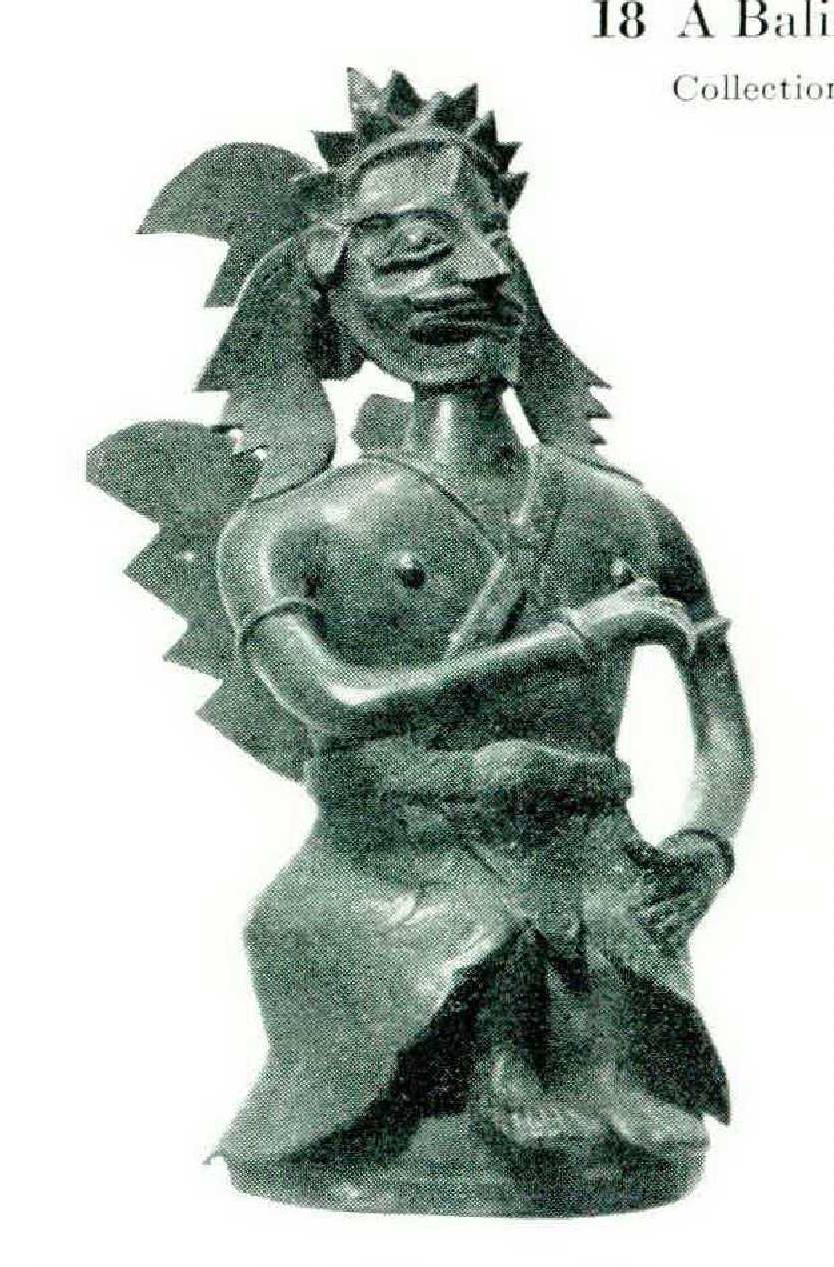
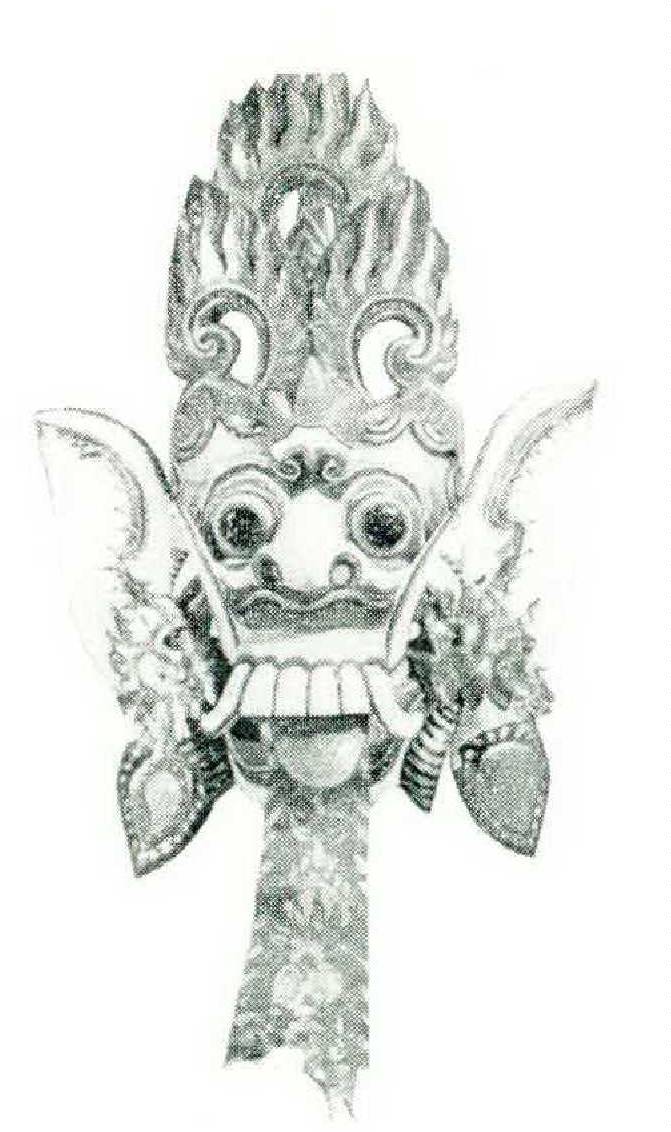
It has often been observed that Bali offers the craftsman unique opportunities to practice and to live his art. Because the land is so rich and water so abundant, the farmer’s task is easy and there is time for recreation. This takes the form of ritual and dance, which require symbolical figures and masks (Fig. 18). Each village has its temple and each walled compound its decorated gates and carvings, which must be continually renewed since the soft volcanic rock erodes very quickly and the jungle relentlessly penetrates whatever is built by man. Even the economic pressure caused by rising population has not essentially shaken the central position of the arts as normal daily functions in Balinese life. In Bali the artist still can feel wanted.
Can the same be said for the more modern parts of Indonesia? Even a great city like Jakarta has few people rich enough to collect paintings or sculpture, to be “patrons” of the arts. Will the new society which seems to be evolving along the fines of a welfare state provide adequate support and incentive to artists? Will opportunities be given to talented young people to study abroad? These questions gravely concern thoughtful Indonesians today.
Translated by A. Brothertun