Contemporary Artists of the Arab World
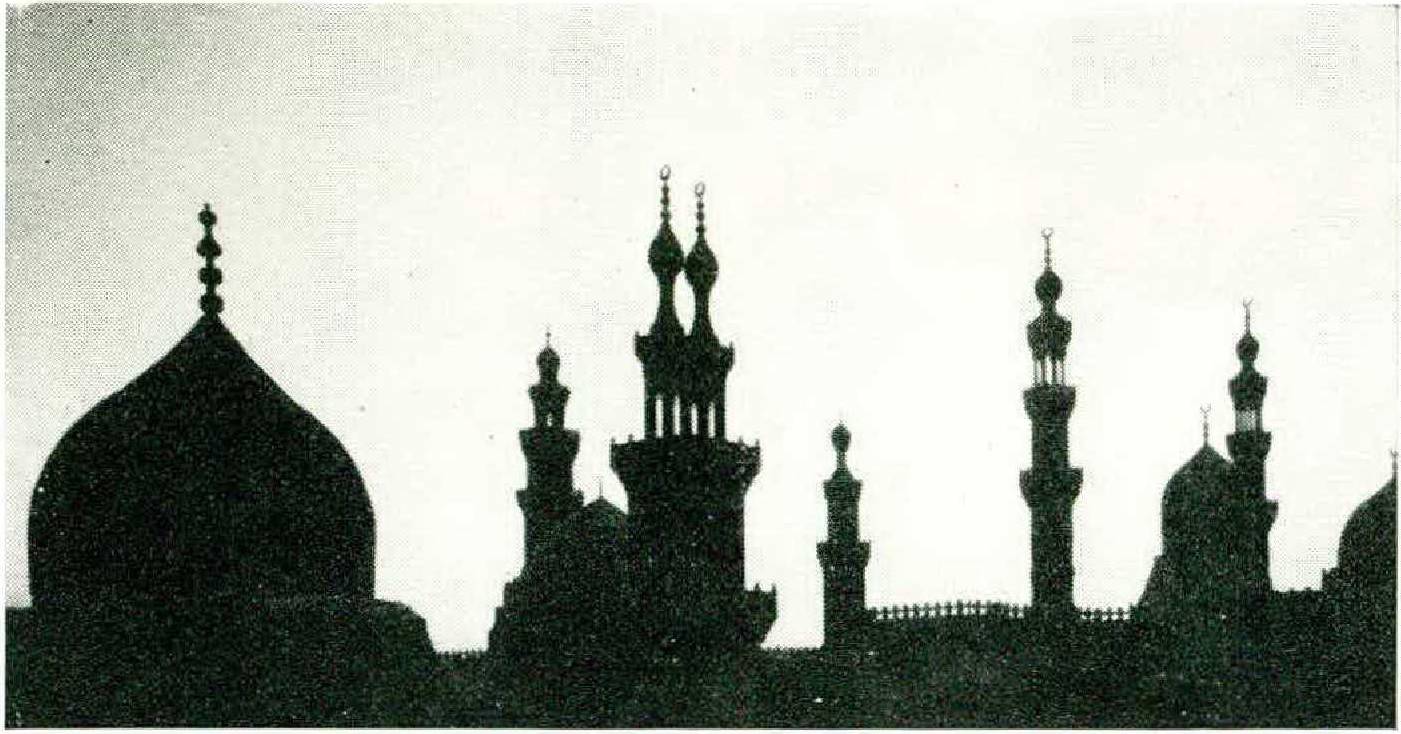
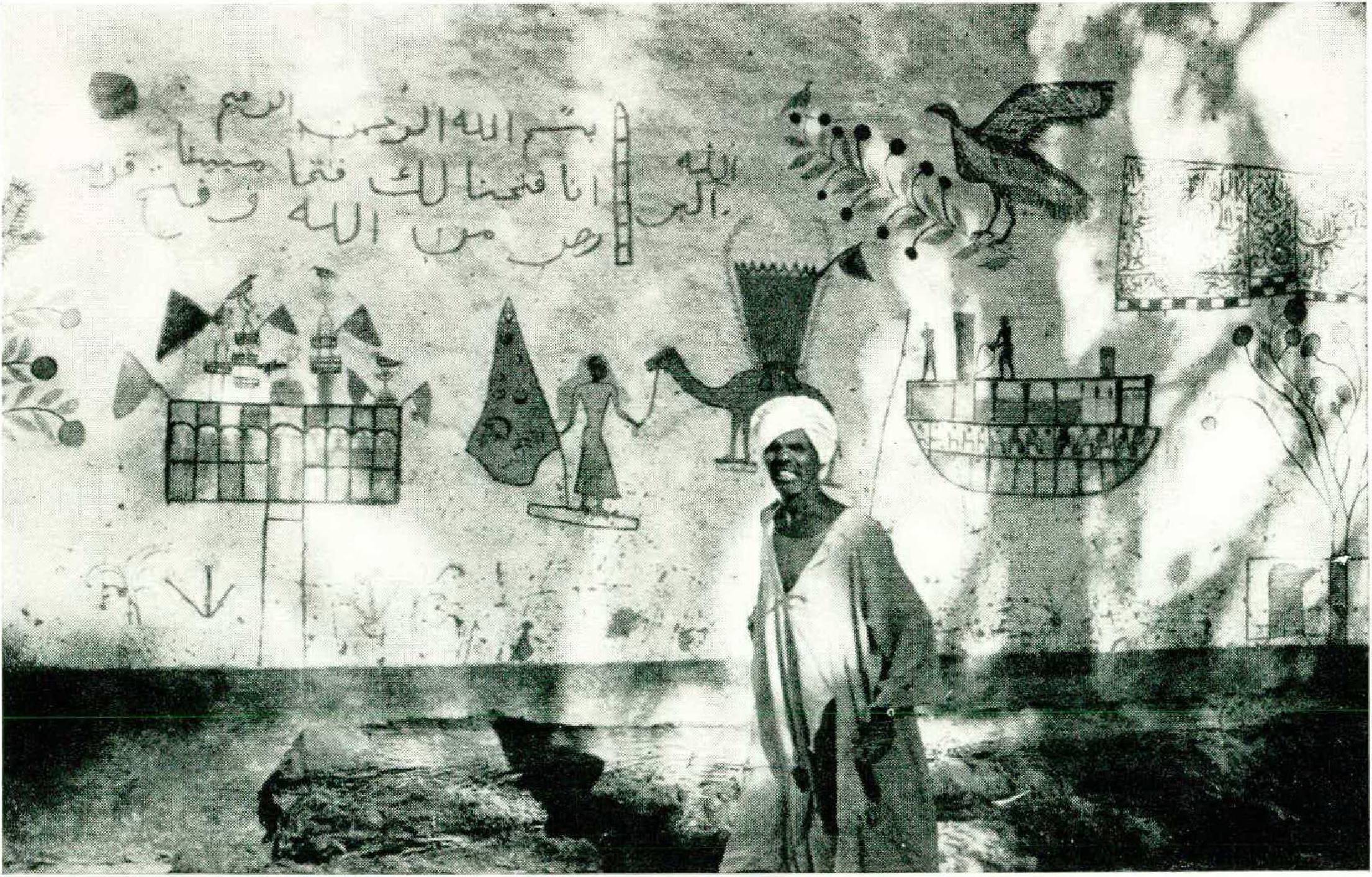
Because Islam did not encourage representations of the human figure, traditional art in the Arab World tended toward the abstract, finding its highest expression in the architecture of mosques and palaces, in the use of intricately patterned, colored tile work for wall decoration, in textiles and ceramics, and in calligraphy, both in tile and books. Thus a Muslim mosque is adorned not with paintings or statues of Mohammed but with beautifully designed patterns incorporating passages from the Koran or other sacred writings. The work of contemporary artists draws somewhat on this religious tradition, but far more on folk art, on the sculpture and tomb paint ing of the pre-Islamic civilizations, and, most of all, on the influence of modern European painting which has entered the Arab World along with technology, the automobile, and the radio. The miniature painting of Persia is much less of an inspiration to young Arab painters today than the work of the French impressionists or Picasso.
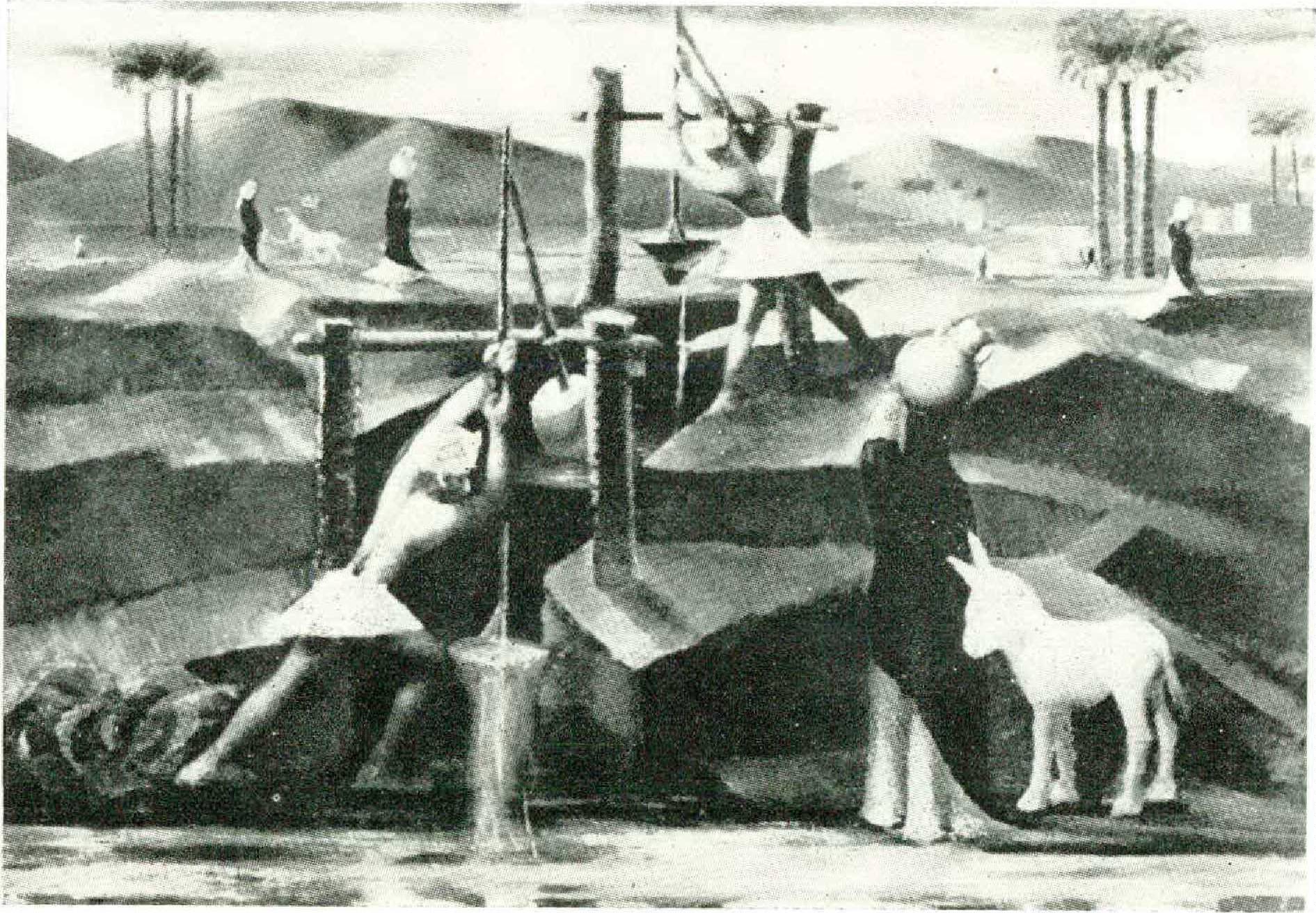
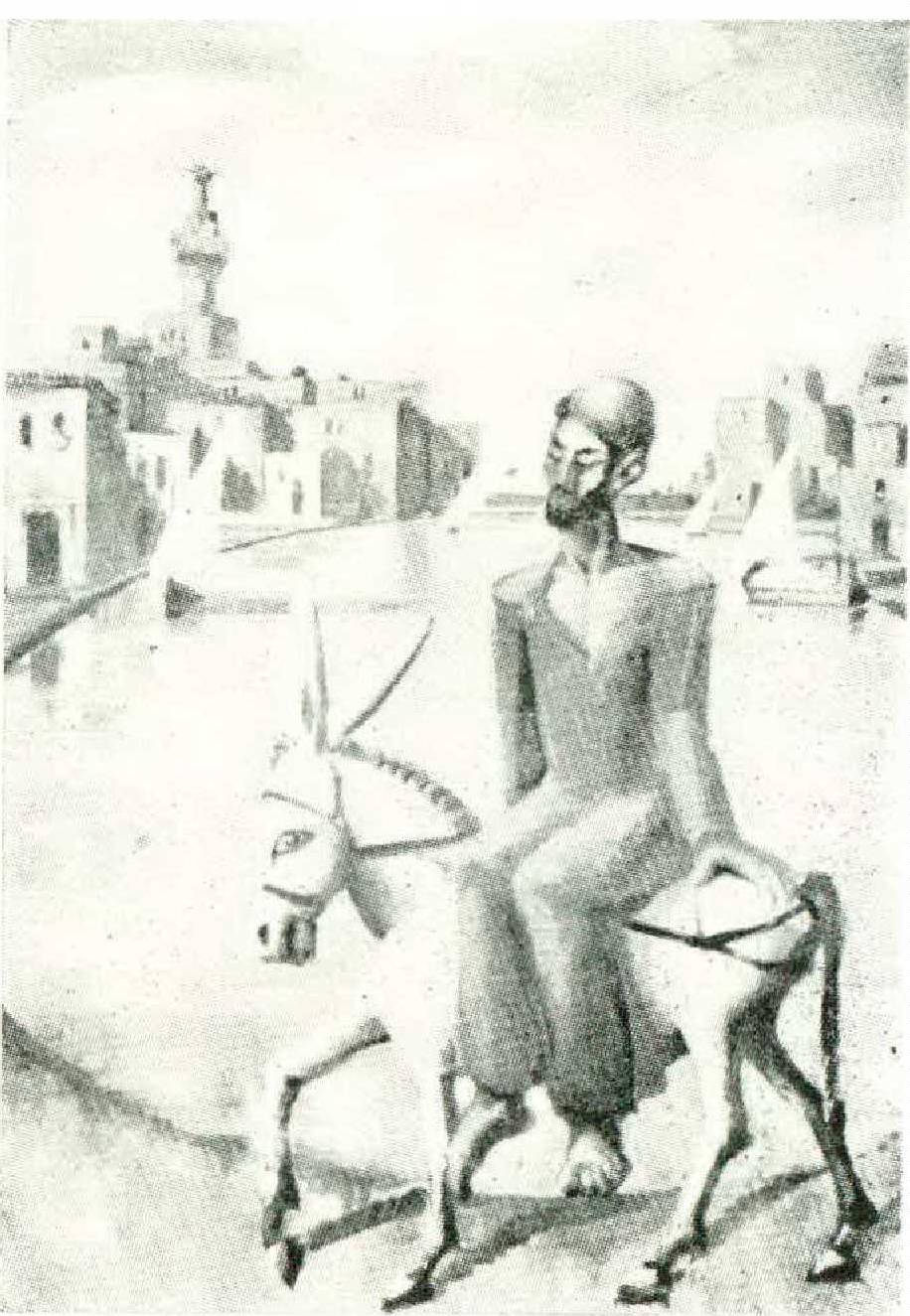
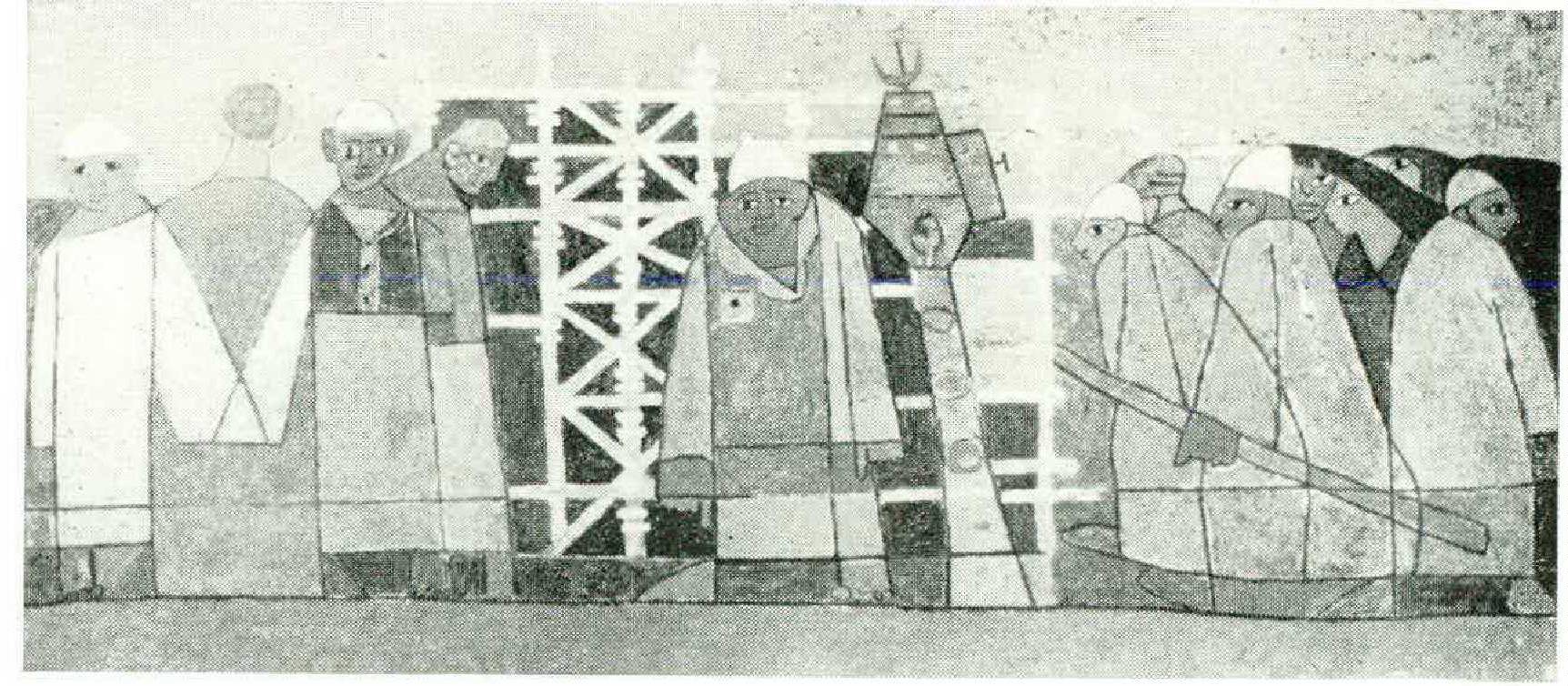
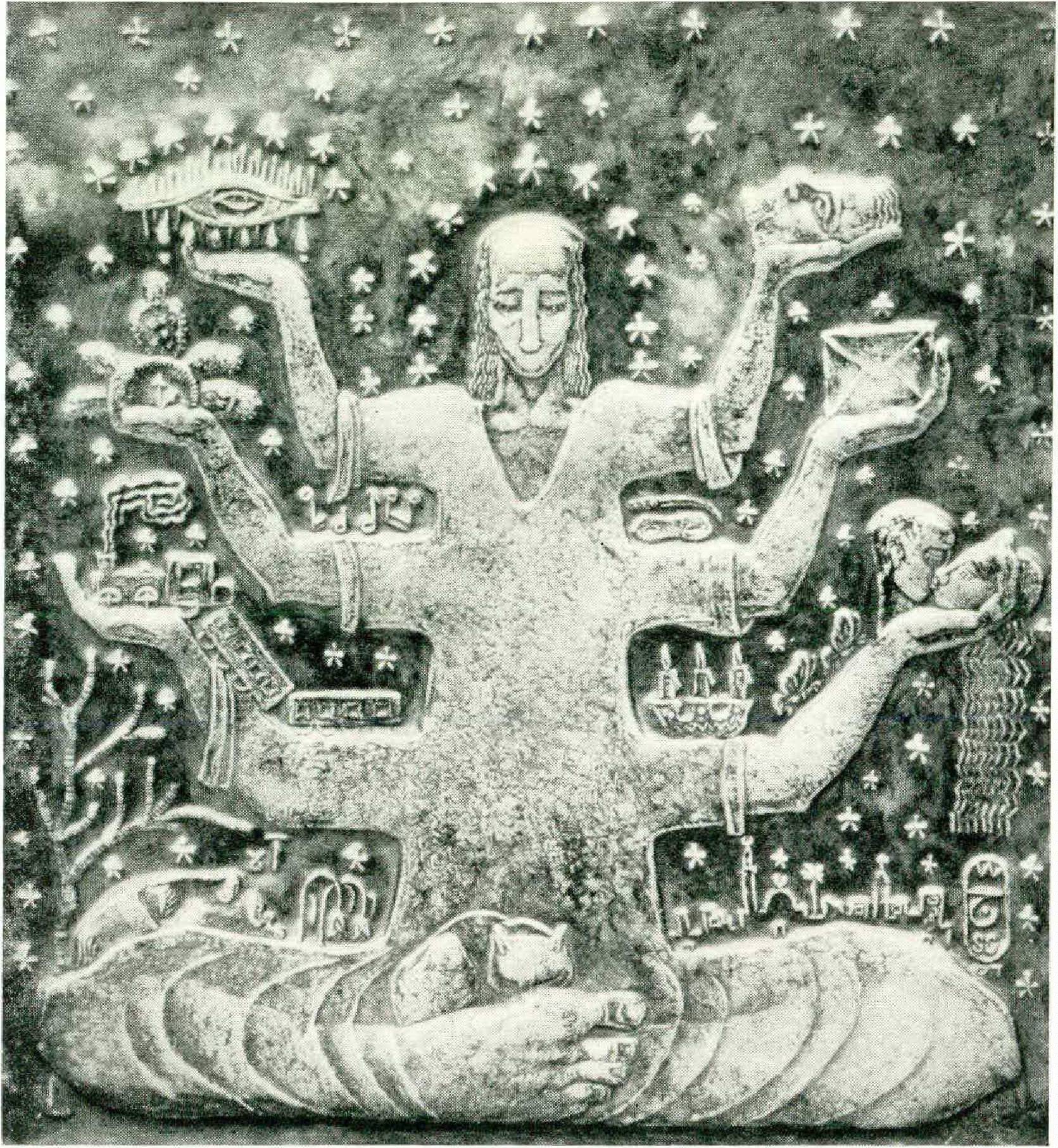
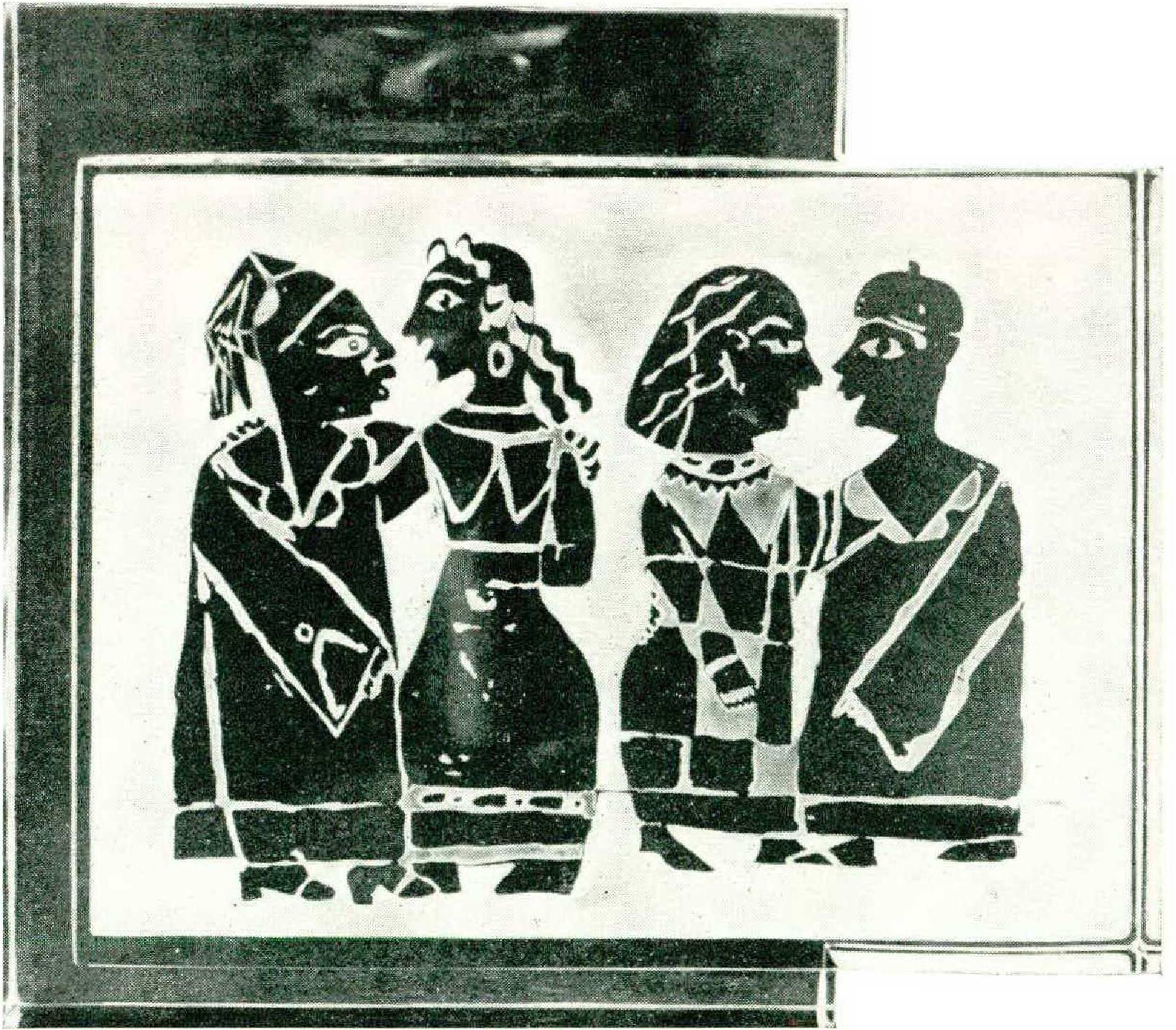
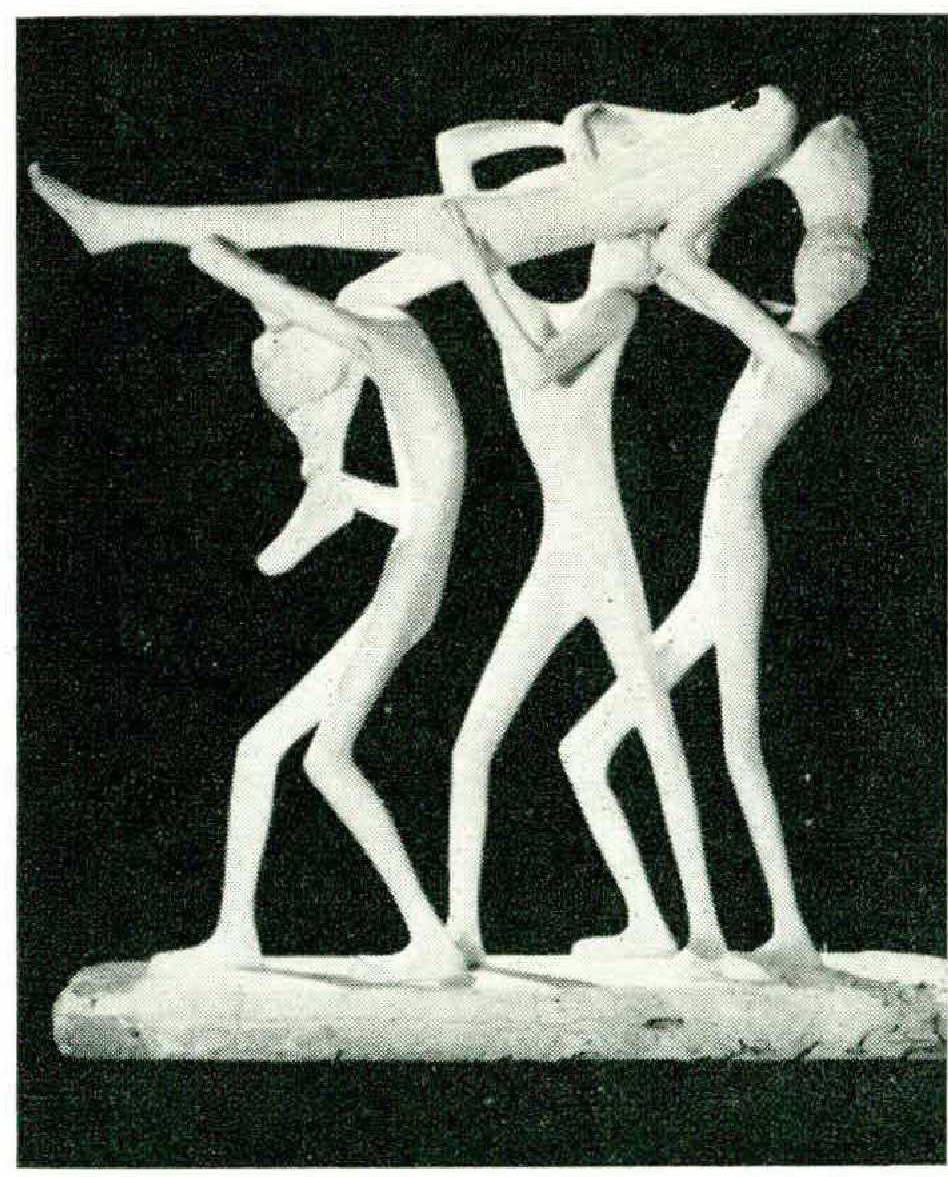
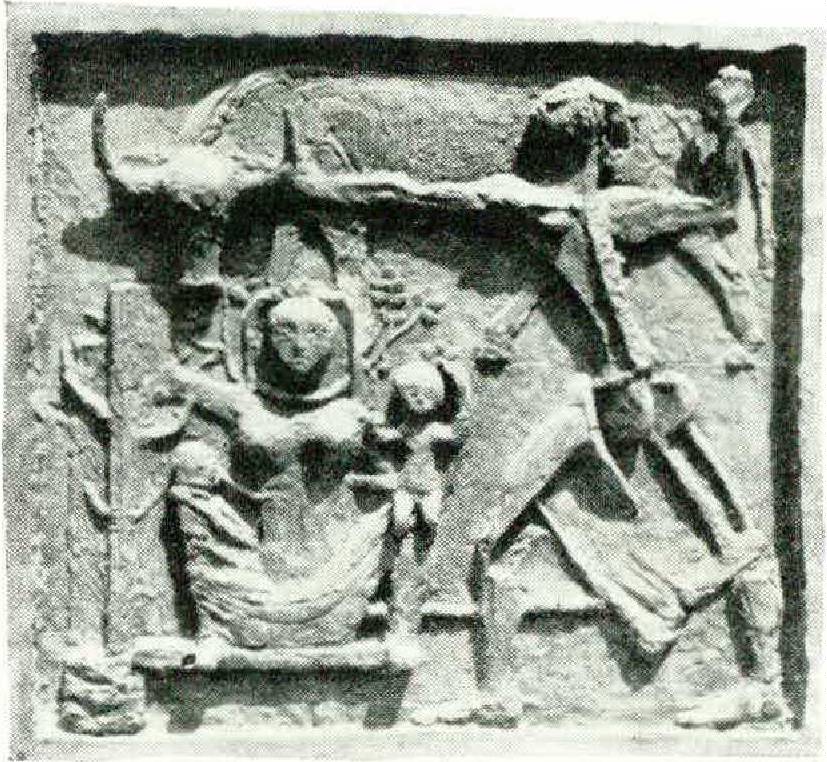
It is in Egypt that the impact of the West has been the greatest, and there are museums of modern art in Cairo and Alexandria. The painter Mahmoud Said, who studied in Europe, and the sculptor Moukhtar were the pioneers of the modern movement, which now includes a dozen or more younger artists of considerable talent working in a variety of schools, all strongly influenced by Europe. Said has painted the Egyptian scene with a deep, romantic affection and vivid color. Hamed Abdalla, a self-taught painter and lithographer, born in 1917 and a spokesman for the younger generation, seeks “to paint nature as I see it with my mind, not as it ‘looks’ to the eye.”His Lovers has been engraved on crystal for the Steuben Glass collection of Asian Artists. Gamal Sagini, who studied in France and Italy and works in many media, is a professor at the Cairo Academy of Fine Arts. The subject of Hagras’ sculpture Fadilah is an ancient one, the carrying of a body to the grave by friends and relatives.
GOURNA VILLAGE
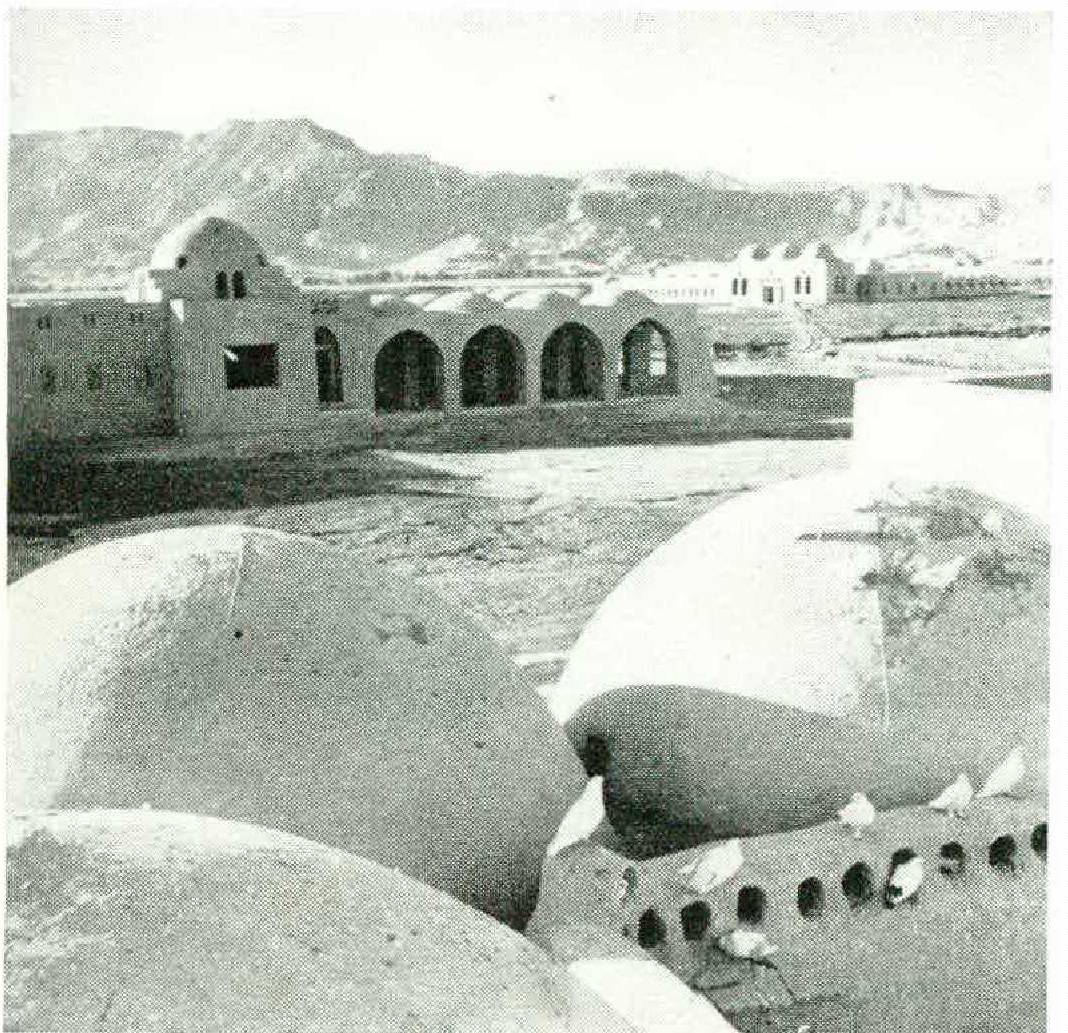
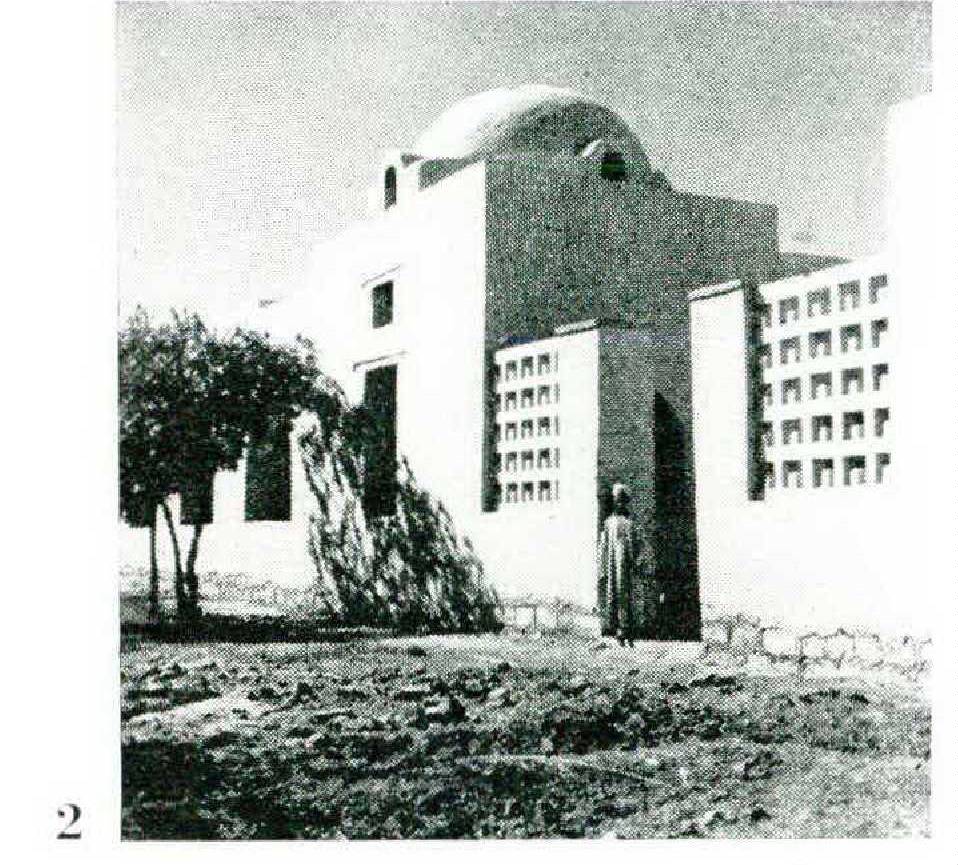
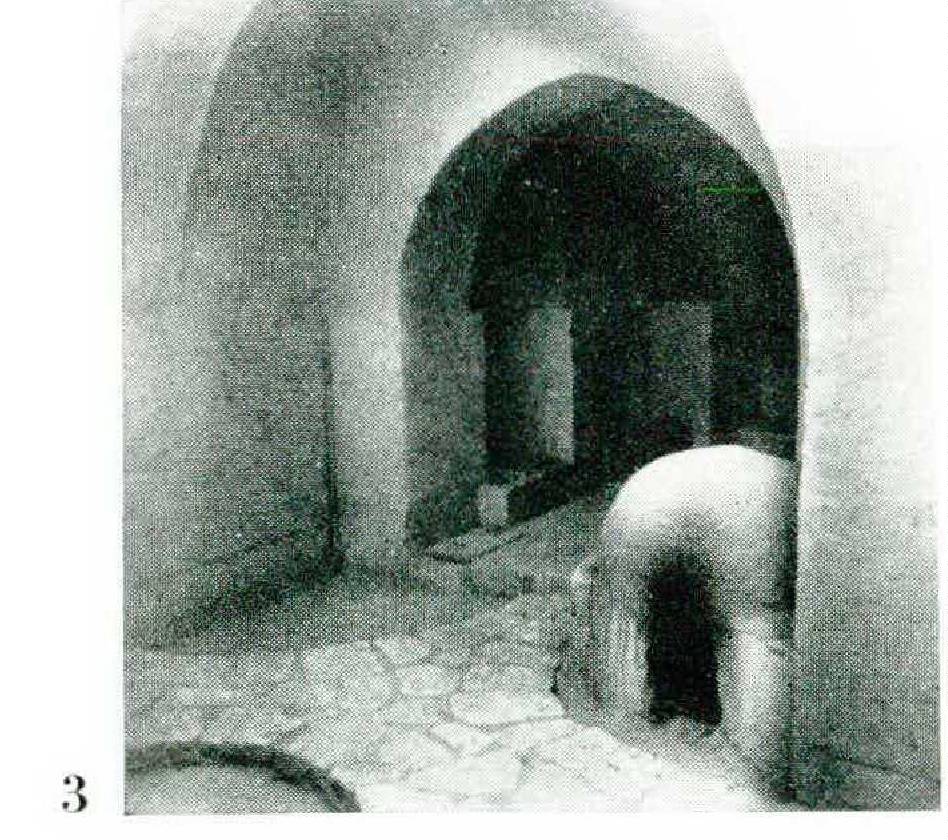
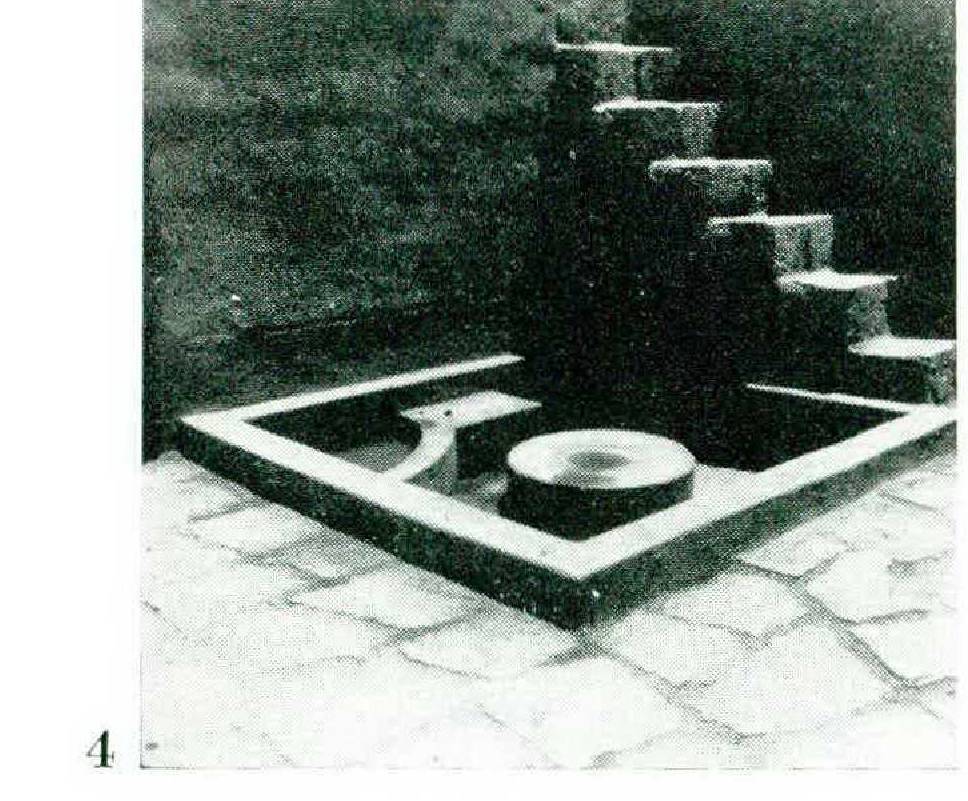
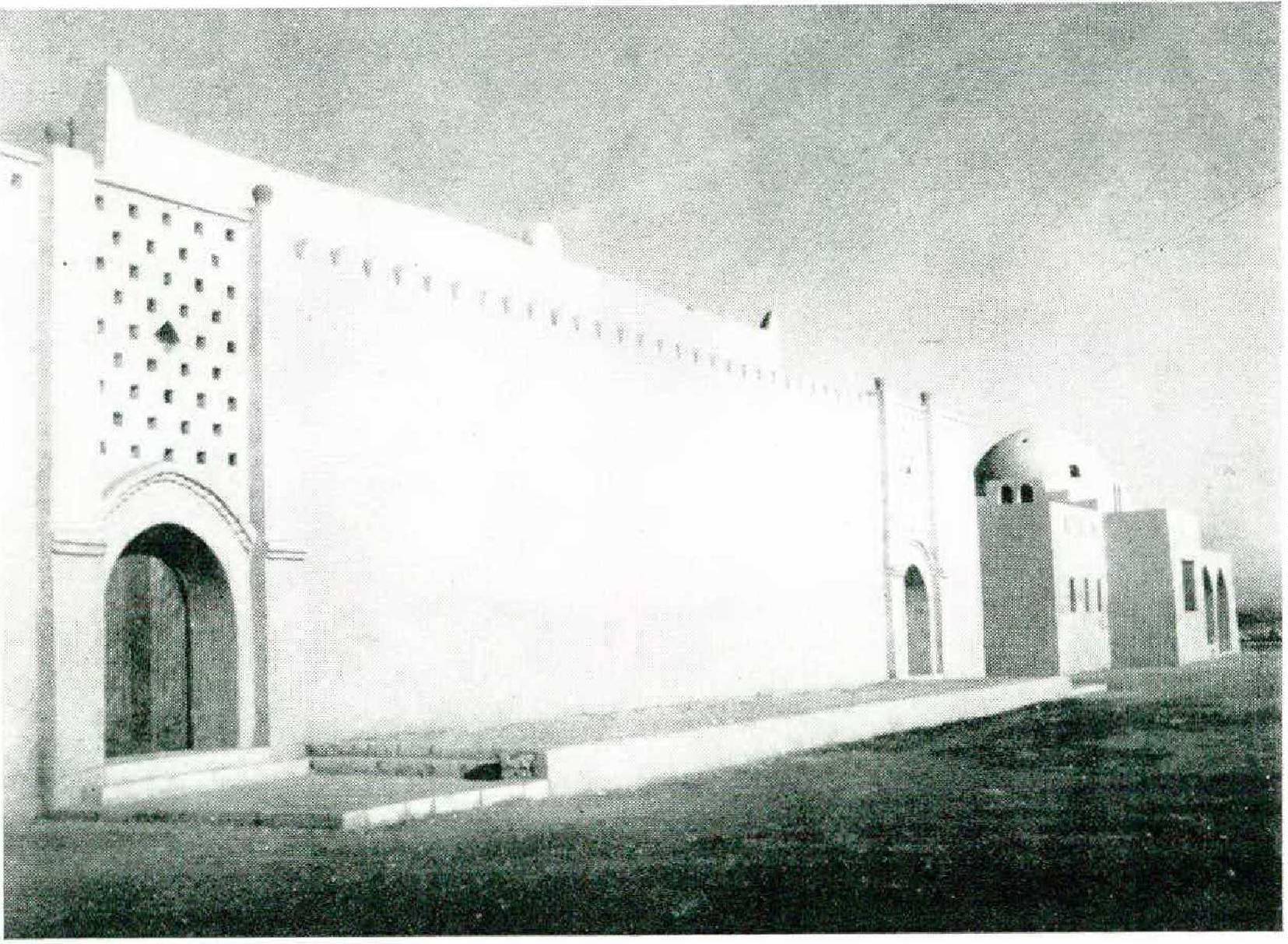
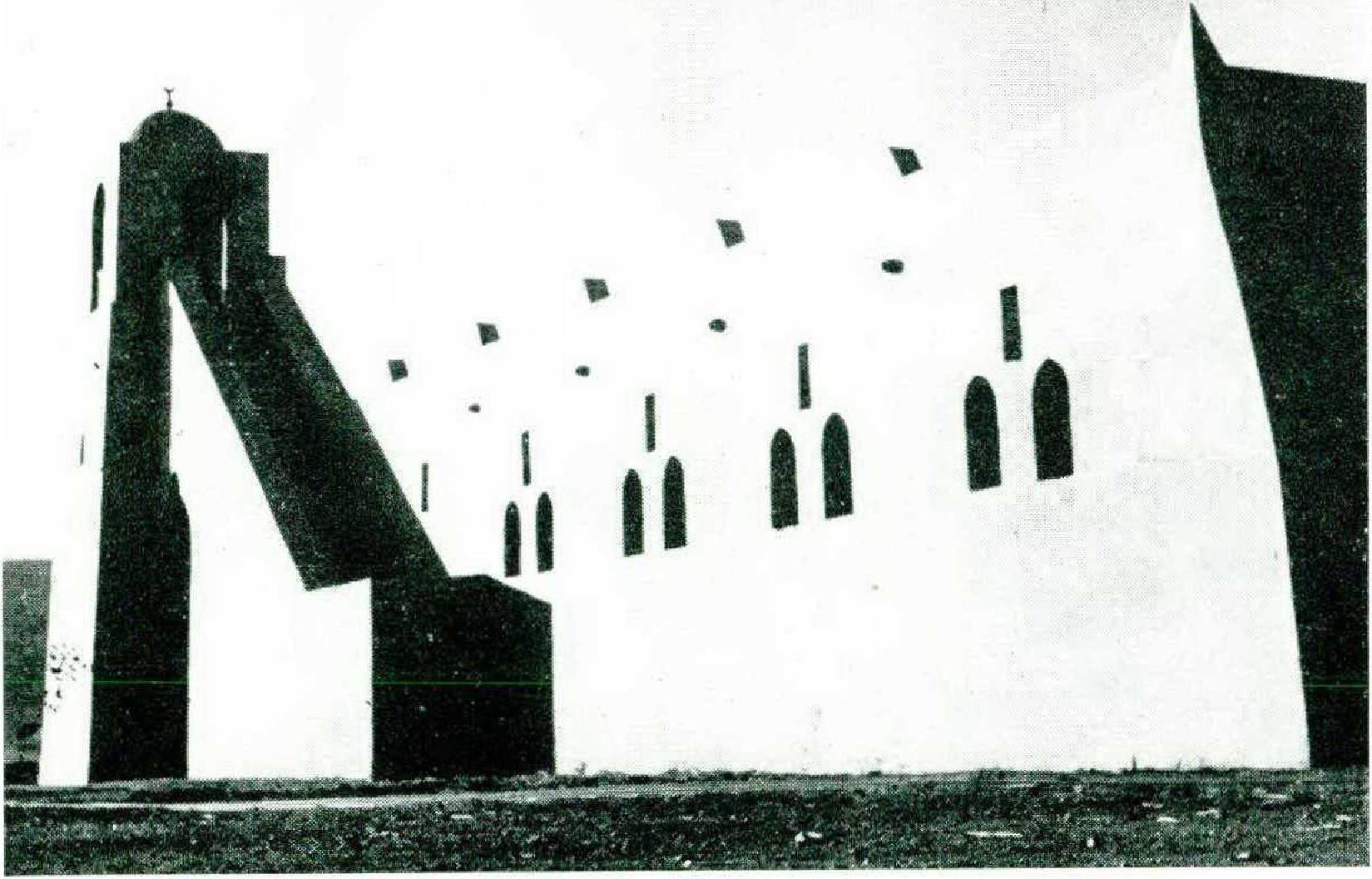
Both from an architectural and a sociological point of view, one of the most interesting projects among the development plans of the Arab states is Egypt’s resettlement of the village of Gourna. Some 7,000 impoverished villagers are being moved from hovels on an arid hillside near the ancient necropolis of Thebes at Luxor to a new site where adjacent land can be irrigated for cultivation. The new village of Gourna is being planned in detail by the architect Hassan Fathi, who has based his designs on the needs of the community’s traditional social structure and on the idea that the villagers must build for themselves, learning improved ways to use the local materials — chiefly sundried bricks made from mud and straw — which, with an average annual income of less than $100 per family, they can afford.
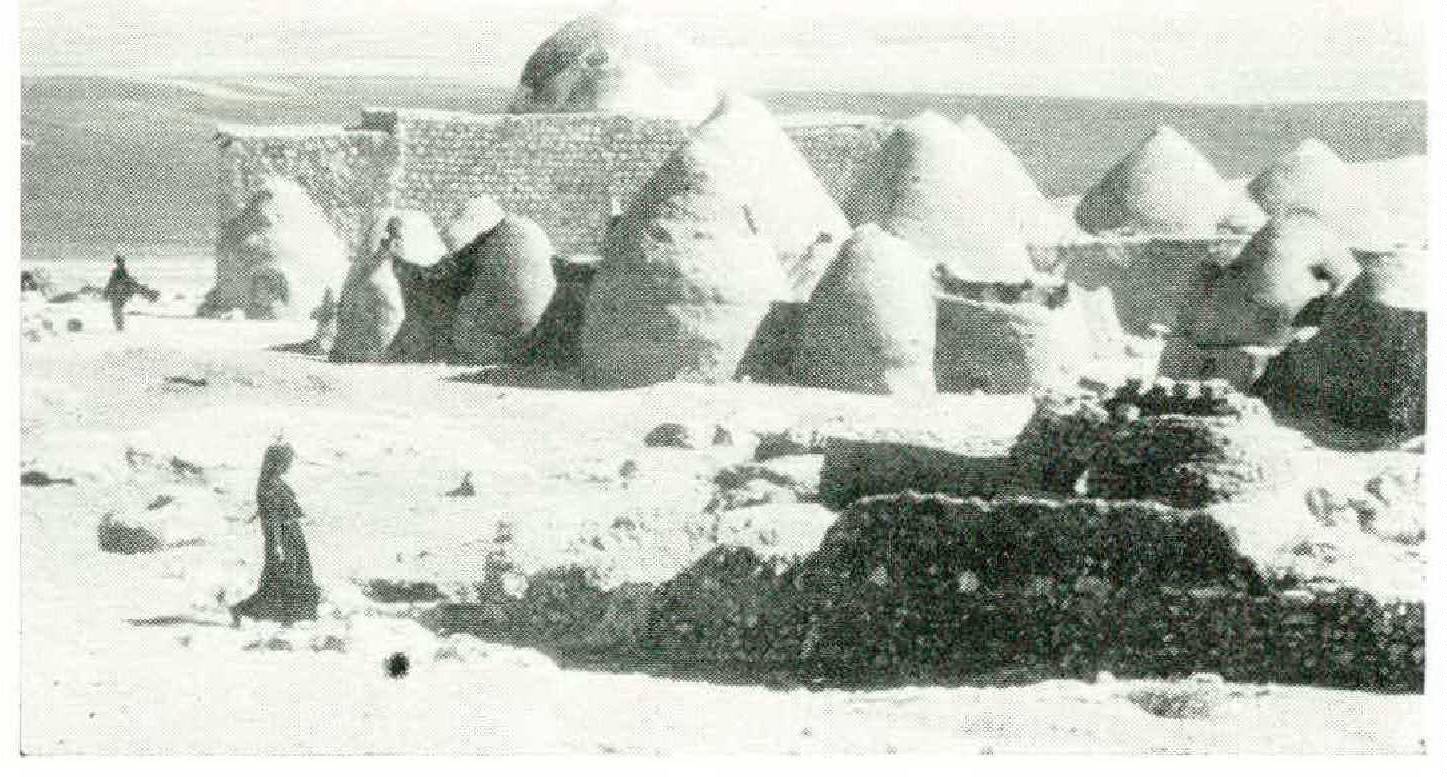
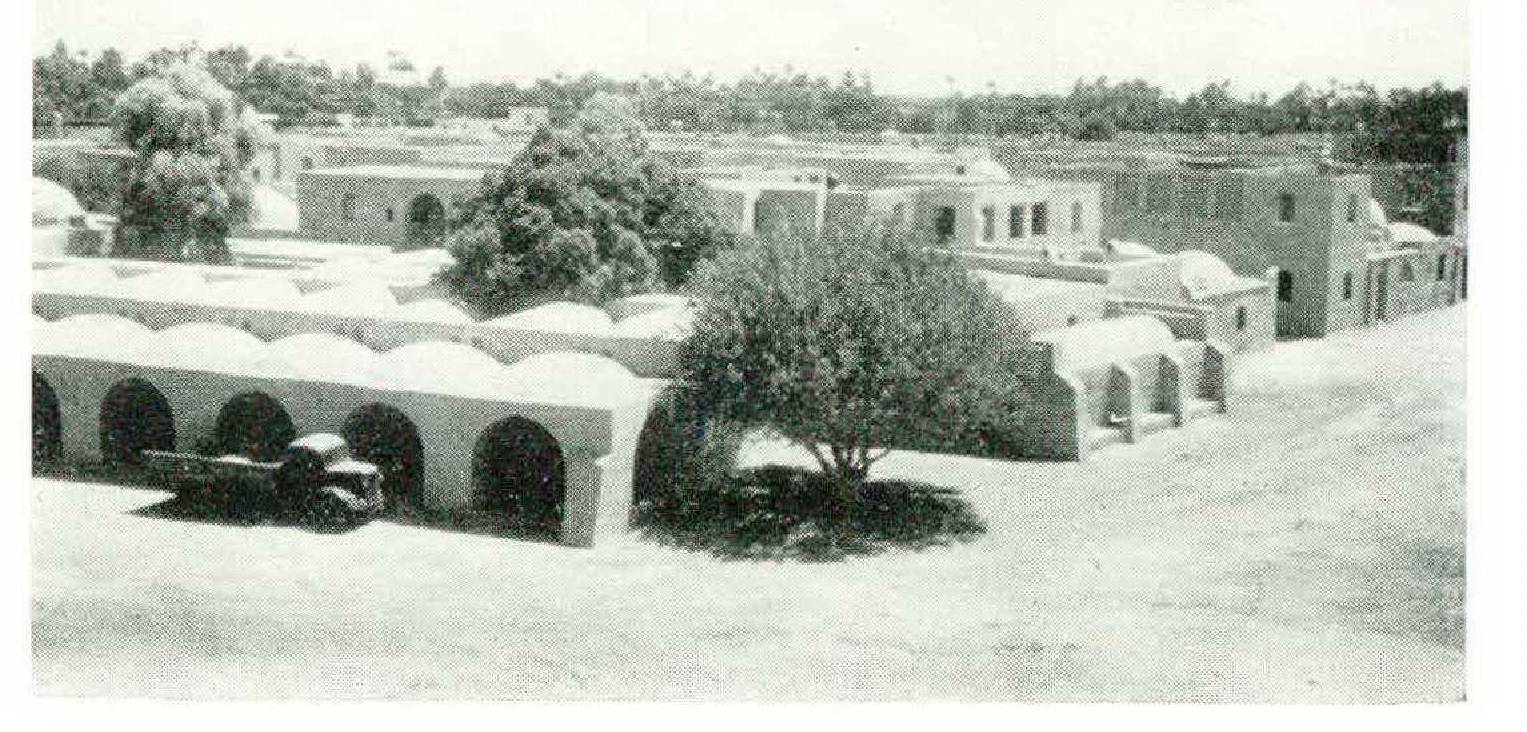
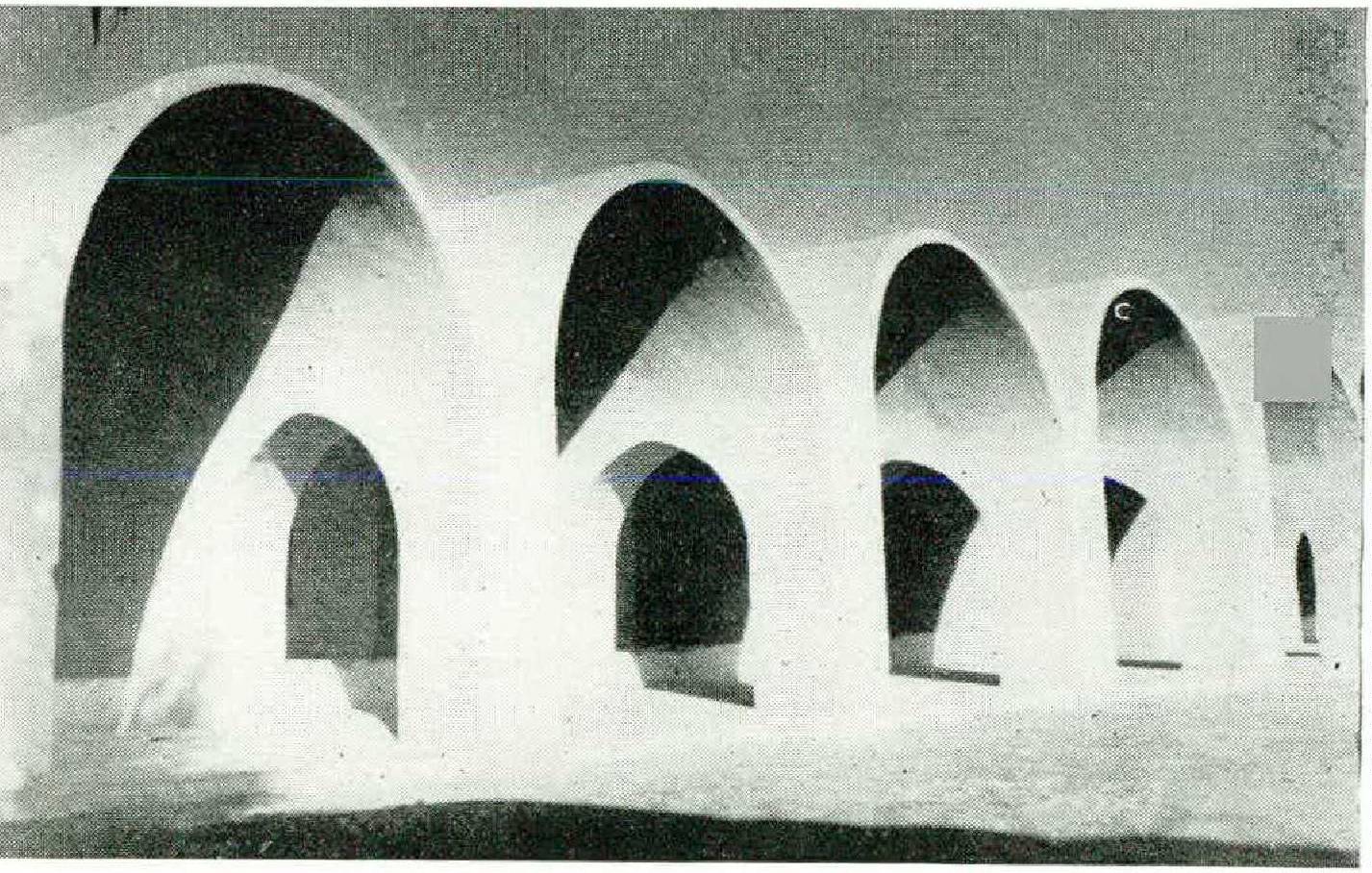
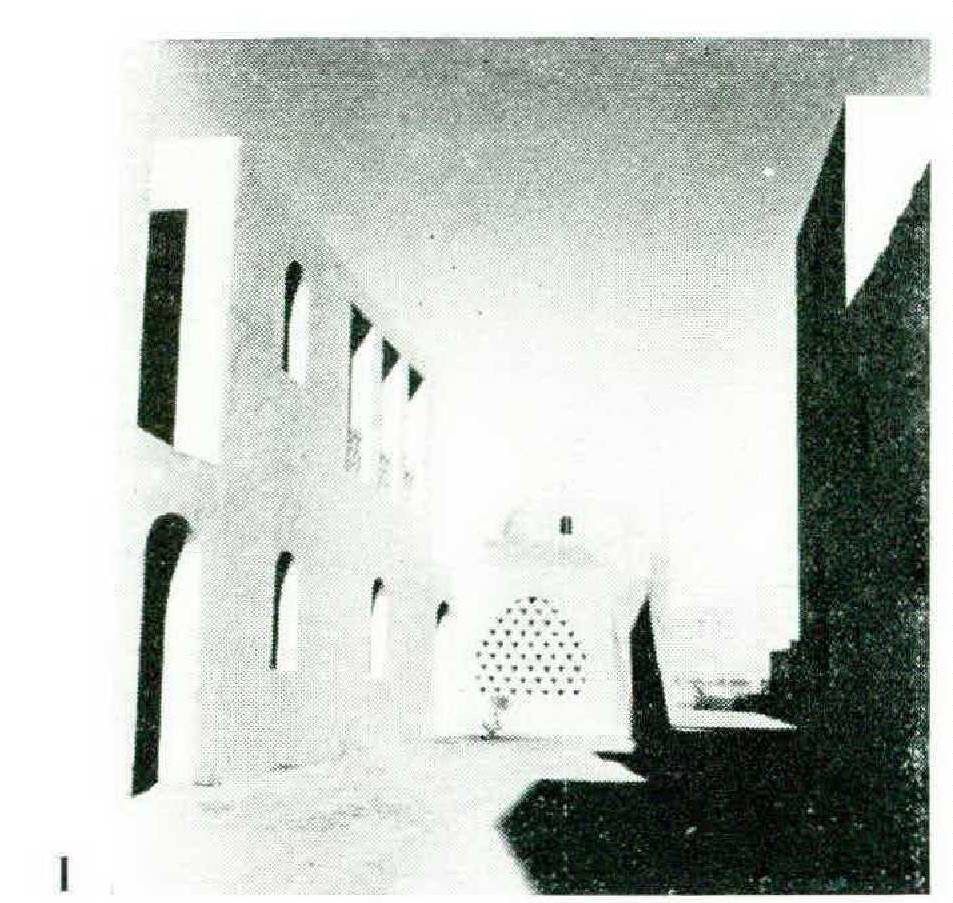
For the now village of Gourna, Hassan Fathi has preserved traditional motifs for decoration and revived some ancient yet still functional structural techniques, such as brick barrel-vault roofs which require no expensive lumber, and, for community buildings, a simple but effective air conditioning system which sucks a draft through a vertical shaft over beds of moistened charcoal. Separate stables for farm animals, covered manure pits, a clean water supply from neighborhood pumps, and proper drainage of waste will improve sanitation. Monotony has been avoided by varying the pattern of adjacent family-group dwellings and using frequent offsets in an irregular streel plan. Some of the Gourna youths trained as masons are already in demand to help reconstruct other nearby villages.
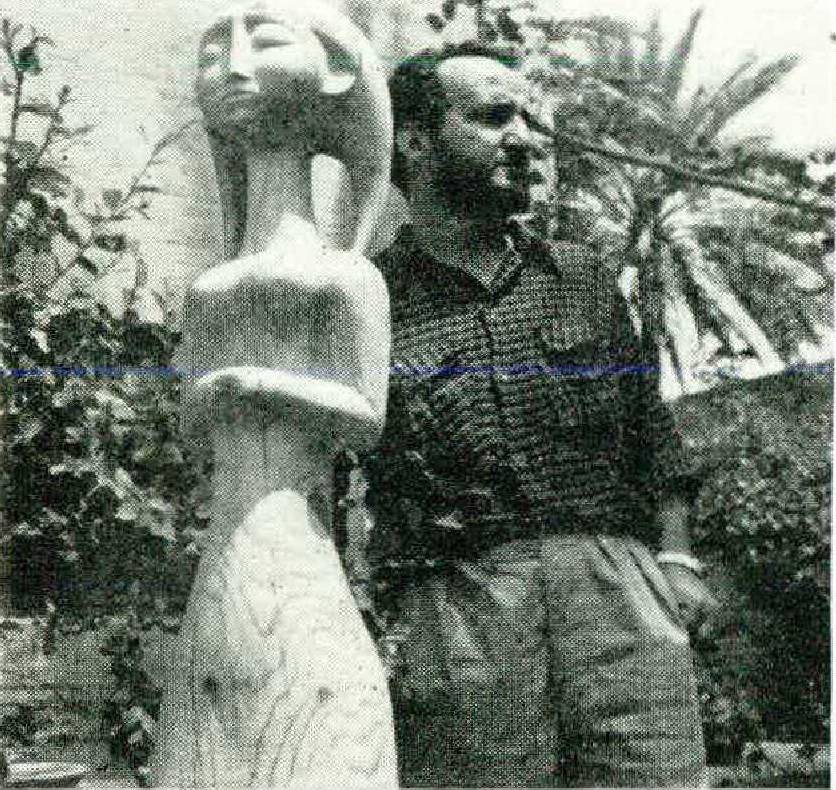
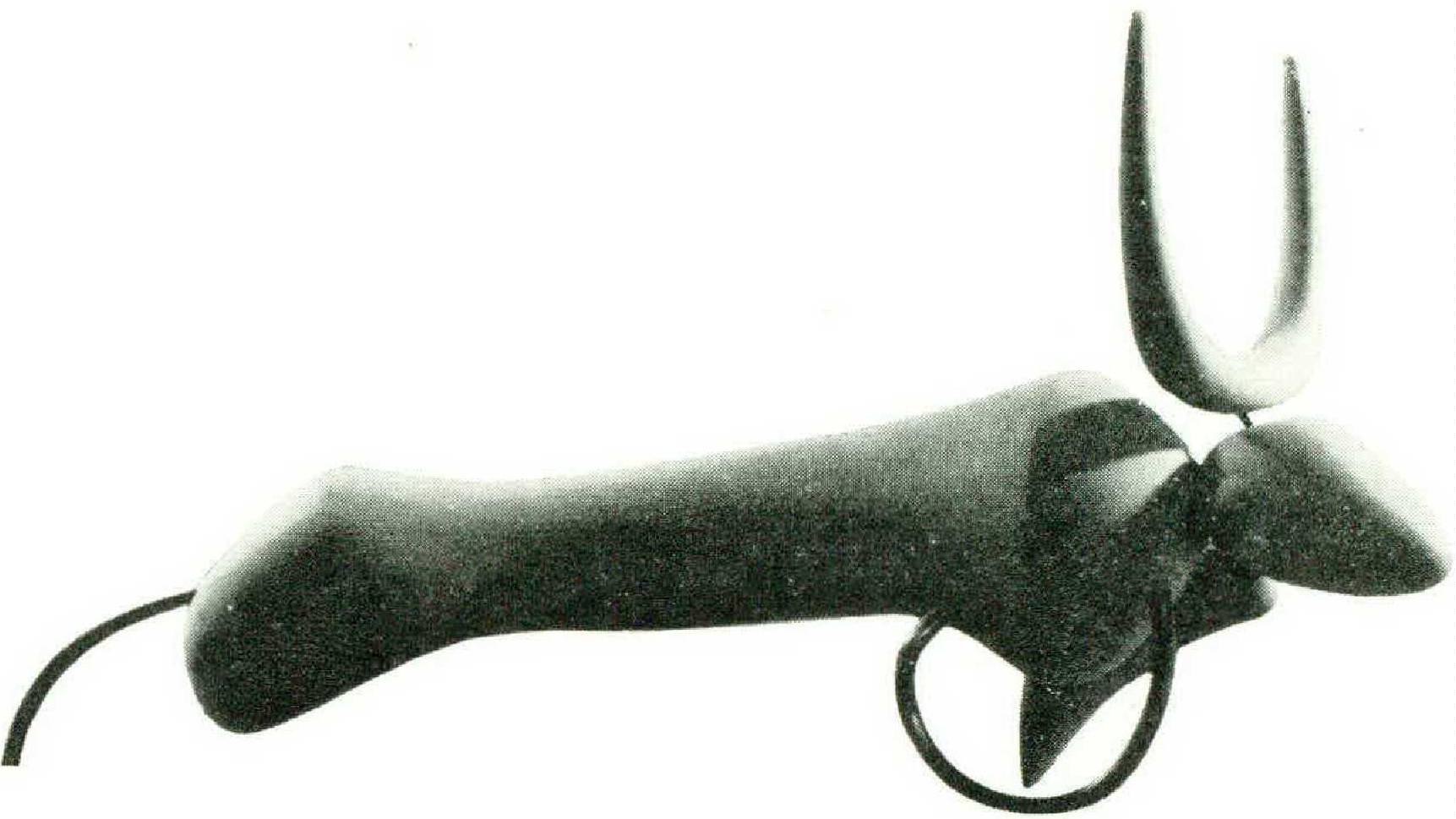
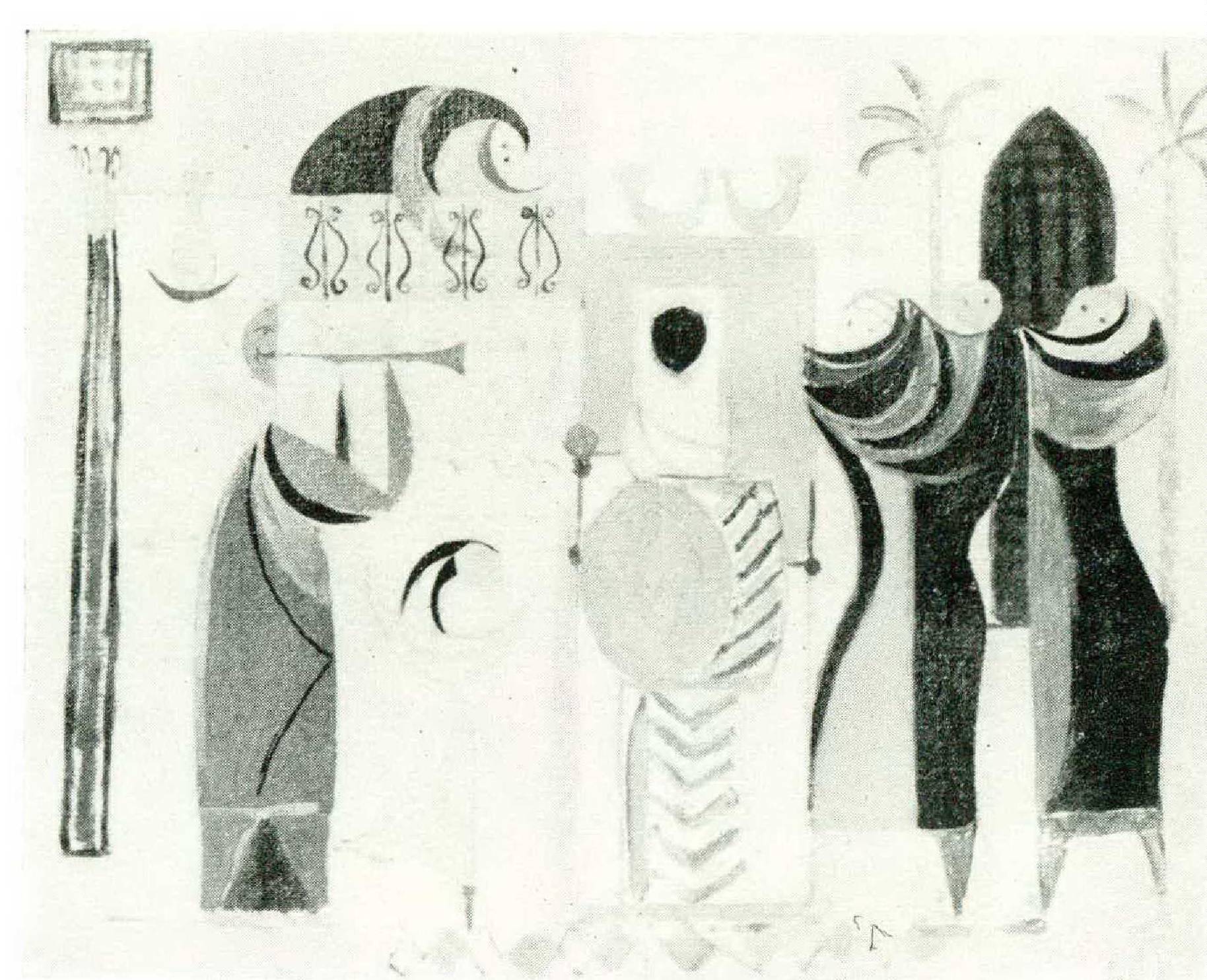
One of the most versatile and gifted of the younger generation of Arab artists is the Iraqi painter and sculptor Jewad Selim (born 1920). His talent won early recognition and it was made possible for him to study in Paris, Rome, and London. Returning to Baghdad, he taught sculpture at the Institute of Fine Arts and became the leader of Iraq’s Modern Art Group. Like many other Arab artists today, Selim is experimenting in various directions to find a personal idiom which will blend the past — the rich inheritance from the Islamic, Babylonian, and even Sumerian cultures — with the present as it reaches him from the West. In an earlier generation, the “father” of modern Iraqi painting was Abdel Kadir el-Rassam (1872-1951), whose romantic landscapes, animated with small figures, suggest the French primitive, Henri Rousseau, though, actually, it was the painters of nineteenth-century Turkey who first stimulated the artists of Iraq, before they were exposed to the modern movements of Europe.
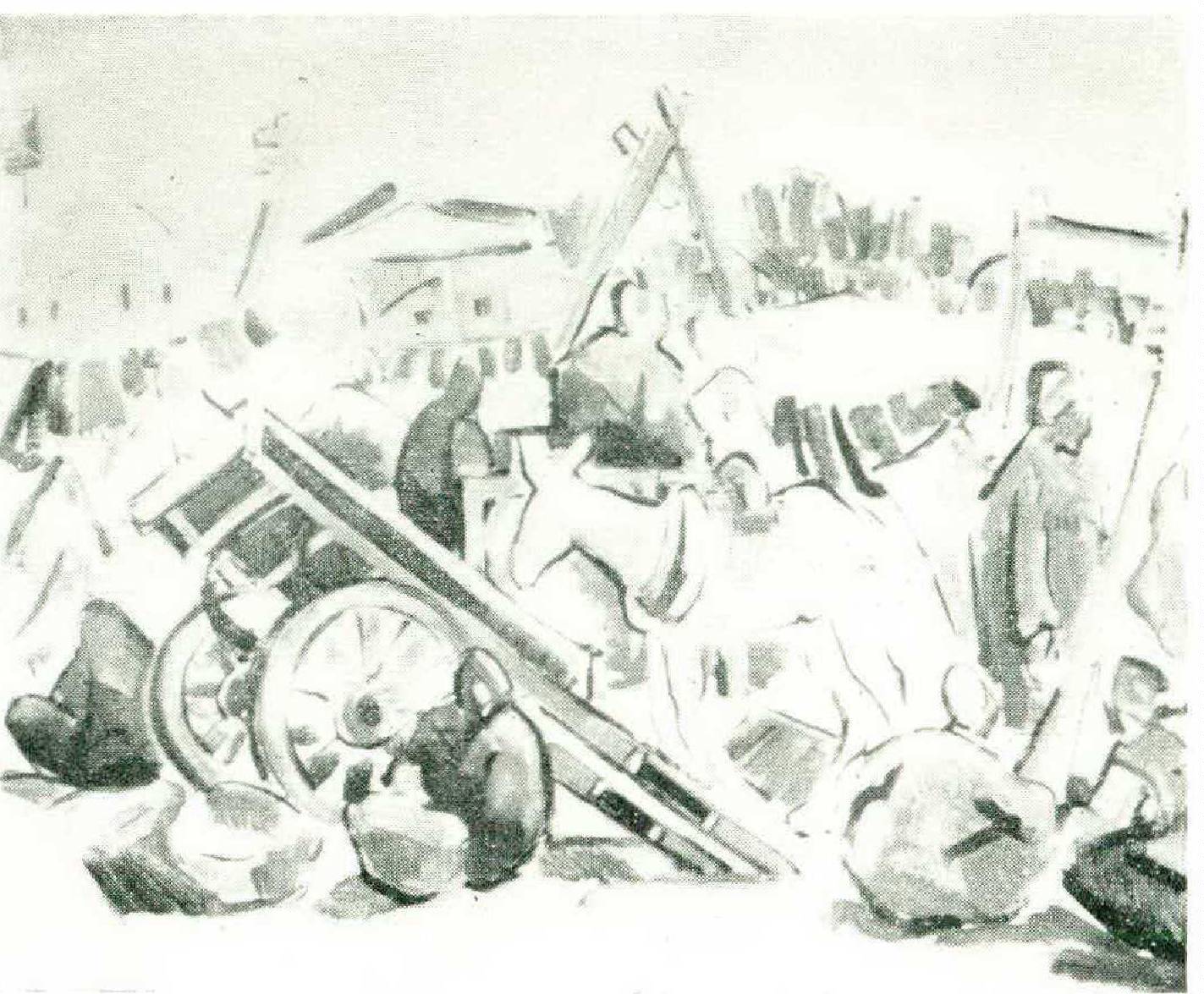
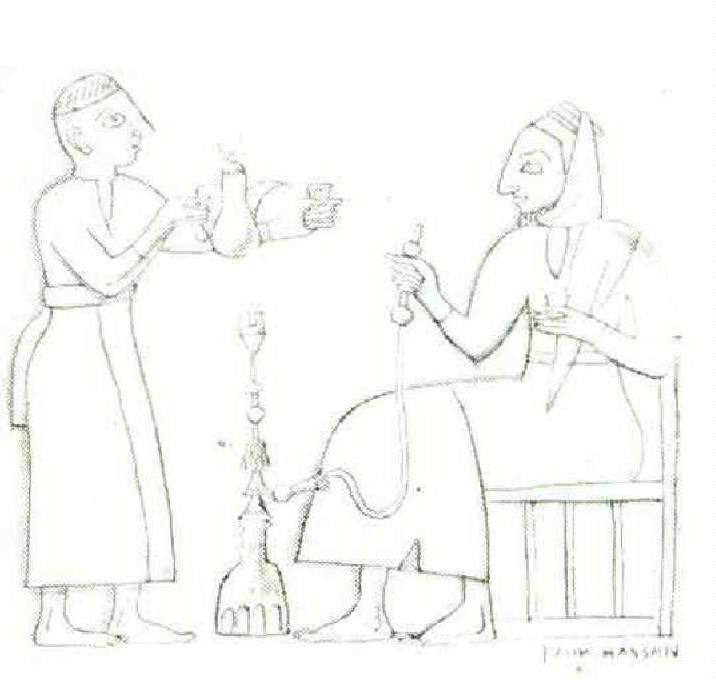
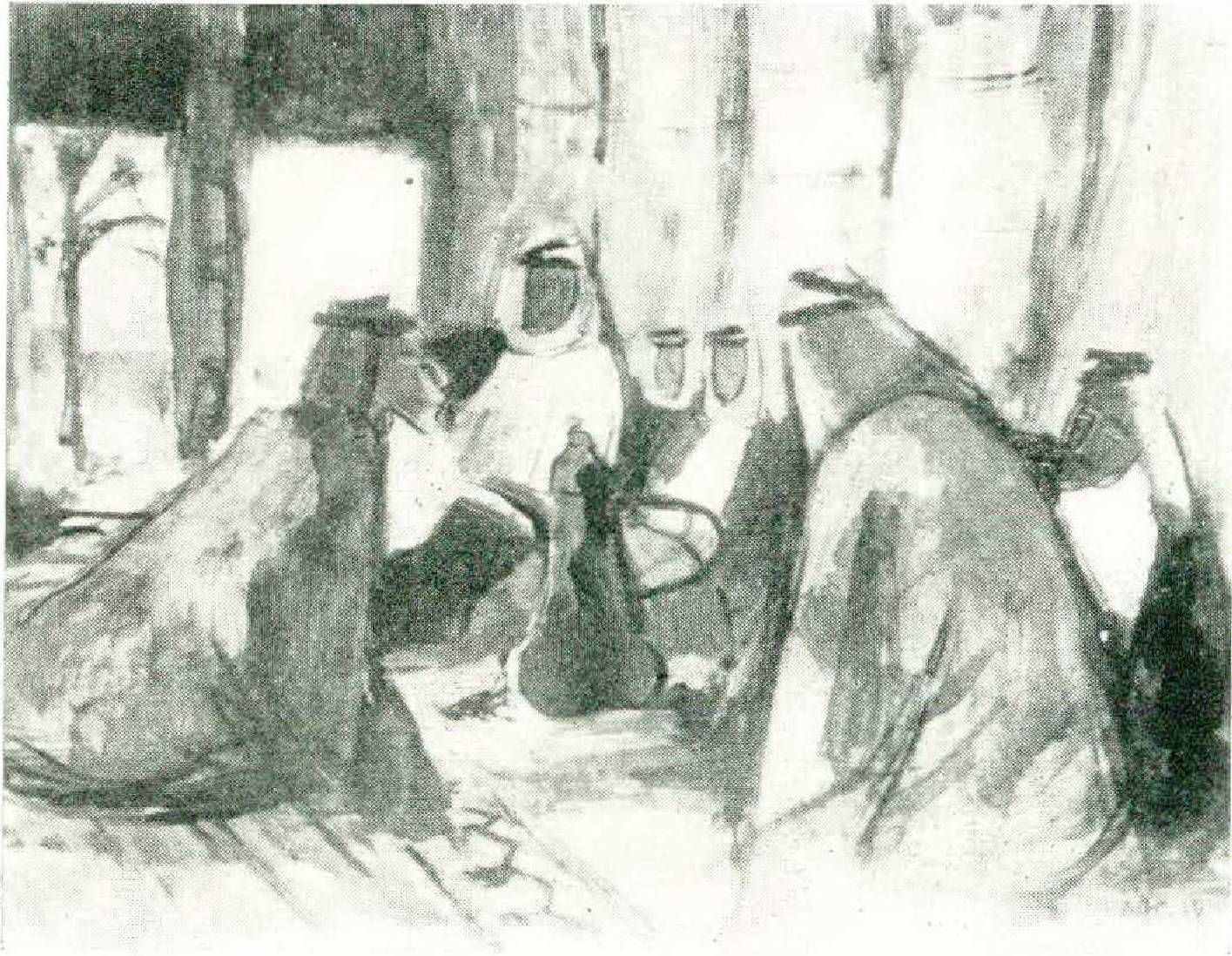
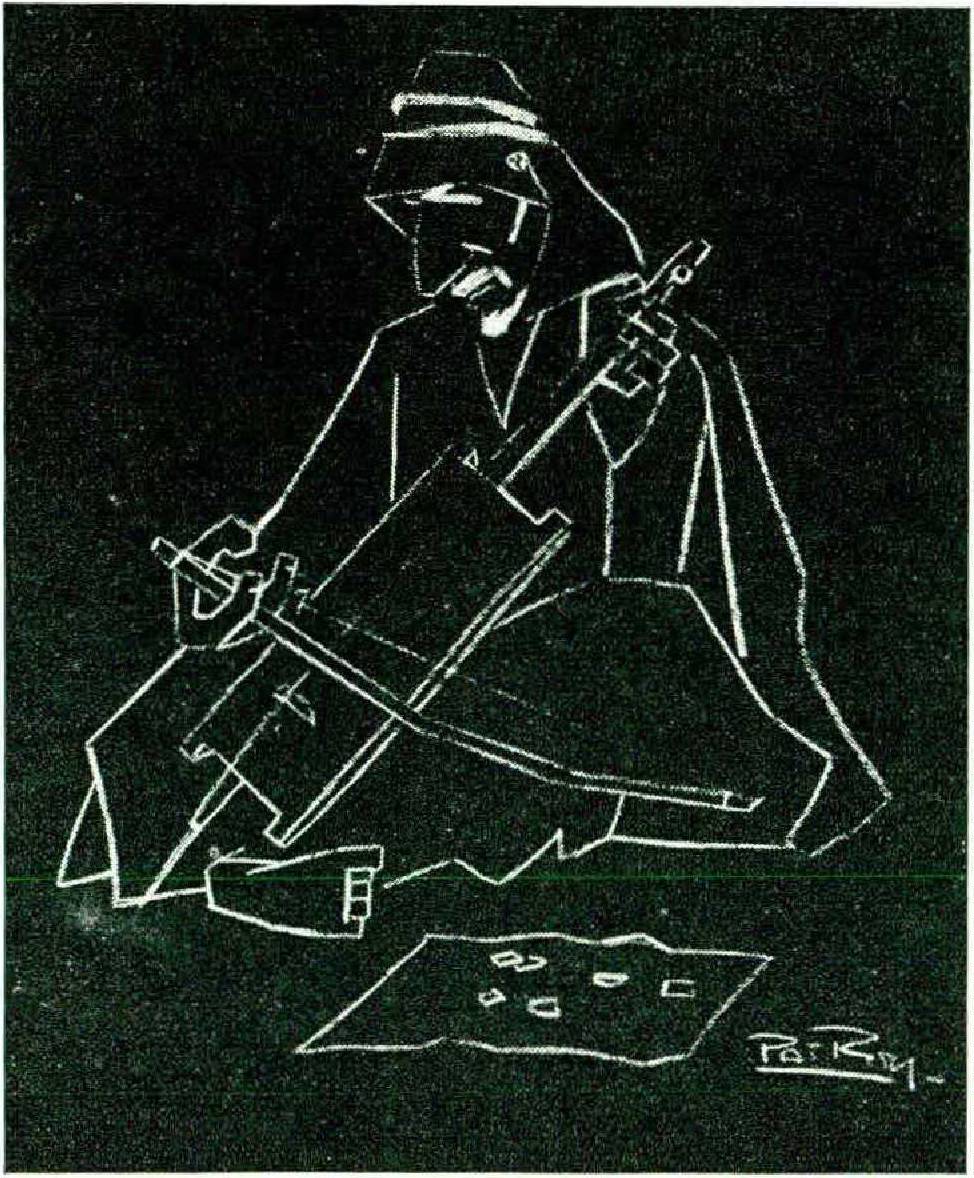
In the 1930’s, the Iraqi Ministry of Education sent five young men abroad to be trained in modern art techniques. Jewad Selim was one of them, Faik Hassan another. They came home painting like Europeans. And when the British sent Polish troops to Iraq during the war, there were among them some artists who further influenced the Iraqis along Western lines, especially toward an impressionistic style. This tendency is still evident in much contemporary work, though Faik Hassan, looking for inspiration to the scenes and customs of his own land and people, has gradually achieved a style of Ins own which is powerful and distinctive. Pat Roy (born 1931) grew up in Baghdad and did commercial art work for an oil company. In 1955 he came to the United States and has been studying and painting at Miami University in Oxford, Ohio. His Blind Minstrel was engraved on crystal for Steuben Glass.
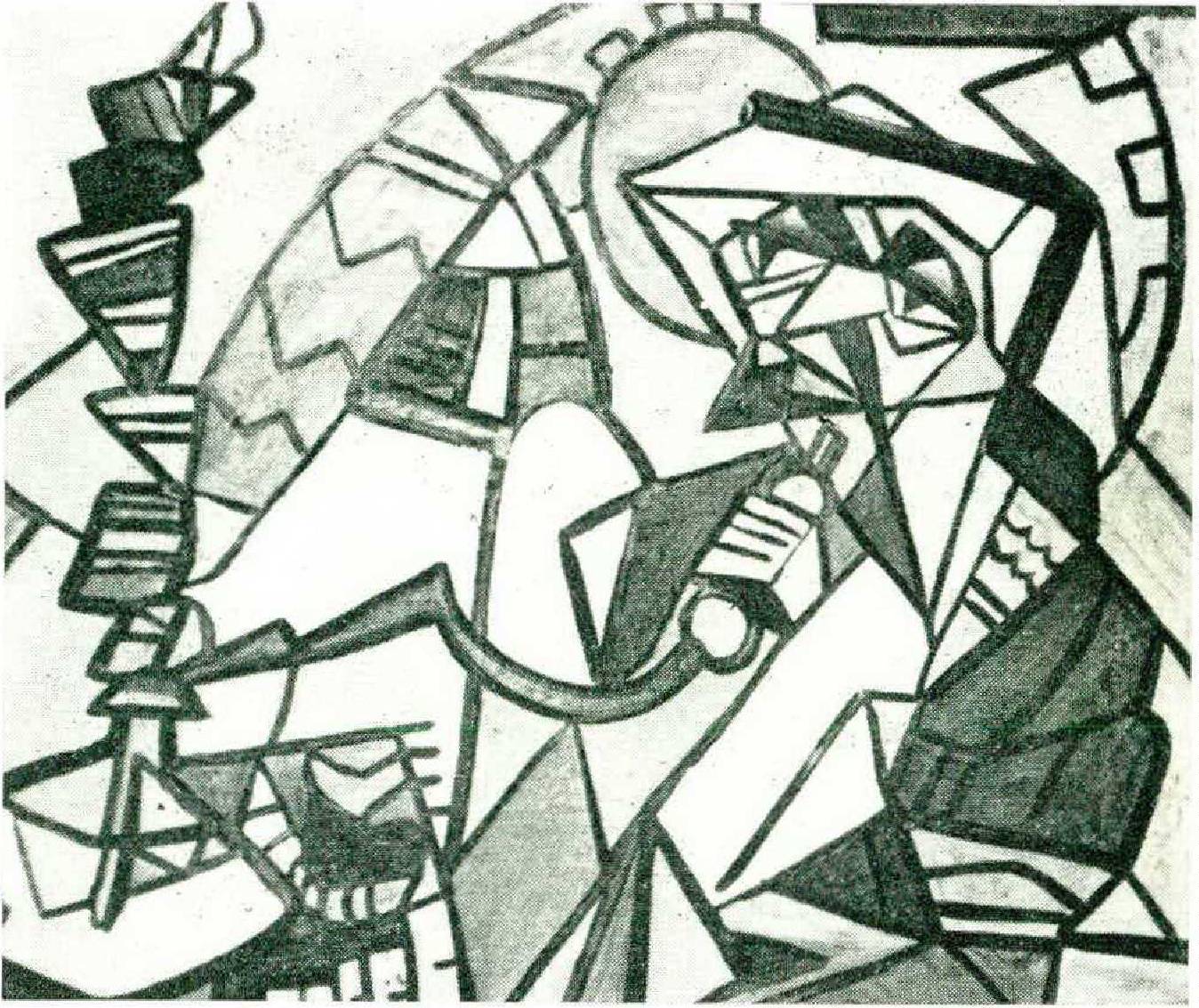
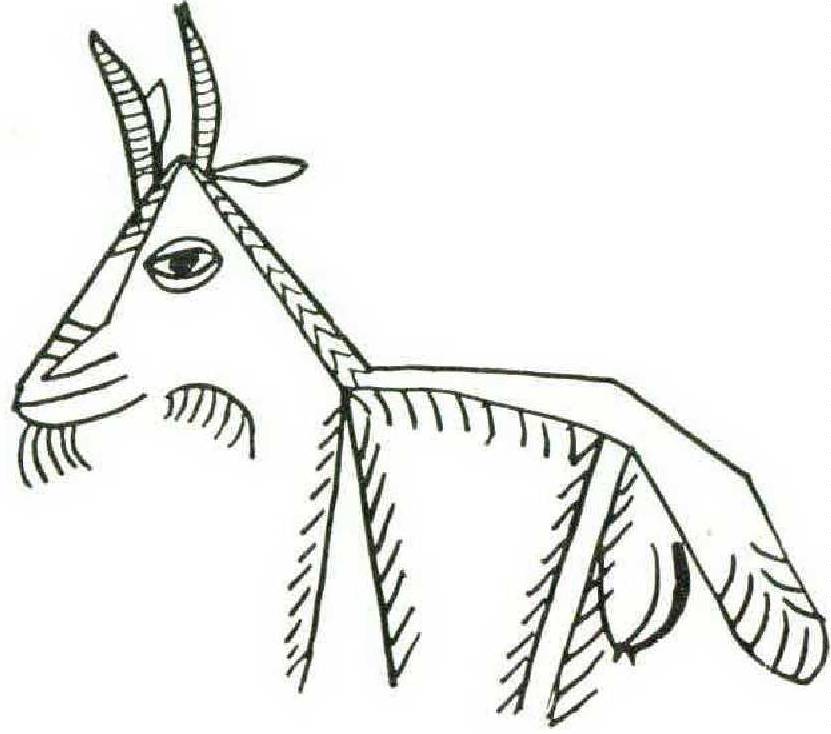
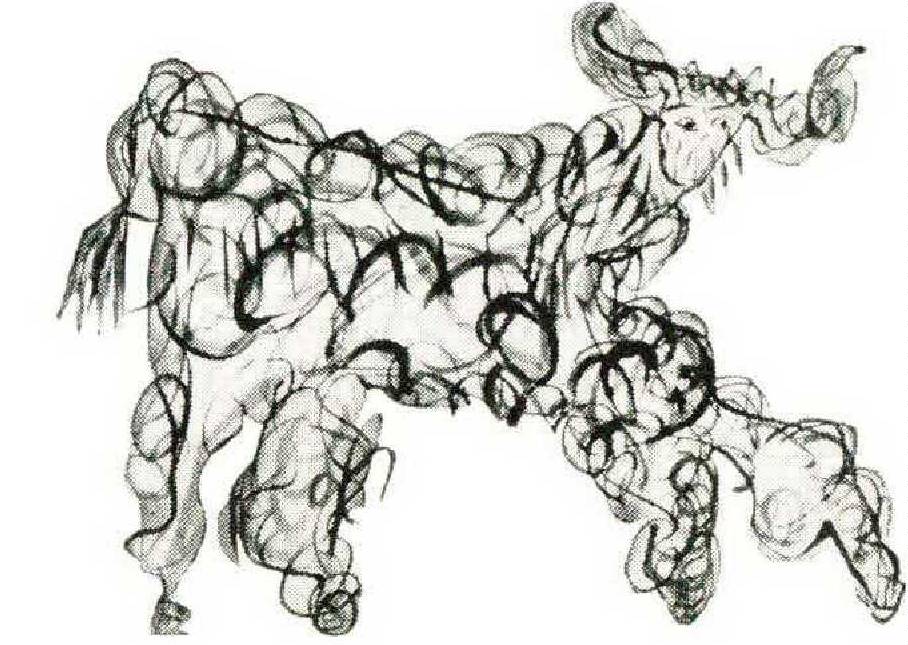
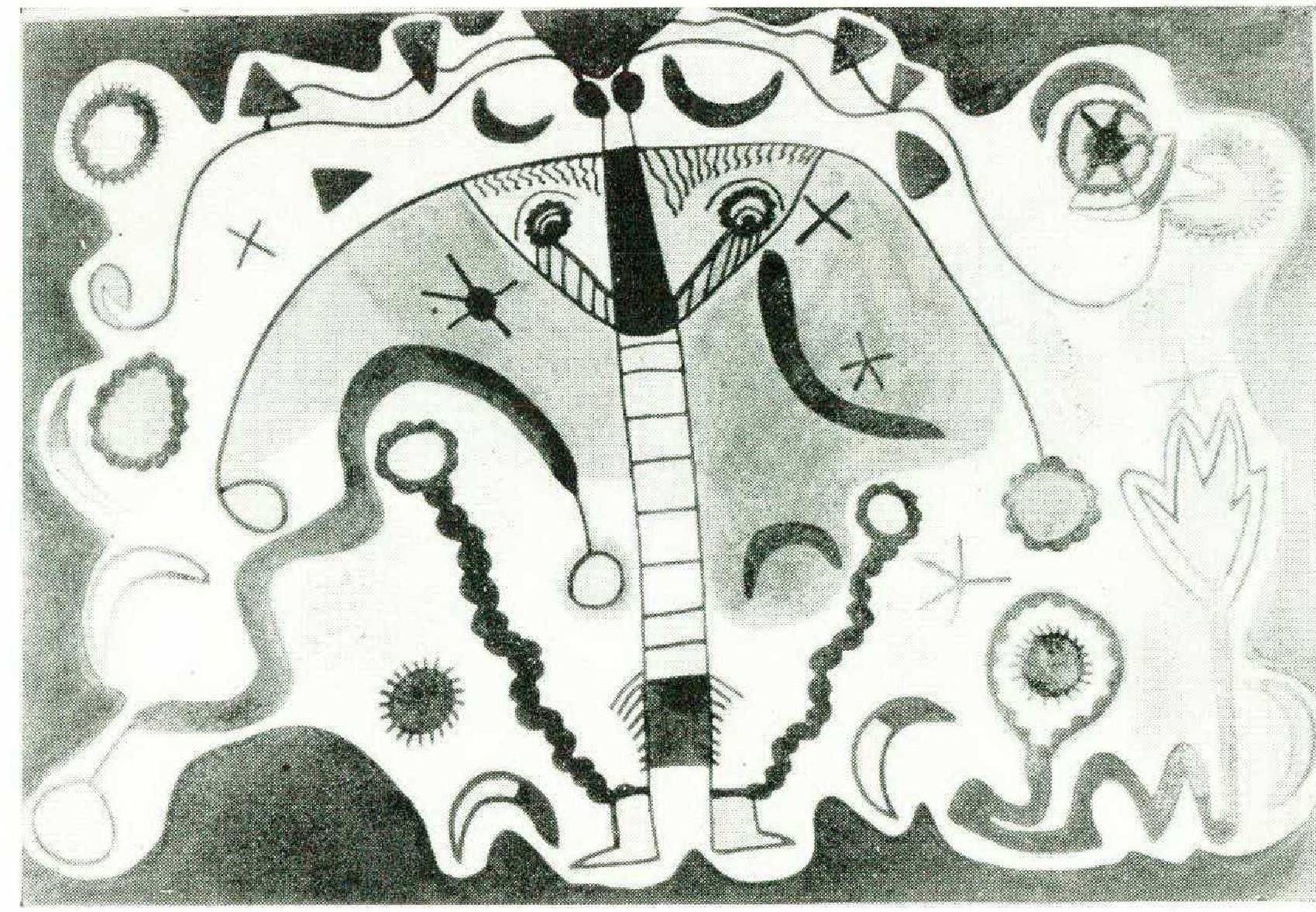
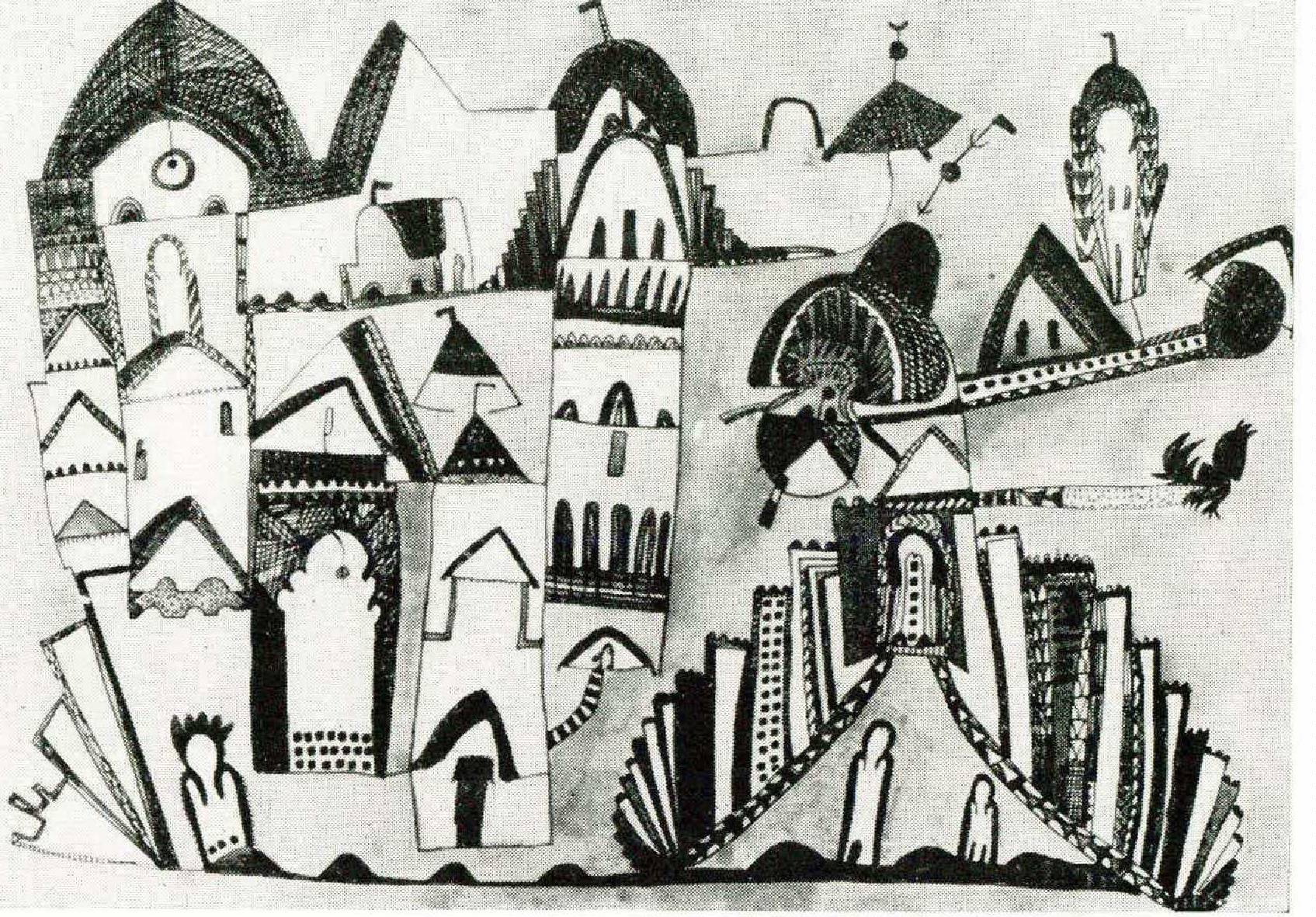
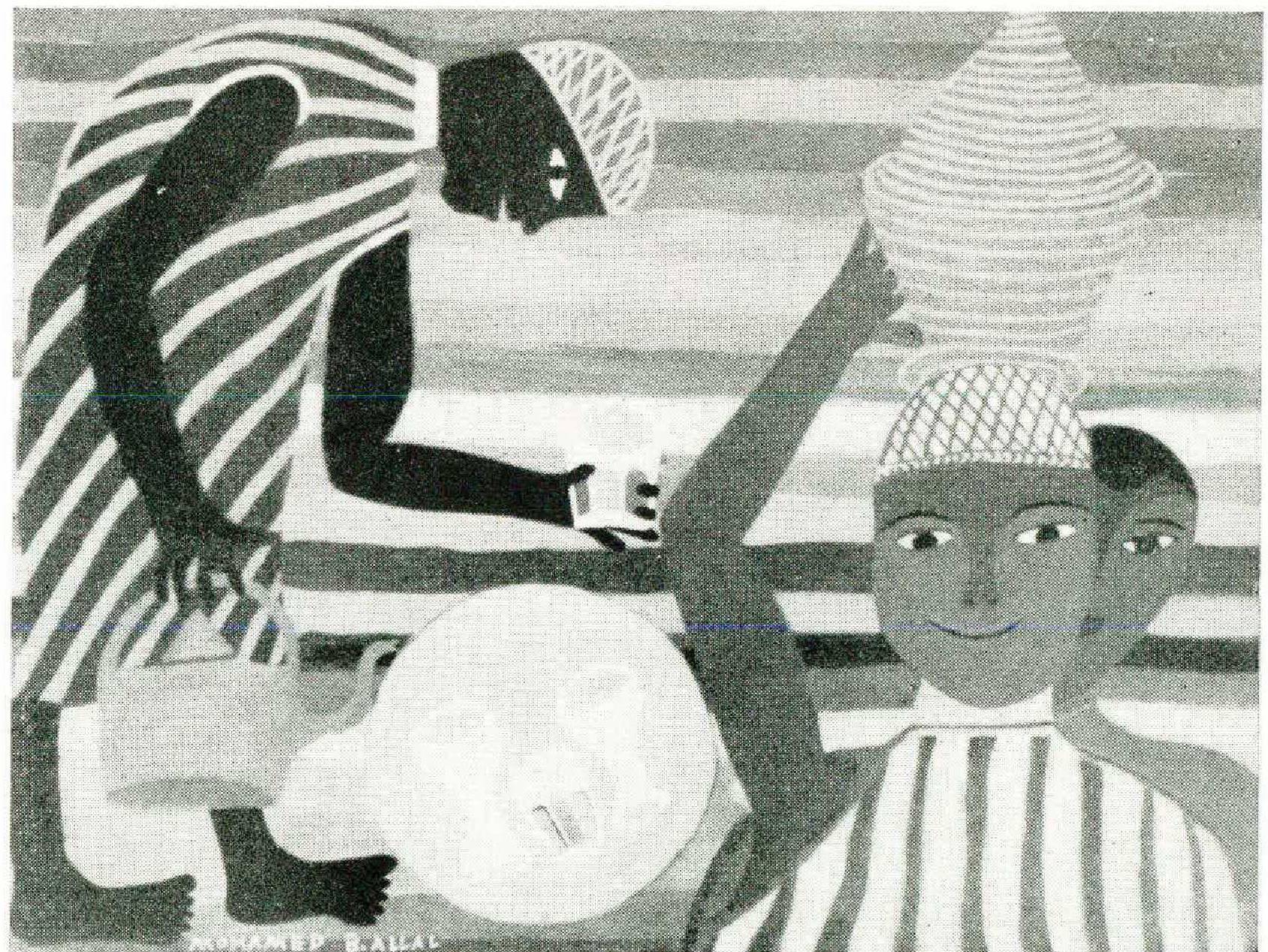
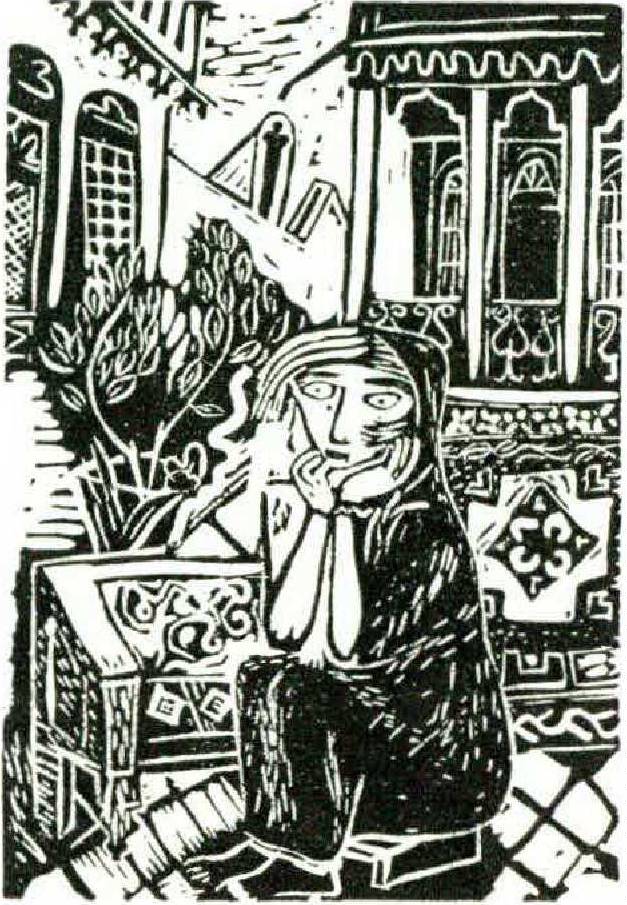
Close contacts with France have helped to stimulate a vigorous art movement among the Arabs of North Africa, a number of whom have emigrated to Paris and become highly Europeanized. But the three young North African painters illustrated on this page, though at least one of them, Ahmed el-Yacoubi, has traveled extensively, have remained close to the folk-art tradition, achieving a simple gaiety and spontaneity which give their work the appeal of the stylized primitive. Yacoubi and Hamri live in Tangiers, Ben Allal in Marrakech.