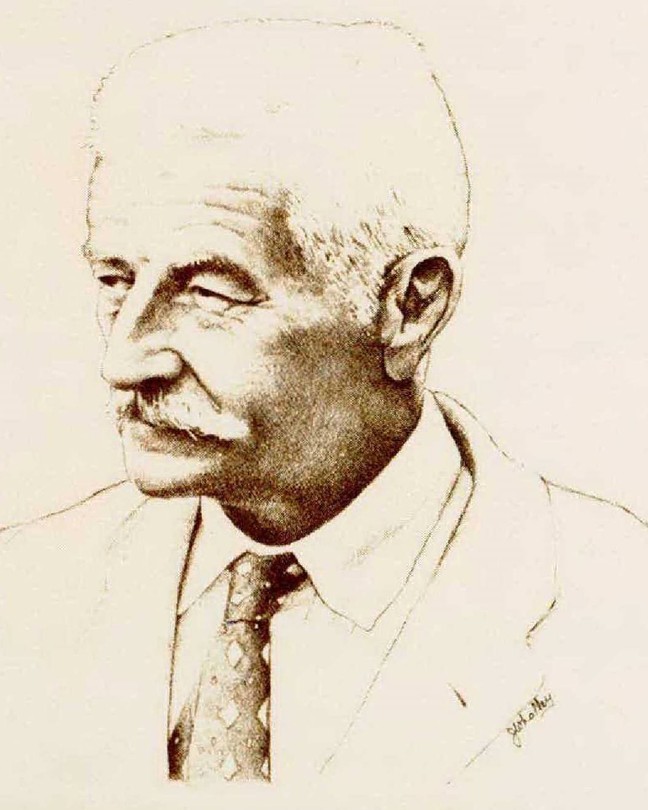
Editor’s Note: Precisely when Faulkner wrote “Evangeline” is not known. Certainly he completed it by mid-1931, if not months or years earlier. Desperate to earn the sort of substantial income he was not receiving from the sale of his novels, on July 17, 1931, Faulkner submitted it to the Saturday Evening Post, which paid the highest prices for fiction of any magazine of the period. The Post immediately rejected it, and Faulkner sent it out again on July 26 to the Woman’s Home Companion, which also turned it down. Either discouraged or aware that “Evangeline” contained material more appropriate for a full-length novel, Faulkner put it aside for two and a half years. When he picked it up again in early 1934, he evidently saw the rich possibilities in this neo-Gothic detective story, for he made it the narrative core of the novel he then called A Dark House, after the rotting Sutpen mansion, adding material from stories called “Wash” and “’The Rig Shot” and changing the names and personalities of some of the characters. This work evolved into Absalom, Absalom!, published in 1936. Thus Faulkner, by a complex process of revision and expansion, gradually transformed “Evangeline” into a central portion of his greatest novel. This brief tale of murder and miscegenation, though less adroit than some of his other stories, shows Faulkner developing an intricate device he would employ effectively in subsequent novels—the use of multiple narrators who reconstruct and become deeply involved in a violent, mystifying story from the past which unfolds in a series of shocking revelations. — Introduction by Judith Wittenberg, author of a forthcoming book on Faulkner