Word Histories: Etymologies Derived From the Files of the Dictionary of American Regional English
blooper
When Truett Banks (Rip) Sewell, a former pitcher for the Pittsburgh Pirates, died last September, he was remembered in obituaries for a special blooper pitch known as the eephus ball. The eephus was a high arching pitch that often reached a height of twenty-five feet before plummeting toward the plate.
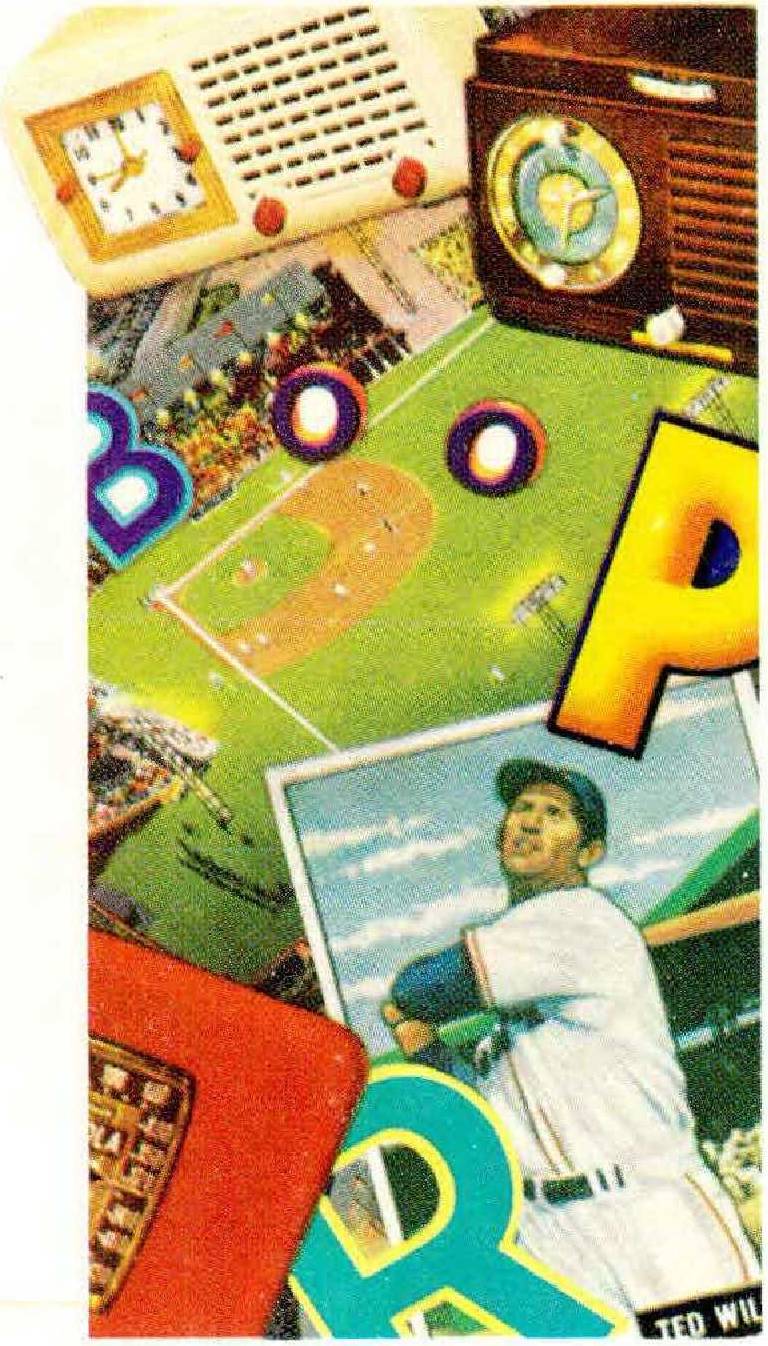
Sewell was successful with the unorthodox pitch until he lobbed one too many to Ted Williams in the 1946 All-Star Game, and Williams hit a home run. Sewell referred to the pitch hit by Williams as a “Sunday Super Dooper Blooper.” The term blooper as applied to baseball emerged in the 1930s and first meant a lofting fly ball hit to the space behind the infield and in front of the outfielders. (Such a hit has many other names, of course: H. L. Mencken’s list includes Texas leaguer, rubber, sinker banjo, humpie, and squib.) The oldest meaning of blooper (c. 1926) is a radio whose frequency causes other radios to howl or bloop, bloop being a fanciful imitation of the sound in question. It was probably the blooping sound’s brevity and unexpectedness, reinforced by the similarity of loop (the blooper fly ball was also called a looper), that created the baseball usage. Similarly, the inappropriateness of a radio’s suddenly blooping gave blooper the figurative sense of a publicly embarrassing blunder. As for eephus, the word is probably borrowed from an expression used in crap shooting.
sucker
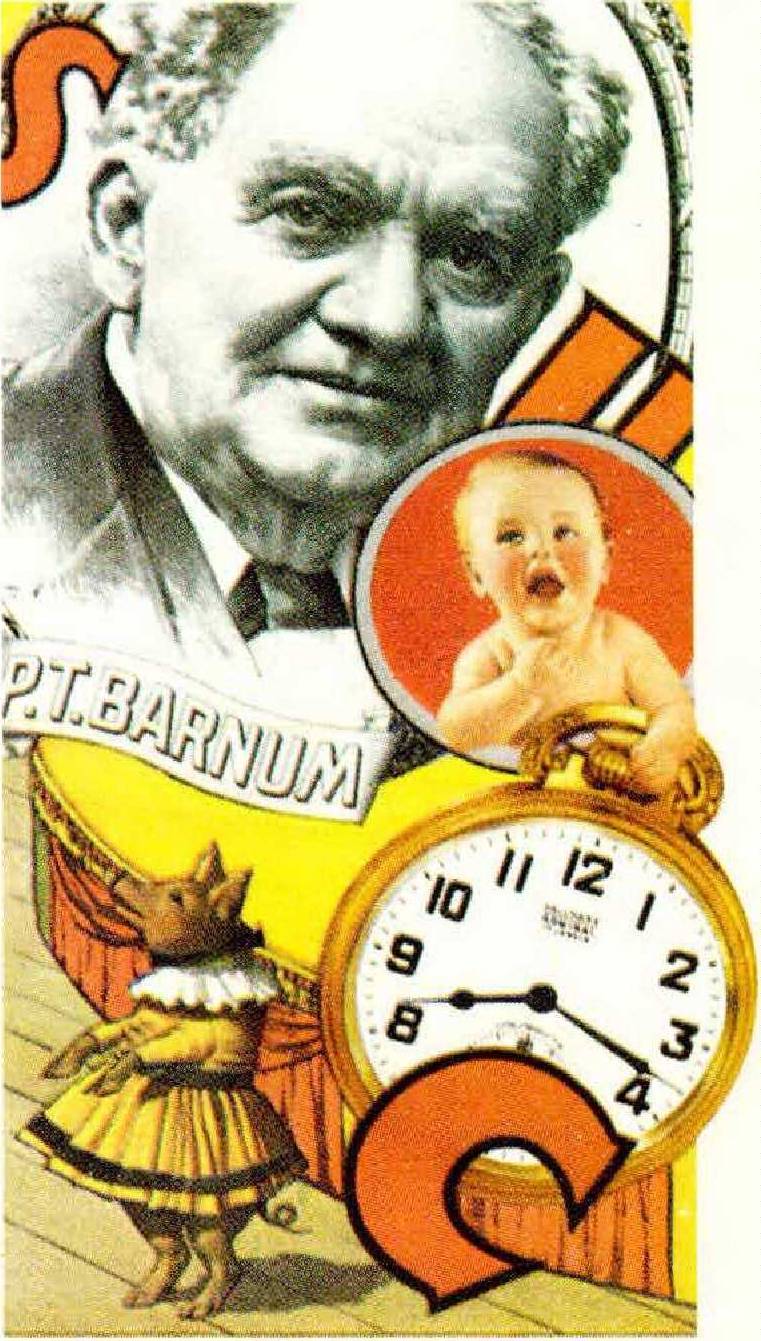
The question in the minds of the reporters at Congressman Barney Frank’s press conference last August was, Would he run for re-election? Frank admitted to being involved with a male prostitute who ran a sex-for-hire ring out of Frank’s apartment. “I do not think I am going to be heavily penalized by the voters for the fact that I was suckered,” Frank said, hinting strongly that he would run. In Middle English (c. 1380) a sucker (spelled soaker) was an infant still feeding at its mother’s breast. More commonly the term referred to an unweaned animal. Early in the nineteenth century sucker came to be used figuratively for a gullible person or a simpleton—one who, like a child, is naive and inexperienced. A quote attributed to P. T. Barnum embodies both the childish and foolish senses of the word: “There’s a sucker born every minute.” (Sucker at the time was a common circus term for a patron.) By the 1930s the noun sucker had spun off the verb to sucker meaning to trick or hoodwink. The noun sucker has another meaning that is relevant to Frank’s
situation: it can refer to a person who lives at the expense of another, by either extortion or parasitism. Edward Hall, a sixteen th-century chronicler, wrote of the “flatterers to the kyng [Henry VI] . . . suckers of his purse and robbers of his subjects.” The Scottish poet Allan Ramsay produced the following in 1728: “This sucker thinks nane wise, But him that can to immense riches rise.”
protocol
The commemoration last year of the fiftieth anniversary of the outbreak of the Second World War brought vocal protests in Estonia, Latvia, and Lithuania aimed at the “secret protocols” to the MolotovRibbentrop pact of 1939, which provided for the division of Poland and the Baltic states between Germany and the Soviet Union. Although pacts like that one have no doubt been concluded since the invention of writing, and probably before, they have been called protocols only since the Middle Ages. The English term is borrowed from Middle
French prothocole (the draft of a document or the record of a transaction). This in turn was borrowed from Medieval Latin protocollum, which had the same meaning, but additionally had the older, Greek sense ofprotokollon (the first sheet or
flyleaf of a manuscript). That word derives from proto (first) and kolla (glue), and referred to a sheet glued to the outside of a papyrus roll. It recorded the date and described the contents and origin of the unbound document, and allowed
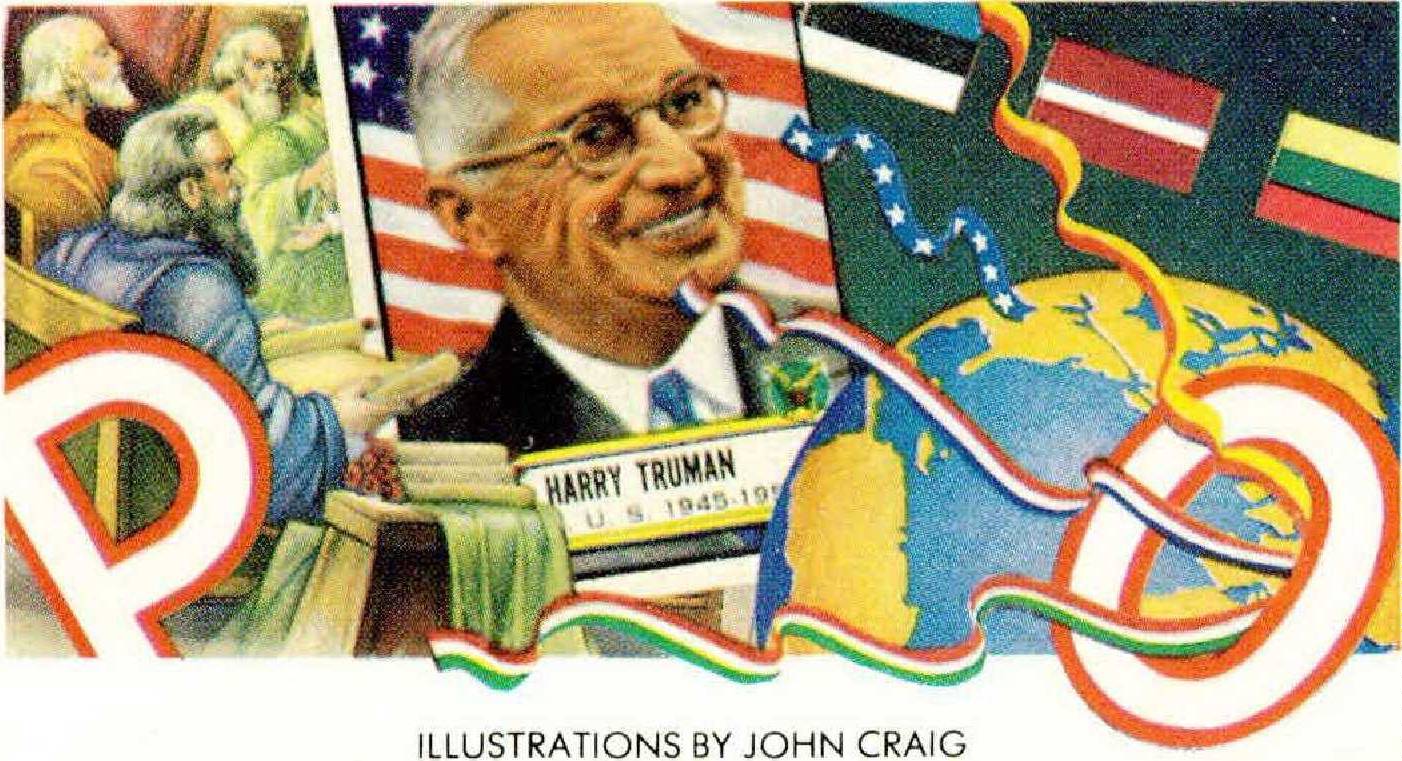
a reader to get a sense of the document without having to unroll the whole thing. Protocol was at first used in English only with regard to documents of international diplomacy. By the late nineteenth century, however, it had come to refer to an official record of procedures in an autopsy or a scientific experiment. By the 1940s this sense had been extended to the rules of conduct in affairs of state. (“[Truman] felt that it would not be good protocol for him to be out hobnobbing with an Englishman out of office at the very time that the man now in charge of Britain’s foreign affairs is in Washington”— Washington Post, 1949.)