What Lisette Model Saw in Jazz
Her portraits capture the joy and wariness of the genre’s luminaries.

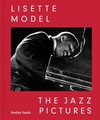
“I was absolutely overwhelmed by jazz because I knew that was America,” the photographer Lisette Model once said. America is many things—joy and pain, freedom and repression—and Model’s photos of jazz musicians and their audiences captured the full range. Model, a Viennese Jewish émigré, is best known today for her street photography, but in the early 1950s, she set out to create a book of jazz pictures, with an accompanying essay to be written by Langston Hughes. But as the art historian Audrey Sands writes in an essay included in a new book of Model’s photos, suspicion of her leftist politics led to the project’s collapse; Model herself was investigated by the FBI and Senator Joseph McCarthy. When she died in 1983, Model left behind some 1,800 negatives from her jazz project, most of which were never printed.
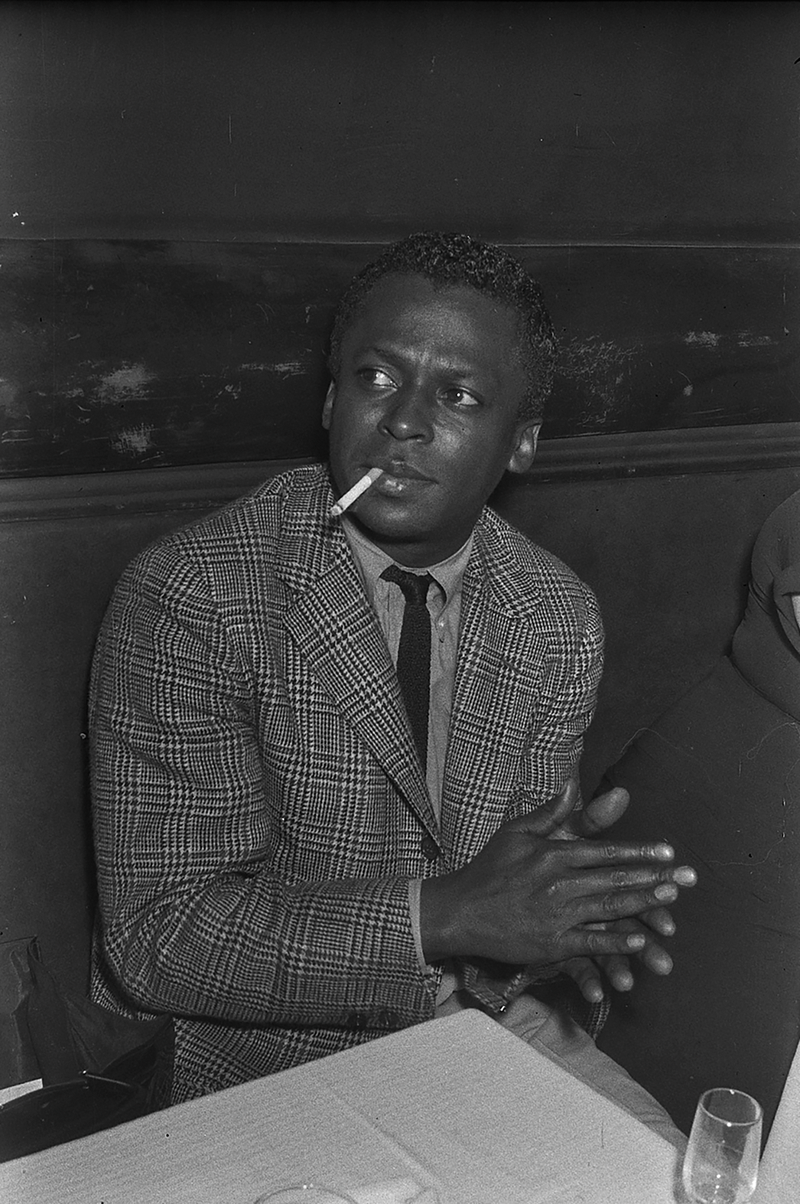
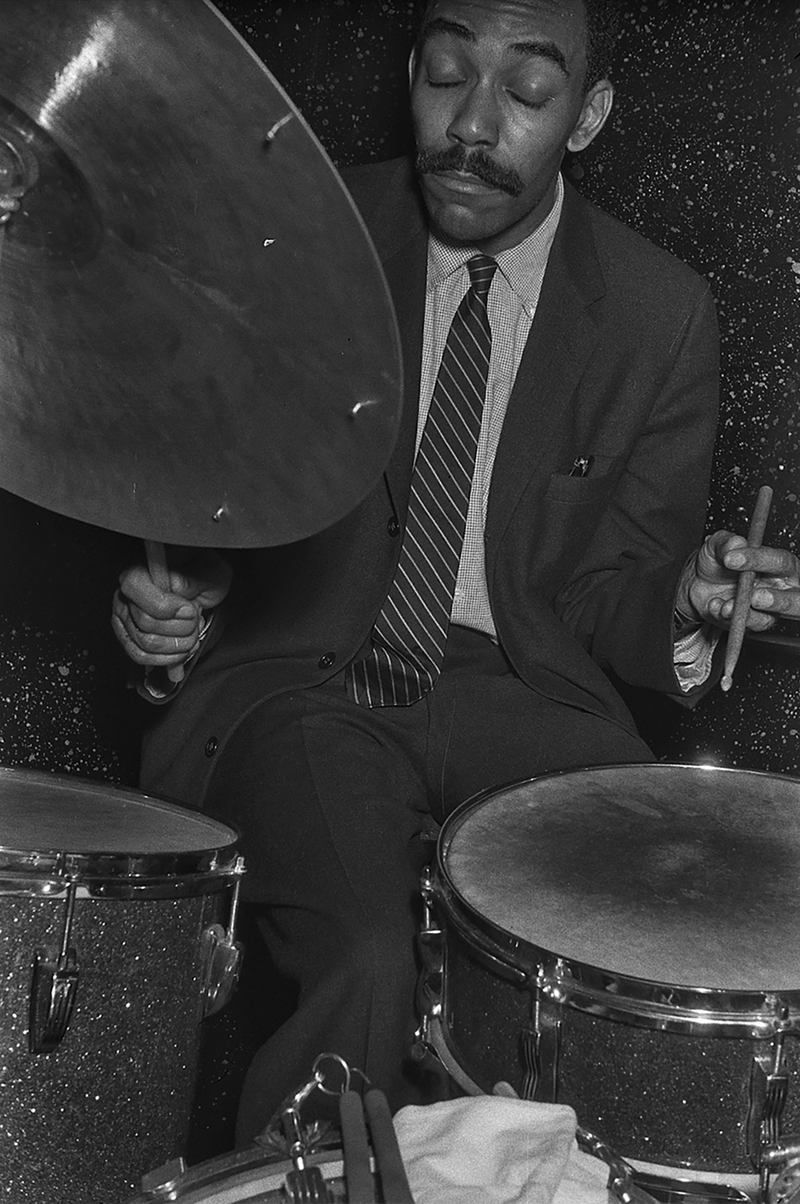
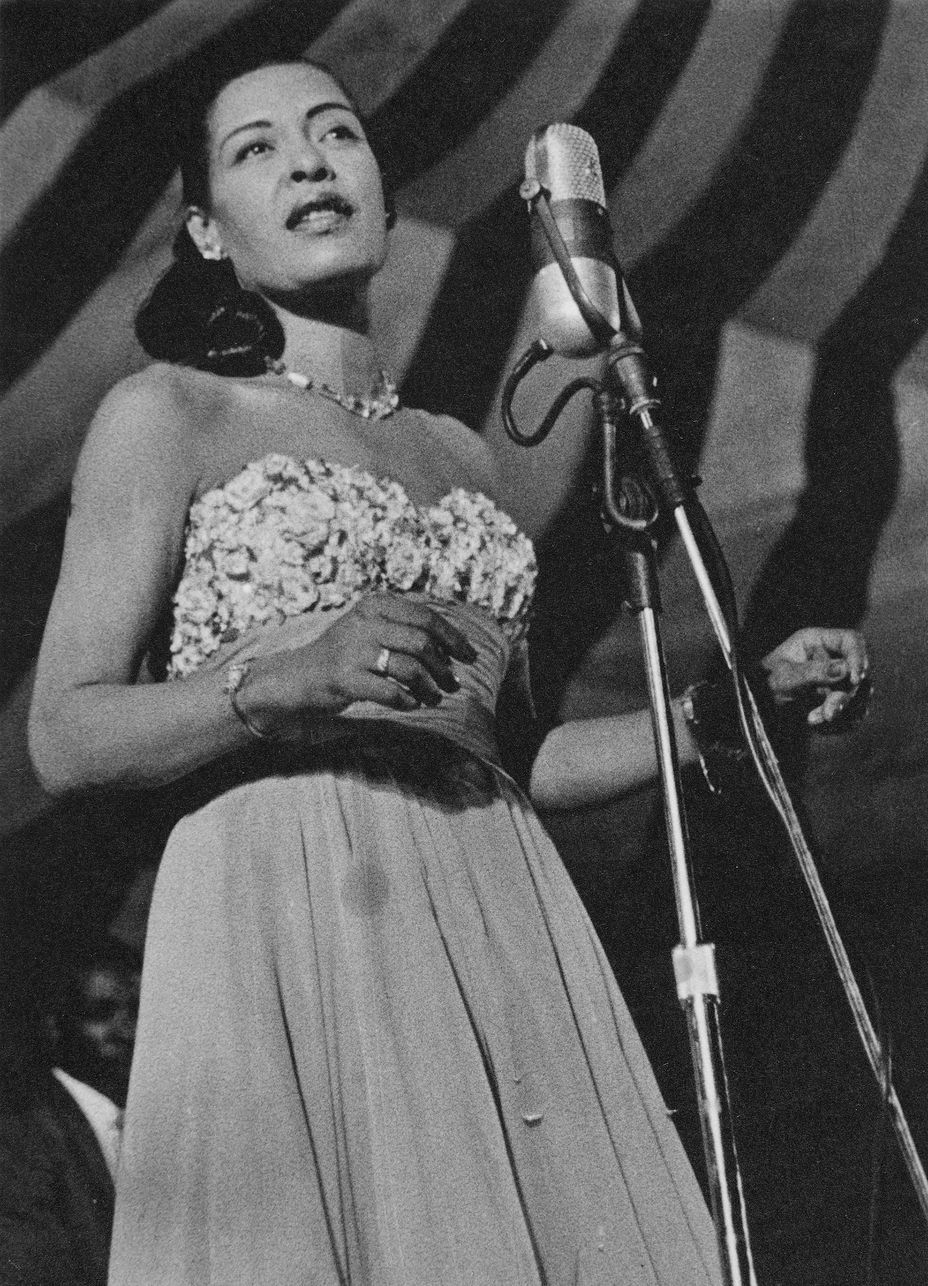
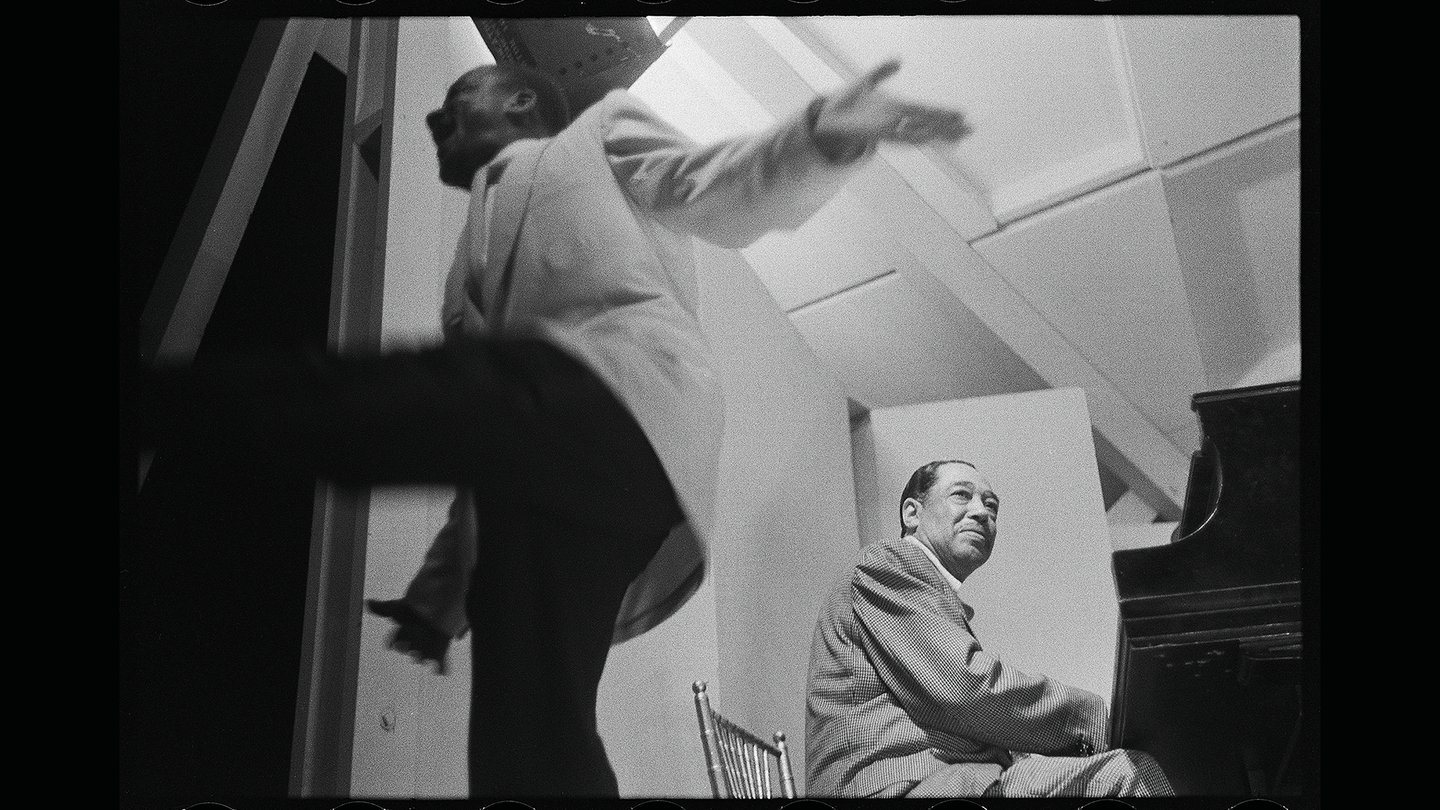
Model loved to document audiences in moments of rapture. What jumps out in her images of musicians, however, is the wariness in their eyes and gestures—even from the courtly Duke Ellington. “I know of no photographer who has photographed people as inwardly as Lisette Model,” the photographer Berenice Abbott wrote. Perhaps shared experiences of persecution connected Model, who had fled the Nazis in Europe, with her subjects. Even as the U.S. government used jazz to promote America’s image abroad, the genre’s luminaries suffered racism and violence at home. Miles Davis was brutally beaten by a police officer during a break in one of his own shows at a Manhattan nightclub, the worst of many incidents with law enforcement throughout his career. The drummer Art Taylor eventually relocated to France, where he and many other Black musicians sought better conditions. Billie Holiday, who for years had been harassed by the Federal Bureau of Narcotics, was arrested as she lay dying of liver and heart disease in the hospital. Model took a series of poignant postmortem photographs of Holiday, then never shot another jazz image again.
*Photographs of Davis, Ellington, Nance, and Taylor: © Lisette Model Foundation, courtesy of Eakins Press Foundation / Lisette Model fonds, National Gallery of Canada Library and Archives
Photograph of Holiday: © Lisette Model Foundation, courtesy of Eakins Press Foundation / The J. Paul Getty Museum, Los Angeles
This article appears in the October 2025 print edition with the headline “Jazz Legends.”
When you buy a book using a link on this page, we receive a commission. Thank you for supporting The Atlantic.