The Journey of the American Shopper
An Atlantic analysis of consumption over the years, from the mall to the Amazon package
This is an edition of The Wonder Reader, a newsletter in which our editors recommend a set of stories to spark your curiosity and fill you with delight. Sign up here to get it every Saturday morning.
In 1962, an Atlantic essay called “Money Isn’t Everything” described a very optimistic future: “It is my belief,” Edward T. Chase wrote, “that in fact we in the United States are evolving beyond what J.K. Galbraith calls the ‘consumption society’—one that has mastered the problems of production—and are approaching a new order of society, the society of self-realization.” As my colleague Becca Rosen wrote in 2015, “Man, if this guy could see today.” “A half-century of cultural edification has passed, and money and material accumulation still enthrall this country,” Becca reminded us then. Now, with the proliferation of online shopping, buying things is perhaps a more enthralling prospect than ever.
Today’s newsletter, which I venture to guess has arrived in between a barrage of emails about Labor Day sales, is dedicated to Atlantic analysis of consumption over the years. Our writers explore American shopping, from the mall to the Amazon package.
On Consumerism
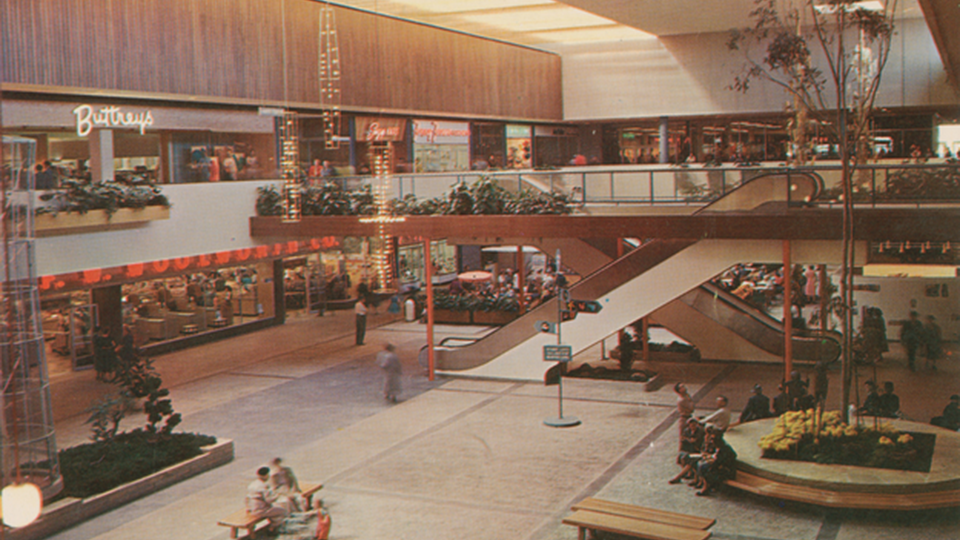
When Malls Saved the Suburbs From Despair
By Ian Bogost
Like it or not, the middle class became global citizens through consumerism—and they did so at the mall.
Shoppers Are Stuck in a Dupe Loop
By Amanda Mull
TikTok made knockoffs cool. At what cost?
American Shoppers Are a Nightmare
By Amanda Mull
Customers were this awful long before the pandemic.
Still Curious?
- The porch pirate of Potrero Hill can’t believe it came to this: When a longtime resident started stealing her neighbors’ Amazon packages, she entered a vortex of smart cameras, Nextdoor rants, and cellphone surveillance.
- Retailers bet wrong on America’s feelings about stores: The internet was supposed to kill in-person shopping, Amanda Mull wrote recently. But have you been to a Bass Pro?
Other Diversions
P.S.
If you’re heading into your Labor Day weekend shopping adventures convinced that you’re in total control of your choices, I have some humbling news for you: Being an informed consumer online is basically impossible in 2023, my colleague Amanda Mull has written, even when we think we’ve done all our research.
— Isabel