The Pleasures of Amateur Photography
Revisiting an ode to the camera from the Atlantic archives
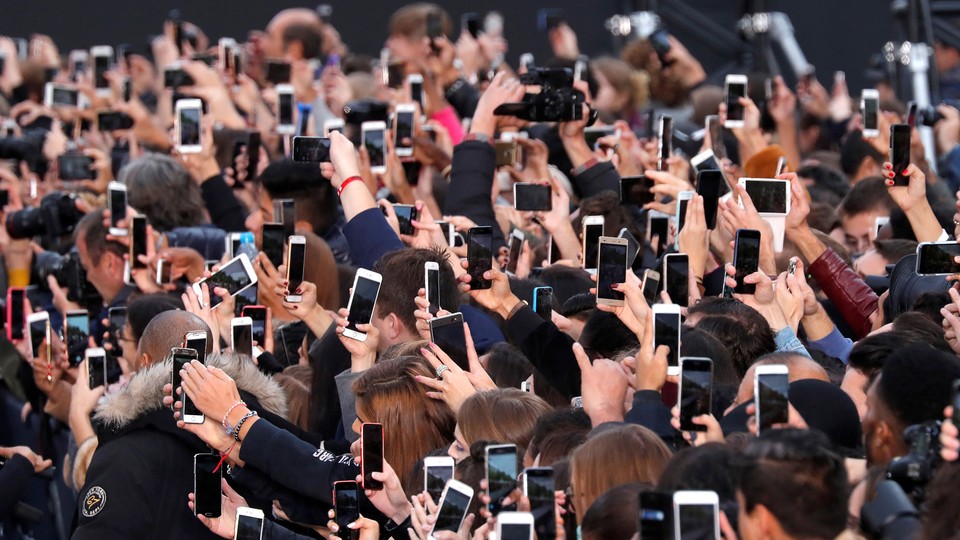
This is an edition of The Wonder Reader, a newsletter in which our editors recommend a set of stories to spark your curiosity and fill you with delight. Sign up here to get it every Saturday morning.
“I wonder whether the non-photographer can grasp the peculiar quality of the pleasure of being an amateur photographer,” Richard L. Simon, the co-founder of the publishing house Simon & Schuster, wrote in The Atlantic in 1942. Simon credits the camera itself with much of the joy of amateur photography:
Imagine, then, you unhappy non-photographers, a glorious piece of mechanism … that has within itself the ability to capture for posterity a baby’s smile, a setter at point, the kindly wrinkles of a grandfather … It can magnify a hundredfold the pollen on the rose petal. It can re-create the glistening of the snow and of the trees on a frosty February morning. No, it cannot tell you the time, but it can immortalize the scenes, the moods, even the overtones of daily life.
Simon’s love letter to the camera is a reminder that photography is as much about the mechanism as it is about the result. Today’s newsletter explores how we take photos, and how new technology can both dull and complicate the experience.
On Photography
You Can Learn to Be Photogenic
By Michael Waters
Hollywood invented the idea that some people naturally look better on camera. Don’t believe it.
AI Is About to Photoshop Your Memories
By Charlie Warzel
The smartphone camera roll is a digital diary. What happens when the images inside are more perfect than real?
Our Photo Editor’s Must-See Images
By Isabel Fattal
Alan Taylor on the visuals that have stuck with him
Still Curious?
- Street photography from ’80s and ’90s New York: Armed with his camera and a collection of albums, Jamel Shabazz documented Black life in the city.
- The photography of Margaret Bourke-White: A small collection of the thousands of remarkable images she made over a lifetime
Other Diversions
P.S.
“The editor of the Atlantic wishes me to come down to earth,” Simon writes toward the end of his essay about the glory of the camera. He obliges by making a list of tips for readers hoping to become decent amateur photographers themselves. One good piece of advice: “Photography being mostly a study and rendition of lights and shadows, take your pictures before ten o’clock in the morning and after four o’clock in the afternoon.”
— Isabel