Five Sunday Reads
Explore stories about why your professional peak is coming sooner than you think, the bursting of the computer-science bubble, and more.

This is an edition of The Atlantic Daily, a newsletter that guides you through the biggest stories of the day, helps you discover new ideas, and recommends the best in culture. Sign up for it here.
This weekend, read about why cosmologists are fighting over everything, how to make the most of your professional decline, and more.
The Nobel Prize Winner Who Thinks We Have the Universe All Wrong
Cosmologists are fighting over everything.
By Ross Andersen
Your Professional Decline Is Coming (Much) Sooner Than You Think
Here’s how to make the most of it. (From 2019)
By Arthur C. Brooks
The tech billionaire wants to shape humanity’s future. Not everyone has a place there.
By Charlie Warzel and Hana Kiros
The Computer-Science Bubble Is Bursting
Artificial intelligence is ideally suited to replacing the very type of person who built it.
By Rose Horowitch
The Questions We Don’t Ask Our Families but Should
Many people don’t know very much about their older relatives. But if we don’t ask, we risk never knowing our own history. (From 2022)
By Elizabeth Keating
The Week Ahead
- Jurassic World Rebirth, an action movie about a team that makes a disturbing discovery while on a mission to retrieve DNA from dinosaurs (in theaters Wednesday)
- Season 2 of The Sandman, a show about a cosmic being who controls dreams and finally escapes a more than century-long imprisonment (Volume 1 premieres Thursday on Netflix)
- Dictating the Agenda, a book by Alexander Cooley and Alexander Dukalskis about the resurgence of authoritarian politics around the world (out Monday)
Essay
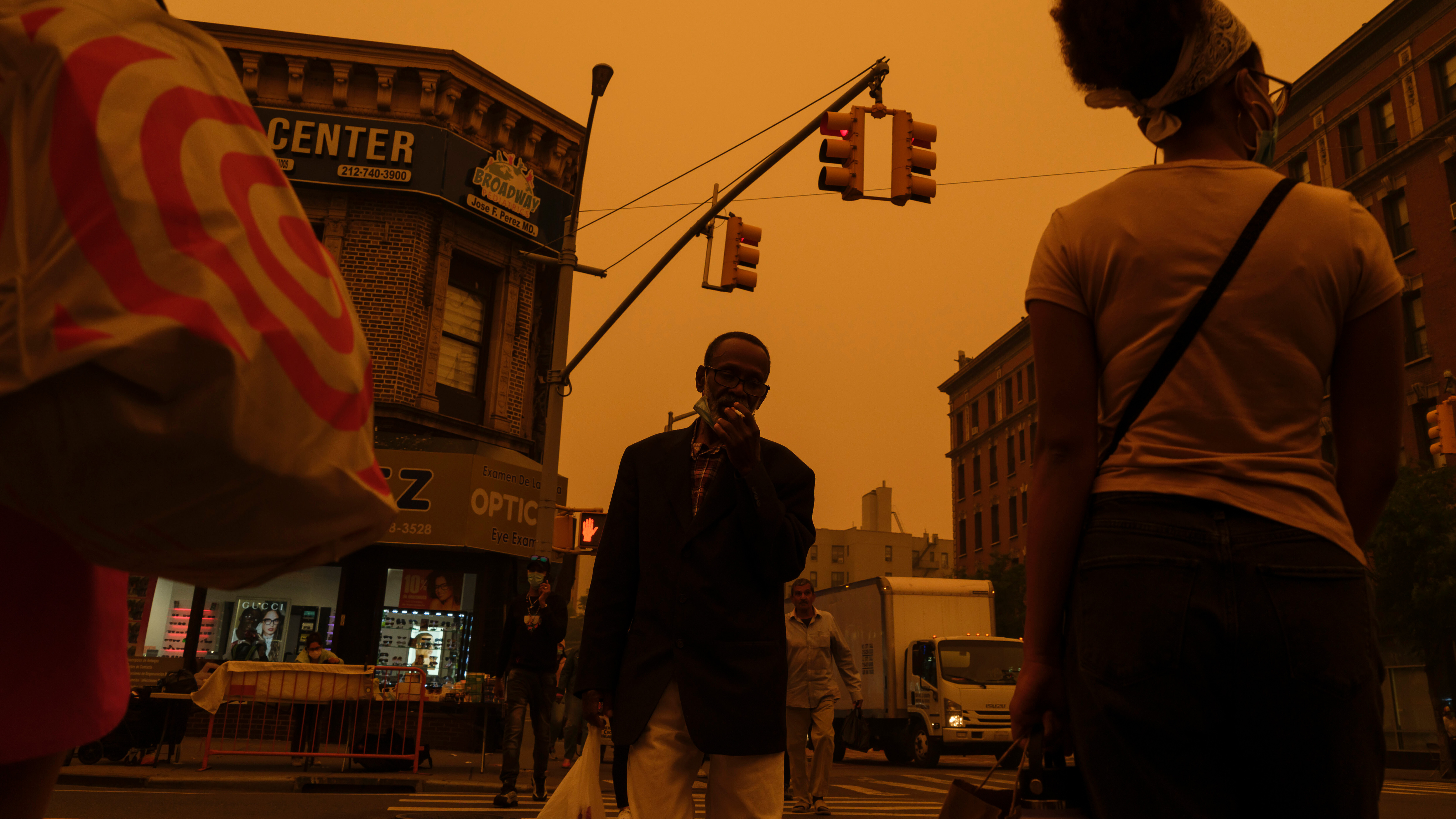
America’s Coming Smoke Epidemic
By Zoë Schlanger
For 49 straight days, everyone in Seeley Lake was breathing smoke. A wildfire had ignited outside the small rural community in Montana, and the plume of smoke had parked itself over the houses. Air quality plummeted. At several moments, the concentration of particulate matter in the air exceeded the upper limit of what monitors could measure.
Christopher Migliaccio, an associate professor of immunology at the University of Montana, saw an opportunity to do what few have ever done: study what happens after people get exposed to wildfire smoke.
More in Culture
Catch Up on The Atlantic
Photo Album
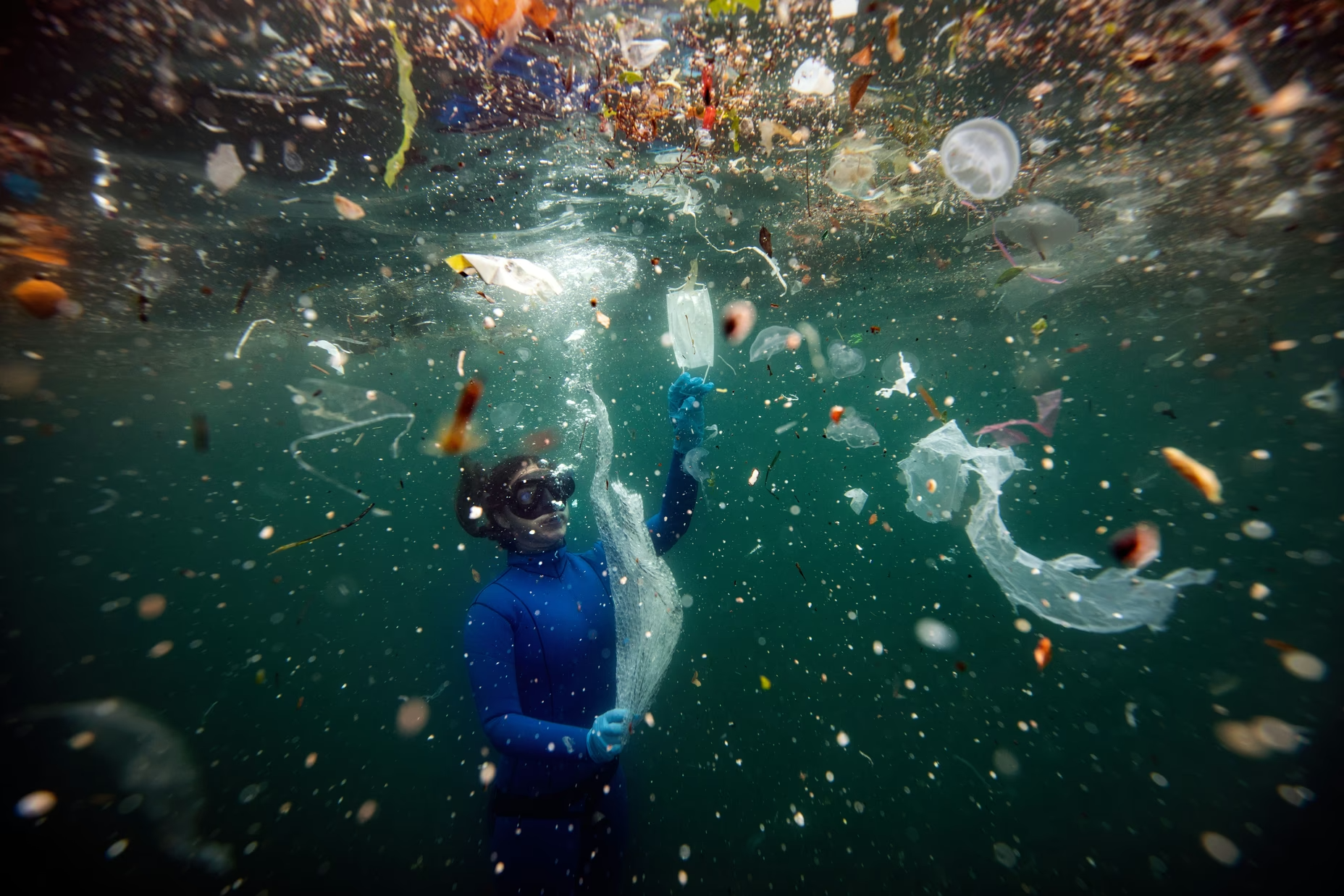
An estimated 11 million metric tons of plastic enter oceans each year, according to the U.S. State Department. These photos show how some of it accumulates in highly visible ways.
Explore all of our newsletters.
When you buy a book using a link in this newsletter, we receive a commission. Thank you for supporting The Atlantic.