Six Weekend Stories
Read more about the great cousin decline, 10 books The Atlantic’s Culture desk read too late, and more.
This is an edition of The Atlantic Daily, a newsletter that guides you through the biggest stories of the day, helps you discover new ideas, and recommends the best in culture. Sign up for it here.
Spend time with stories about the bizarre relationship of a “work wife” and a “work husband,” the great cousin decline, and more.
Families are shrinking. But the weirdest family role is a vital one. (From 2023)
By Faith Hill
I See Your Smartphone-Addicted Life
I’ve never owned the device, and I’m not sure I ever want to.
By Franklin Schneider
The Books We Read Too Late—And That You Should Read Now
One of the great, bittersweet pleasures of life is finishing a title and thinking about how it might have affected you—if only you’d found it sooner. (From 2022)
By The Atlantic Culture Desk
The Bizarre Relationship of a “Work Wife” and a “Work Husband”
The work marriage is a strange response to our anxieties about mixed-gender friendships, heightened by the norms of a professional environment. (From 2023)
By Stephanie H. Murray
America’s Coming Smoke Epidemic
The research on what smoke does to a body is just beginning.
By Zoë Schlanger
The Puzzling Gap Between How Old You Are and How Old You Think You Are
There are good reasons you always feel 20 percent younger than your actual age. (From 2023)
By Jennifer Senior
The Week Ahead
- Eddington, a drama-comedy by Ari Aster about a standoff between a mayor and a local sheriff (in theaters Friday)
- Season 7 finale of Love Island USA, a reality-TV show with a $100,000 prize (premieres tonight on Peacock)
- A Flower Traveled in My Blood, by Haley Cohen Gilliland, a deeply reported new book about Argentina’s “disappeared” (out Tuesday)
Essay
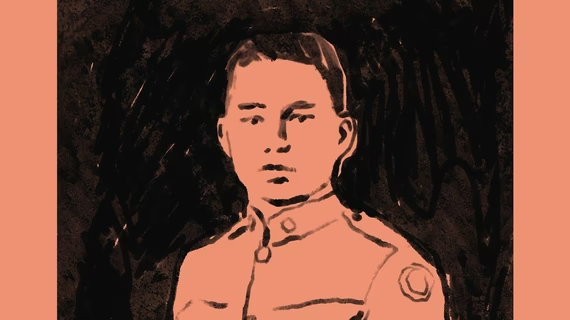
He Spent His Life Trying to Prove That He Was a Loyal U.S. Citizen. It Wasn’t Enough.
By Andrew Aoyama
Joseph Kurihara watched the furniture pile higher and higher on the streets of Terminal Island. Tables and chairs, mattresses and bed frames, refrigerators and radio consoles had been dragged into alleyways and arranged in haphazard stacks. It was February 25, 1942, two and a half months after the attack on Pearl Harbor, and the U.S. Navy had given the island’s residents 48 hours to pack up and leave …
A week earlier, President Franklin D. Roosevelt had signed Executive Order 9066, authorizing military commanders to designate areas from which “any or all persons may be excluded.” The order made no mention of race, but its target was clear: people who were ethnically Japanese.
More in Culture
Catch Up on The Atlantic
Photo Album

As the Trump administration’s “big, beautiful bill” eliminates many clean-energy incentives in the U.S., China continues making huge investments in the industry. Take a look at the scale of China’s solar-power projects.
Explore all of our newsletters.
When you buy a book using a link in this newsletter, we receive a commission. Thank you for supporting The Atlantic.