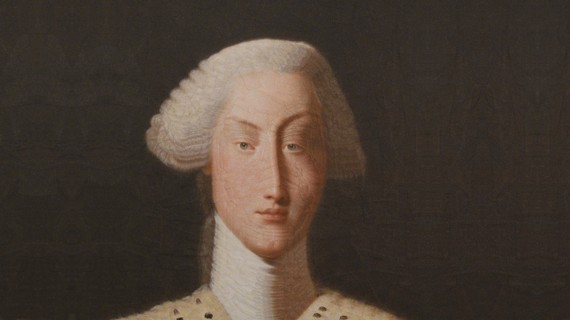
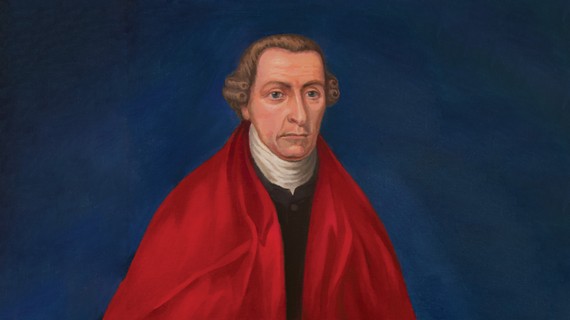
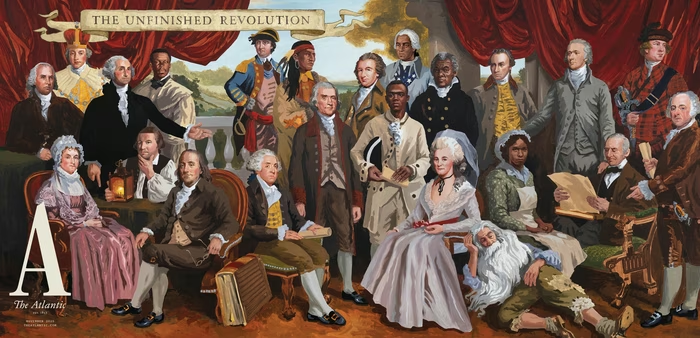
On July 4, 1837, a crowd gathered around a granite obelisk in Concord, Massachusetts, and began to sing. The melody, the “Old Hundredth,” would have been familiar to most of those assembled, but the lyrics were new, printed on six-inch square sheets of paper: Ralph Waldo Emerson’s “Concord Hymn.” “By the rude bridge that arched the flood, / Their flag to April’s breeze unfurled,” the song began. “Here once the embattled farmers stood / And fired the shot heard round the world.” Emerson was a sought-after lecturer and essayist at the time; the immediate popularity of the “Concord Hymn” cemented his status as a poet too. He had been commissioned by Concord’s Battle Monument Committee to write a verse for a new obelisk, which commemorated the site of what the town claimed was “the first forcible resistance to British aggression.” On April 19, 1775, at the Old North Bridge over the Concord River, militia and minutemen from Massachusetts had clashed with British redcoats and forced them to retreat back to Boston. Emerson’s words helped cement the moment as the official start of the American Revolution. When I first visited Concord, on a school field trip in eighth grade, it was gray and drizzling. The site of the battle was unremarkable. Besides the obelisk, still standing nearly two centuries after Emerson’s dedication, there was little indication that the soil had been soaked with blood, that the riverbank had given rise to a new type of governance. After a few minutes, we loaded into the bus and made our own retreat back to Boston to see the Blue Man Group. In 1775, the battle at the Old North Bridge may not have seemed particularly portentous to the minutemen, either. It isn’t always clear that you’re in a revolution as it’s happening. At least this magazine’s November 2025 issue, “The Unfinished Revolution,” benefited from hindsight. Like Emerson, the writers for the special project aimed to recognize how ordinary places and regular people gave rise to the American experiment. In this installment, Jeffrey Goldberg, The Atlantic’s editor in chief, explains why the magazine is looking back to America’s founding as the country faces a perilous political moment. Then, four writers explore the underpinnings of the American Revolution. Rick Atkinson digs through the newly opened archives of George III and makes the case that the king was “a far more complex, accomplished, and even estimable figure than the prevailing caricature.” Robert A. Gross and Robert M. Thorson consider why the war erupted in a quiet Massachusetts town. And Drew Gilpin Faust details how Patrick Henry’s fiery oratory roused a nation to war long before most Americans could read. Emerson’s “Concord Hymn” transformed a random spasm of violence into the dawn of a democracy. The minutemen, the poem concludes, had dared “to die, and leave their children free.” |