2025 Space Telescope Advent Calendar
Welcome to the 18th annual Space Telescope Advent Calendar, featuring remarkable images from NASA’s Hubble Space Telescope and James Webb Space Telescope. Every day until December 25, this page will present a new image of our universe.Updated at 10:19 a.m. ET on December 25, 2025
ESA / Webb, NASA & CSA, M. Villenave et al.
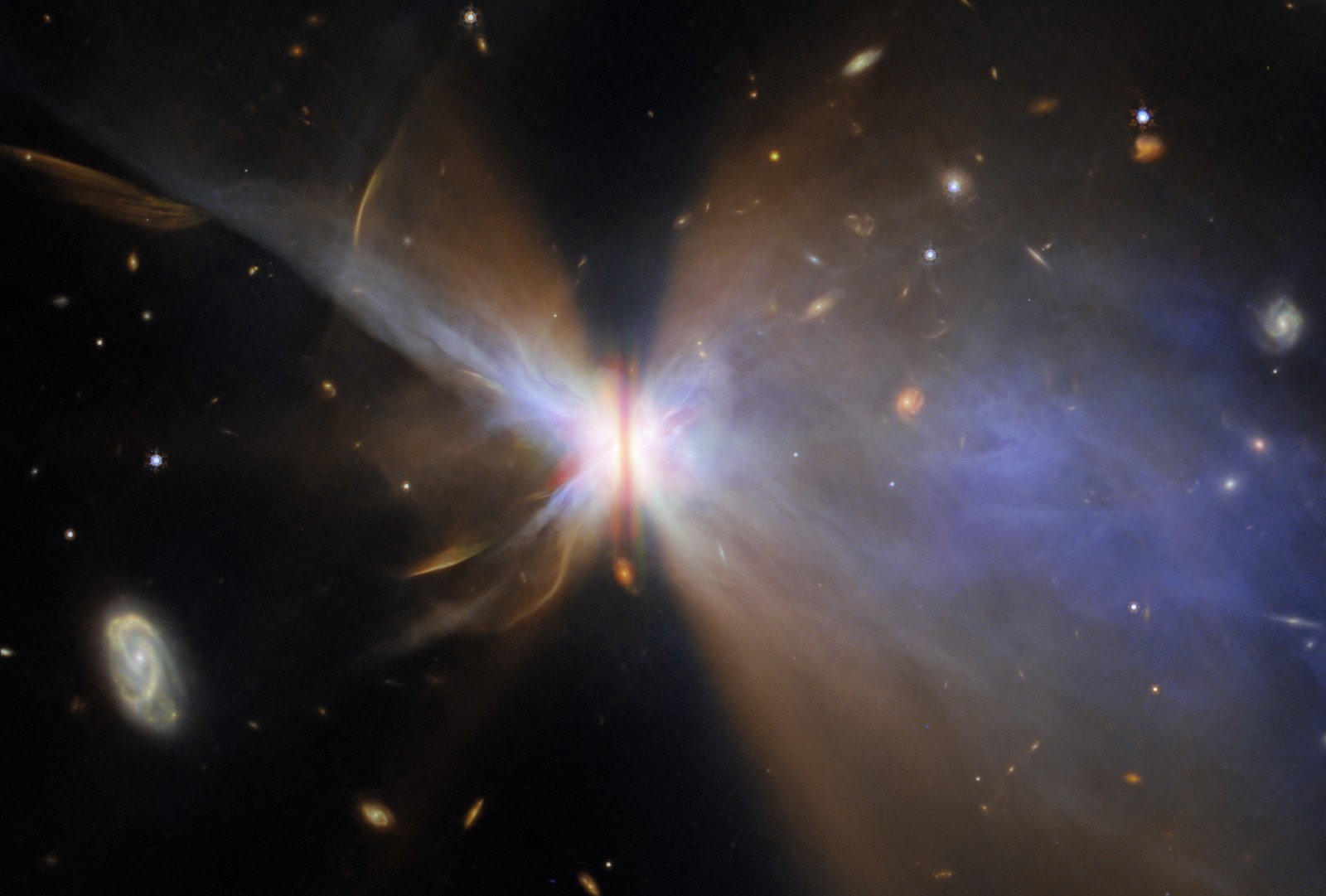
A Cosmic Butterfly. In August, the James Webb Space Telescope provided this new view of IRAS 04302+2247, a planet-forming disk about 525 light-years away. This protoplanetary disk, a structure that is several times the diameter of our solar system, can be seen at center, encircling a protostar—a young star that is still gathering mass from its environment, possibly forming new planets. The dense disk of dusty gas blocks much of the protostar’s bright light, allowing a better look at the two gauzy nebulae on either side of the disk. These reflection nebulae, illuminated by the central protostar, give the star its nickname, the “Butterfly Star.”
ESA / Hubble & NASA, G. Duchêne
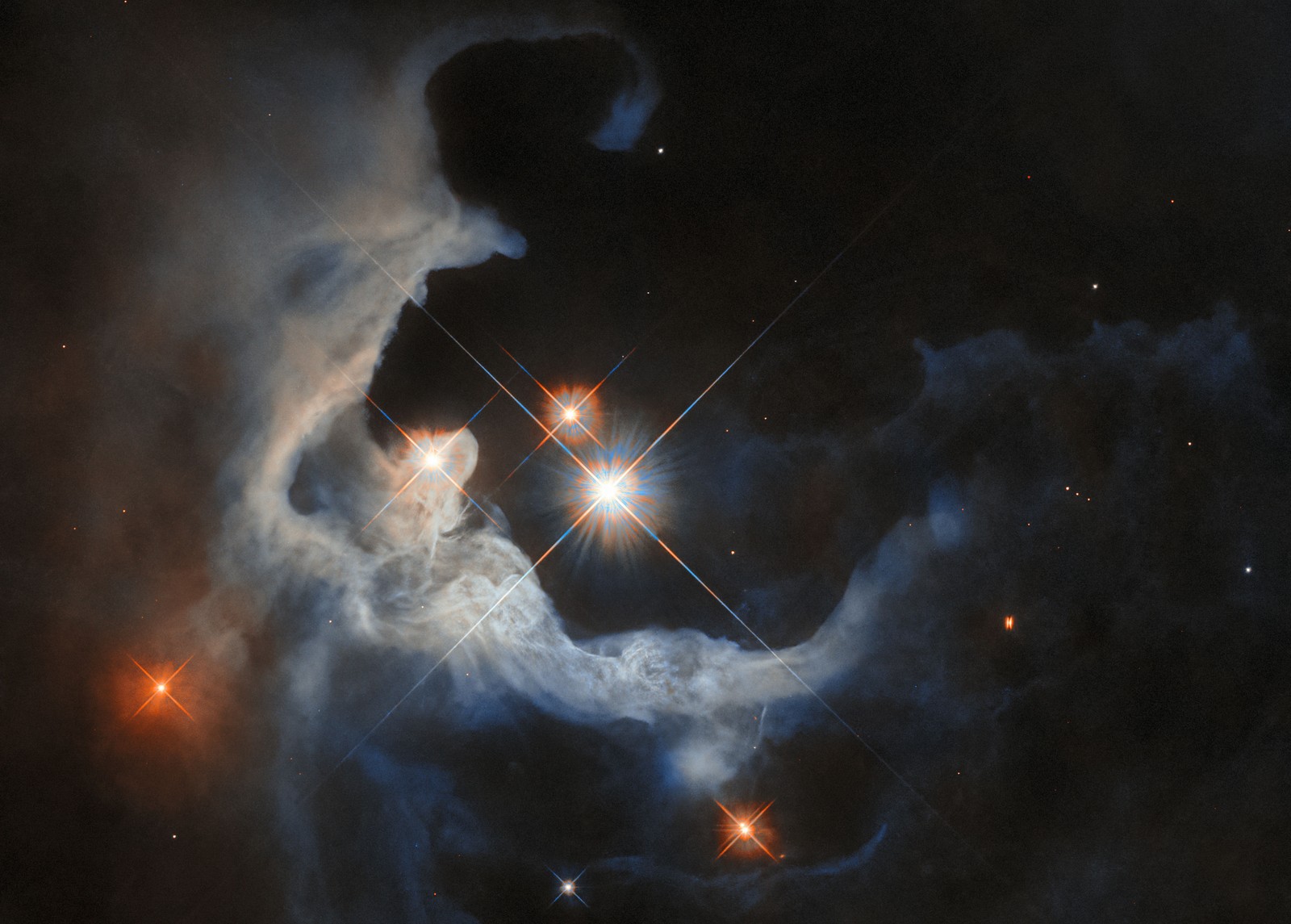
Reflection nebula GN 04.32.8 is part of the stellar nursery called the Taurus Molecular Cloud, roughly 480 light-years from Earth. Enormous clouds of dust surround a group of chaotic young stars, illuminated by their starlight. The small orange blob to the right of center is a newly formed protostar, hidden in a protoplanetary disk that obstructs some of its light, similar to the subject of yesterday’s calendar image.
ESA / Hubble & NASA, M. Postman, P. Kelly
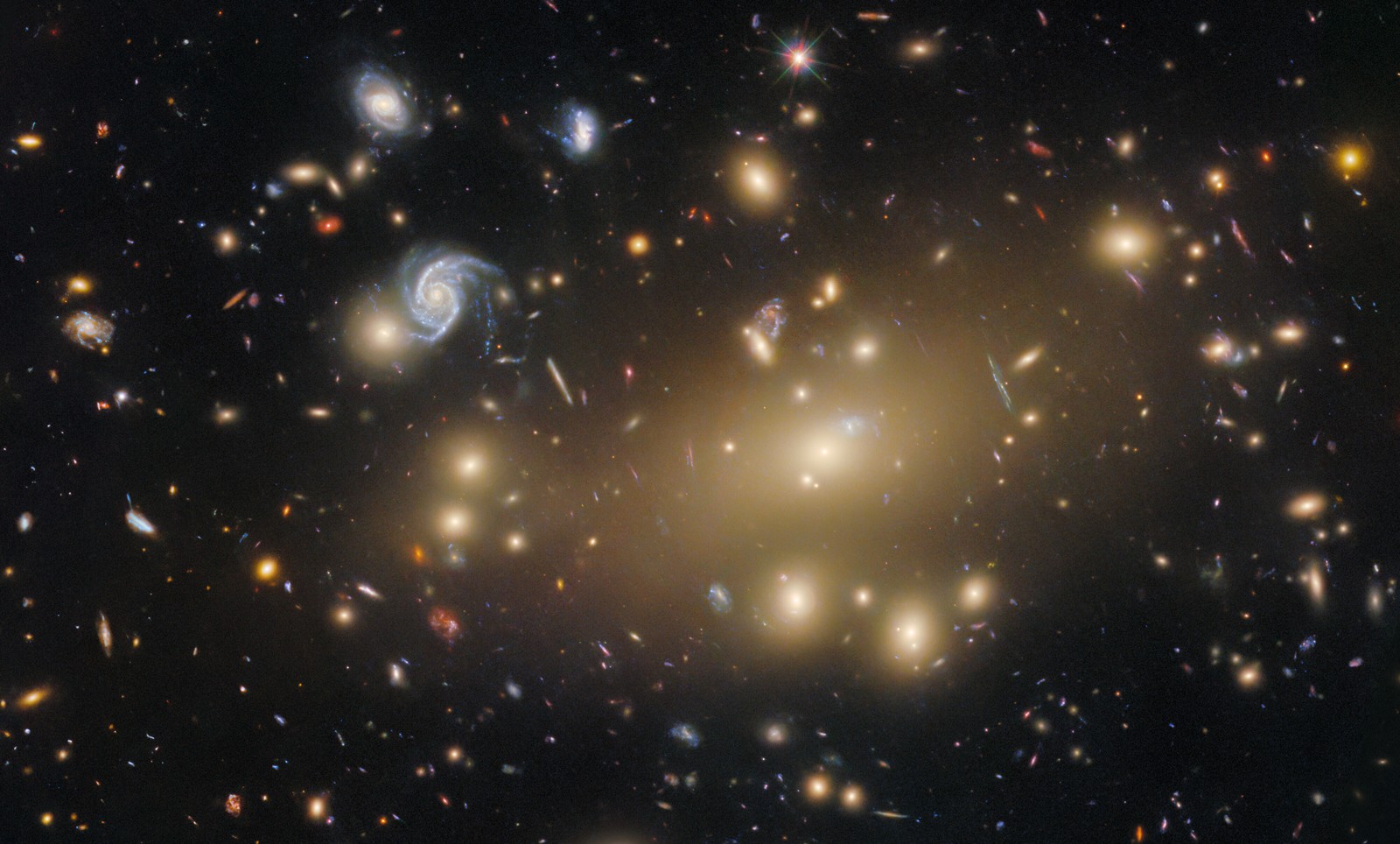
More than 100 galaxies can be seen in Galaxy Cluster Abell 209, situated about 2.8 billion light-years away. Though they look close to one another, these galaxies are still separated by millions of light-years. Their combined mass manages to warp and magnify some even more-distant galaxies through a process called gravitational lensing. Lensed galaxies here appear stretched or streaky toward the center.
NASA, ESA, CSA, STScI, A. Pagan, STScI
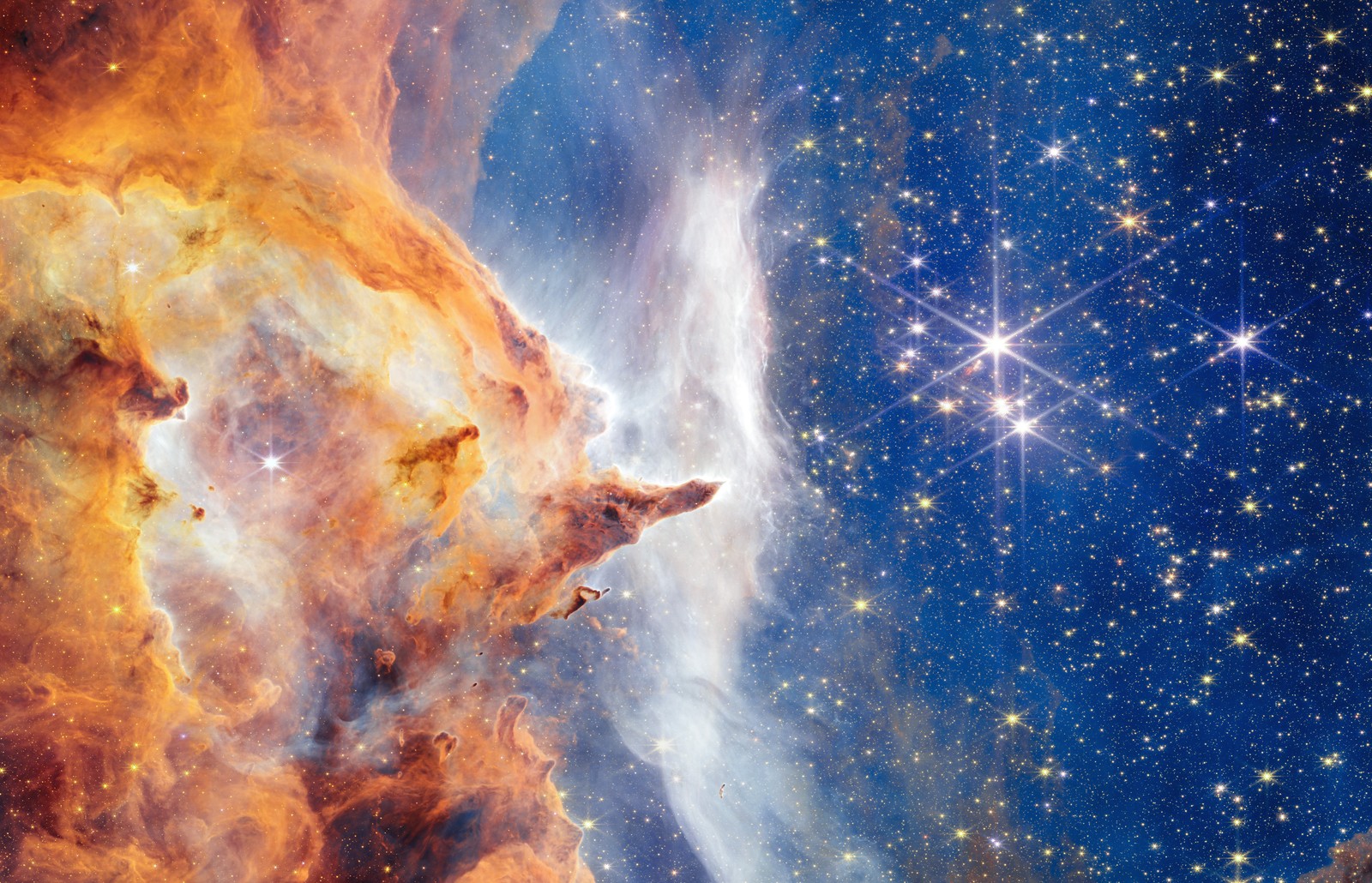
NASA’s James Webb Space Telescope recently imaged a region where the radiation and winds from a group of superhot infant stars are blasting and sculpting dense clouds of surrounding dust. This brilliant star cluster, called Pismis 24, lies about 5,500 light-years away, near the core of the Lobster Nebula.
ESA / Hubble & NASA, A. Filippenko
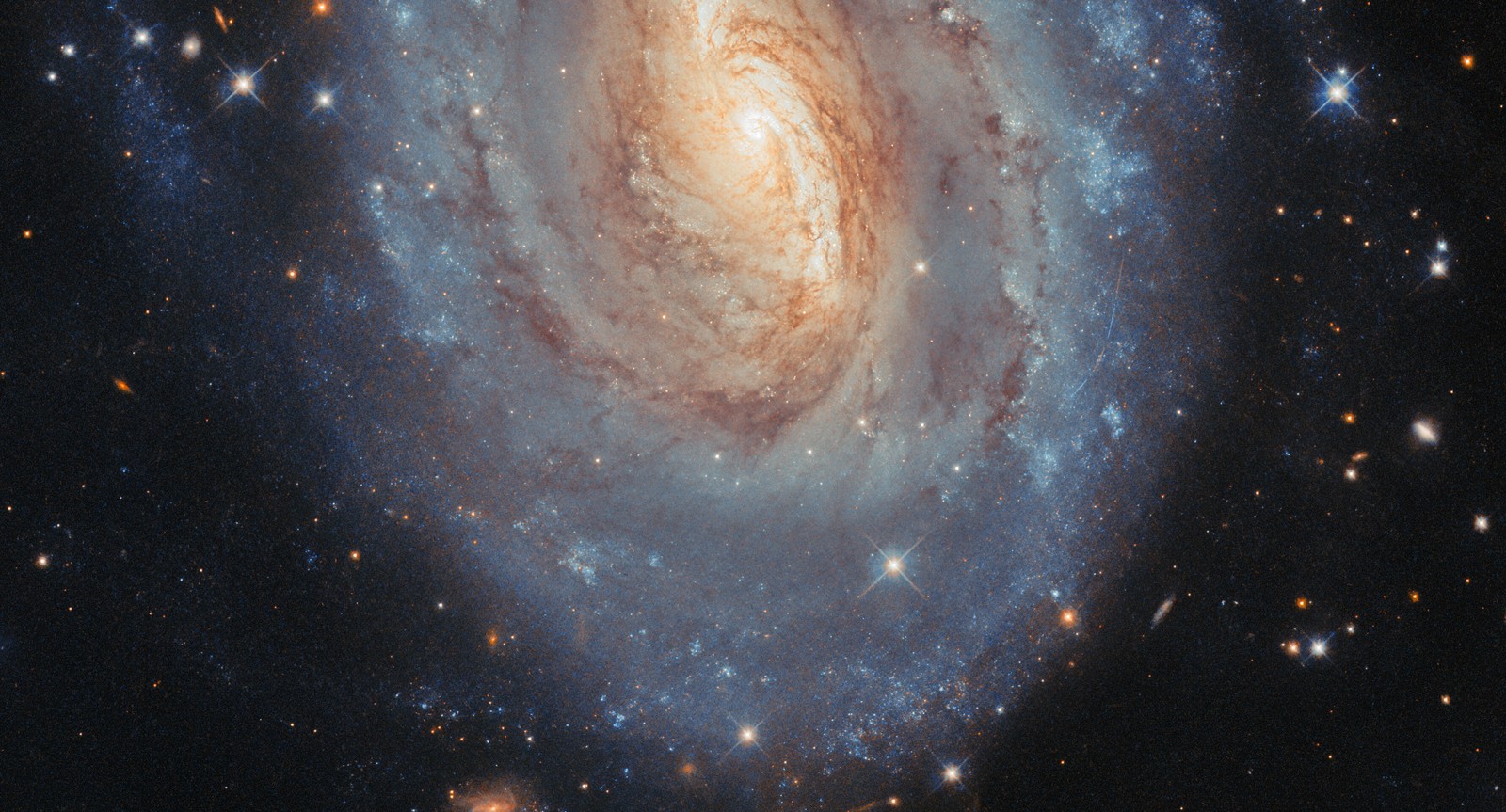
About 100 million light-years away, spiral galaxy NGC 6000 is home to countless stars across its disc, which is approximately 66,600 light-years wide. The stars toward the center tend to be older and cooler, emitting a more yellow light, seen here in this Hubble image, streaked by lanes of darker gas and dust. Toward the outer arms of the galaxy, the stars are younger, hotter, and more massive, casting an overall bluer hue.
NASA, ESA, CSA, STScI, NASA-JPL, Caltech, UCLA
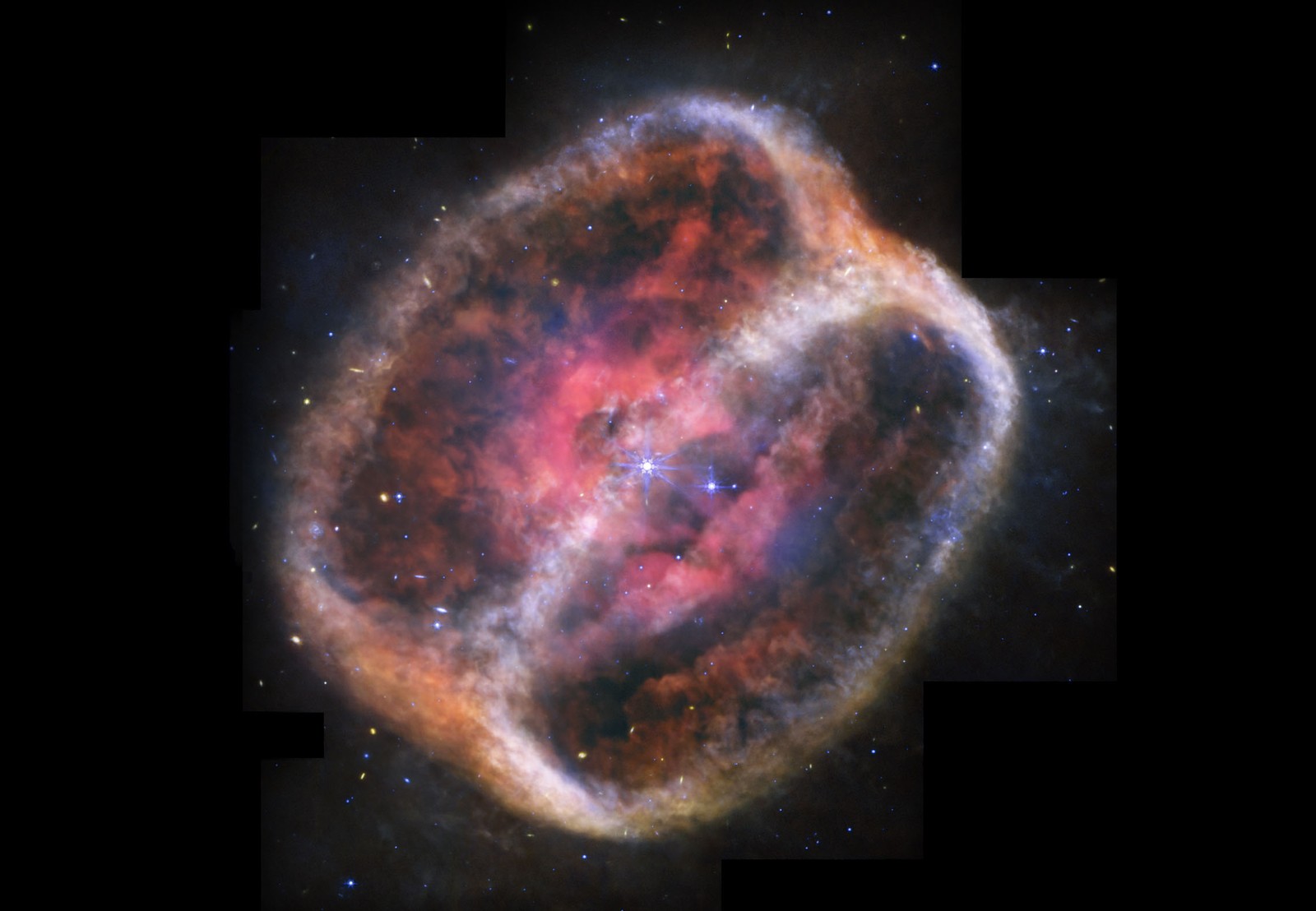
About 1,500 light-years from Earth, a dying star at the heart of planetary nebula NGC 1514 is performing a spectacular final act. One of a pair of binary stars has been shedding huge amounts of gas and dust for more than 4,000 years, blasting into the surrounding space and lighting it up from within.
ESA / Webb, NASA & CSA, G. Mahler
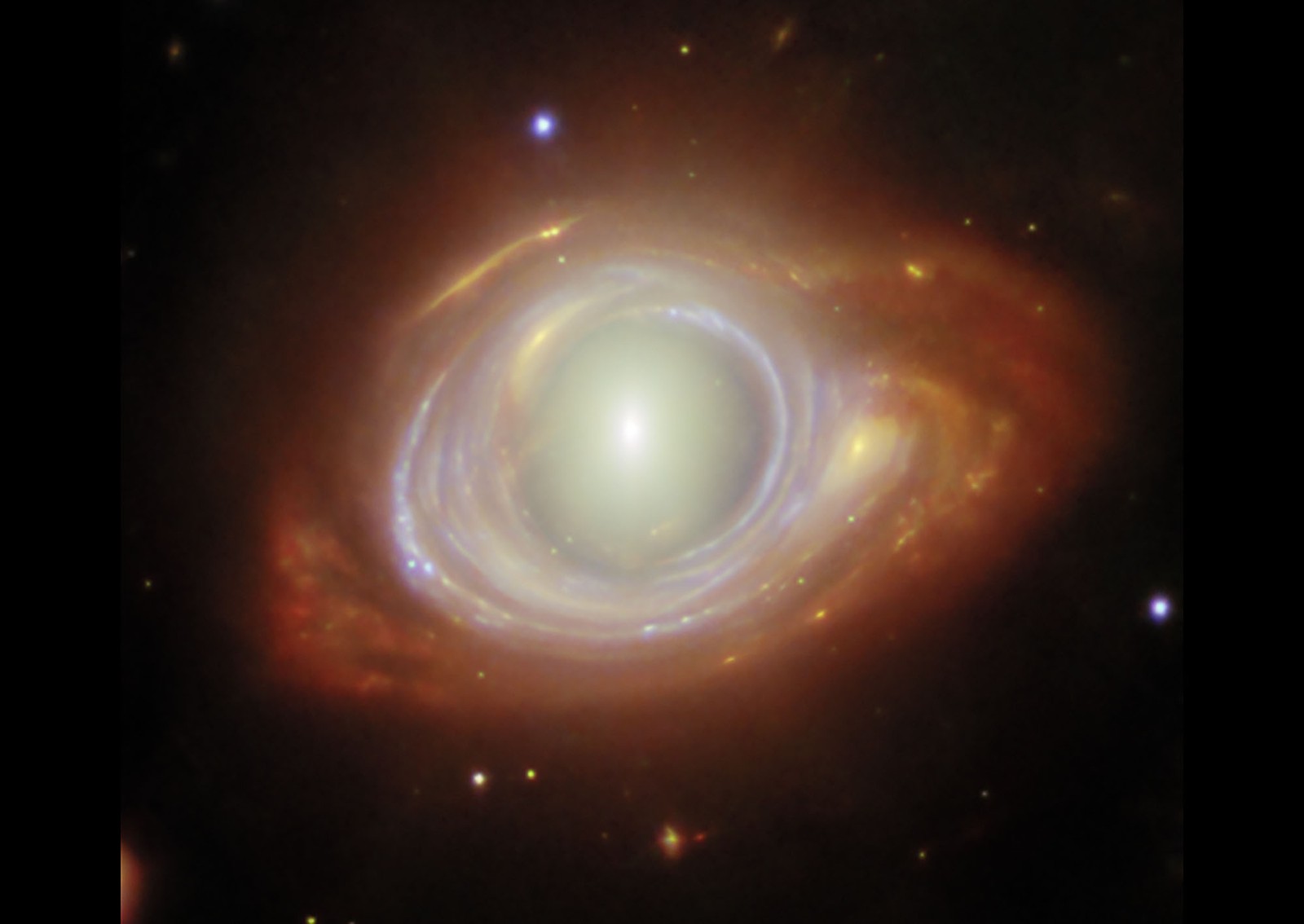
A Warped View Through an Einstein Ring. You are seeing two galaxies here, one in front of the other. The more distant spiral galaxy appears warped and distorted due to the gravitational lensing occurring around a massive, much closer galaxy, which is part of galaxy cluster SMACSJ0028.2-7537. The circular shape of the distortions gives the phenomenon its name, Einstein ring, first predicted by Albert Einstein in 1912.
ESA / Hubble & NASA, A. Nota, P. Massey, E. Sabbi, C. Murray, M. Zamani
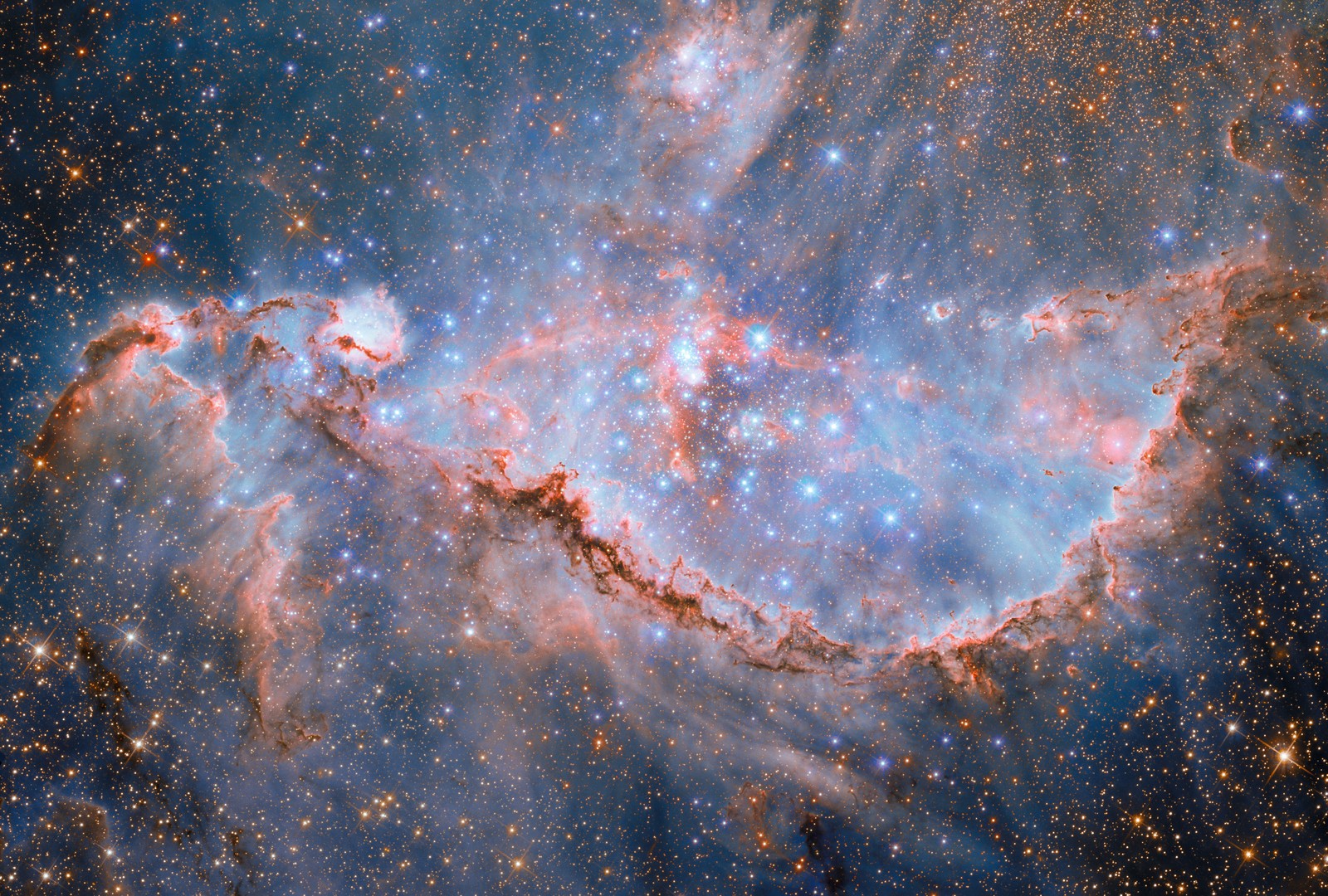
NGC 346 is a young star cluster about 200,000 light-years away, in the Small Magellanic Cloud. This image combines Hubble observations made at infrared, optical, and ultraviolet wavelengths, showing the hot blue stars carving out a space inside the surrounding nebula of gas and dust.
NASA, ESA, CSA, STScI
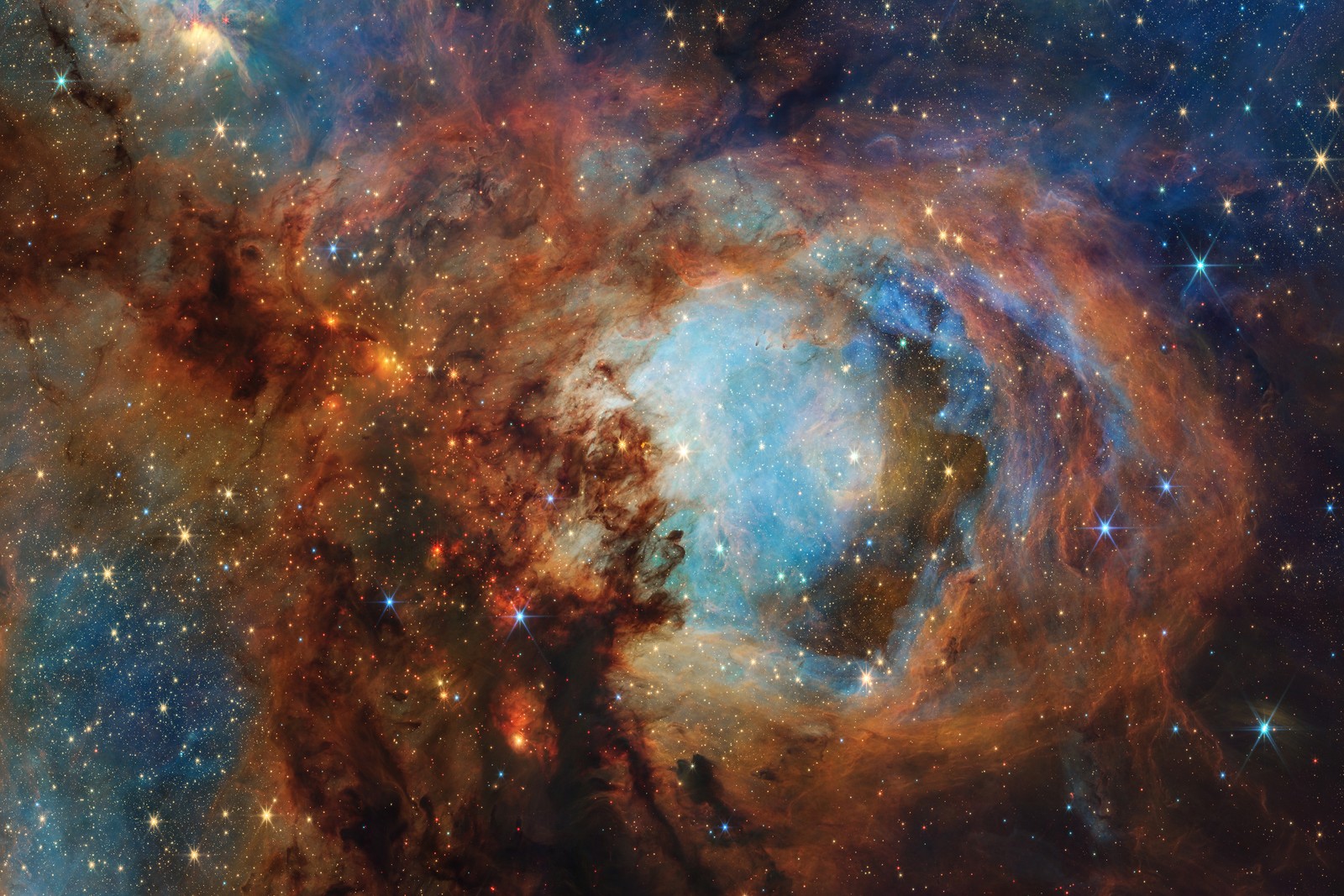
Emission nebula NGC 6334, otherwise known as the Cat’s Paw Nebula, lies about 4,000 light-years away. Instruments on the James Webb Space Telescope recently took a detailed look at one of its “toe beans,” a star-forming region where the energy from bright young stars is blasting away dense nearby clouds of gas and dust.
NASA, ESA, CSA, STScI
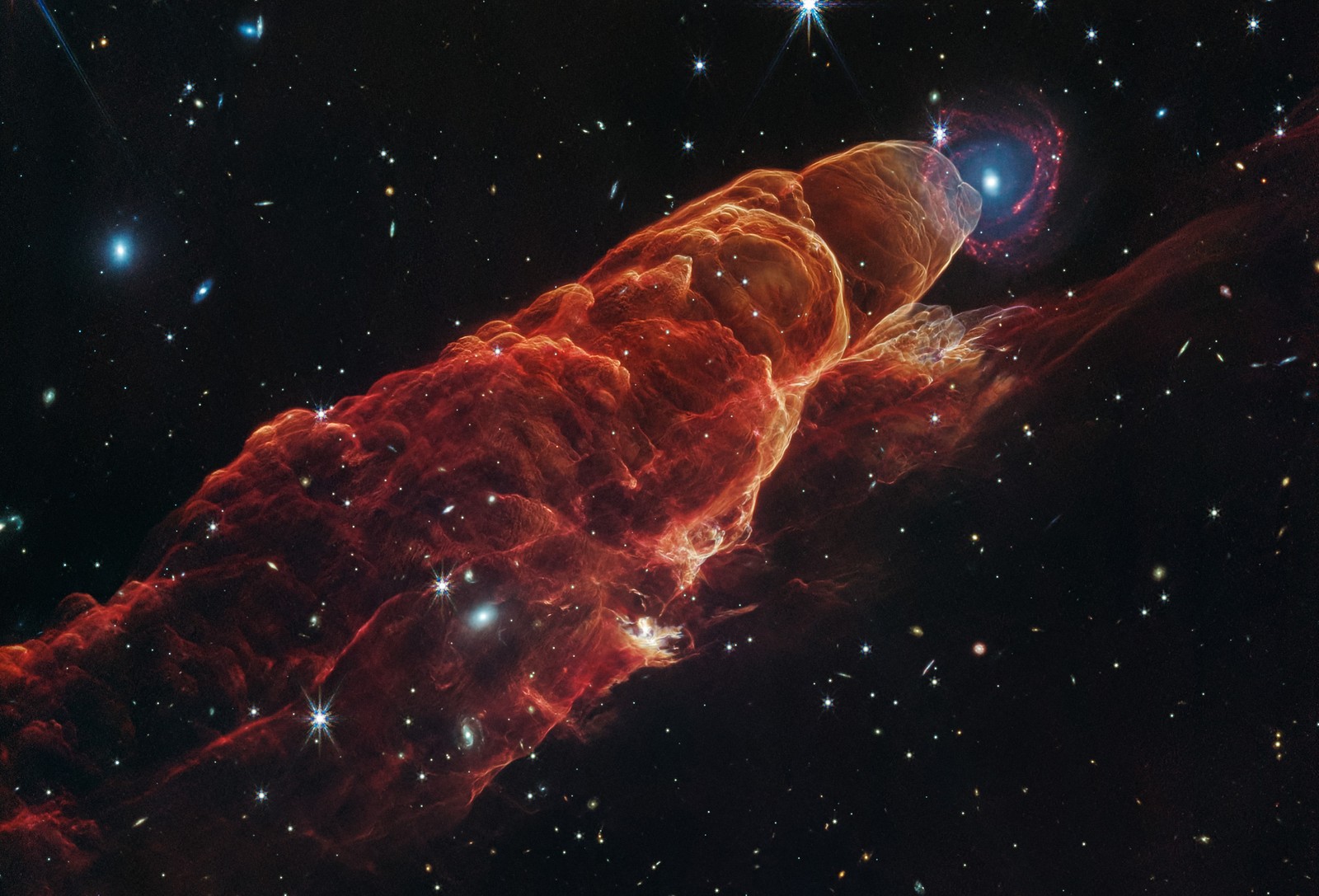
The James Webb Space Telescope captured this image of Herbig-Haro 49/50, about 630 light-years from Earth. Energetic jets from a nearby newly-forming star are plowing into a region of dense gas and dust, heating it up and creating an almost tornado-like shape in the night sky. The object visible at the “tip” of the tornado is actually a much more distant spiral galaxy, unrelated to the closer Herbig-Haro object.
ESA / Webb, NASA & CSA, A. Adamo, and the FEAST JWST team
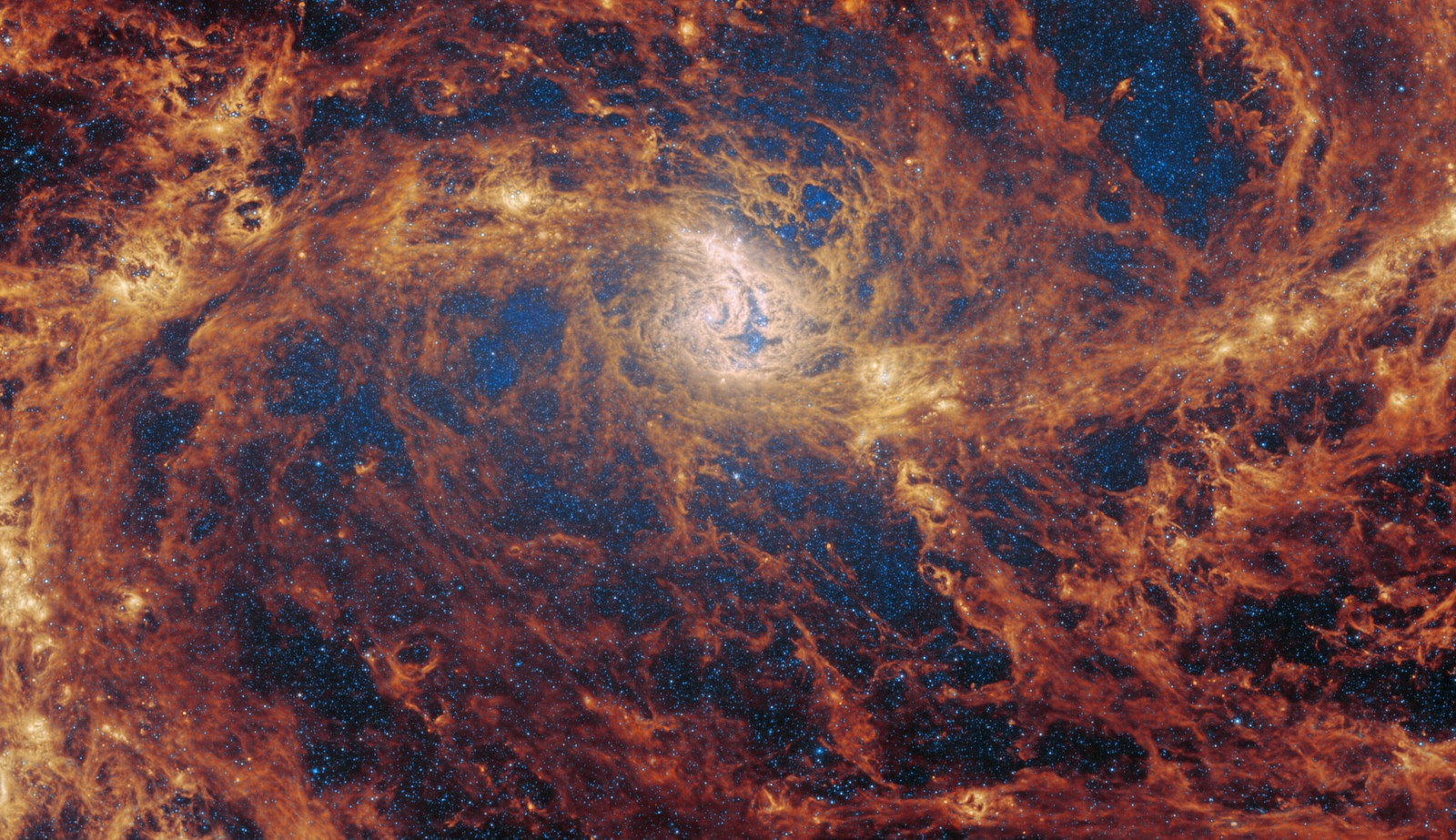
Spiral galaxy M83, also known as the Southern Pinwheel, lies about 15 million light-years away from Earth. Recent observations by the James Webb Space Telescope revealed the presence of highly ionized neon gas—evidence that suggests the presence of a long-sought supermassive black hole at the heart of the galaxy.
NASA, ESA, STScI
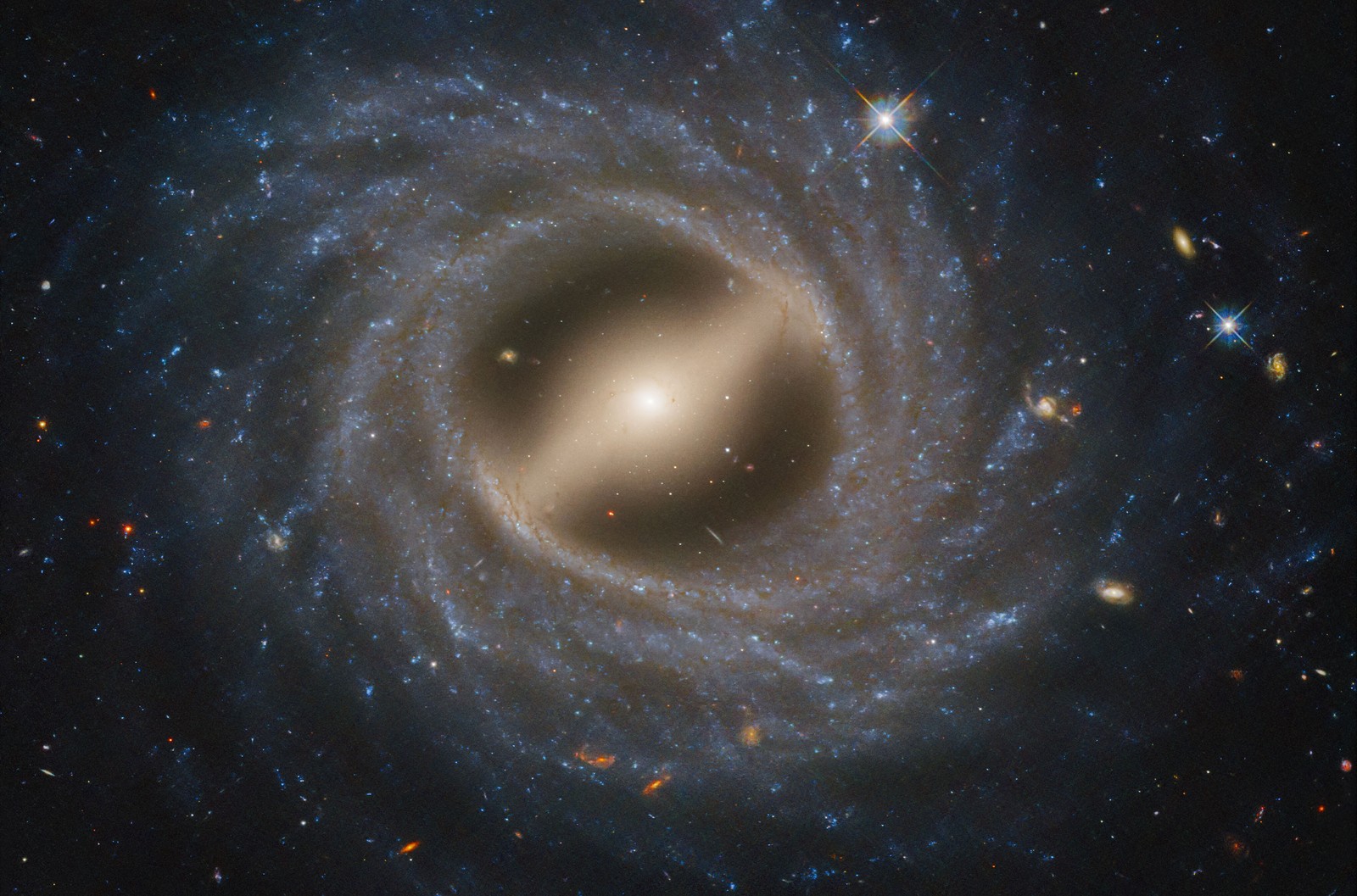
This galaxy, NGC 5335, is categorized as a flocculent spiral galaxy, displaying a striking barlike structure across its center. The bar channels gas inwards toward the galactic center, fueling star formation. NGC 5335 lies about 235 million light-years away, seen here head-on, backdropped by dozens of other, more distant galaxies.
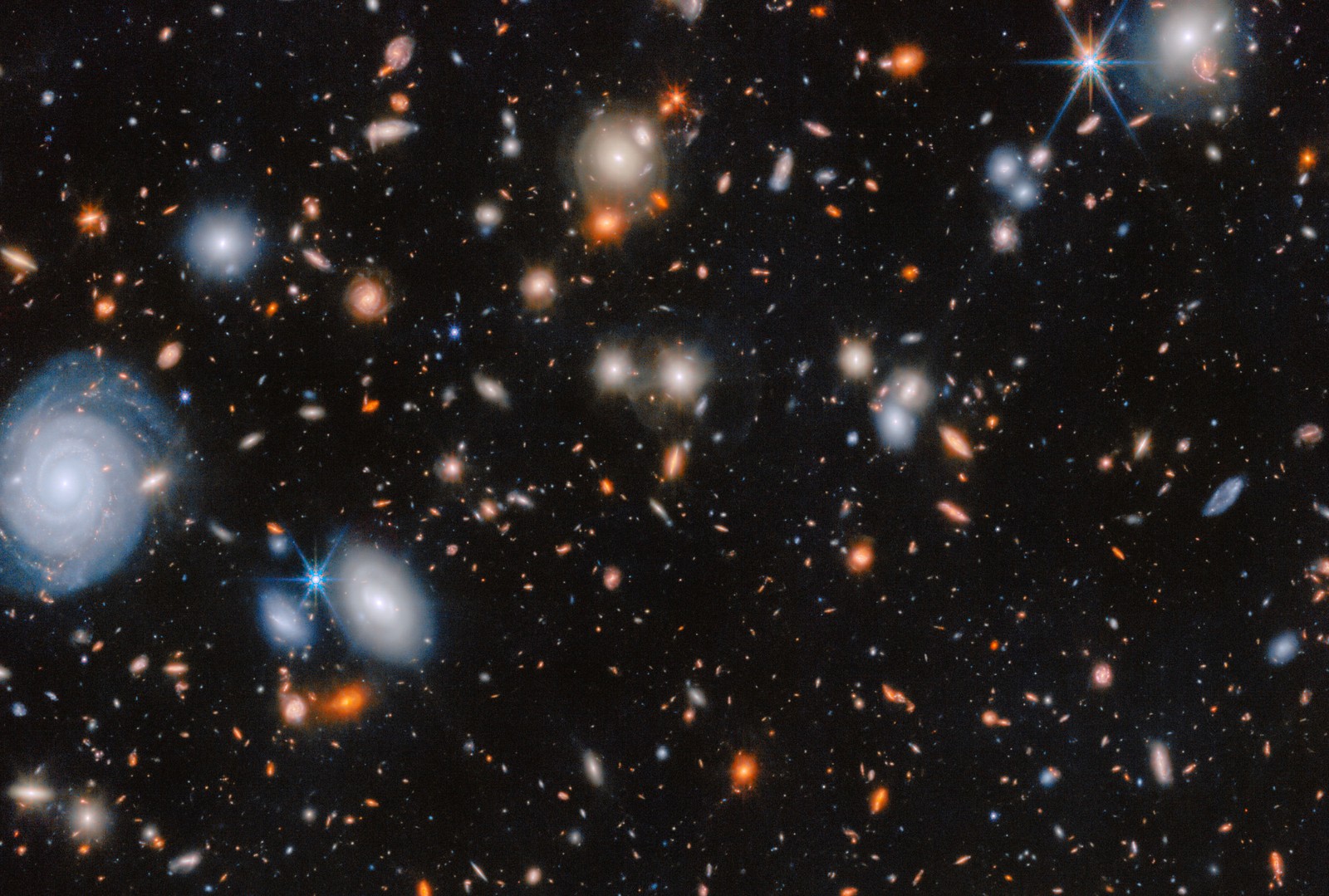
ESA / Webb, NASA & CSA, G. Rihtaršič, R. Tripodi
The James Webb Space Telescope pointed its Near-Infrared Camera toward the galaxy cluster MACS J1149.5+2223 and captured this image of hundreds of galaxies at varying distances and of different sizes, shapes, and colors—showing only a small section of the cluster.
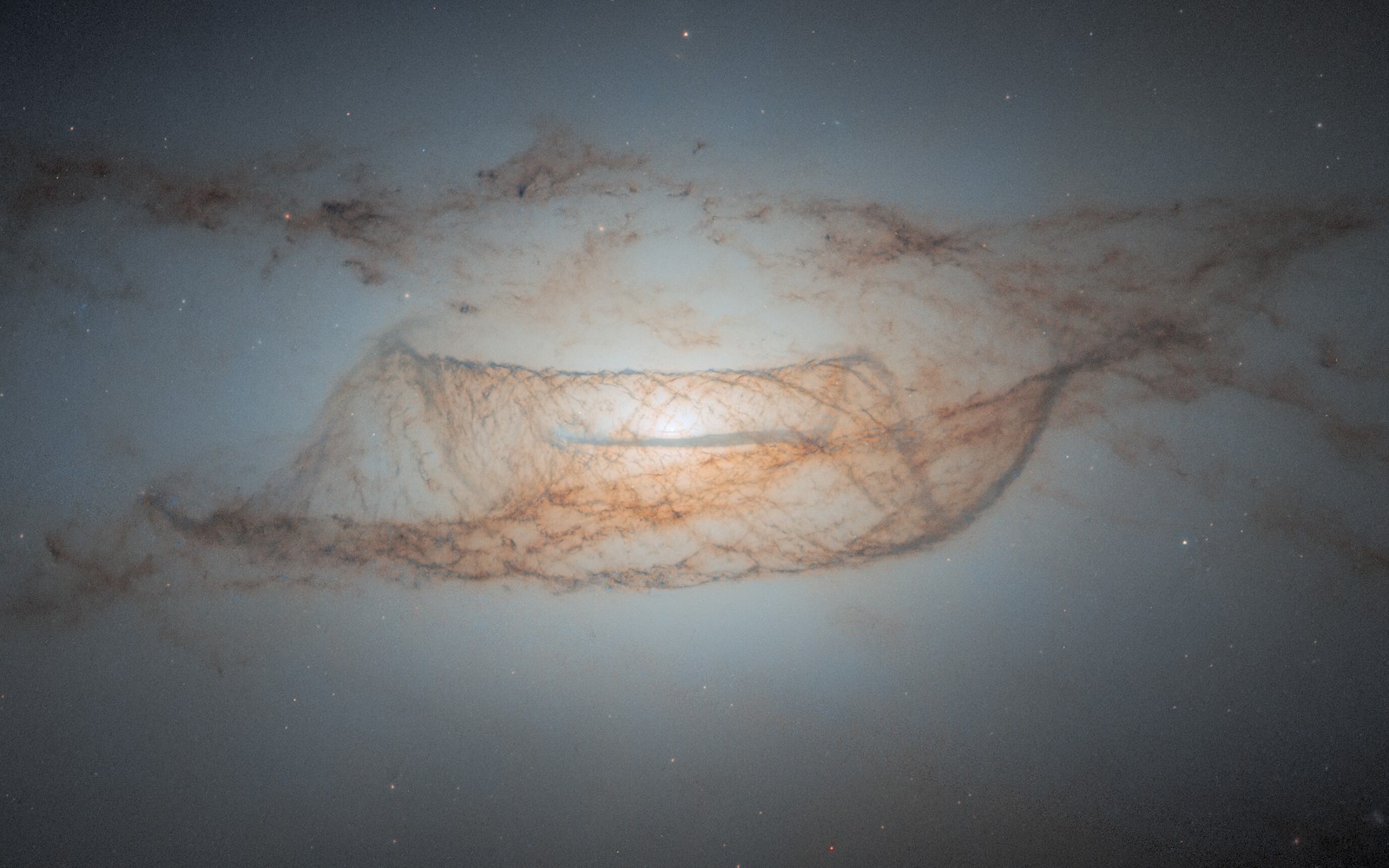
ESA / Hubble & NASA, L. Kelsey
The Hubble Space Telescope recently gathered this image of lenticular galaxy NGC 4753, about 60 million light-years away. Scientists believe this object to be the result of an earlier merging of two galaxies, which is still flattening and throwing off waves of dust lanes.
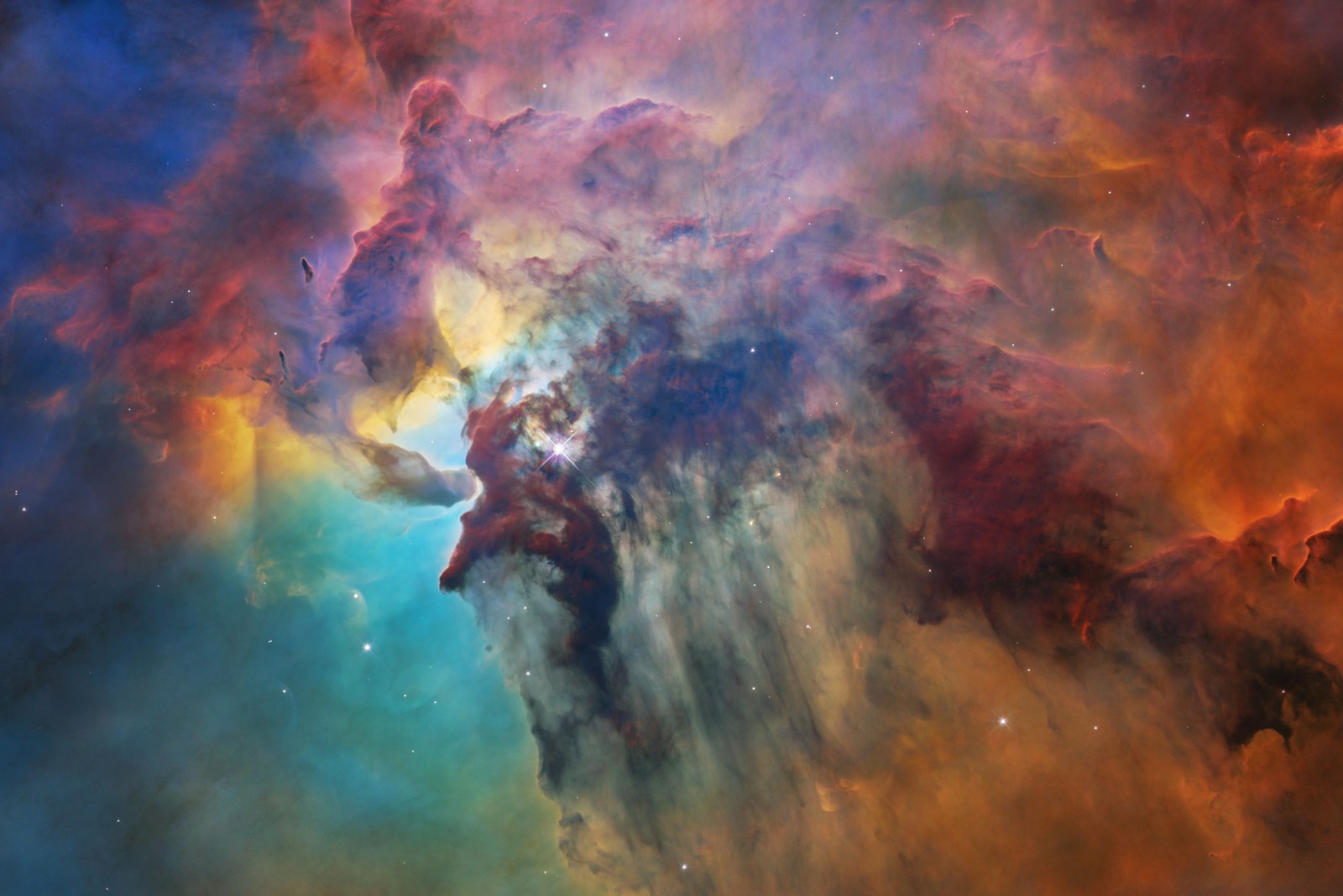
NASA, ESA, STScI
Back in 2018, to celebrate its 28th anniversary in space, scientists pointed the Hubble Space Telescope at the Lagoon Nebula, a roiling cloud of gas and dust about 4,000 light-years away, to capture this image, which shows just a small section of a much larger star-forming region.
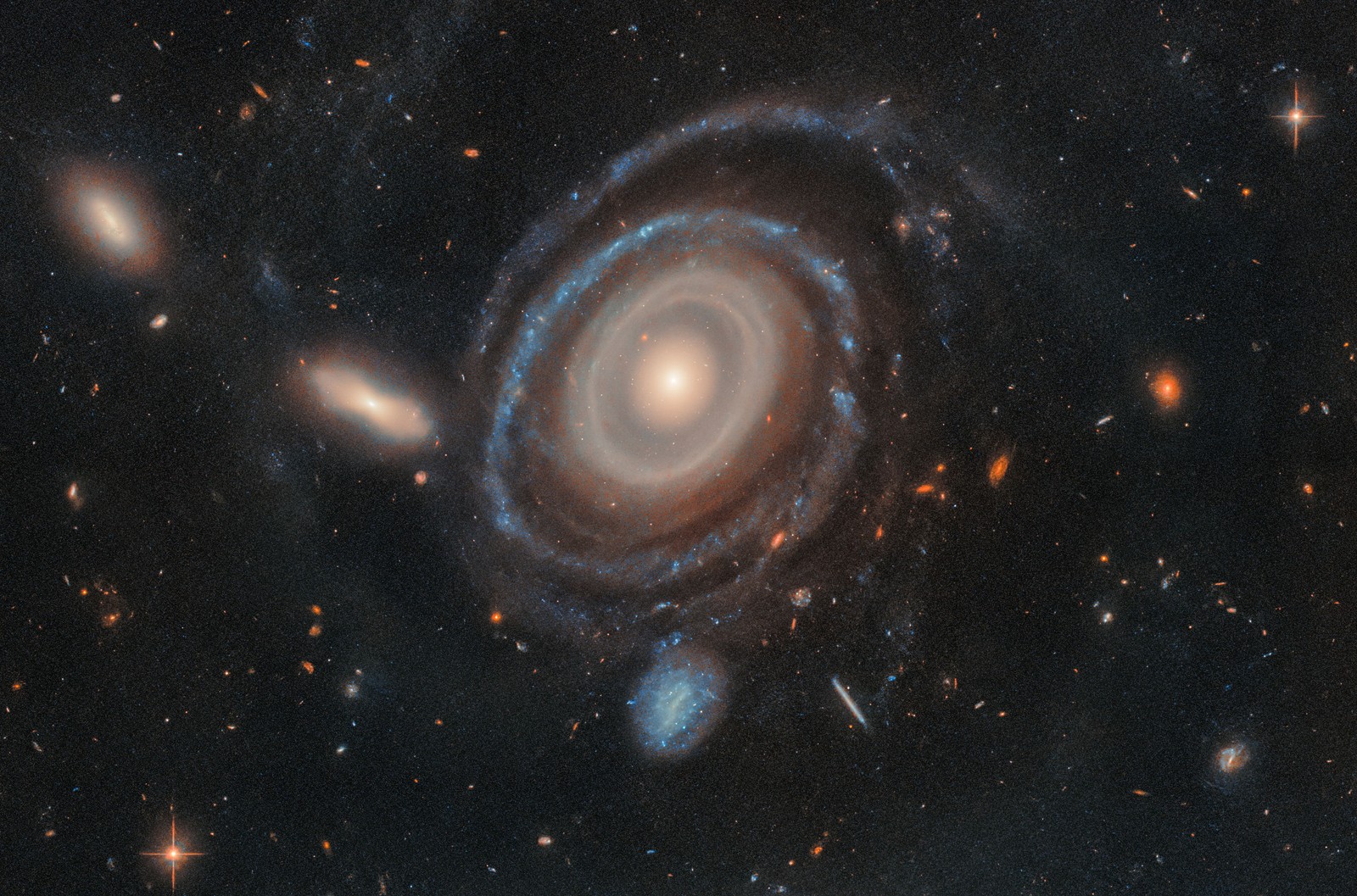
NASA, ESA, I. Pasha, P. van Dokkum
This recent image of LEDA 1313424, nicknamed the Bullseye Galaxy, was made by the Hubble Space Telescope. Scientists believe that the smaller blue galaxy seen here just below the Bullseye crashed through the heart of the larger galaxy about 50 million years ago, creating enormous rings in its wake like ripples in a pond.
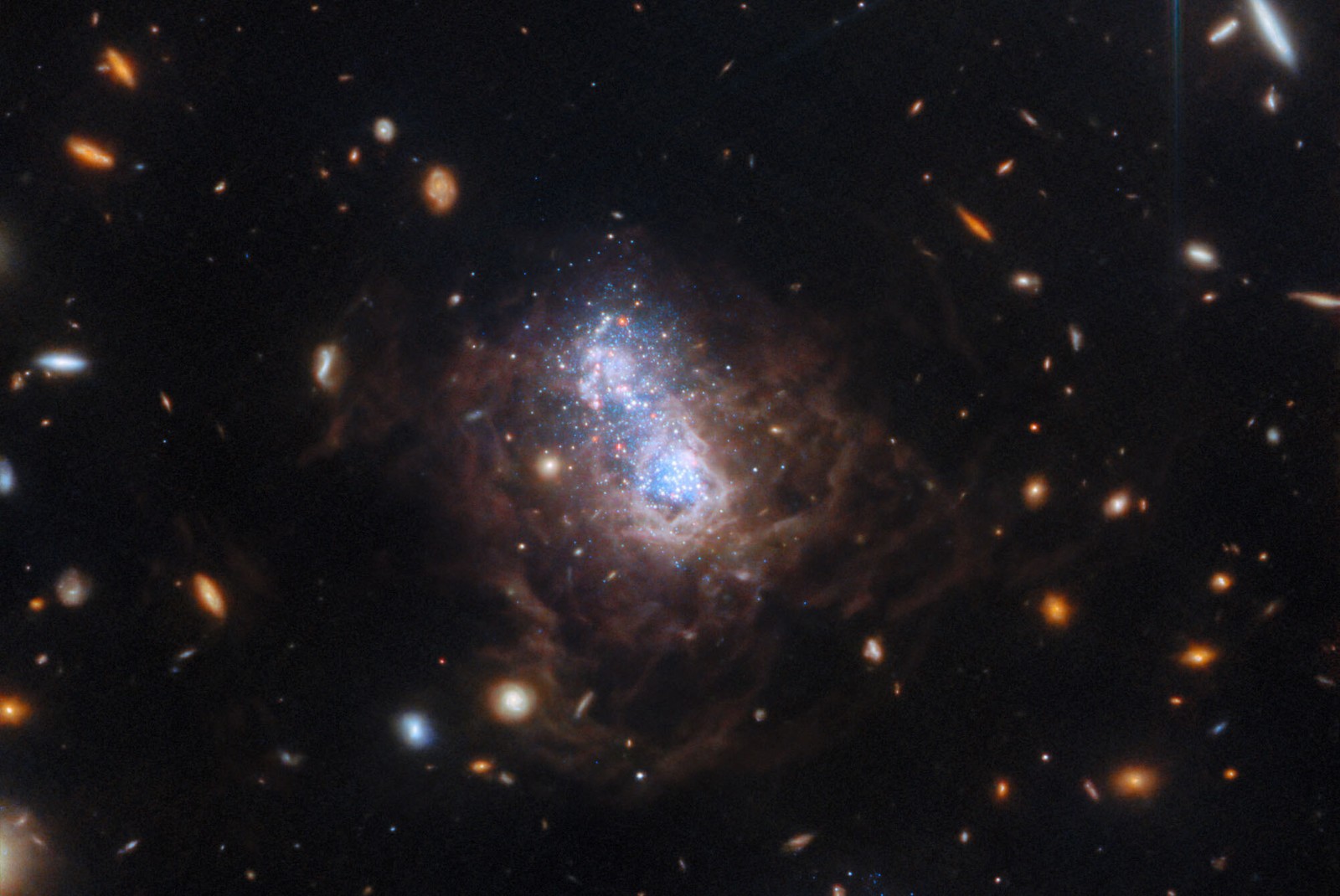
ESA / Webb, NASA, CSA, A. Hirschauer, M. Meixner et al.
Last year, the James Webb Space Telescope made this observation of a dwarf irregular galaxy named I Zwicky 18, some 59 million light-years away from Earth. At the heart of the galaxy are two major star-forming regions surrounded by clouds of gas that have been sculpted by the stellar winds of the hot, young stars.
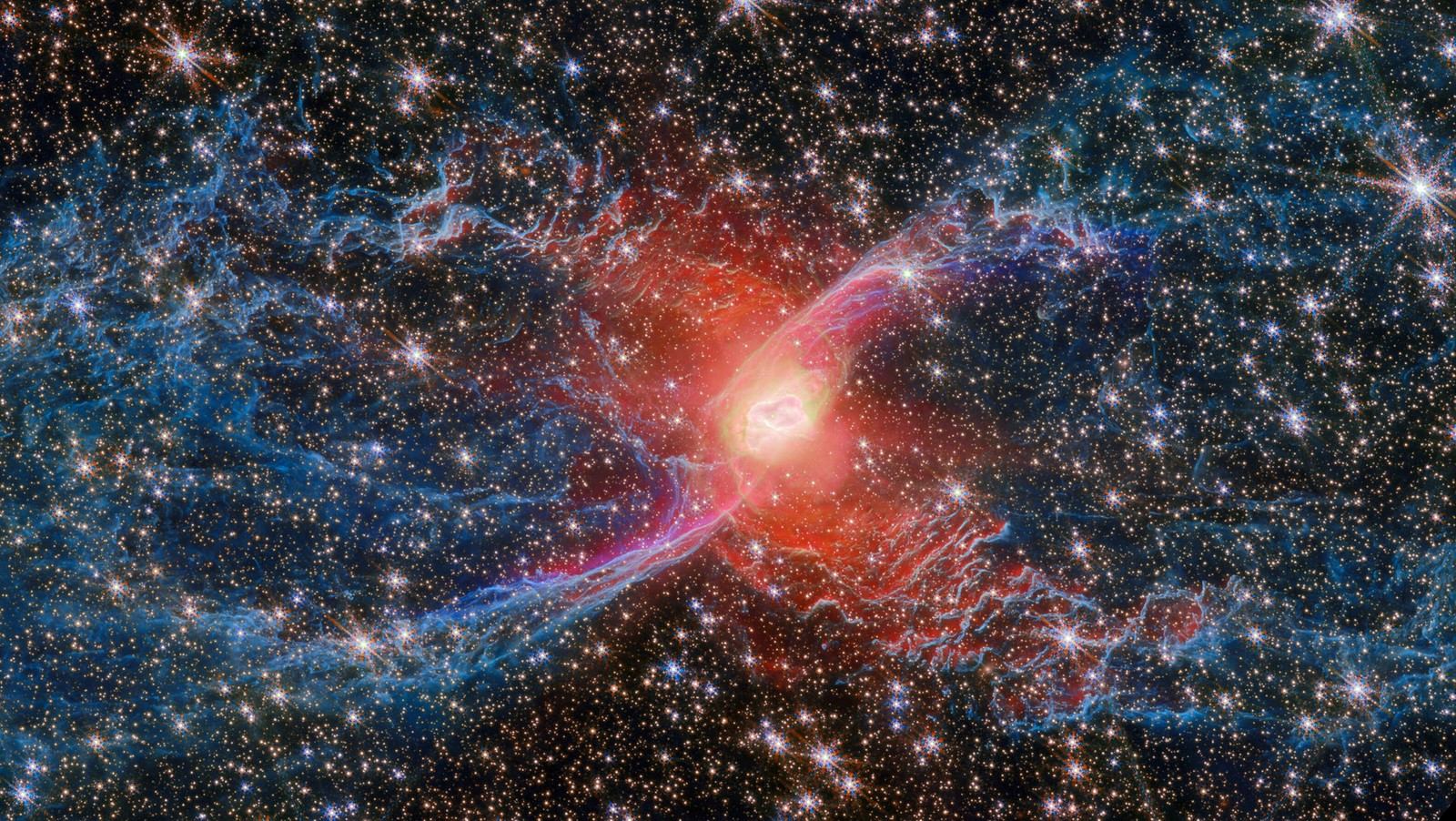
ESA / Webb, NASA & CSA, J. H. Kastner
About 5,000 light-years away, the Red Spider Nebula is the result of the spectacular final act of a dying star. The James Webb Space Telescope recently imaged this planetary nebula, showing the glowing outer layers of the star—which have been cast off for thousands of years, blasted into space in all directions—against a backdrop of countless other stars in our own galaxy.
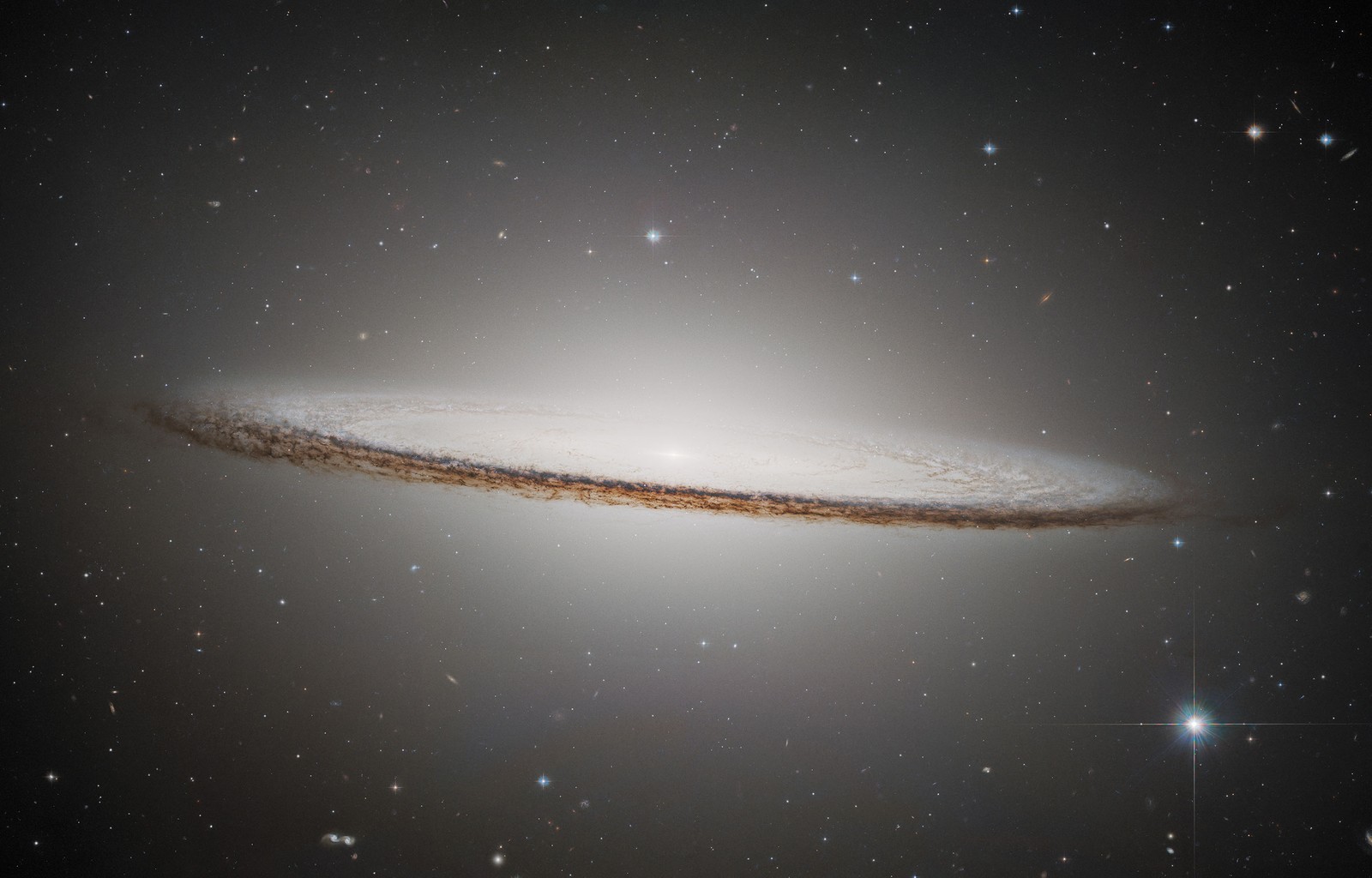
ESA / Hubble & NASA, K. Noll
First discovered in 1781 by the French astronomer Pierre Méchain, the Sombrero Galaxy lies about 30 million light-years away, and is well known for its distinctive dark ring of dust, seen here edge-on.

NASA, ESA, CSA, and STScI, J. DePasquale
The James Webb Space Telescope peered inside a region at the edge of a gigantic gaseous cavity within the star cluster NGC 3324. The cluster, about 9,100 light-years away, near the Carina Nebula, is believed to be fairly young, only about 12 million years old.
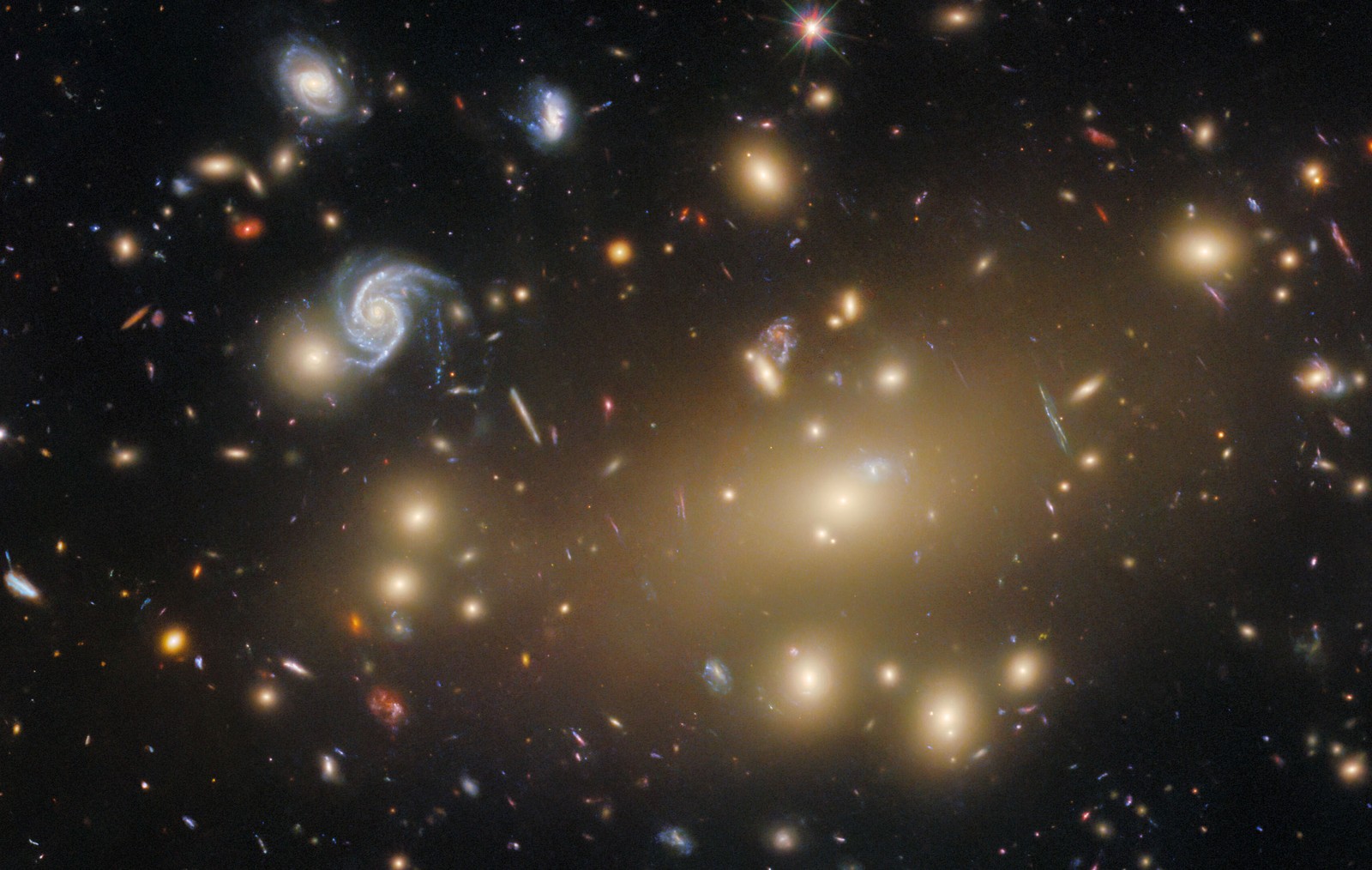
ESA / Hubble & NASA, M. Postman, P. Kelly
This Hubble view of Galaxy Cluster Abell 209, about 2.8 billion light-years away, shows more than 100 galaxies. The incredible mass of the galaxies together warps and magnifies images of background galaxies and stars in a process called gravitational lensing, which can be seen in the stretched and smeared clumps toward the center of the image.
NASA, ESA, CSA, and STScI
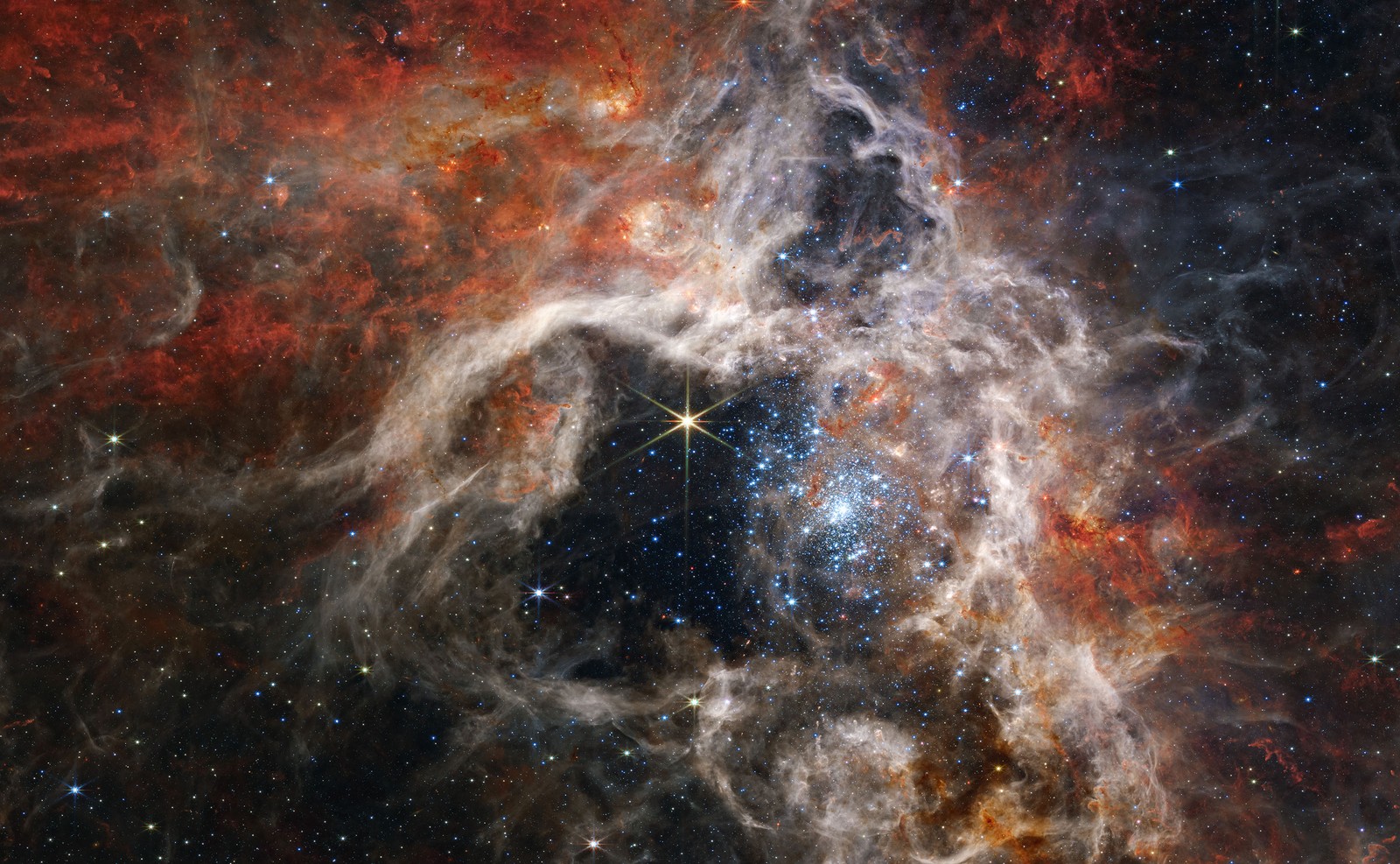
This image, made by the James Webb Space Telescope, features the Tarantula Nebula’s star-forming region, seen here about 161,000 light-years away. The nebula’s cavity has been hollowed out by radiation blasting from a cluster of massive young stars that sparkle pale blue in the image.
ESA / Hubble & NASA, J. Dalcanton, Dark Energy Survey / DOE / FNAL / NOIRLab / NSF / AURA
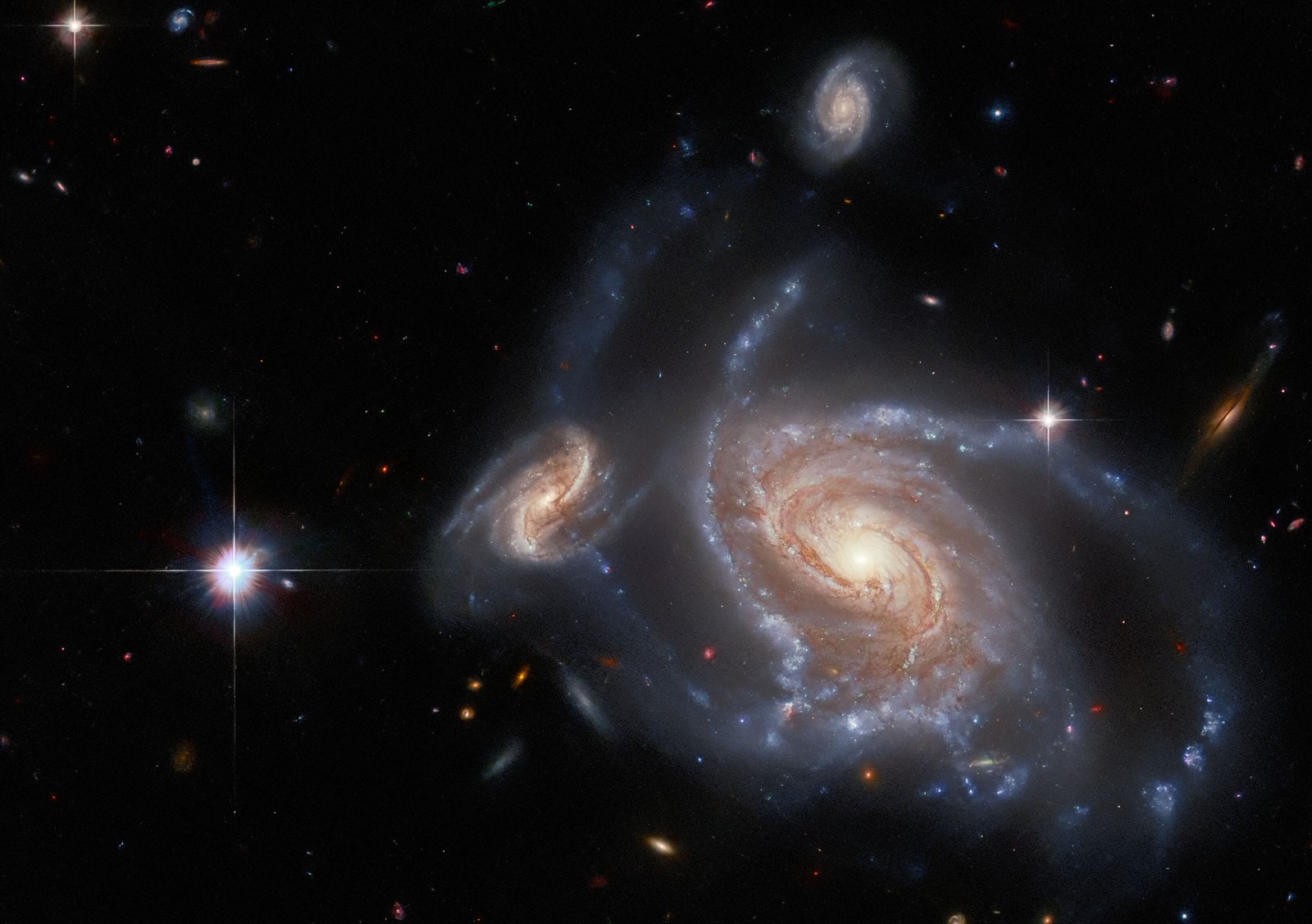
This Hubble image features a trio of galaxies that appear to be very close together, but appearances can be deceiving. The large spiral galaxy at the bottom right is NGC 1356. The two apparently smaller spiral galaxies flanking it are LEDA 467699 (top) and LEDA 95415 (left). Although the two galaxies at the bottom of the image appear to be near each other, NGC 1356 is a mere 550 million light-years away from Earth, and its companion in the sky, LEDA 95415, lies 840 million light-years away—another nearly 300 million light-years farther from us.
ESA / Webb, NASA & CSA, H. Atek, M. Zamani
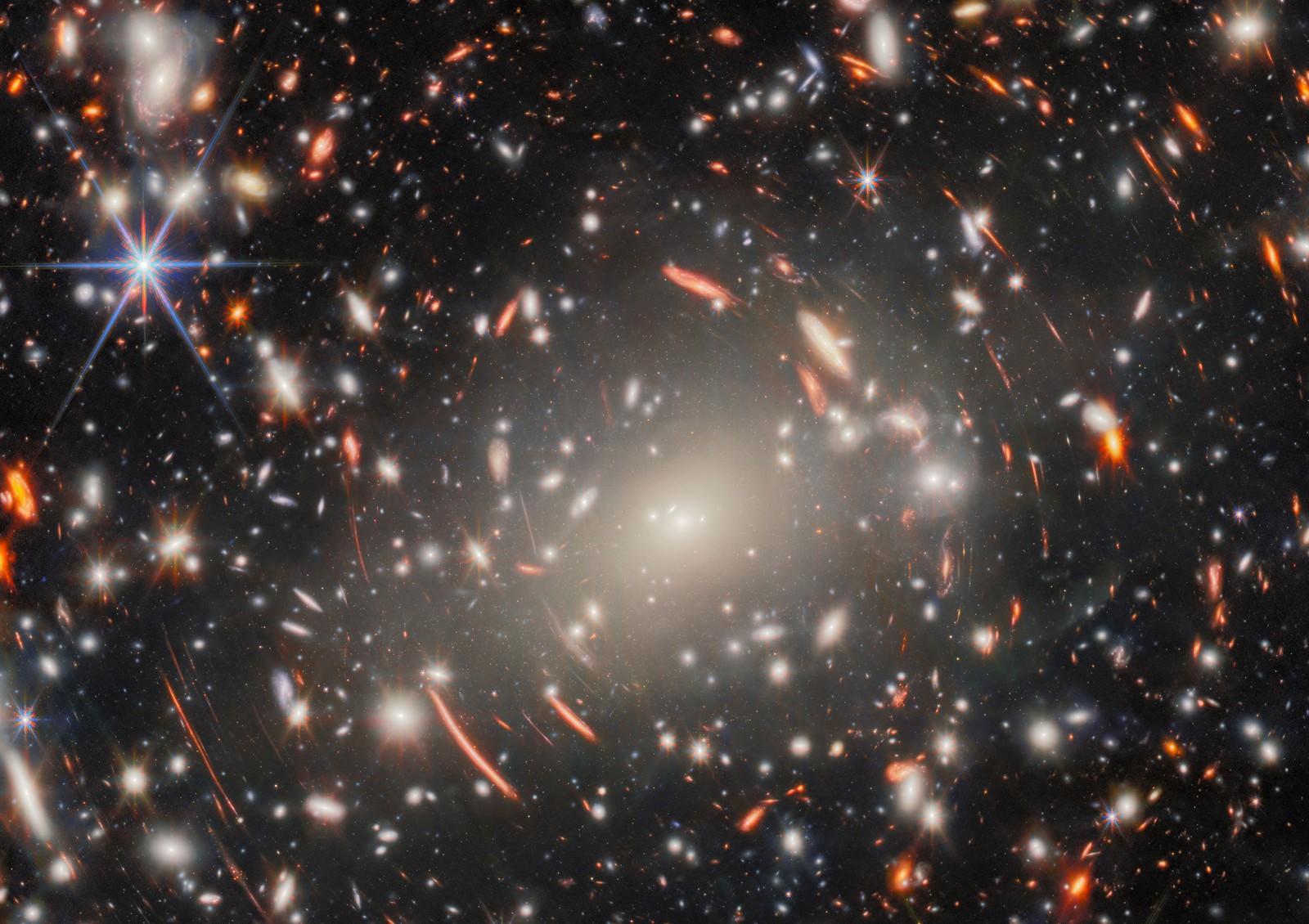
Galaxies in this James Webb Space Telescope image appear to be stretched into arcs and lines, their appearance warped and magnified by powerful gravitational lensing in Galaxy Cluster Abell S1063, which bends the light of more distant galaxies as it passes through on its way to Earth.
NASA, ESA, CSA, STScI, Joseph DePasquale, Alyssa Pagan
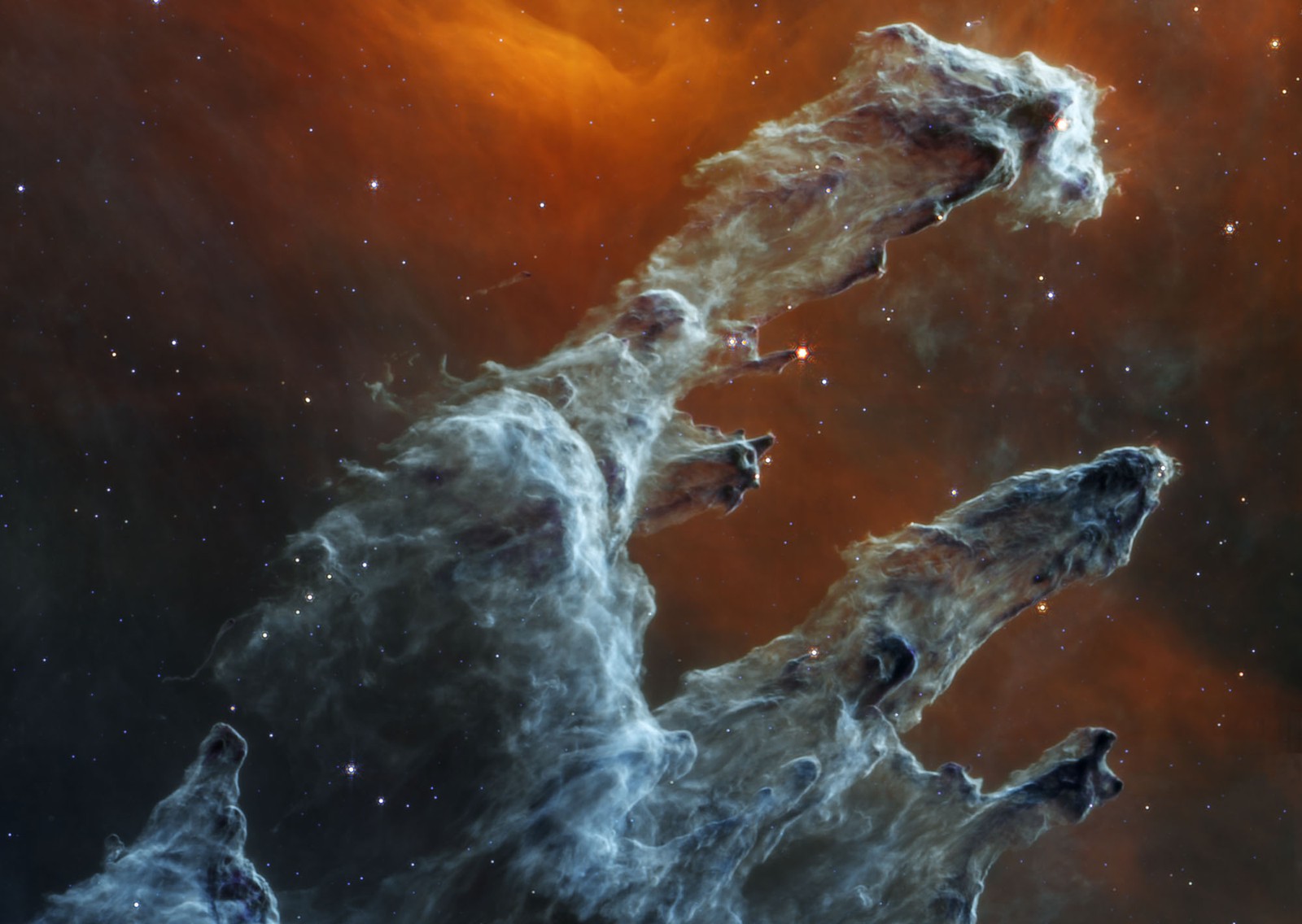
This is the James Webb Space Telescope’s mid-infrared view of the Pillars of Creation, trunks of interstellar gas and dust in the Eagle Nebula, about 7,000 light-years away. The mid-infrared view allows scientists to focus on the dense dust in the star-forming regions within these massive pillars.
Merry Christmas, everyone!
About the Author

Alan Taylor is a senior editor at The Atlantic.
Explore More Topics