The Colors of the World, Seen From the International Space Station
Recent photographs from crew members aboard the ISS show some spectacular views of auroras, moonsets, the Milky Way, and more, seen from from their vantage point in orbit.
This article was featured in The Wonder Reader, a newsletter in which our editors recommend a set of stories to spark your curiosity and fill you with delight. Sign up here to get it every Saturday morning.
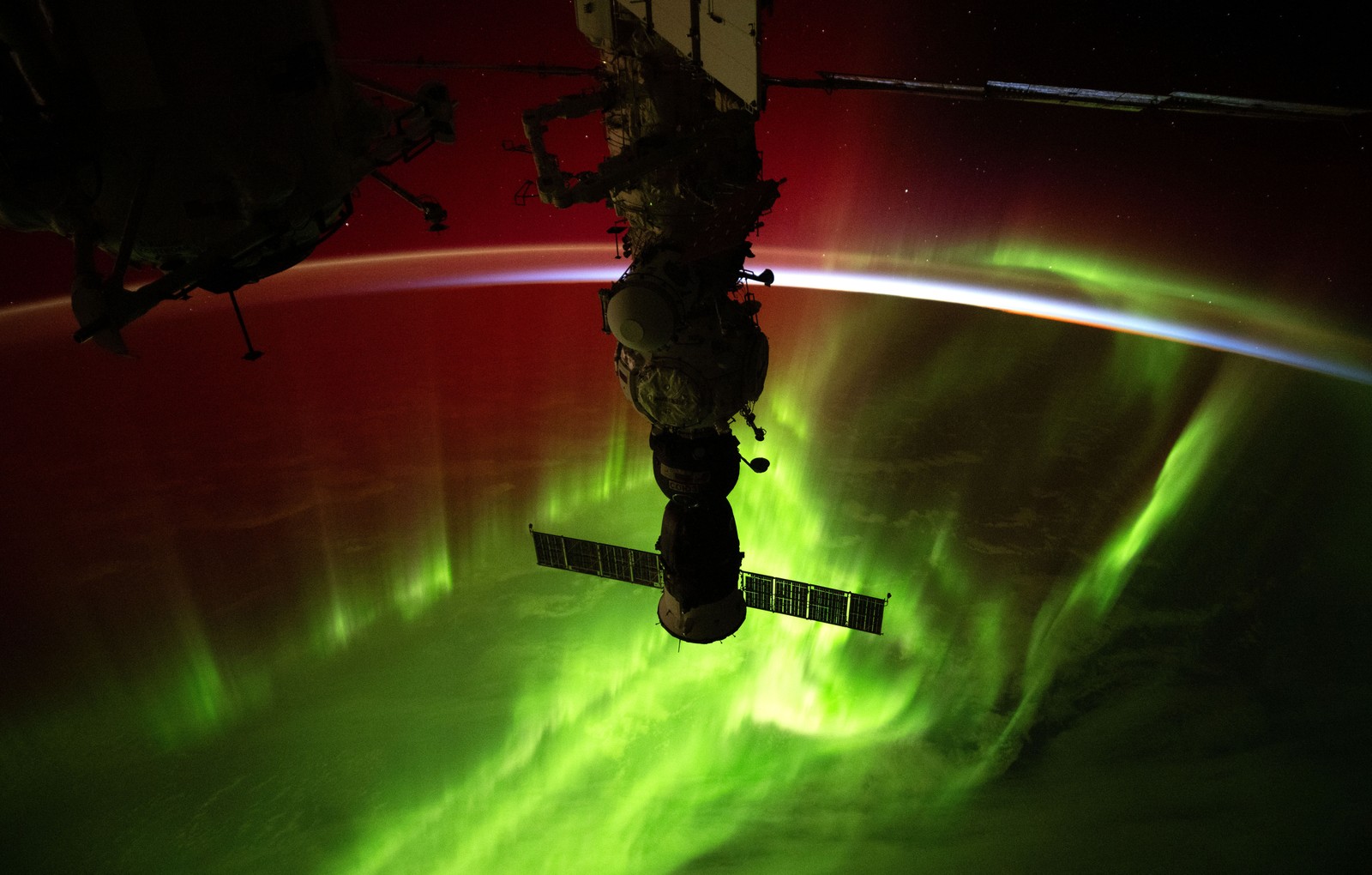
Nichole Ayers / NASA
Green and red displays from the southern lights (aurora australis) appear above the Earth, seen from the orbiting International Space Station, south of Australia, on April 21, 2025.
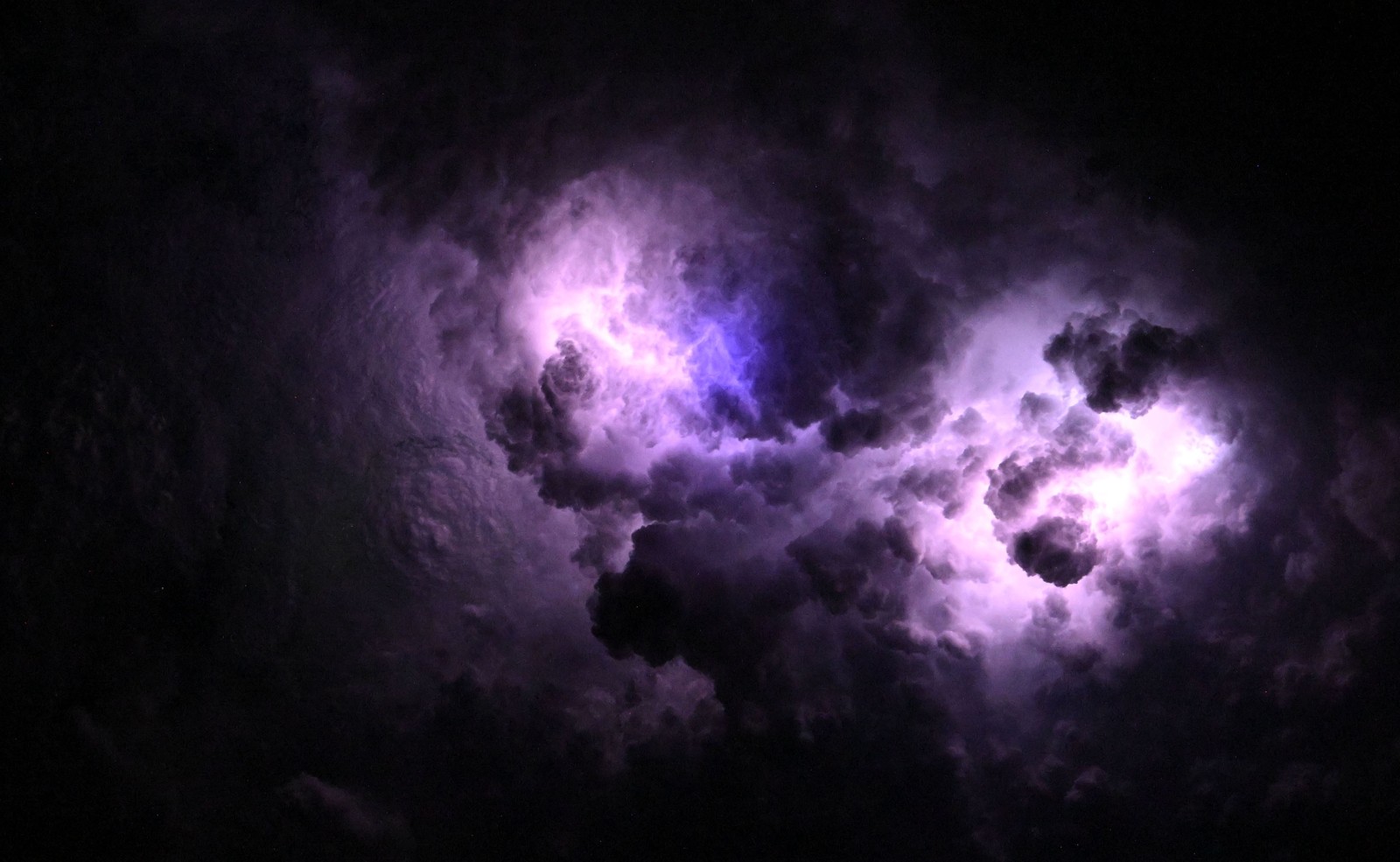
Nichole Ayers / NASA
Lightning flashes among cloud formations above Indonesia, seen on June 22, 2025.
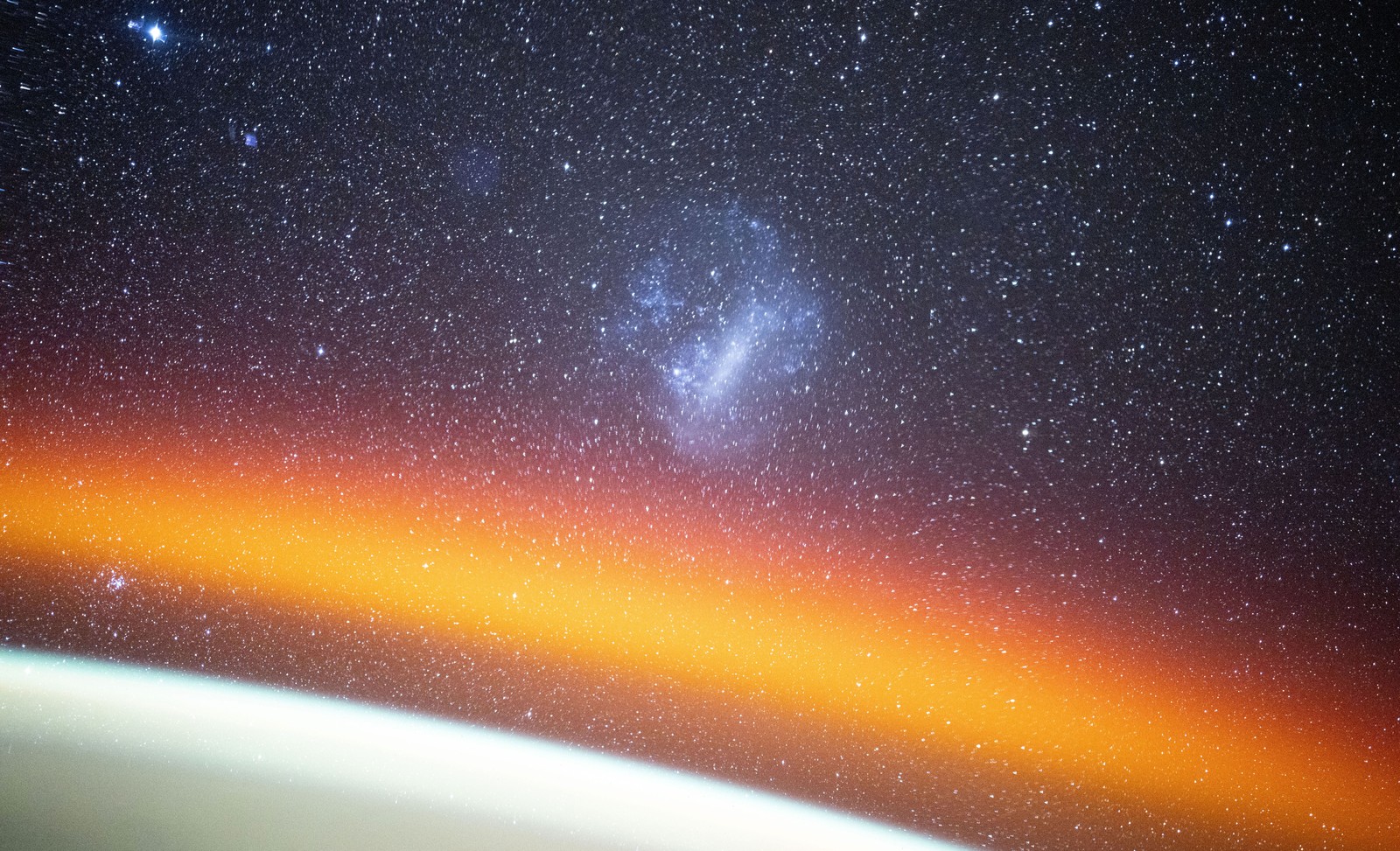
Don Pettit / NASA
The Large Magellanic Cloud appears among a starry backdrop above Earth’s atmospheric glow in this long-duration photograph from the International Space Station as it orbited 260 miles above the Pacific Ocean off the coast of Mexico on November 26, 2024.
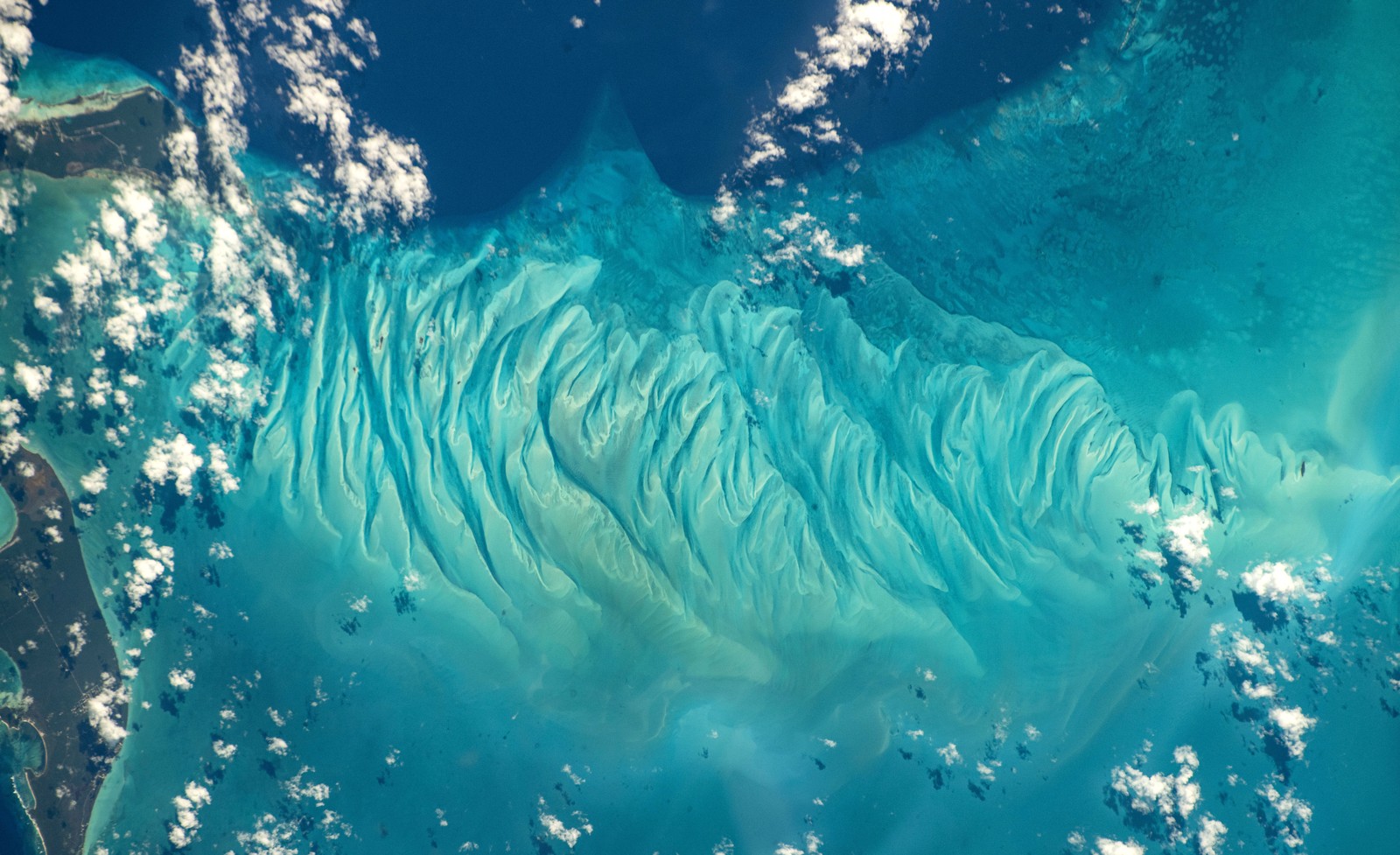
Nick Hague / NASA
Swirling formations in the shallow sea floor, seen in the Bahamas on October 20, 2024
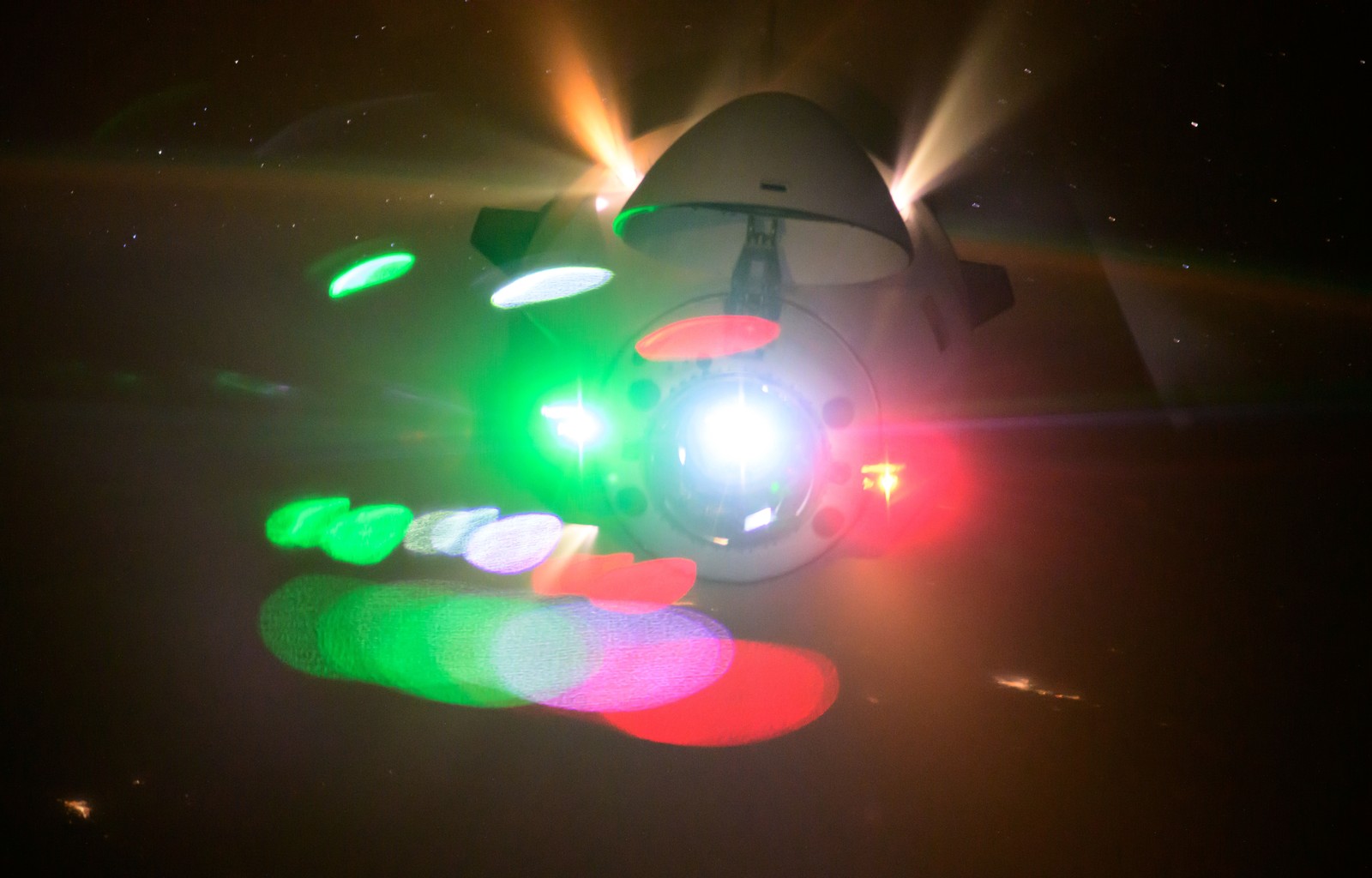
Don Pettit / NASA
Thrusters fire while red and green navigation lights shine from the Crew Dragon Freedom spacecraft as it approaches the ISS on September 29, 2024, carrying four new crew members.
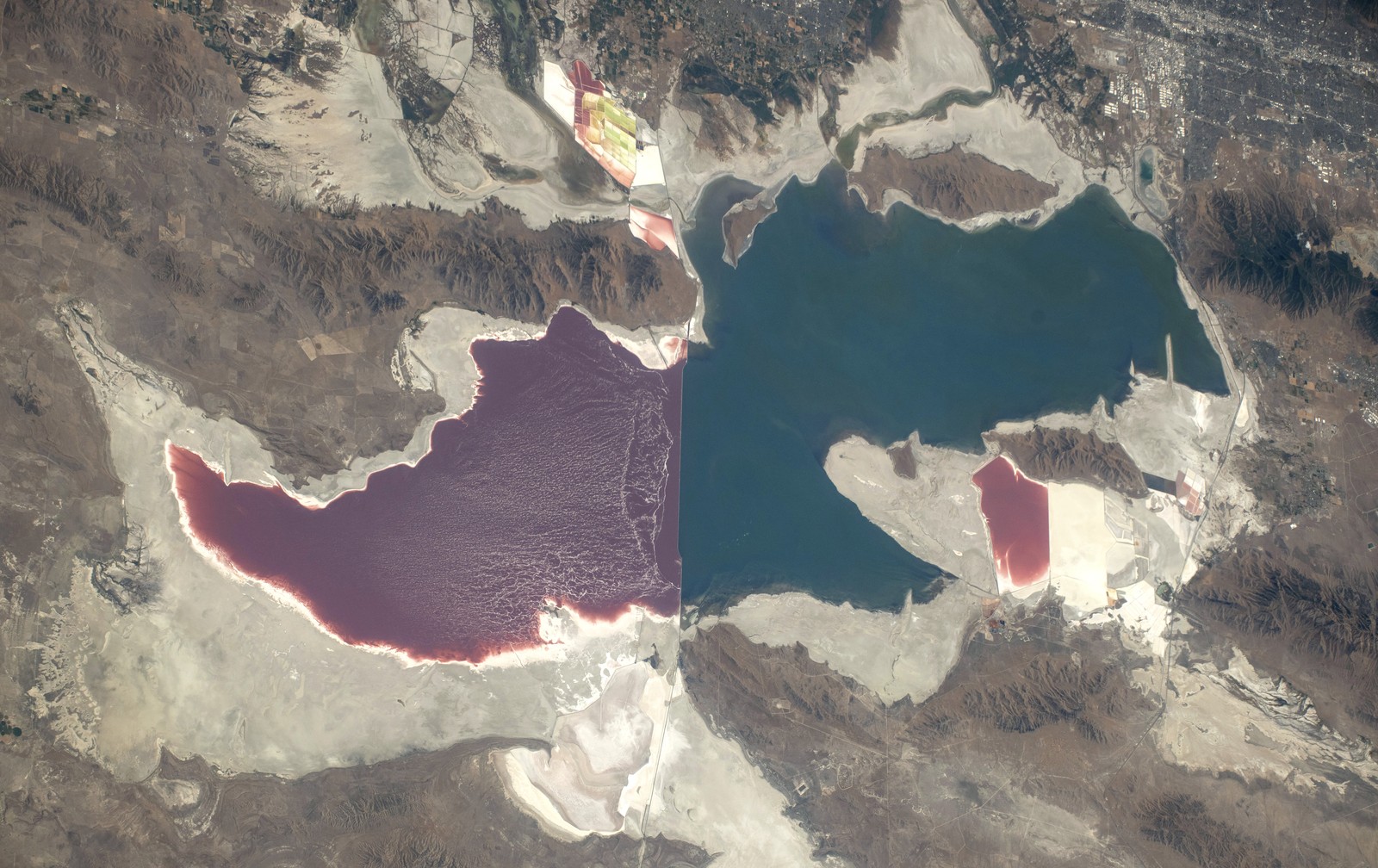
Nichole Ayers / NASA
The differing colors of Utah’s Great Salt Lake, seen on August 3, 2025. Variations in the salinity of the lake water, which is separated roughly in half by a causeway, account for the differences in color.
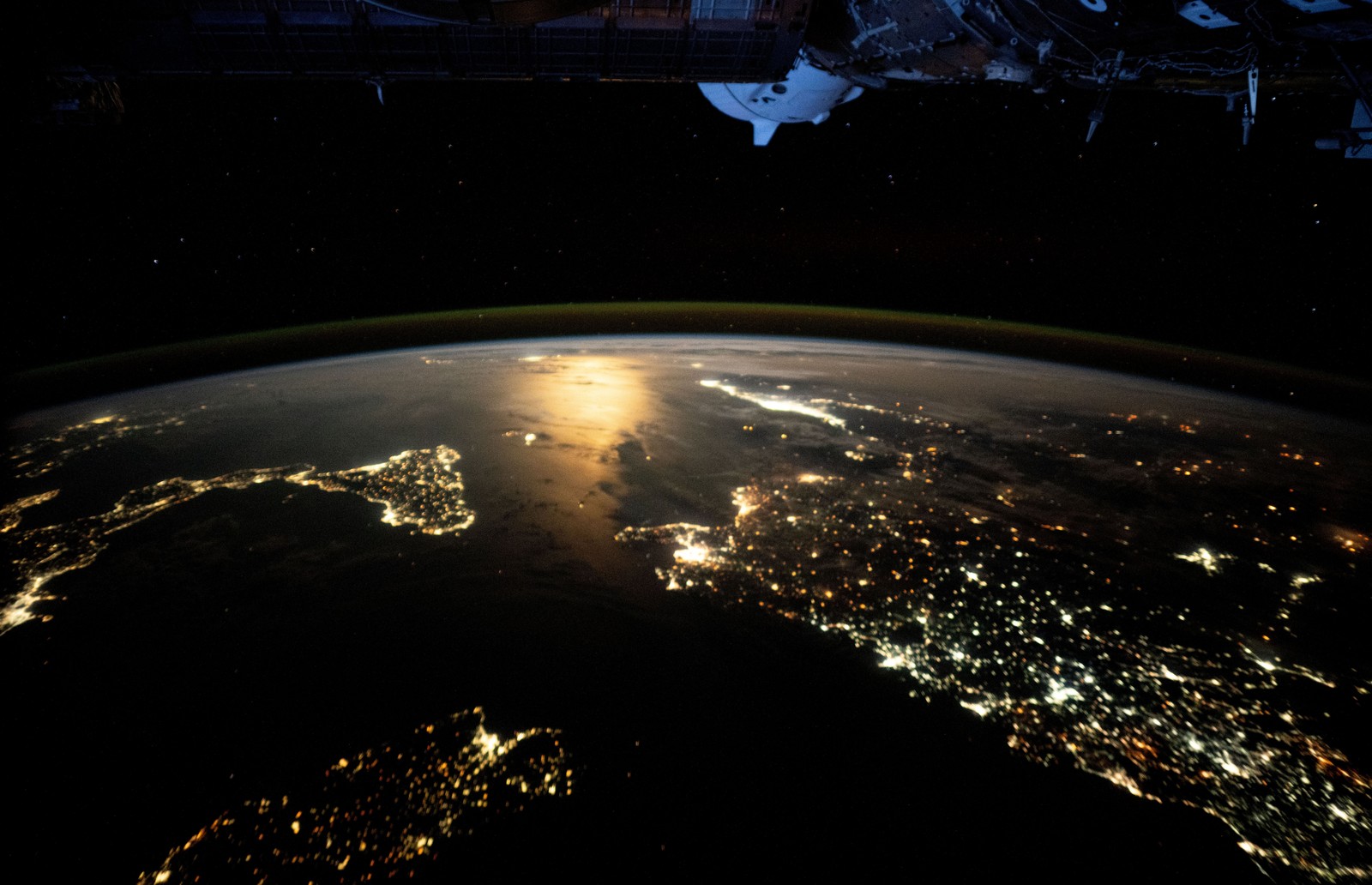
Anne McClain / NASA
Moonrise over the Mediterranean, seen on May 17, 2025
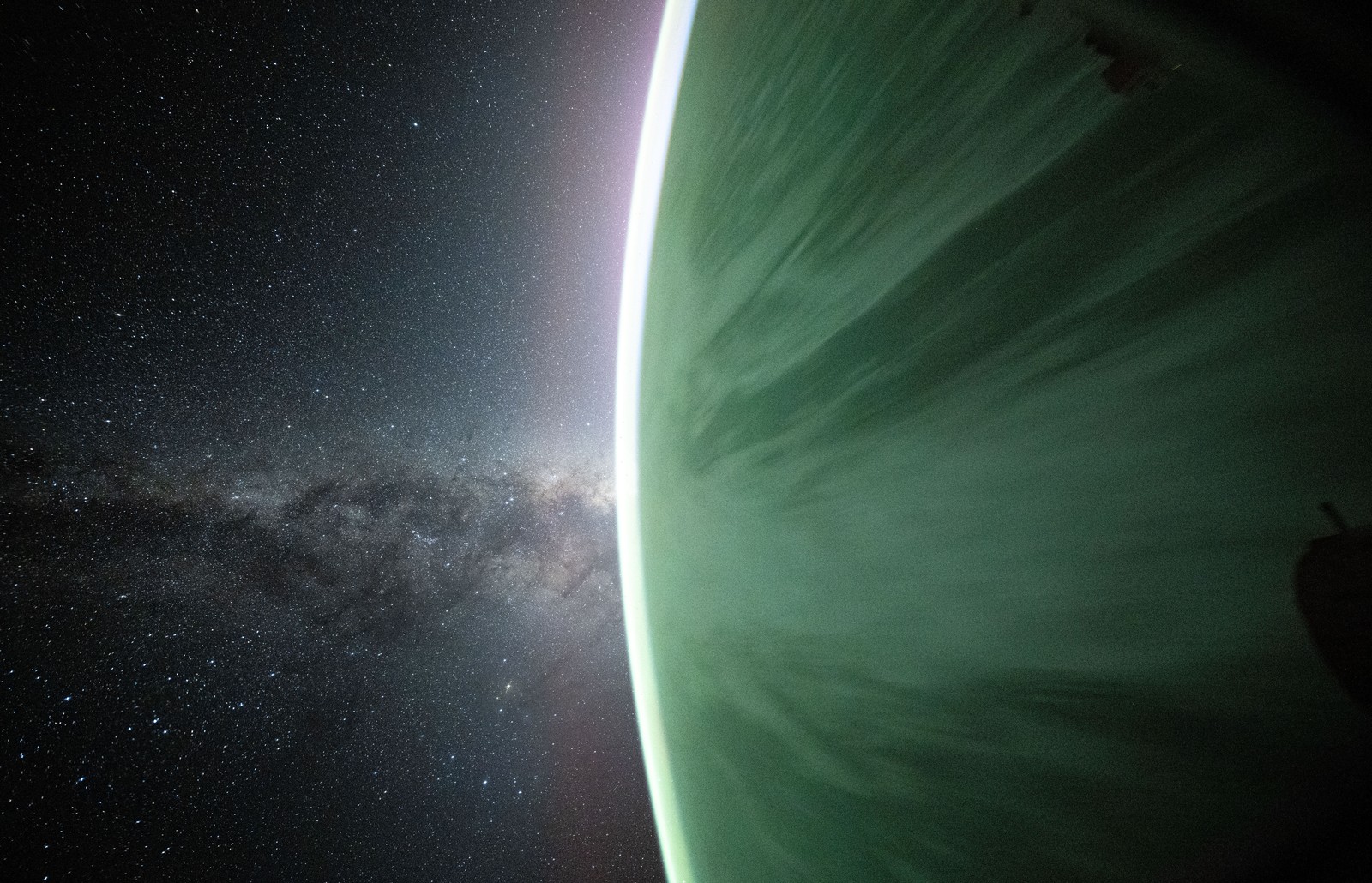
Don Pettit / NASA
The Milky Way appears beyond Earth’s horizon in this photograph captured by NASA astronaut Don Pettit using a camera with low light and long duration settings, pointed out a window on the SpaceX Dragon crew spacecraft on January 29, 2025. The International Space Station was orbiting 265 miles above the Pacific Ocean off the coast of Chile just before sunrise.
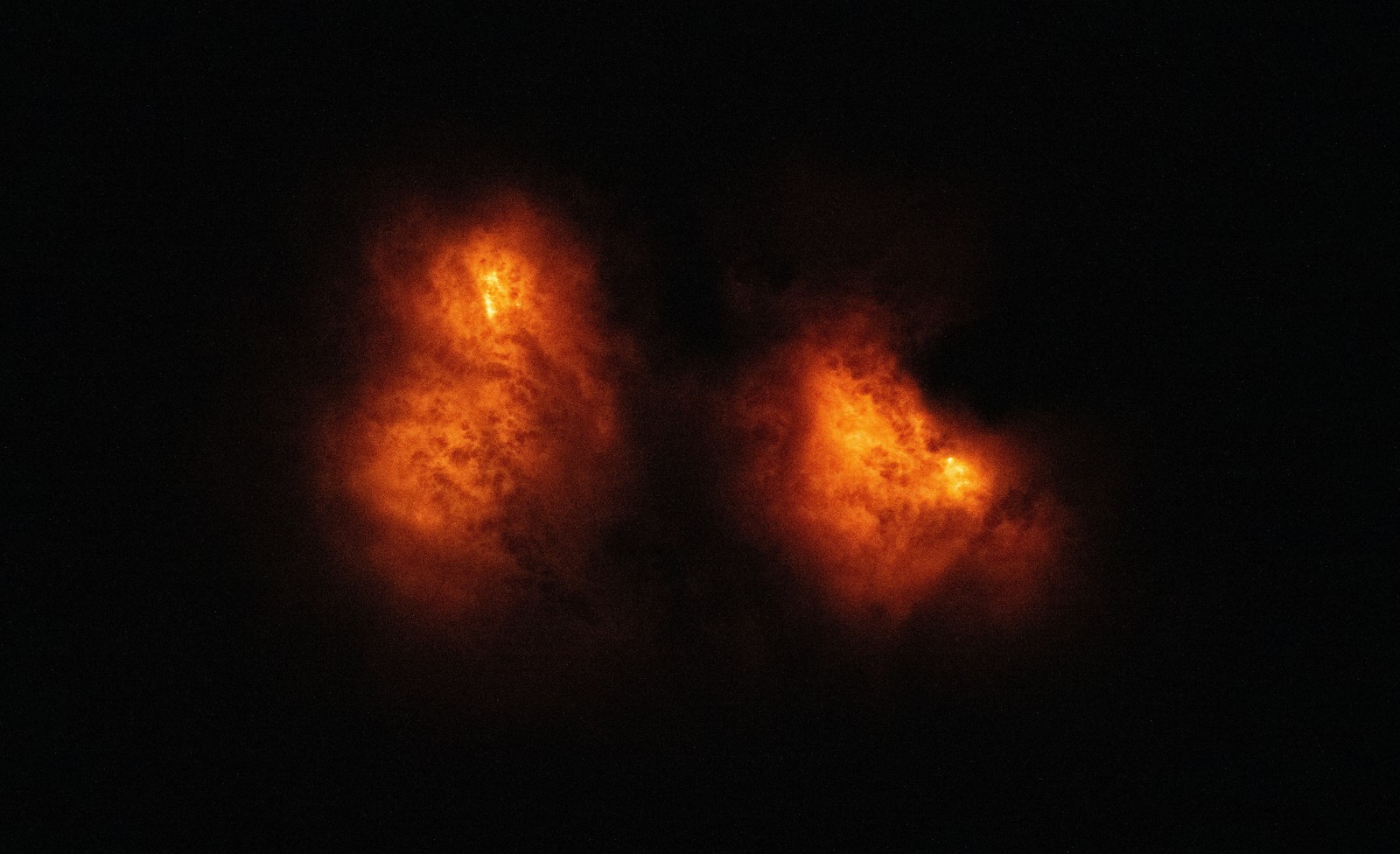
Anne McClain / NASA
Massive wildfires in central Australia, seen through smoke and haze at night, on May 25, 2025
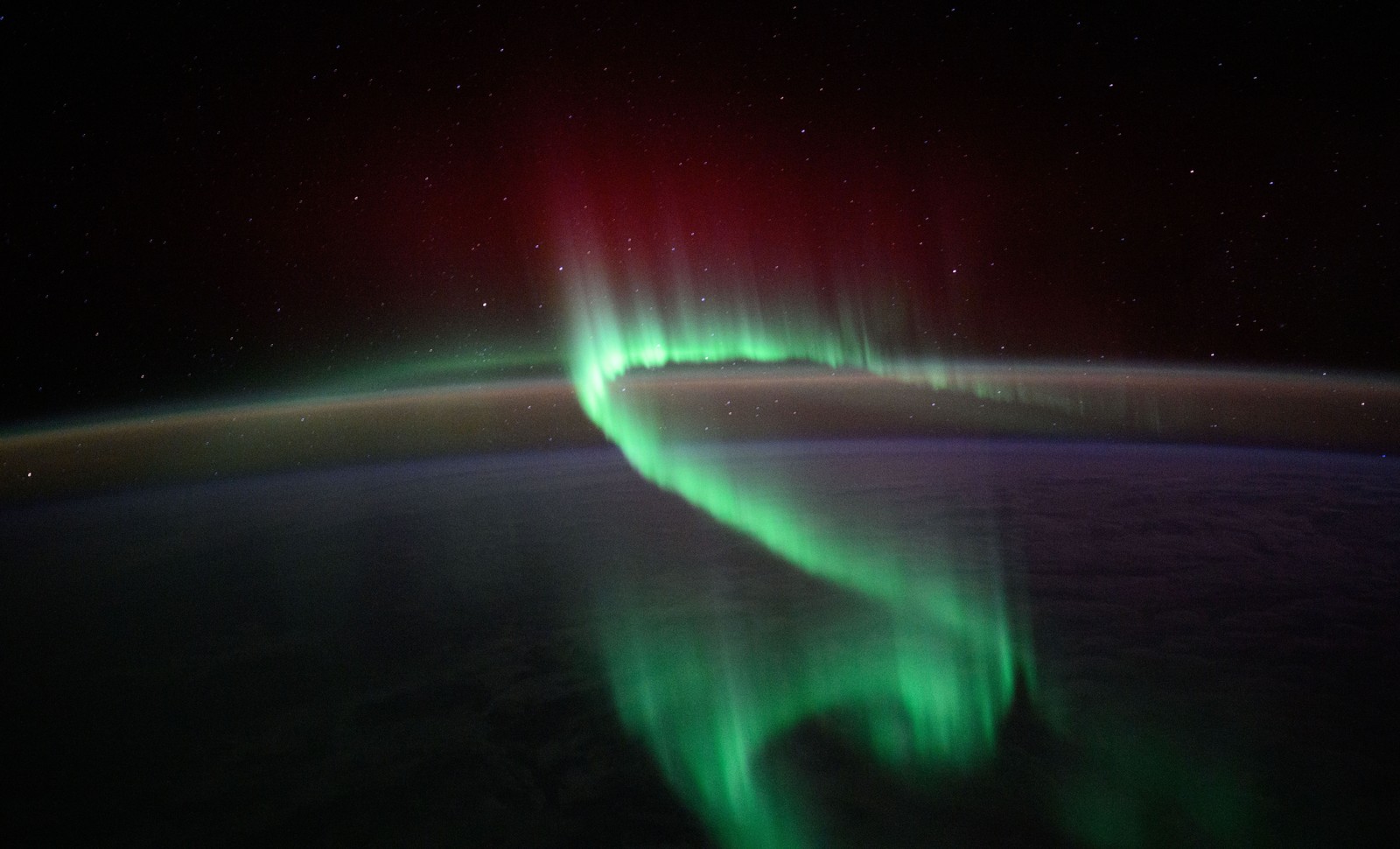
Nichole Ayers / NASA
A ribbon-like aurora lights up the sky on April 20, 2025, south of Australia.
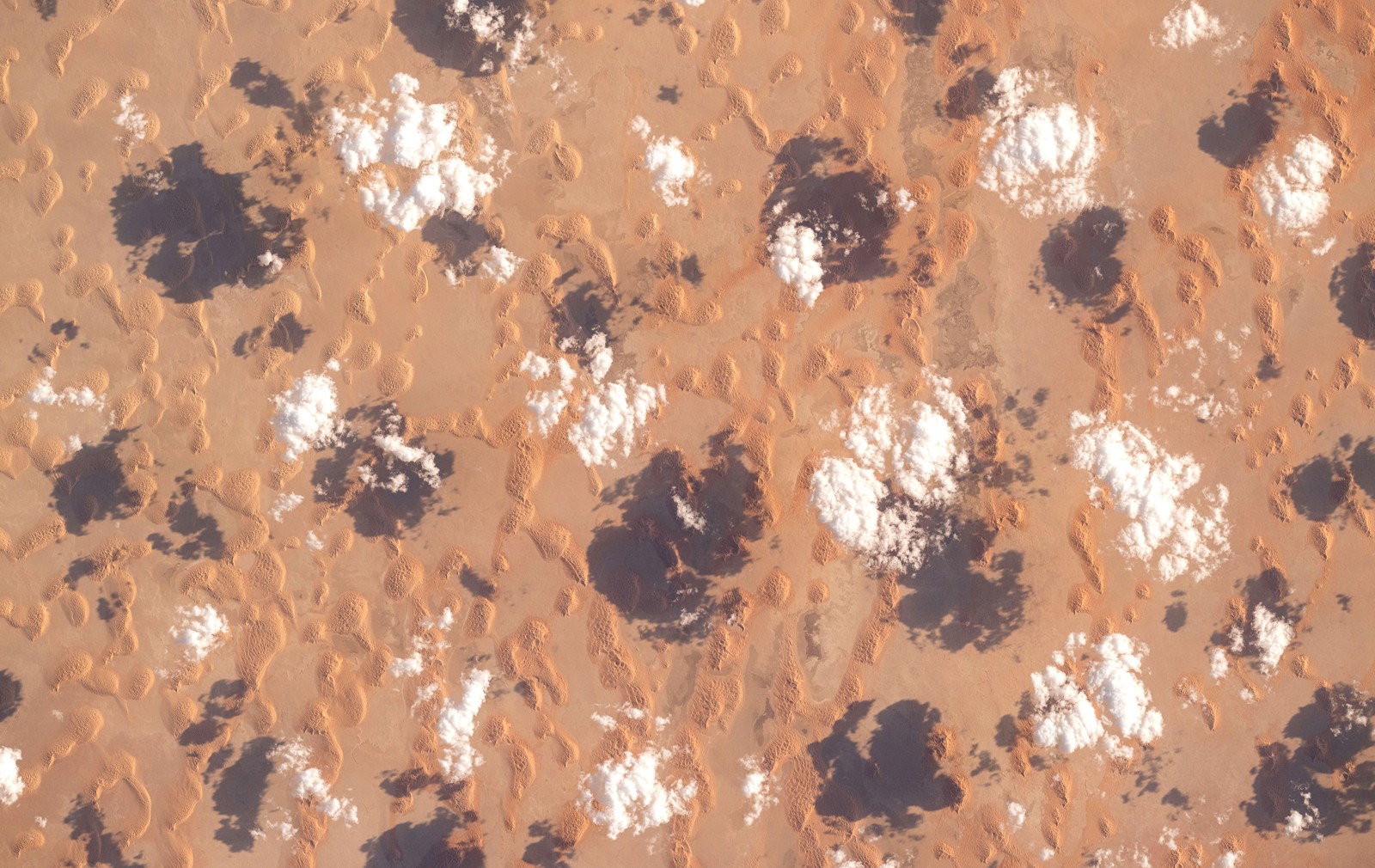
Nichole Ayers / NASA
Sparse clouds pass above sand dunes in the United Arab Emirates, seen on June 10, 2025.
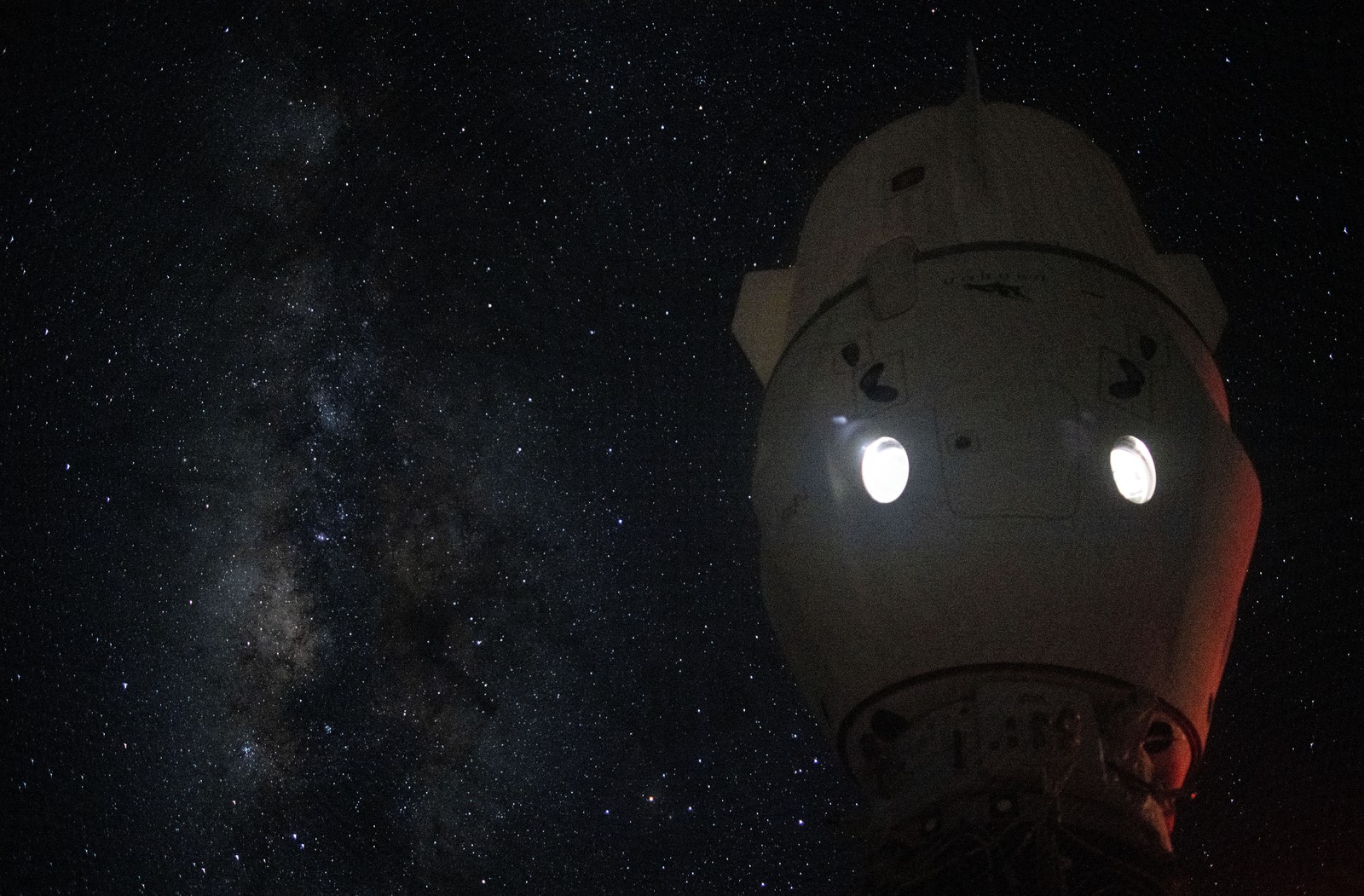
Matthew Dominick / NASA
The Milky Way appears in the vastness of space behind the SpaceX Dragon Endeavour spacecraft, docked to the Harmony module’s space-facing port on the International Space Station on June 30, 2024.
Don Pettit / NASA
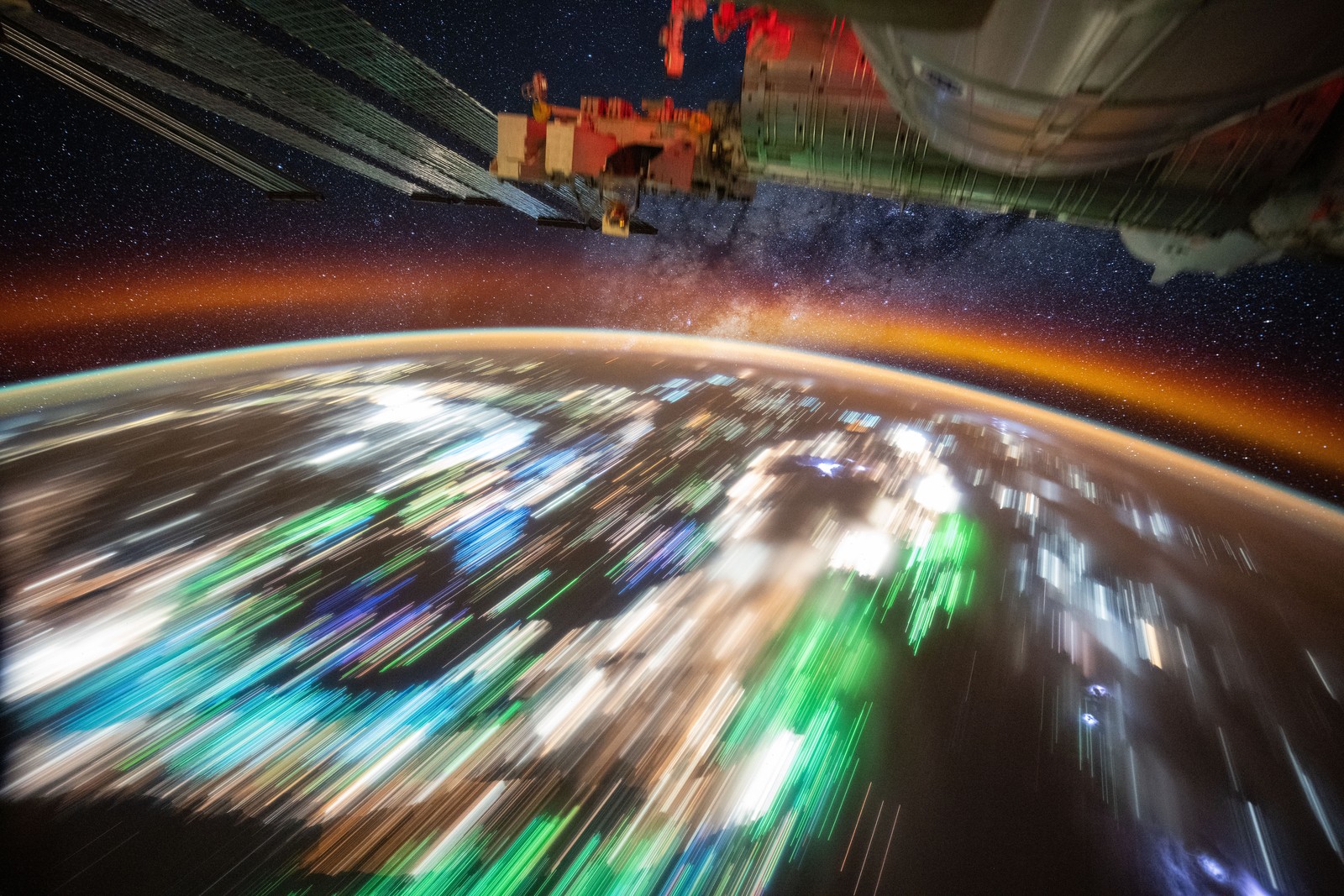
This long-duration photograph taken from the ISS as it orbited 259 miles above the Andaman Sea reveals the city lights of Southeast Asia and the typical green lights of the fishing boats underneath Earth’s atmospheric glow on March 26, 2025.
Anne McClain / NASA
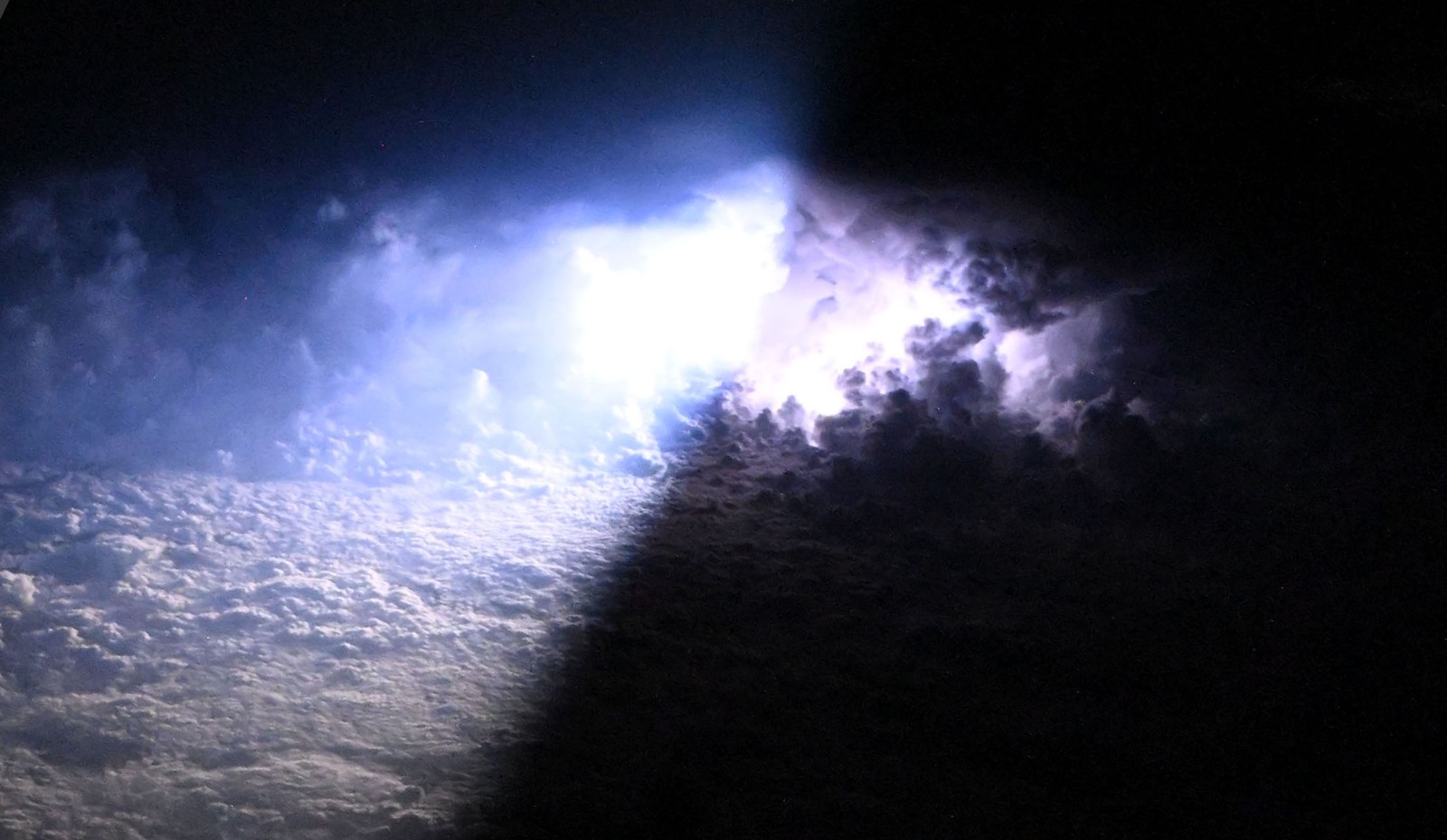
A powerful bolt of lightning casts shadows and illuminates storm clouds from within, over China, seen on July 3, 2025.
JSC / NASA
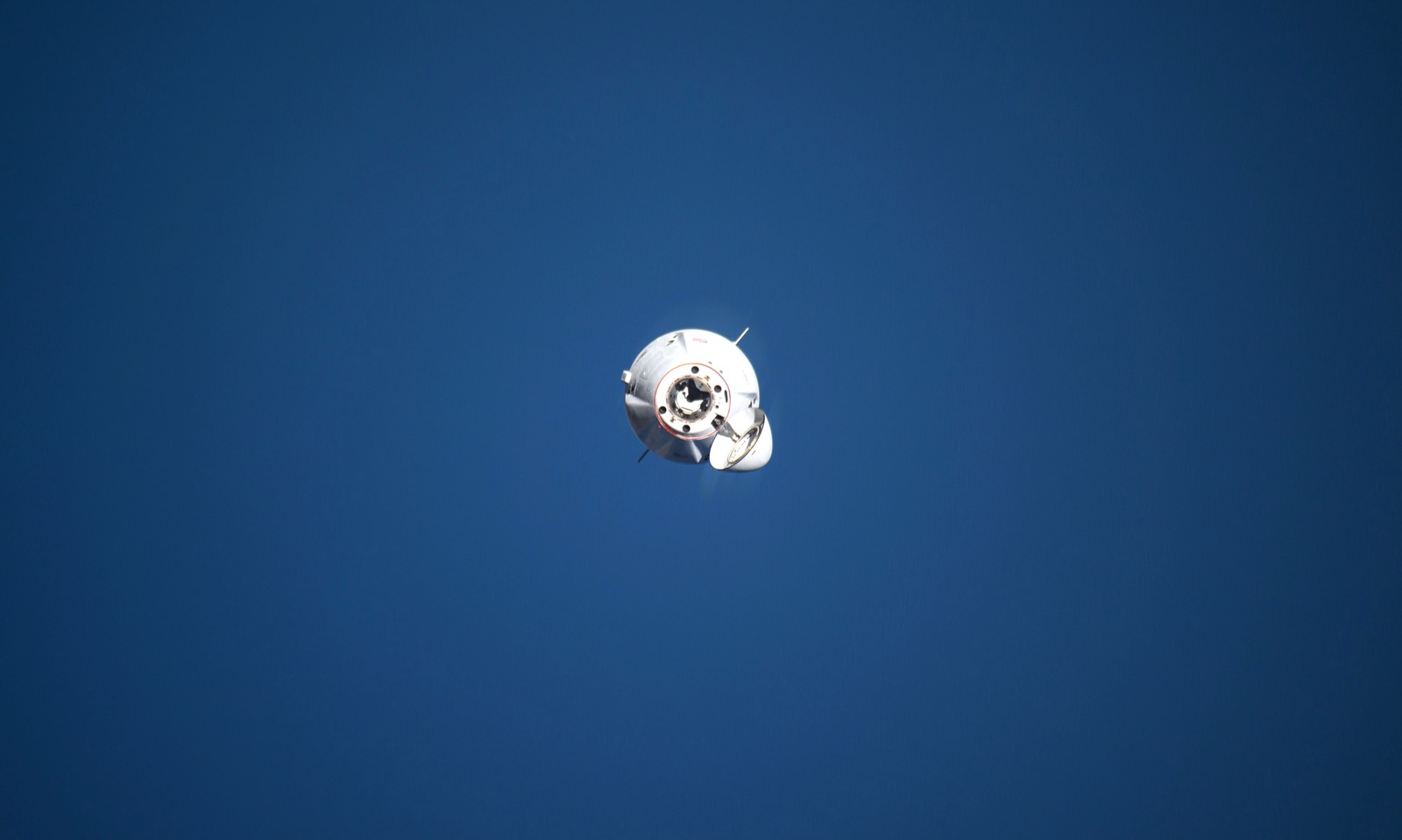
The SpaceX Dragon cargo spacecraft, carrying more than 6,000 pounds of science, supplies, and hardware, approaches the ISS above the Atlantic Ocean on November 5, 2024.
Matthew Dominick / NASA
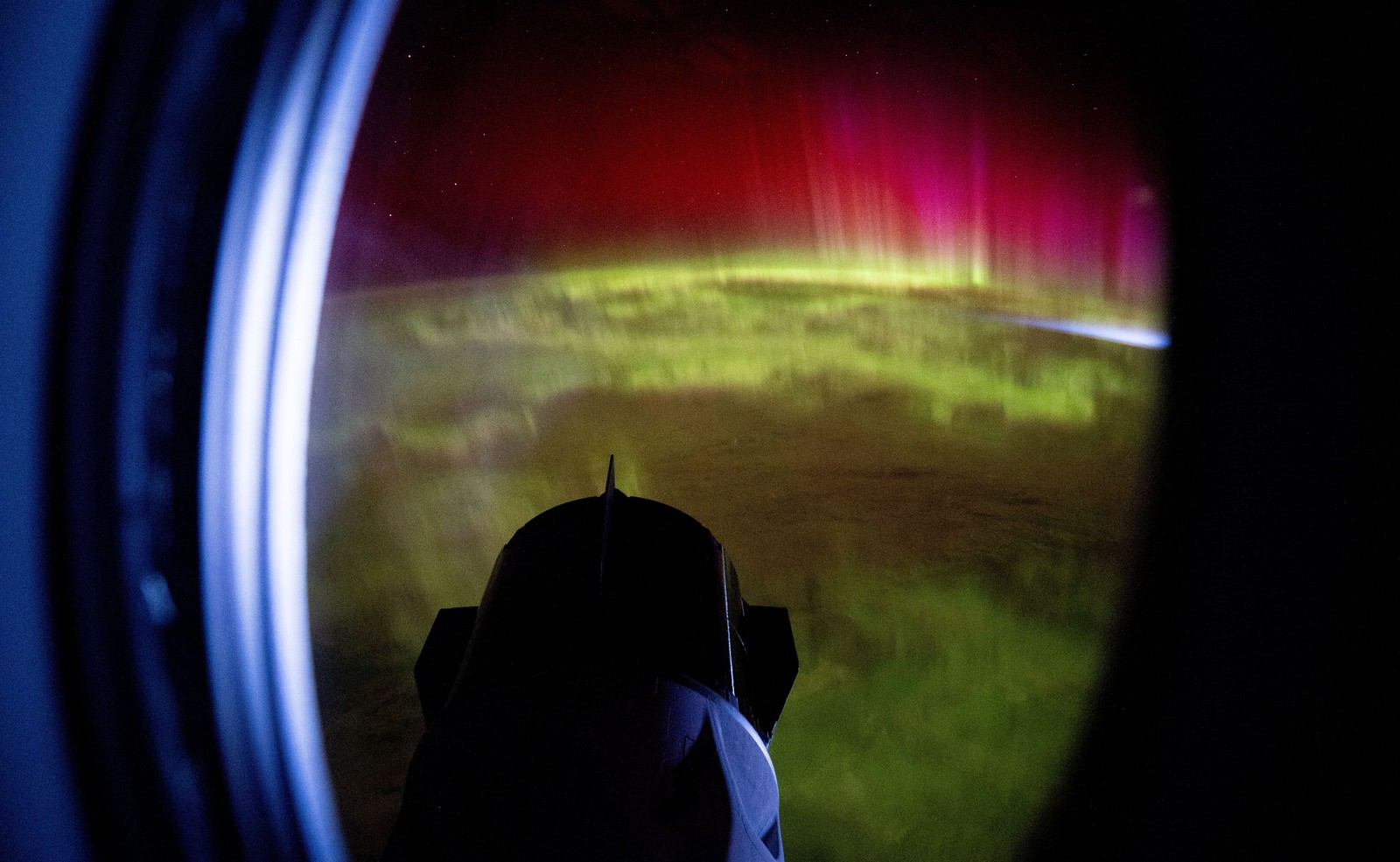
Peering through the window of the SpaceX Dragon Endeavour spacecraft, the NASA astronaut Matthew Dominick captured this image of the SpaceX Dragon Freedom spacecraft as the lights of a vivid green and pink aurora swirled through Earth’s atmosphere above the Indian Ocean on October 7, 2024.
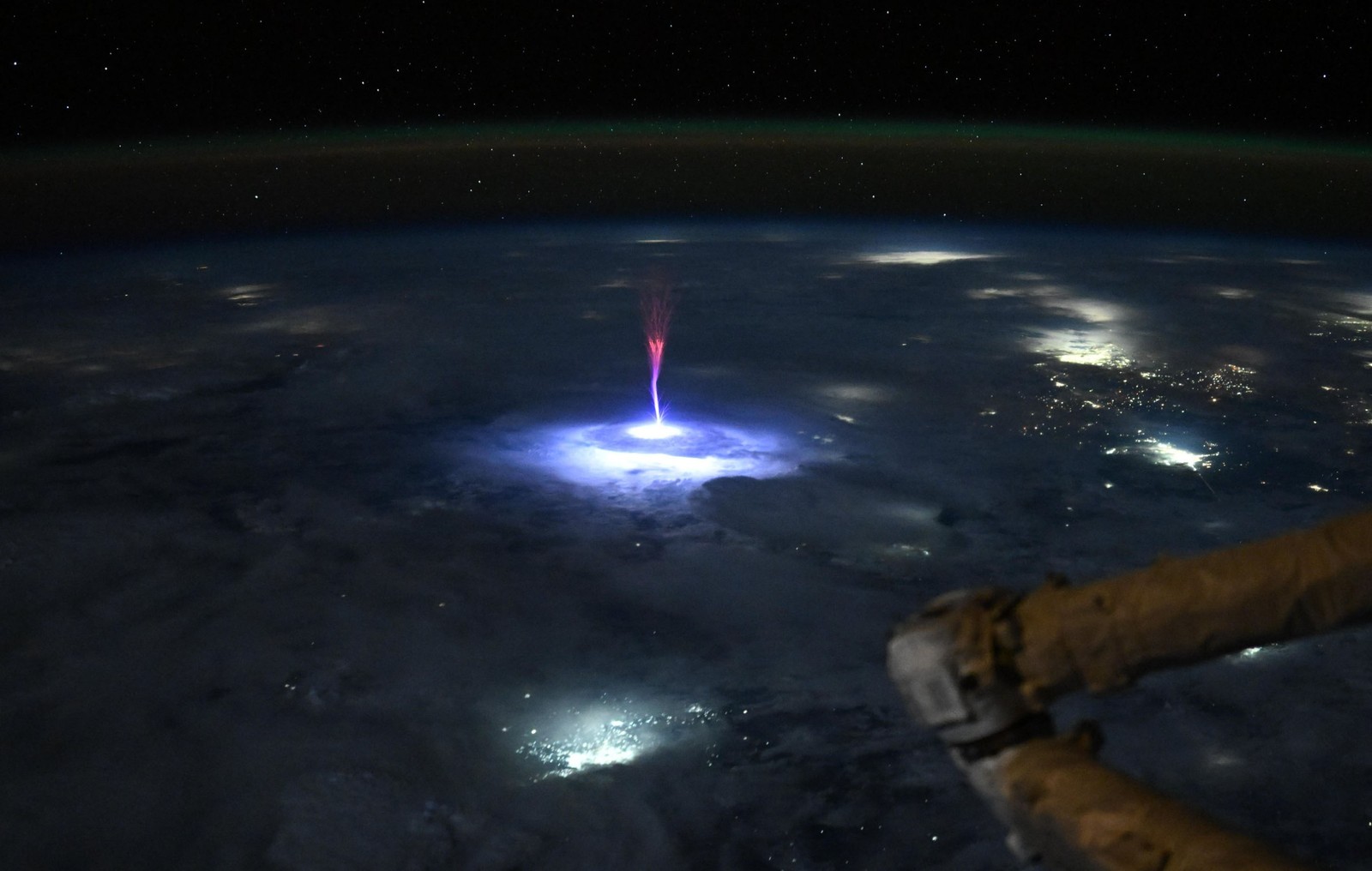
Nichole Ayers / NASA
On July 3, 2025, the NASA astronaut Nichole Ayers captured this amazing image of a sprite, a rarely photographed weather phenomenon, as the ISS passed above a storm over Mexico. Ayers wrote: “Sprites are TLEs, or Transient Luminous Events, that happen above the clouds and are triggered by intense electrical activity in the thunderstorms below.”
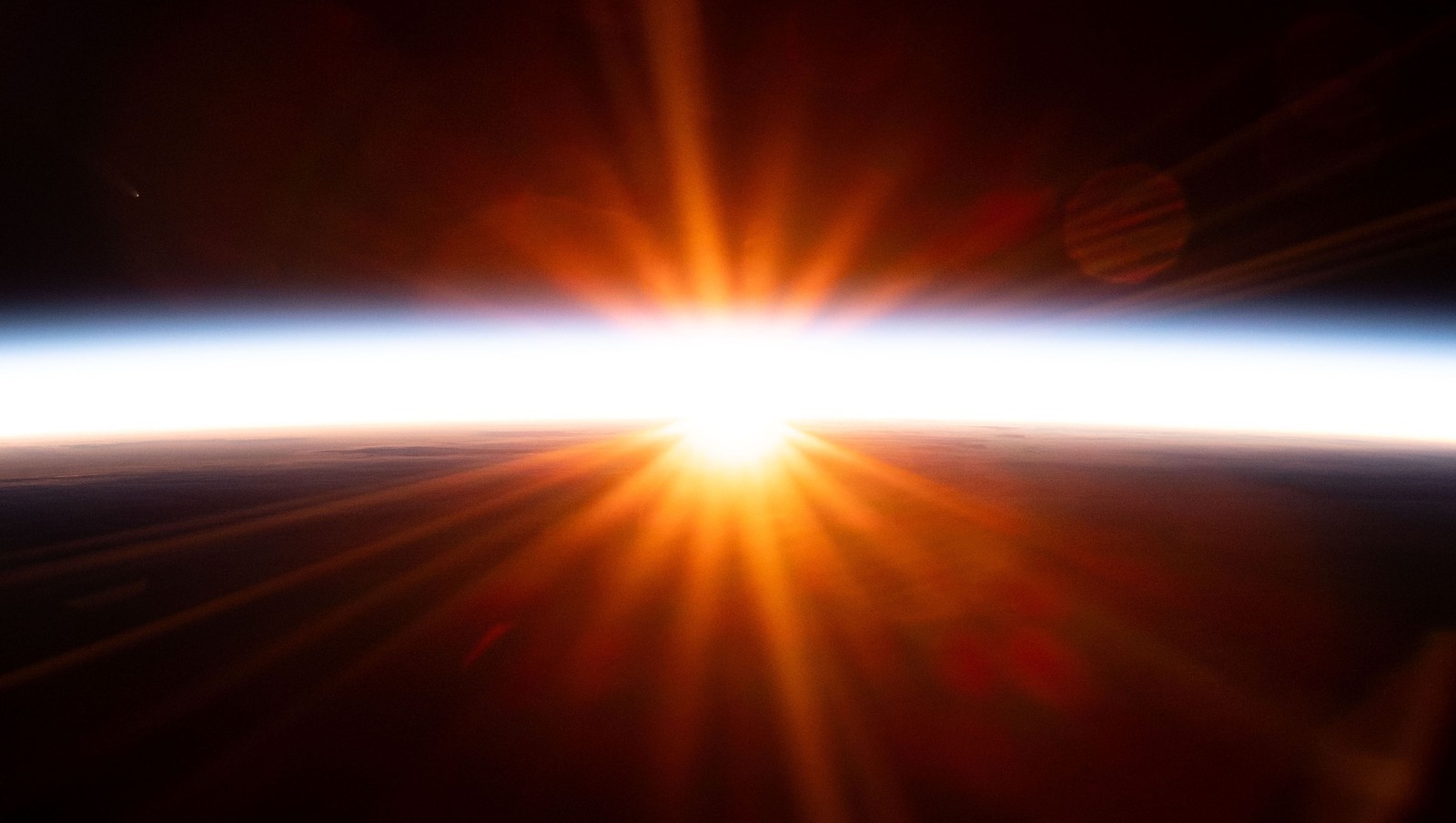
Don Pettit / NASA
The sun appears along Earth’s horizon, seen above the southern Pacific Ocean on October 7, 2024.
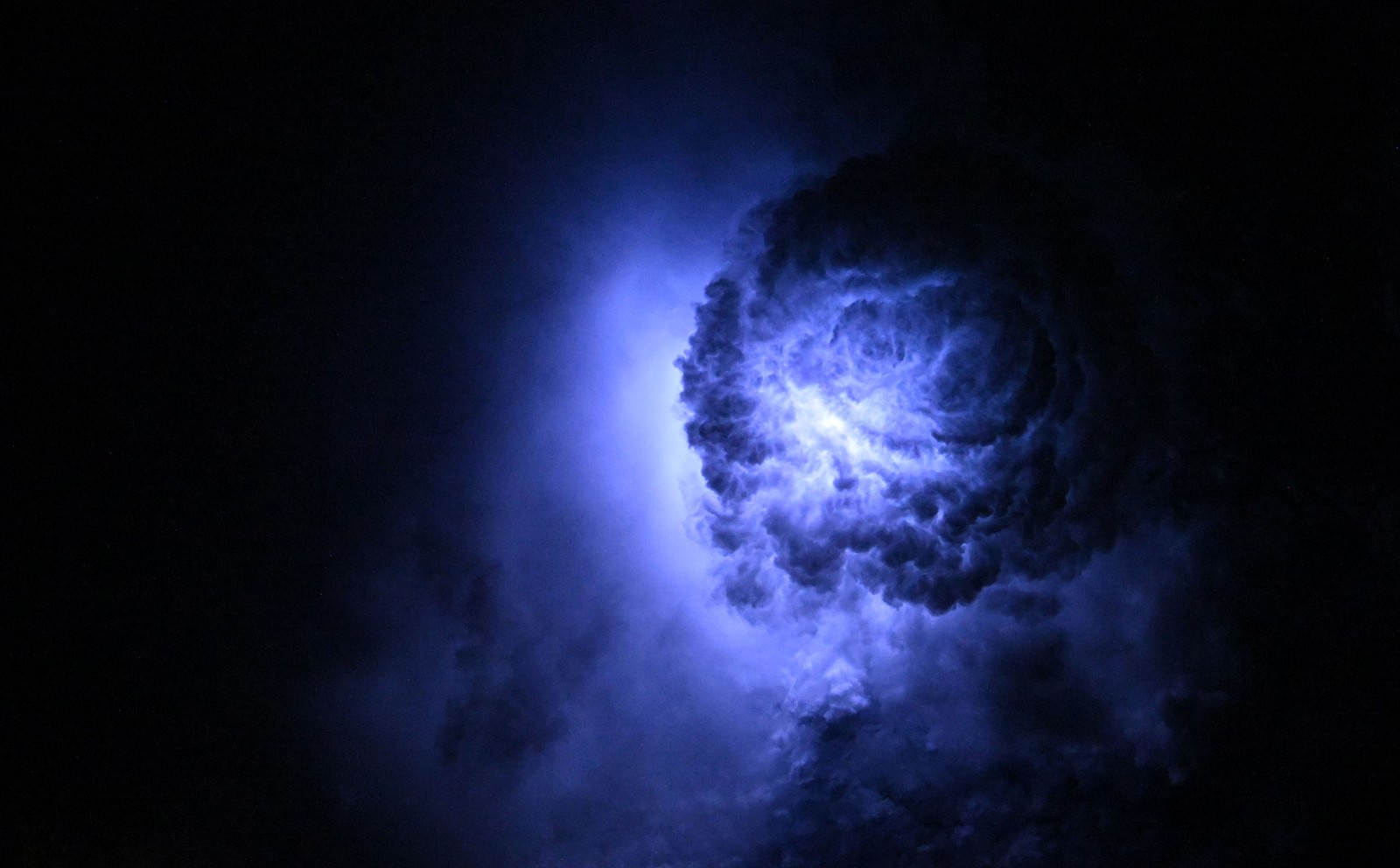
Nichole Ayers / NASA
Lightning illuminates a storm cloud over Hong Kong, seen at night on May 3, 2025.
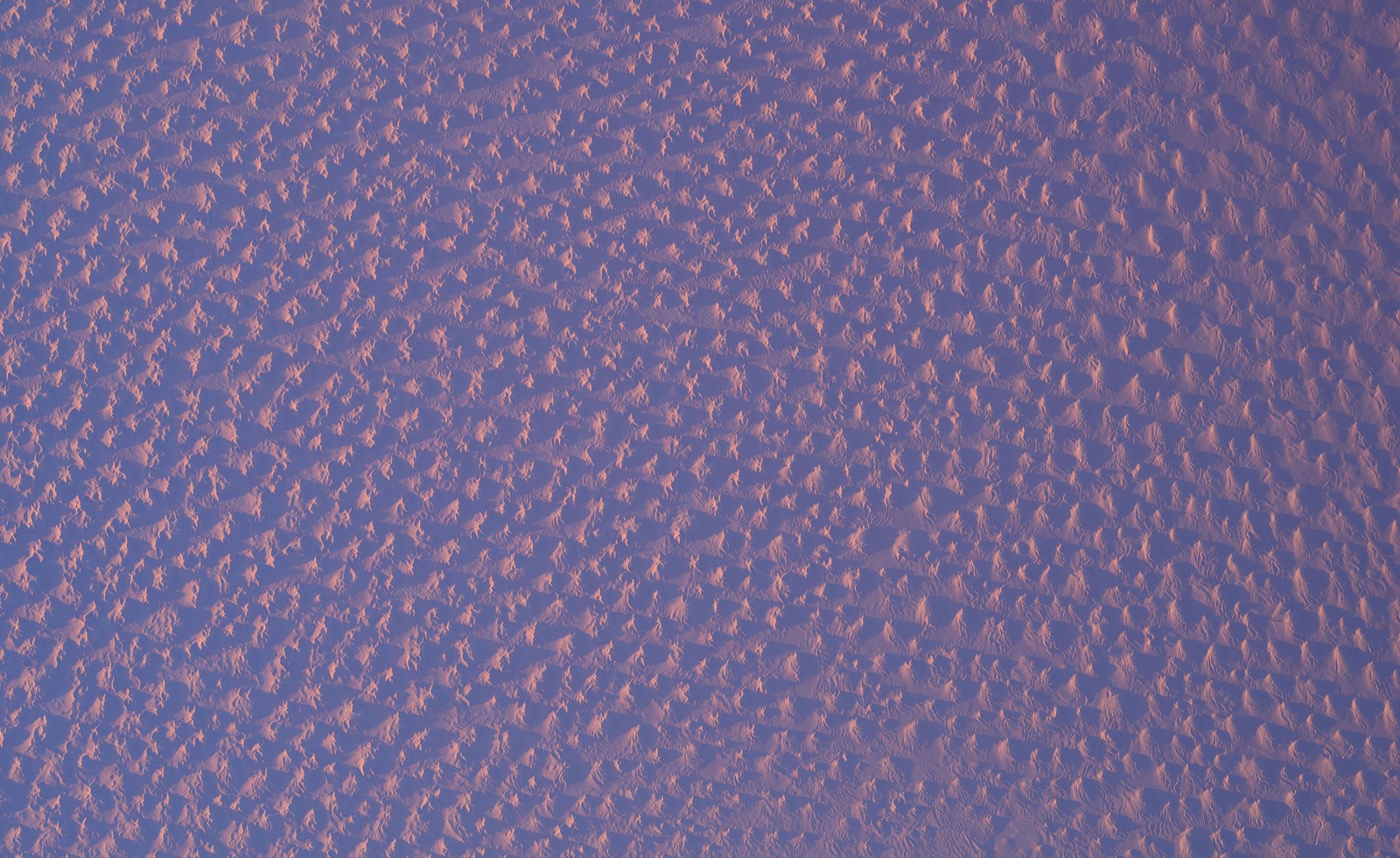
Don Pettit / NASA
Low sunlight is seen across dunes in the Sahara Desert on December 7, 2024.
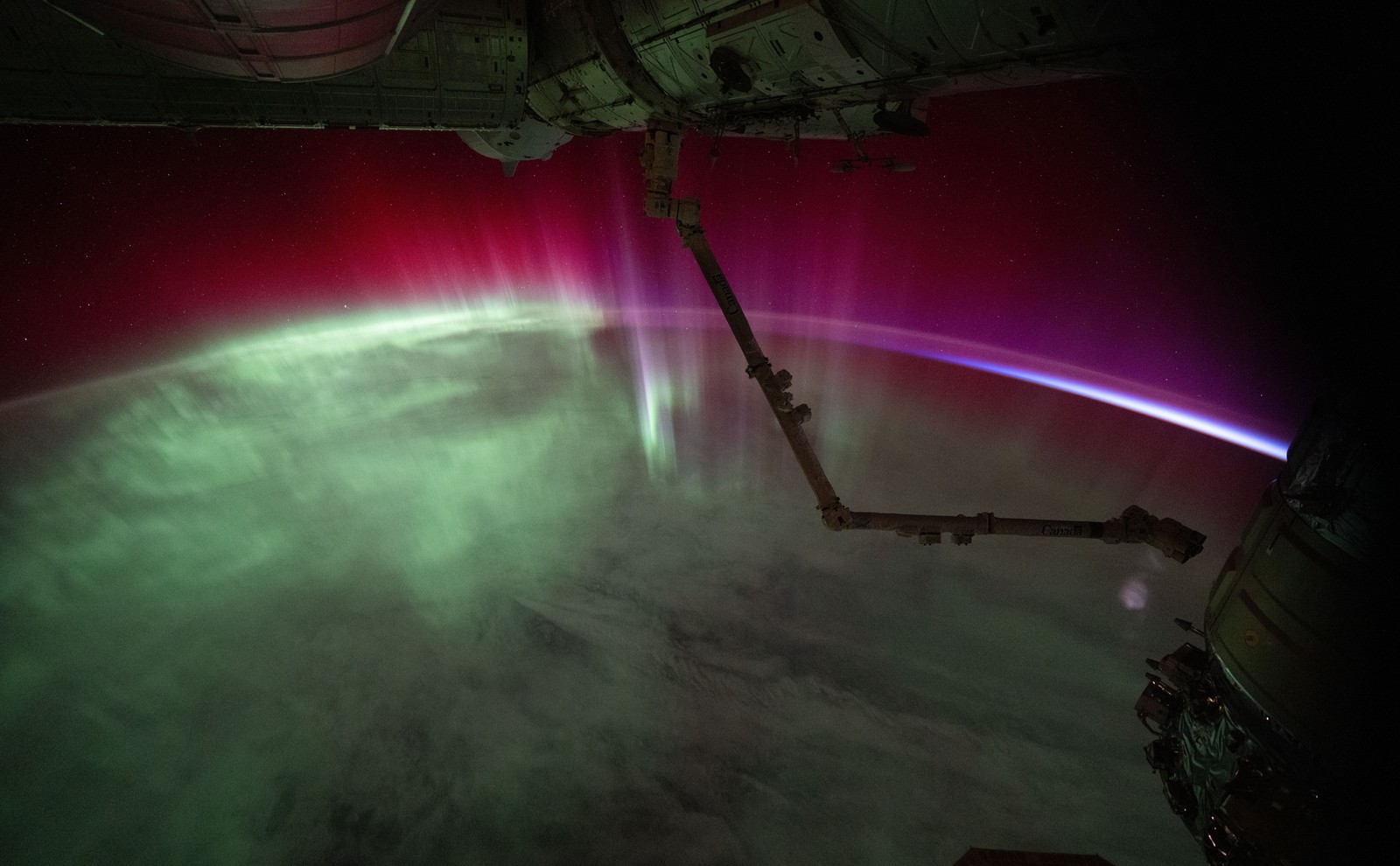
Don Pettit / NASA
A green and pink aurora, seen south of Australia on October 7, 2024
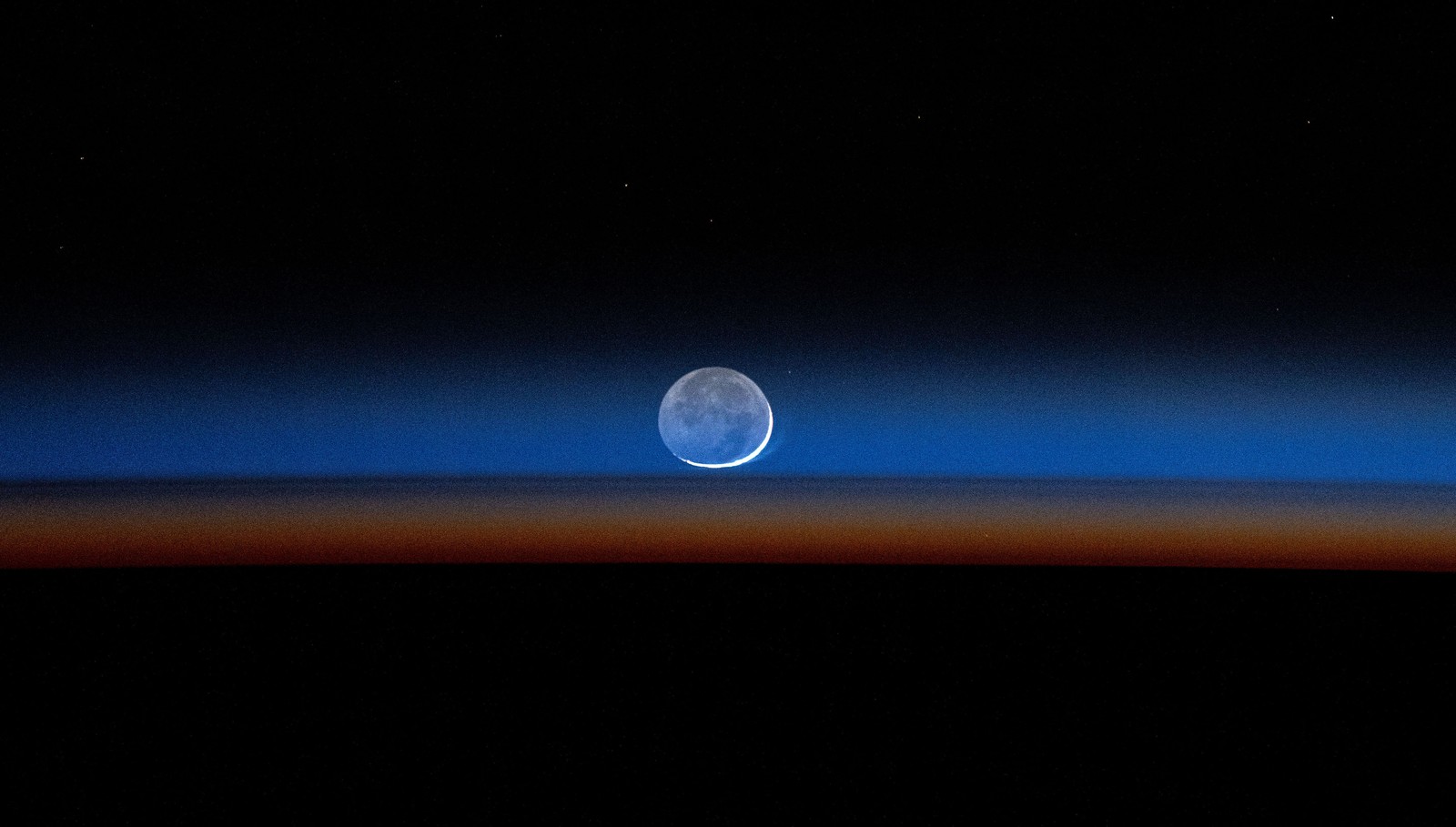
Matthew Dominick / NASA
The new moon sets behind Earth’s colorful but dimming atmosphere in this long-duration photograph taken by the NASA astronaut Matthew Dominick with a camera programmed for high sensitivity on September 4, 2024.
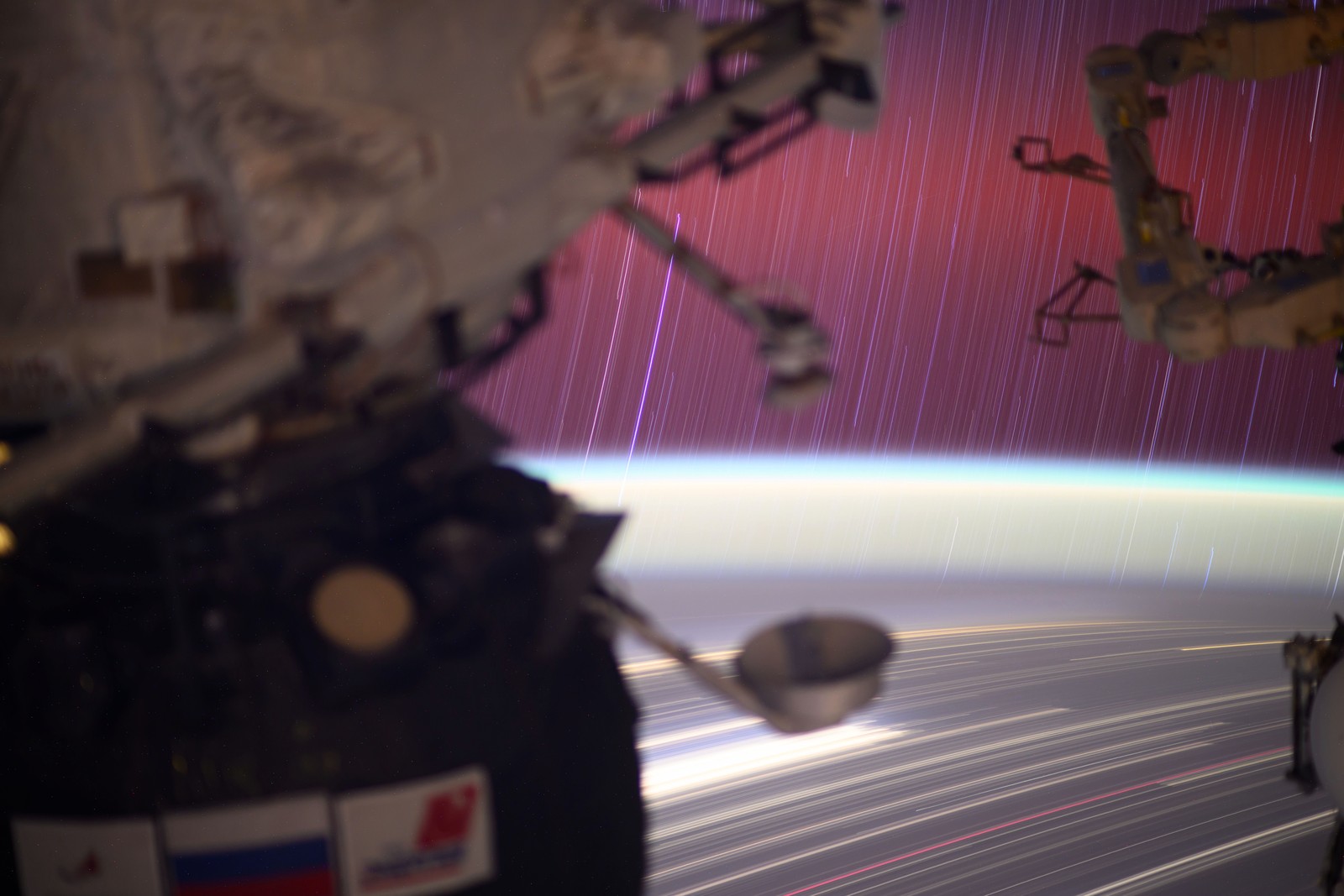
Jeanette Epps / NASA
A long-exposure view of the lights of Earth and the stars above, seen on September 29, 2024
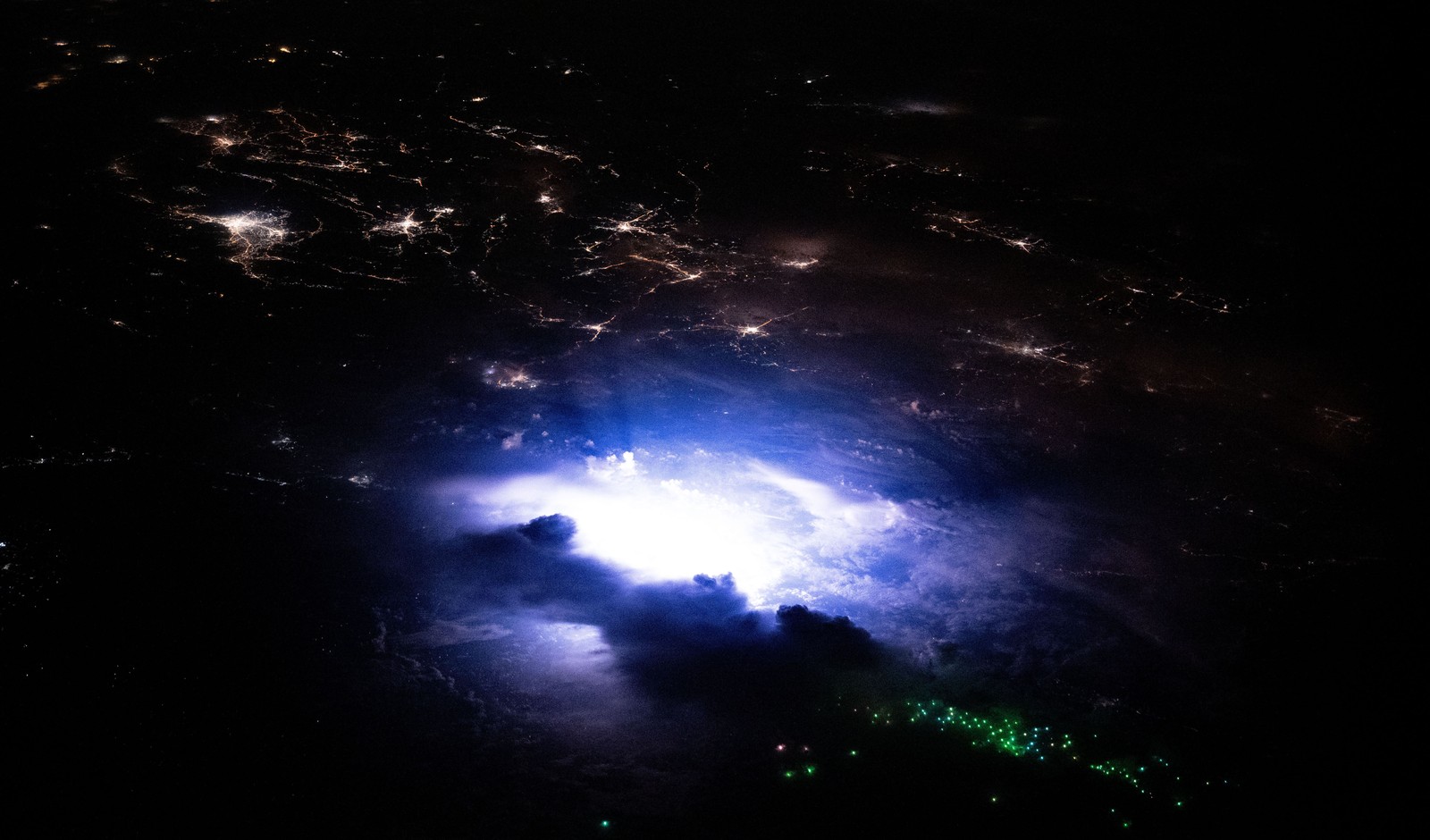
Don Pettit / NASA
Lightning strikes in a small storm cloud above Thailand, seen on October 27, 2024.
Don Pettit / NASA
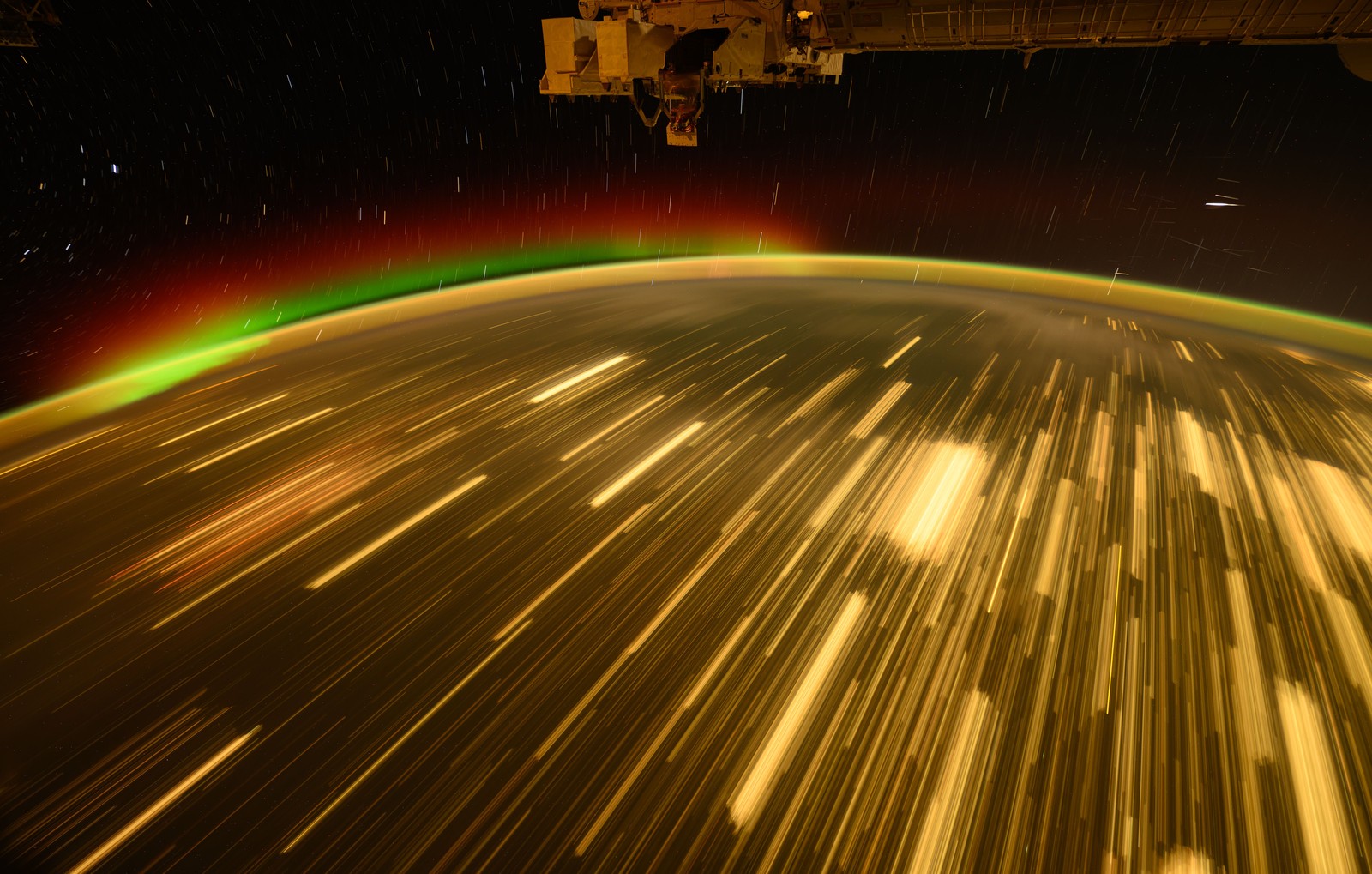
Lights streak past, seen in a long-exposure image as the ISS passes over the American Midwest on October 26, 2024.
Don Pettit / NASA
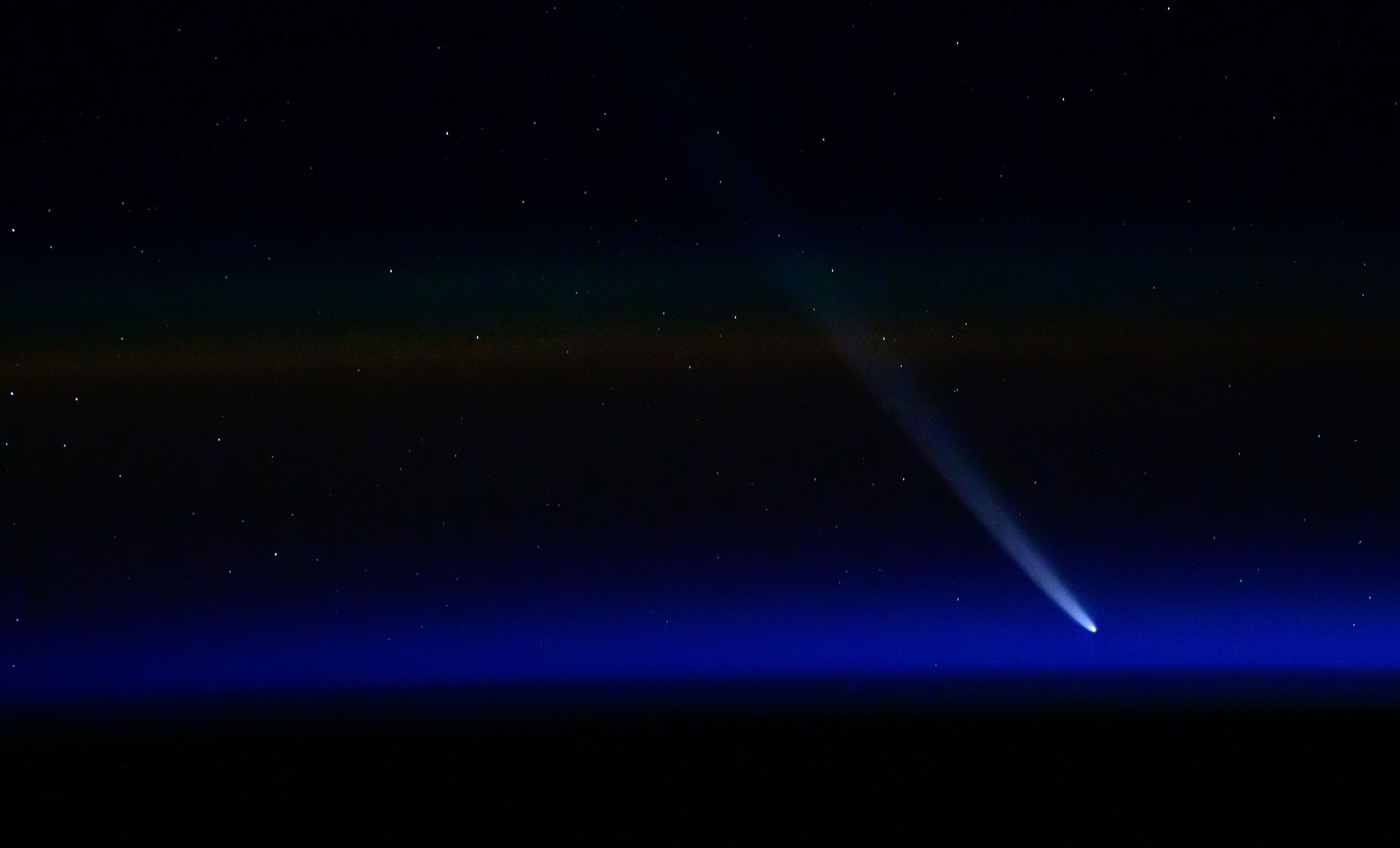
Comet C/2023 A3 (Tsuchinshan-ATLAS), roughly 44 million miles away from Earth in this photo, is viewed from the ISS on September 28, 2024.
Don Pettit / NASA
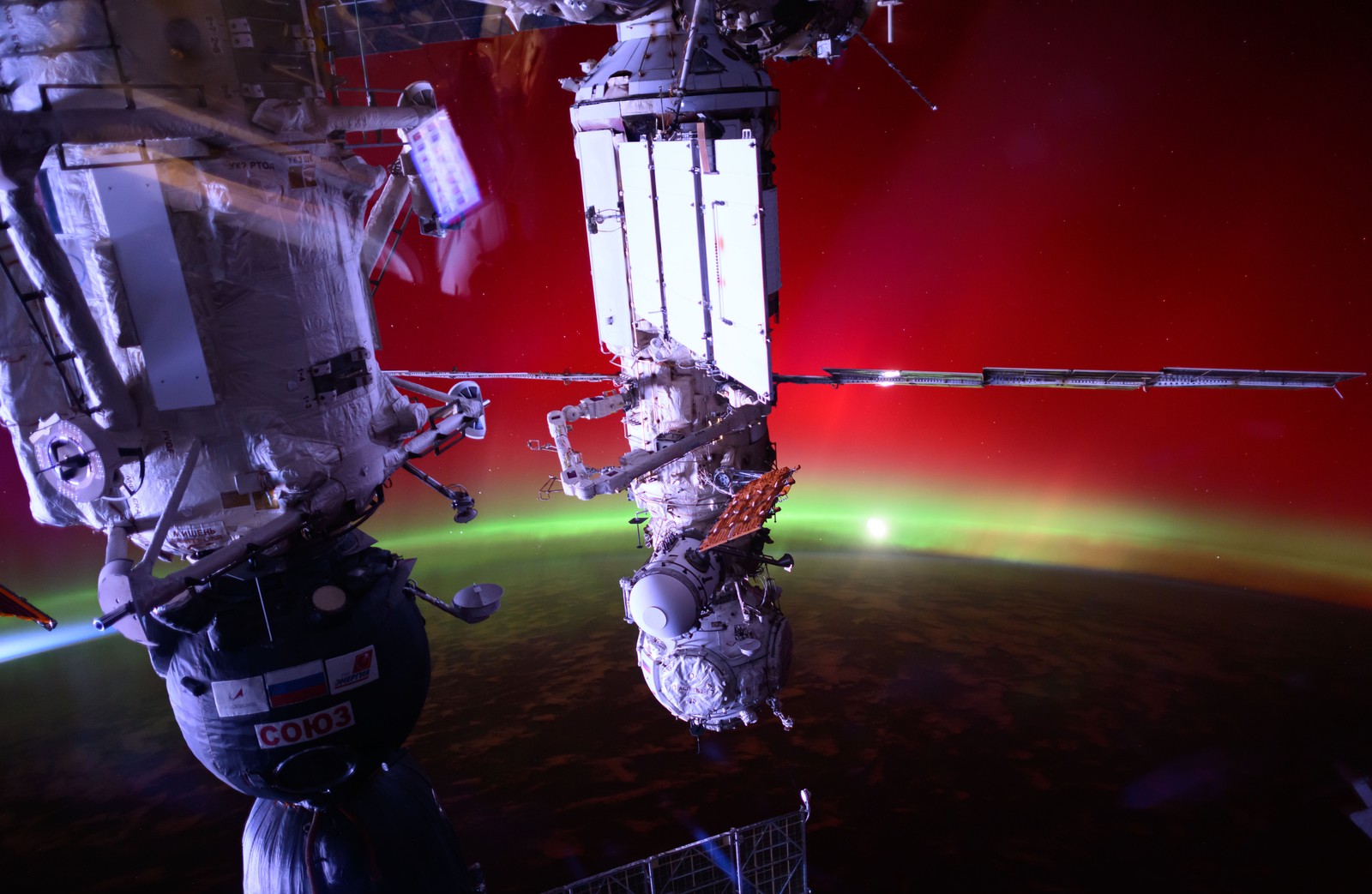
An aurora glows beyond docked spacecraft and components of the International Space Station on October 10, 2024.
About the Author

Alan Taylor is a senior editor at The Atlantic.
Explore More Topics