
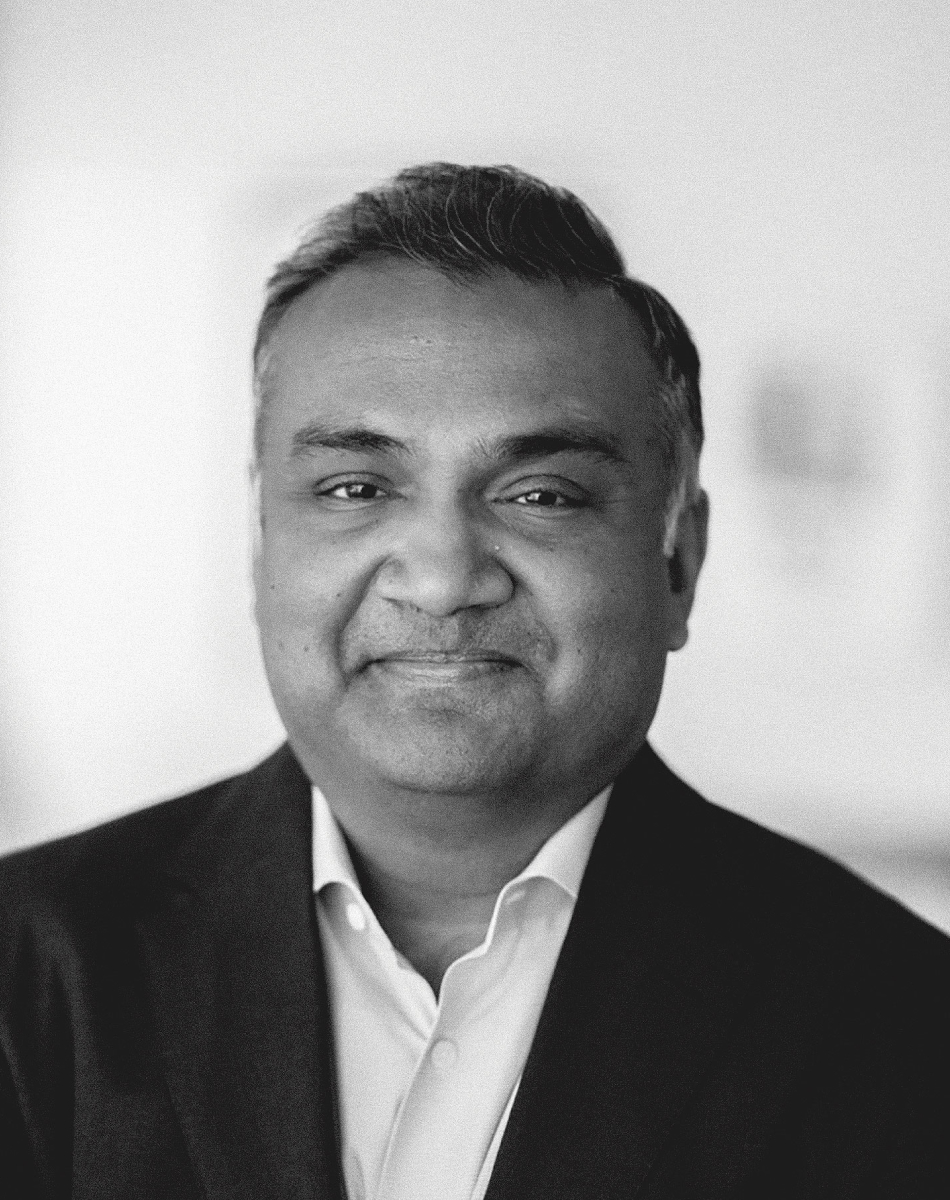
Creatives across the globe are leveraging generative AI in their chosen fields. According to a recent survey by Radius, a majority of them are also seeking guidelines as they harness this powerful tool. Neal Mohan, CEO of YouTube, is at the forefront of this transformative era in digital media and creativity. Mohan is focused on how YouTube’s AI tools can help creators level up, while offering guardrails creators need to use AI responsibly. We spoke about the challenges and opportunities of the gathering momentum of generative AI.
Haimy Assefa As a leader in the tech industry, how has your perspective on creativity changed in light of recent advancements in AI?
Neal Mohan I’ve been in this business a long time and witnessed some massive shifts since my career started: print media to online, desktop to mobile, traditional broadcast to streaming. The GenAI revolution is now here and poised to supercharge the creative landscape in unprecedented ways. It’s helping creatives bring big ideas to life, opening doors for more people to thrive in the creator economy, and delivering higher-quality content to viewers globally. Although we sit at this huge inflection point, the one thing that hasn’t changed is that the stories that break through are human stories. So, as the world of AI continues to evolve our understanding of creativity, I see these new technologies as enhancing and unlocking human creativity, not replacing it.
Assefa Looking back on your career, what past experiences or lessons have best prepared you to lead YouTube through this transformative period in the creative landscape?
Mohan I’ve spent my entire career at the intersection of technology and creativity. First at DoubleClick, then at Google, and now running YouTube. I’m a huge believer in the power of digital tools to democratize storytelling and provide new paths for creatives to fund their dreams. Nowhere is that more true than YouTube. Every day, I get to talk to creators who are reaching an audience and building a business on YouTube. And no one can tell them that they can’t share their story because they don’t look the right way, aren’t the right gender, or live in the wrong part of the world. That is incredibly powerful—it’s what drew me to YouTube and what has helped prepare me as we embrace the transformative power of AI.
Assefa What advice would you give to young creators who are just starting out in this new era of AI-augmented creativity, and what skills or mindsets do you think will be most essential for them to succeed?
Mohan I would encourage them to remember that on YouTube, success isn’t one-size-fits-all, and what makes our platform special is the authenticity of our creators. AI is bringing a transformational shift in technology, and viewer tastes always change, but they will always connect with authenticity. When I talk to creators about what they’re excited about when it comes to AI, it’s about the potential to make their everyday creation process easier. For example, generating the perfect title and thumbnail for YouTube is critical to a video’s success but can be a time-consuming process of brainstorming and iteration. AI tools can help with that process. It’s long been true that creators are quick to embrace new technologies, and that is where I believe a lot of the innovative AI uses will come from. A recent survey by Radius found that 92 percent of them are already using GenAI tools. They are really at the cutting edge of where this technology meets the creative industries.
Assefa According to the survey, 84 percent of creators believe that independent creators will rival big studio productions in the next two to three years. What’s your take on this shift, and what could it mean for the industry?
Mohan I think we’re already starting to see it. Take Mythical Studios. They launched their flagship show, Good Mythical Morning, a little over 10 years ago. It now has more viewers than all the popular late-night shows combined. They employ over 100 people, have several sound stages—just like you’d expect to see in a TV studio. They have branded imprints, a venture fund for up-and-coming creators, and just this summer, [they] launched a scripted, episodic series. And that’s just one example. We’re going to see more and more of this. Next up is making sure these studios are getting the recognition they deserve, like Primetime Emmy Awards. Viewers already don’t make a distinction when they turn on the TV between legacy-produced media and creator-led content. The rest of the industry will start to catch up.
Assefa YouTube has paid over $70 billion to creators, artists, and media companies over the past three years. How do you see your relationship with creators evolve as many of them continue to leverage AI?
Mohan Creators are the heart of YouTube. Every time I talk to our teams and share our business strategy, I say the same thing: It all starts with creators. It’s built into the very DNA of our company: Our unique revenue-sharing model means that we only succeed when our creators do. As they continue to embrace AI, we’re focused on ensuring they can find the latest creation tools on YouTube to help bring their visions to life on their terms and make a living in the process.
Assefa How is YouTube working to protect creators in this new landscape and ensure that AI tools are used responsibly?
Mohan We’re committed to protecting creators and ensuring they thrive in this evolving landscape. And creators themselves are calling for clear lines and responsible use of AI. In a recent survey we conducted, 74 percent of creators said they wanted guidelines for responsibly posting GAI (generative AI) content to video and social platforms. One of the key ways we’re doing that is by investing in the right guardrails. For example, we’re developing new technology to help creators (and other members of the creative industries) to detect and manage AI-generated likenesses on YouTube. We’re also looking to provide transparency to viewers: We require creators to disclose when they’ve created realistic content that is altered or synthetic, including by using GAI, and we disclose that in a label. For sensitive topics like news or elections, that label appears right on the video itself. This transparency builds trust between creators and their viewers. Tools like GenAI dubbing are helping creators share their content with people around the world.
Assefa How do you think storytelling may change as global audiences become more accessible to creators?
Mohan YouTube reaches billions of users in over 100 countries and across 80 languages every month, but some creators can struggle to reach audiences on a global scale. A huge benefit where creators are already seeing growth in their businesses from AI is in expanding their global reach. New GenAI tools are helping creators to automate translations, captioning, dubbing, and other time-consuming tasks that dramatically slow down content production but are critical to reaching and connecting with global audiences. Our research showed that 87 percent of creators believe GenAI will likely enable creators to more easily and effectively export their content to countries around the world with GenAI-dubbing over the next two to three years. This is an area where YouTube sees huge potential to help creators grow their businesses, and we recently announced that we’re expanding our auto-dubbing features into more languages to help support this further.
Assefa Ultimately, what do you hope the legacy of YouTube will be in the age of AI?
Mohan It’s incredible to reflect on YouTube’s journey from a video-sharing platform to one of the world’s largest streaming platforms, home to millions of creators whose boundless creativity has sparked new ideas and industries, and innovations for billions of people. We’re now layering on the transformative power of AI to that journey. So I hope our legacy ties back to our mission from our earliest days to enable millions of creators around the world to share their voice, connect with global audiences, and build thriving businesses—with AI playing a critical role in reaching these goals.