Man's Hope
by [Random House, $2.50]
Man’ s Hope is the most confusing of André Malraux’s novels. The compulsion that affects the revolutionary writer and the immediacy of the Spanish War have worked together to an impressionistic end; but the genius of the novel form, with all its subtleties playing about the human comedy, has been more or less forgotten. The book resembles a document — a very long and horribly discouraging case book of Civil War. The reader, like some archivist of the future, must work his way through the actions of innumerable people; there do not seem to emerge significant and key figures until the last quarter of the book. One has a hazy recollection that there are many heroes in the government forces — an Italian painter, a French major, courageous types from Antwerp and Brussels, German exiles, people from all over Europe who have come to strike a blow for hope and freedom, before it is too late.
The uncompromising honesty of the book has its own implications; once free of the confusion of people, the thesis emerges - one has only to arrange the facts. In the beginning of the war there was extreme confusion in Madrid; hilarious gayety and sense of freedom in the reality of war in the open concealed the quarrels of a dozen revolutionary sects. It was a close thing, but Madrid was defended by personal courage and a small army of hard-bitten international soldiers. The war developed, and the revolutionary hope was seen to depend not on the individual but on the individual’s ability to command discipline and to be its servant. And the fine irony of the book, like minerals in good water, grows as the two armies across the barriers become increasingly alike in efficiency and precision as units.
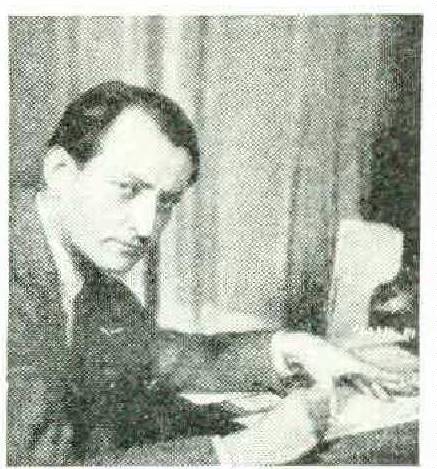
It is the truth of such conclusions and the general air of thoughtfulness that make Man’s Hope important. The writer has after all shown himself an artist before. It was his belief in man’s hope that took him to Spain, and there he found that the artist must become soldier. Previously in China he had found that man’s fate there made the self-conscious violences of man’s nature a necessary weapon. Both experiences bear a destructive and terrifying seed, but they have led him to conclude that in the days to come the artist must, bear his responsibilities with the rest of men.
The best writing in the book is dramatic exposition; there apparently was n’t time for interpretation, and if the concluding chapters on the victory of Guadalajara have come together, so to speak, with magnificent reality and excitement, one has the right to ask why there was not more of this writing. Nor should the end allow one to forget the other lesson: that in war the ideal causes are soon forgotten; history moves at a quickstep, and the result, victory or defeat, would be incomprehensible to those who fought and died in the early days. ’Is there a pattern common to revolution?’ Malraux asks. Yes, incredible waste and disillusion. The revolutionary premise is that men shall work and know for what cause. But in wartime men are commanded and do well to obey, and no one can say how temporary this condition shall be.
JOHN WALCOTT