Trumpet Voluntary
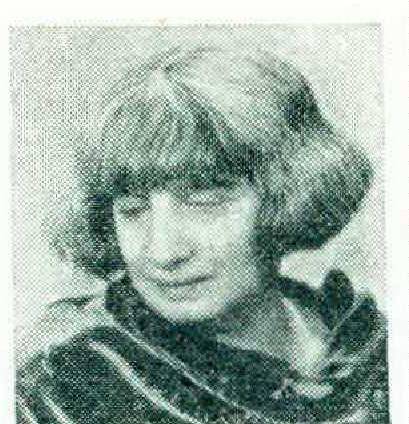
By
G. B. STERN has a very nice ear for words — something close to absolute pitch. So a reviewer must be very careful about the adjectives he applies to this third of her volumes of personal facts and fancies. Thus, he must not call Trumpet Voluntary “charming"; though parts of it would charm the birds from the trees, the spirit which carried Miss Stern through illness and the London blitz is of sturdier stuff than mere charm. And surely he must not call it “intimate"; though the reader closes the last page with the call Trumpet Voluntary “charming"; though parts of it would charm the though parts birds from the trees, the spirit which carried Miss Stern through illness and the London blitz is ot sturdier stull than mere charm. And surely he must not call it intimate"; though the reader doses the last page with the almost physical pang which he might feel at watching the departure of a cherished friend. Miss Stern has not indulged in that embarrassing orgy of self-revelation which seizes on so many talented ladies when they are discussing their talented lives.
Trumpet Voluntary is an affirmation of Miss Stern’s delight and interest in living, and its artless, unformed pattern a masterly example of how very well an author must learn to write before he dares write with what seems
to the casual eye a chatty abandon. In this book, as in Monogram and Another Part of the Forest, Miss Stern uses the little two-bits coincidences to link past with present, blitz with walking sticks, a yellowed wine card from the South of France with a movie set in Hollywood. Her appeal is to the company of true nostalgics-those people who are not afraid to love their own past while energetically living whatever their present may disclose. Of all her conceits, I like best that state of mind which she christens “ waiferage.”
Miss Stern has no need for the esoteric, and no fear of the banal. I was bored to death, for example, by her Dorothy Parker dream. But all dreams except one’s own are boring. And Miss Stern found hers unique and memorable. There you are. She tells you what she has thought about and cared about. Many times she is witty, and a few times profoundly wise. So warmly, with such generous detail, does she share her world with you that, for me at least, she has set one more fear lurking in the headlines. I never want to know that a robot has harmed her Phoenix-flat in Albany. Macmillan, St.75.
FRANCES WOODWARD