A Word With Sir Francis Drake: During His Last Night in London
Sir Francis Drake, in his last night in London before sailing, in 1595, to his death in the Western Caribbean, talks with a shipmate of his voyage of circumnavigation. 1577 to 1580, when he refitted his ship in the port that he called New Albion, either near, or, as I feel sure, well within the present harbor of San Francisco. In his account of this New Albion, he was at pains not to make it templing to the Spaniards, who had not then stretched their sway so far to the north on that coast. His feud with Spain began at San Juan d’Ulloa with their treachery there in 1567. His second great chance of ruining Spain was at Nombre de Dios, when loss of blood from a wound forced him away, just as he had won the treasure house. His last voyage was disastrous: Spain had devised a counter to him.
But, Sir, I had to see you.
Wait yet.
Frank, then, Frank Tirrold, if I don’t forget.
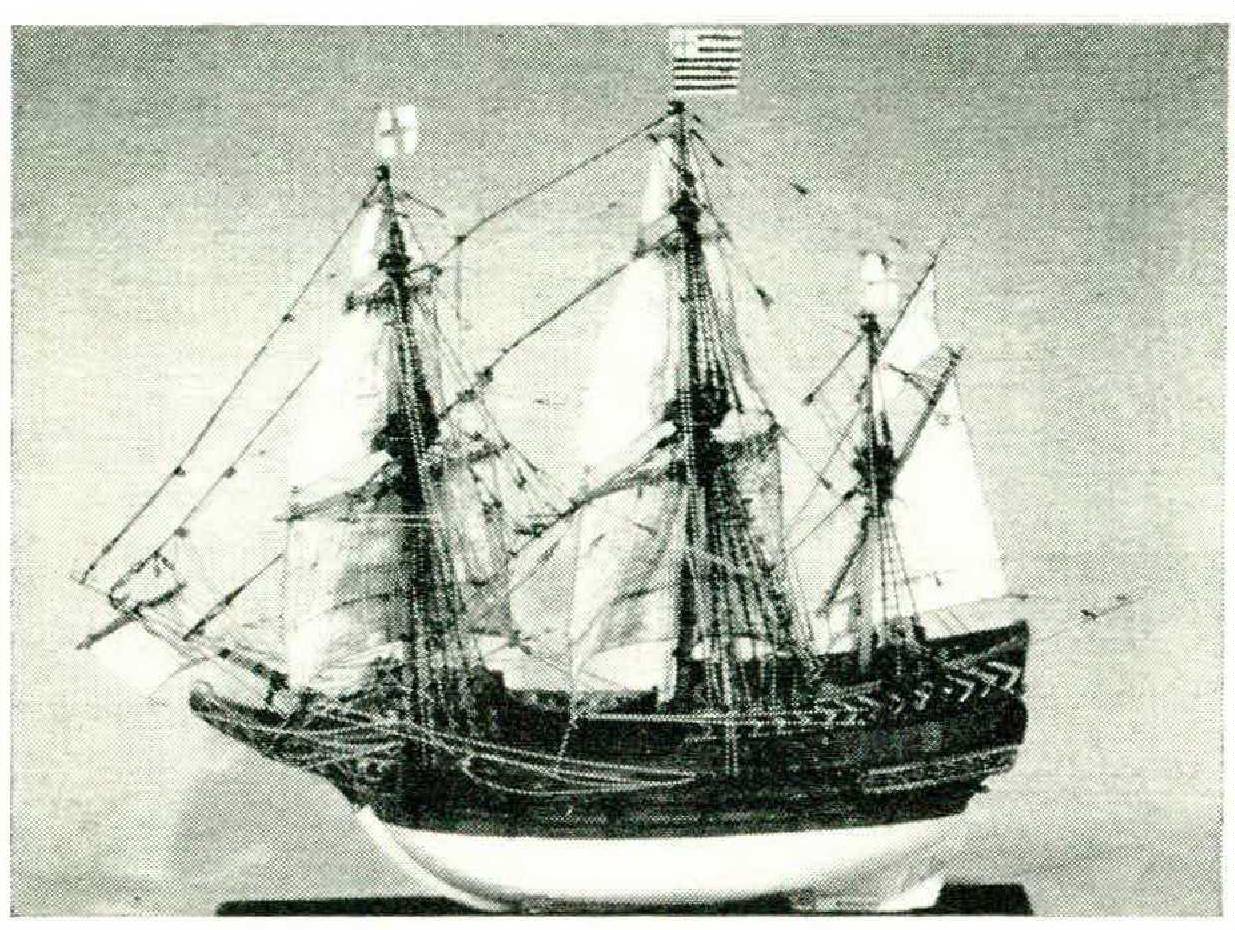
Weren’t you my fiddler in the Golden Hind?
Sit, man: what brings you into London Town?
Prosperity, it seems: do you still play?
I’m music master in the playhouse there.
A score, perhaps, still living, sprinkled round,
Somehow unhanged, and somehow never drowned.
Shall we away, and round the world agen?
For me, once round will serve for twenty lives.
While dry land stands and offers gaols and gyves,
And prison chains and iron bars and locks,
I’ll have no more of running upon rocks,
Eight thousand miles from home: once serves for me.
We were near death that day upon the reef.
And many other days, too, west and east.
Glory is like a coronation feast.
It suits the ruler, not the foremast hand.
The book there is, describing what betid
The wide world round, the wonders that you did,
It tells of snowfall in that western bay
Where we careened ere going west away.
The white-cliffed harbor that you made us call
New Albion . . . we had no snow at all.
Or facts misplaced or truths in some disguise,
Just facts and truths divulged with altered dates
From my account of the Magellan Straits.
Lies to deceive the Spaniards and to scare
All greedy dons from trying settling there.
They like the sun.
Will frighten any man from seeking gold.
Then; they have captured some of us and learned
The truth, by torture, ere they hanged or burned.
That unsailed sea still beats upon its sand.
Nor have we taken it, this weary while.
Yet, standing there, so many a thousand mile
From England, thinking what a land we held,
I tell you, Master Tirrold, my heart swelled.
Twelve hundred miles from Acapulco Bay . . .
A port beyond all praise for every good
Shelter, careenage, safety, water, food.
Think of those herds of deer; recall to mind
The plains free-warrened with the cony kind,
The fruits on tree and bush, the myriad fish,
In sea or brook, each one a royal dish.
Seals on the rocks, too, roaring, in seas breaking,
The trees, those miracles, that set us aching
To build great ships from such eternal wood.
Then both the climate and the soil so good,
That wild grapes grew, so excellent they were.
Man . . . we had proved that there must ever be
A Southwest Passage to the Southern Sea . . .
The Spaniards never guessed it but we found it.
That great America has water round it.
With danger every day to man and ship.
Since all known waters have a summer season,
In some such season, once in every year,
All ships could stand the buffet and pass clear.
Five hundred men, as strong as we, could seize
That whole West Coast, as we did, and with ease,
And smash King Philip’s empire into dust.
They’d put his eastern empire in eclipse.
I hoped that England’s Queen might see it so . . .
Whether we loved that hell at the world’s ends,
Twelve thousand salt-sea miles from home and friends.
We just endured it, but no tongue can say
Our agonies of hope to get away.
Only devotion to you and the thought
We were scarce sane: but what would settlers be?
Then, Sir, the Indians, how could they agree?
No Western Indian loves to share his land.
The white men take it with the iron hand . . .
And, Sir, those Indians were no common foes.
No two of us could wrestle one of those.
It is this changeful England’s tidal air,
It quenched the light that shone so starry there.
We long for Spain’s destruction; yet endure
All things from Spain, and never seek the cure.
Fortune and I could thrice have ruined Spain;
Crumpled her up, like some false letter read,
And flung her to her place among the dead.
Matters not often seen beneath the sun.
First, at St Johns, where I ‘d have held my ground.
Trusting no Spaniard, even if they drowned.
We were at war there, we could no more trust
The Spaniards there than angry asps in dust.
John feared to sink their fleet, yet all the same
What else did John do when the Armada came?
We had to sink it sometime: why not then,
Saving those hundreds of our countrymen
Then murdered by the dogs whom we had spared?
Just as I won their famous treasure town,
And had within my hand all Spain’s estate,
Silver and gold in bars, eight thousand weight.
But asses ever choose the thistly road,
And so the Armada came ....
Fortune our friend: not gunpowder and sense.
For yet another piecemeal thrust at Spain.
But this time, after twenty years of me,
Spain may have learned more common sense than we;
Spain, not myself, may spring surprises now.
Now, Frank, farewell: good Fortune and good-by.
To bring you home, with Spanish gold aboard.
The red New Albion Indians west away . . .
Good Master Chaplain said that he had learned
That they believed we were their dead returned.
I find no Scripture text to warrant this . . .
But can it be that such a land there is?
A land, far west, where the beloved dead
Live, plying other tasks for other bread . . .
To whom we might give thanks or make amends,
Our mothers, or our lovers, or our friends?
Good Master Chaplain (as you call him) might
Have shed you some such darkness from his night:
I cannot: being a sailor, in command.
That such a country lies in any sea
And what its bearing is, and its degree,
I would set forth, and find, and search it through,
For just two men, or either of the two,
Enriquez, once the Viceroy at St Johns,
And Admiral Luxan, liars both and dons.
I’d fight the two, and beat, and hang them there,
On one good rope on which I might depend.
The death I dealt would be their utter end.
They’d live no longer in their happy isle.
Spain’s still the rock and I the assaulting sea.
Again, all happy fortune and good cheer.
If I return with Fortune, you shall hear.