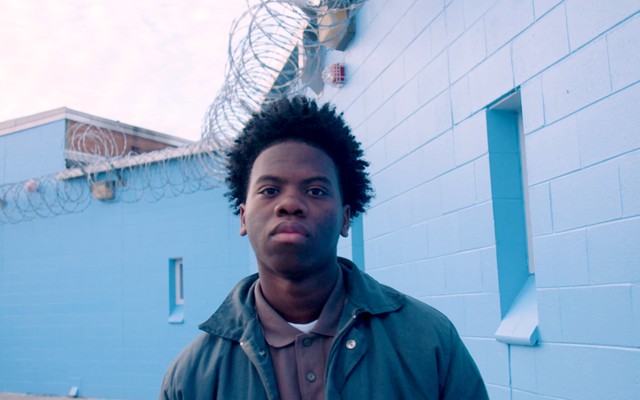
—Bob Dylan broke his cryptic silence about receiving the Nobel Prize in Literature two weeks ago in an interview with a British newspaper. Will he attend the ceremony? “Absolutely,” he said. “If it’s at all possible.”
—Spanish Prime Minister Mariano Rojay received a narrow mandate from parliament to form a new government, ending 10 months of paralysis after two inconclusive elections.
—Icelandic voters are poised to hand the Pirate Party, a populist civil-libertarian party, the most seats in the Althing in Saturday’s parliamentary elections.
—We’re live-blogging the news stories of the day below. All updates are in Eastern Daylight Time (GMT -4).
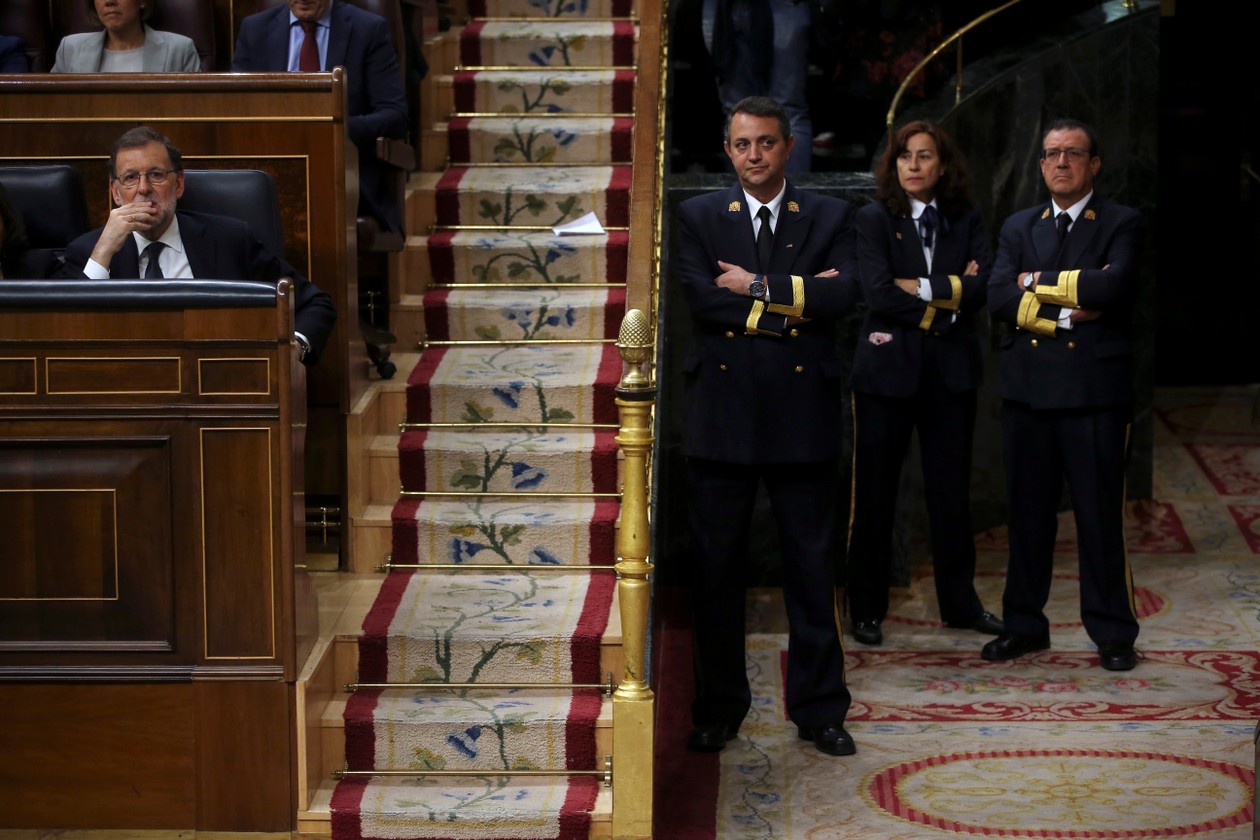
Spanish Prime Minister Mariano Rajoy, seated, attends the investiture debate at the Parliament in Madrid on October 29. (Susana Vera / Reuters)
Spain’s parliament re-elected Prime Minister Mariano Rajoy on Saturday, ending 10 months of paralysis following two inconclusive elections last December and this June.
Neither Rajoy’s center-right People Party nor the opposition Socialist Party mustered a simple majority of seats in either general elections, forcing both sides into a protracted stalemate as they struggled to build coalitions with smaller parties to govern.
The stalemate ended when Ciudadanos, a centrist regional party from Catalonia, threw its support—and its 32 seats—behind Rajoy. The New York Timeshas more:
The Popular Party won the most votes in June’s election but, with just 137 of the 350 seats in Parliament, fell well short of a majority. The Socialists came in second, with 85 seats, their worst-ever result, but still sufficient for them to remain the largest left-wing political group, ahead of the far-left Podemos party.
In the coming weeks, Mr. Rajoy will present a budget for 2017 that will be the first major test of his ability to pass legislation without a parliamentary majority. He will be under pressure to make budgetary concessions to regional and left-wing parties, but his spending will be curtailed by deficit targets imposed by the European Union.
Mr. Rajoy is also under pressure to defuse a territorial dispute with Catalonia. Separatist parties control the Catalan regional Parliament and have pledged to hold an independence referendum by September, despite fierce opposition from Madrid and the courts.
Had legislators not granted Rajoy a slim mandate to govern, Spain would have been forced to call its third election in a year in an attempt to break the deadlock.
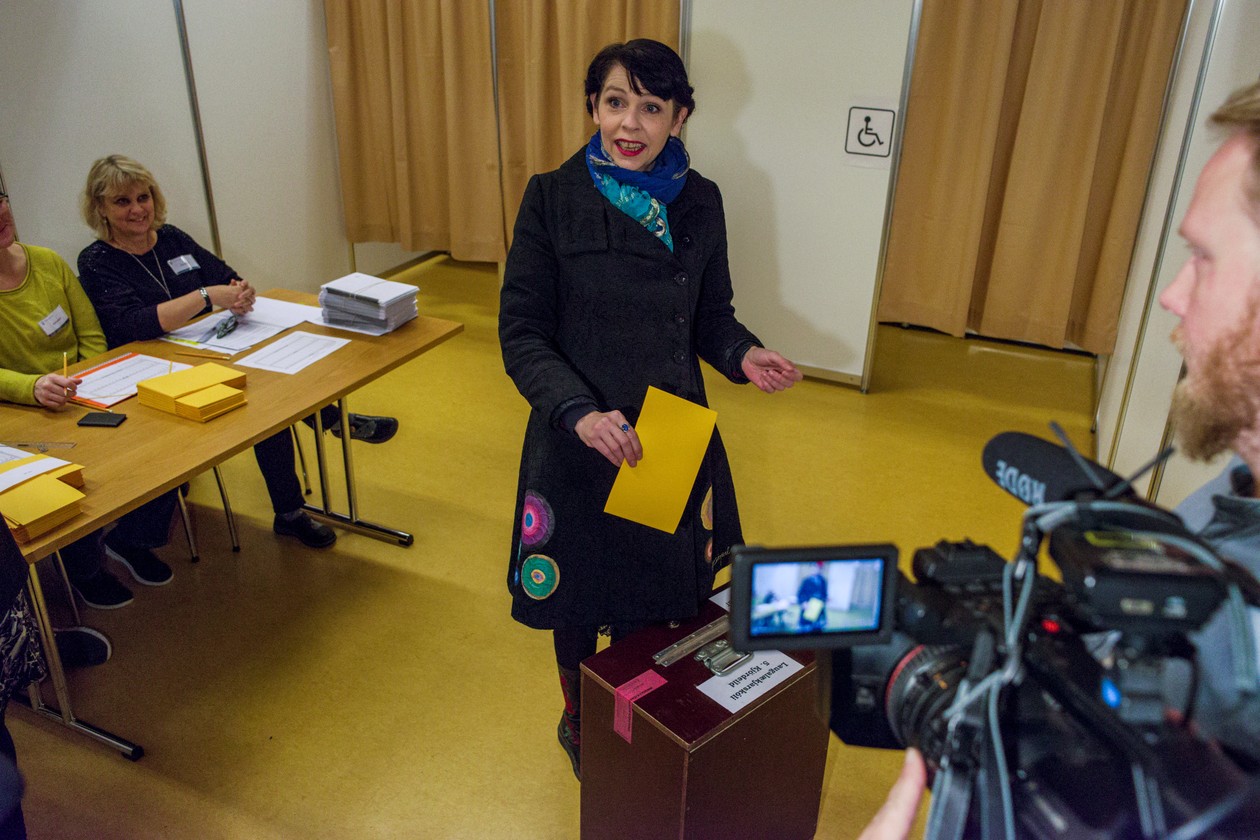
Birgitta Jónsdóttir of the Pirate Party reacts as she votes during the parliamentary election in Reykjavik. (Geirix / Reuters)
Icelandic voters are heading to the polls Saturday as the country holds its first parliamentary elections since the resignation of Prime Minister Sigmundur Davíð Gunnlaugsson in April.
Gunnlaugsson’s fall from power followed revelations in the Panama Papers, a cache of leaked documents from the corporate law firm Mossack Fonseca, that linked him to foreign creditors who profited from the collapse of Iceland’s banking sector.
Leading the latest opinion police is Iceland’s Pirate Party, a civil-libertarian party founded in 2012. It currently holds three seats in the Althing, Iceland’s parliament, but could emerge with the most seats of any party after the election. The Guardianhas more:
Riding a wave of public anger at perceived political corruption in the wake of the 2008 financial crash and the Panama Papers scandal in April, the Pirate party campaigns for direct democracy, full government transparency, individual freedoms and the fight against corruption.
Its radical platform, which also includes decriminalising drugs, offering asylum to whistleblowers such as Edward Snowden and relaxing restrictions on the use of the bitcoin virtual currency, has the backing of 21% of Icelanders, polls suggest, making it the country’s second-biggest party.
Its figurehead is Birgitta Jónsdóttir, a 49-year-old MP, poet and former WikiLeaks collaborator who has said she has no ambition to be prime minister but wants to sweep away a “corrupt and dysfunctional system.”
The election results will be announced Sunday morning local time.
Bob Dylan, who won the Nobel Prize for Literature earlier this month, finally acknowledged the honor on Friday. In an interview with the Daily Telegraph, the American folk bard said he might attend the awards ceremony in Stockholm in December.
“Absolutely,” he replied. “If it’s at all possible.”
Dylan cryptically did not elaborate on why he wouldn’t be able to attend. The Nobel Foundation subsequently released a statement that said Dylan had called the Nobel committee last week. “The news about the Nobel Prize left me speechless,” he said, according to the foundation. “I appreciate the honor so much.”
The Nobel committee announced Dylan had won literature’s most prestigious honor on October 13 for “for having created new poetic expressions within the great American song tradition.” He is the first musician to receive the prize. The choice caused a minor controversy within the literary world, with some praising the selection’s novelty while others dissented that a more traditional writer or poet was not honored instead.
Then followed silence. Dylan made only a brief, fleeting reference to the award on his website that day. To the foundation’s frustration, he also did not answer or return numerous calls from them. A committee member last week described his silence as “arrogant and impolite.”
Vice President Vance is worried that the U.S. is running low on weapons.
In closed-door meetings, J. D. Vance has repeatedly questioned the Defense Department’s depiction of the war in Iran and whether the Pentagon has understated what appears to be the drastic depletion of U.S. missile stockpiles.
Two senior administration officials told us that the vice president has queried the accuracy of the information the Pentagon has provided about the war. He has also expressed his concerns about the availability of certain missile systems in discussions with President Trump, several people familiar with the situation told us. The consequences of a dramatic drawdown in munitions reserves are potentially dire: U.S. forces would need to draw from these same stockpiles to defend Taiwan against China, South Korea against North Korea, and Europe against Russia.
For a brief moment this weekend, the president appeared introspective.
This article was featured in the One Story to Read Today newsletter. Sign up for it here.
For a guy who had just been rushed out of a ballroom at the sound of gunfire, he seemed remarkably calm. For a president who regularly attacks the press, he seemed unusually gracious. For a fleeting period on Saturday night, Donald Trump appeared introspective, or at least as introspective as he’s capable of being in public.
“It’s always shocking when something like this happens,” he told reporters in the White House briefing room, standing in his tux and appearing to speak without notes. He briefly seemed to consider how familiar he was with threats to his life, and how the shock doesn’t fade: “Happened to me a little bit. And that never changes.”
The legal right spent decades empowering the presidency. Now it must reckon with the system it helped create.
Julius Caesar styled himself as a servant of the republic, claiming to speak for the people even as he disregarded laws and norms to govern by caprice. The Roman republic did not survive him.
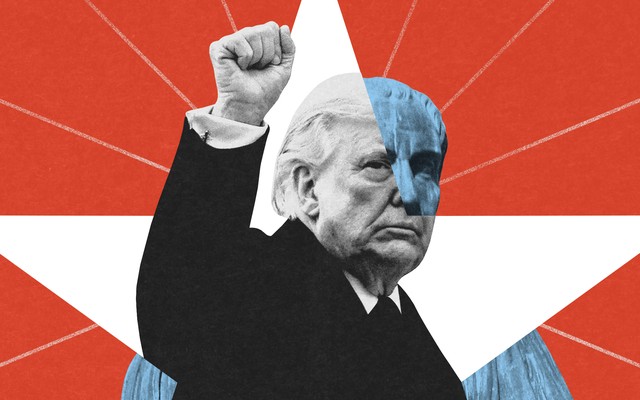
The second Trump administration has revealed American Caesarism in nearly full bloom. Despite ambitions to fundamentally change the course of the country, this administration has no real legislative agenda. Instead, the president governs by executive orders, emergency decrees, and extortionate transactions, using his power to reward his friends and punish his enemies. He’s launched foreign military adventures and full-blown wars seemingly based on personal whim, and has made the military a political prop and a tool for domestic law enforcement. With Congress sidelined and the courts reluctant to check Donald Trump’s excesses, America has been left with what some legal scholars have described as an “executive unbound”—and with a president who threatens to supplant the republic in all but name.
For the richest men on Earth, everything is free and nothing matters.
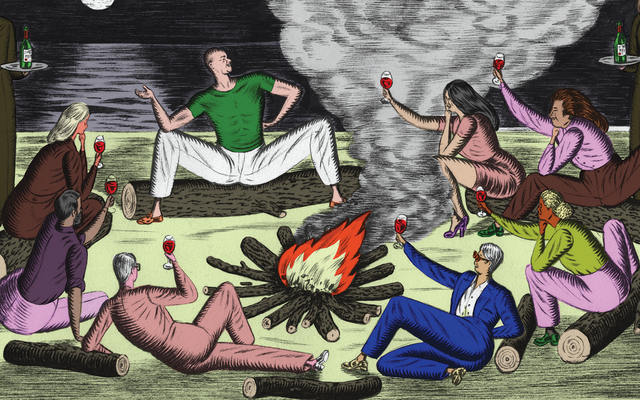
At the end of Paul Thomas Anderson’s 2007 movie, There Will Be Blood, Daniel Day-Lewis’s oil-baron character, old now and richer than Croesus, beats Paul Dano’s preacher to death with a bowling pin. Dano’s Eli Sunday, a nemesis of Day-Lewis’s Daniel Plainview during his seminal, wealth-building years, has come to sell Plainview the oil-rich land that he once coveted. But Plainview doesn’t need the land anymore, because—as he explains in one of the most famous monologues in modern cinema—he has sucked out all the oil hidden beneath it from an adjoining property, like a milkshake.
Desperate for money, Eli begs for a loan. Instead, Plainview chases him around a bowling alley and murders him with great enthusiasm. Once it’s over, a butler comes to see what all the noise was about. “I’m finished,” Plainview yells.
The pontiff has proved unwilling to subordinate his faith to politics, or to adjust his commitment to the Gospel in exchange for access to power.
American presidents and popes have clashed before, but the battle of words and wills between Donald Trump and Pope Leo XIV is unprecedented.
The distinctiveness of their clash is not due mainly to the fact that Robert Francis Prevost is the first American-born pope, though that is significant. After all, Leo can’t be dismissed as a foreigner who is speaking about a country and culture he doesn’t understand. When he is critical of America, on matters ranging from war to mass deportation to those who “manipulate religions and the very name of God,” it comes from a place of love and devotion.
Nor does it have to do solely with the nature of the disagreements, most specifically the war waged by Trump against Iran. Past popes have criticized past presidents for going to war.
What makes the Trump-Leo collision most unusual is the manner of the disagreement, not on the part of the pope—whose criticisms have been direct but restrained—but on the part of the president.
The shooting at the Correspondents’ Dinner made clear who gets saved first.
This article was featured in the One Story to Read Today newsletter. Sign up for it here.
On one level, the system worked. The perimeter held. A would-be assassin was tackled in the hallway outside the White House Correspondents’ Association’s annual dinner. The one bullet that found a human target—a U.S. Secret Service agent—was halted, in part, by the officer’s phone and bulletproof vest, according to a law-enforcement summary report that we reviewed. A counterassault team promptly swarmed the stage with assault rifles and night-vision equipment in case the lights were cut. The government’s top leaders—president, vice president, Cabinet officials, speaker of the House—were ushered to secure locations in a matter of minutes. No one died in the attack.
Instead of a crackdown on his enemies, Trump wants his ballroom.
When an assassin murdered Charlie Kirk in September 2025, the MAGA movement seized the moment to demand a campaign of repression. Vice President Vance called for an ambitious program to “go after the NGO network that foments, facilitates, and engages in violence.” He named the Ford Foundation, Open Society Foundations, and The Nation magazine as examples of candidates for the retaliation he had in mind. The people who faced consequences after the killing almost universally did so for things they had written or said, not for acts of violence. In November, Reuters counted some 600 cases of people who were fired, suspended, or otherwise disciplined for their speech about Kirk’s life and death.
Now another gunman has attacked political targets. At the White House Correspondents’ Association Dinner, a man discharged a firearm in the vicinity of hundreds of people from the worlds of politics, media, and business—among them, the president and vice president of the United States. Although much about the event remains unclear, the available evidence suggests that the gunman was motivated by an anti-Trump agenda. Yet this time, MAGA’s immediate response to political violence has been much less aggressive. At his press conference after yesterday’s attempted shooting, President Trump cited the attack as proof of the need for his wished-for White House ballroom. Social-media accounts that take their cues from the White House promptly echoed the message.
The administration could exert much greater control over the industry—but just how far would it go?
AI companies are beginning to entertain the possibility that they could cease to exist. This notion was, until recently, more theoretical: A couple of years ago, an ex-OpenAI employee named Leopold Aschenbrenner wrote a lengthy memo speculating that the U.S. government might soon take control of the industry. By 2026 or 2027, Aschenbrenner wrote, an “obvious question” will be circling through the Pentagon and Congress: Do we need a government-led program for artificial general intelligence—an AGI Manhattan Project? He predicted that Washington would decide to go all in on such an effort.
Aschenbrenner may have been prescient. Earlier this year, at the height of the Pentagon’s ugly contract dispute with Anthropic, Secretary of Defense Pete Hegseth warned that he could invoke the Defense Production Act (DPA), a Cold War–era law that he reportedly suggested would allow him to force the AI company to hand over its technology on whatever terms the Pentagon desired. The act is one of numerous levers the Trump administration can pull to direct, or even commandeer, AI companies. And the companies have been giving the administration plenty of reason to consider doing so.
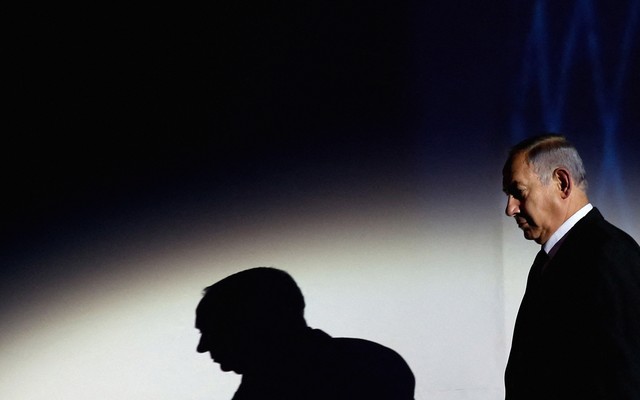
The Israeli prime minister’s focus is, as always, on himself and his near-term political needs. The plight of American Jews is simply not his concern.
The relationship between the United States and Israel is in crisis. Six in 10 Americans have a negative view of Israel, and a majority of those under 50 in both major parties view Israel as well as its prime minister, Benjamin Netanyahu, negatively. After the brutal Gaza war, a large percentage of liberal-leaning Generation Z considers Israel a pariah state. Democratic candidates are scrambling to distance themselves from Israel and its controversial leader; earlier this month, 40 of the 47 Democratic senators voted against a military aid package for the country. And hostility toward Israel is spilling over into hostility toward Jews. Liberal influencers, activists, podcasters, and even politicians are invoking age-old anti-Semitic tropes with frightening regularity.
The people we were died at the exact moment our child did.
This article was featured in the One Story to Read Today newsletter. Sign up for it here.
My husband, David, hates Valentine’s Day. He once called it “New Year’s Eve with nuclear weapons.” I pretend not to care. Still, when the day passes entirely unremarked on, a woman can’t help but feel overlooked.
On Valentine’s Day 2024, David found a way out. He booked a speech on February 14 that required traveling from our home in Washington, D.C., to Toronto. I couldn’t object—he was getting paid. Anyway, I had my own plans: an “anti–Valentine’s Day” dinner hosted by one of the foreign embassies.
As I got ready, I called our oldest daughter, Miranda. She answered from her Brooklyn bathroom, getting ready for her own party. She propped her phone up beside her sink and laughed when I told her about her father’s strategic Valentine’s Day escape.