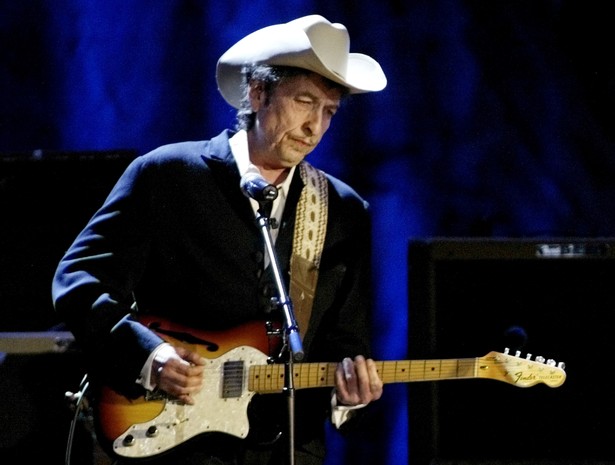
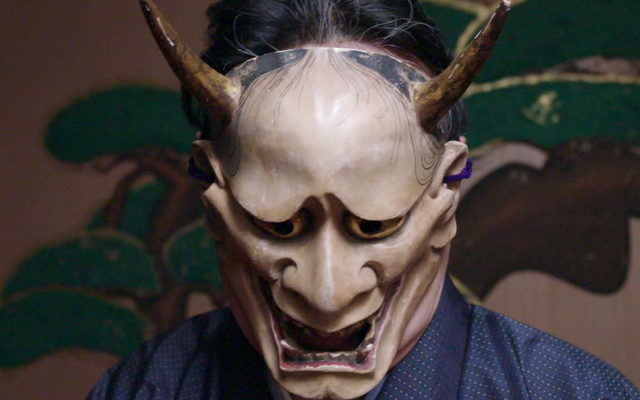
—Bob Dylan broke his cryptic silence about receiving the Nobel Prize in Literature two weeks ago in an interview with a British newspaper. Will he attend the ceremony? “Absolutely,” he said. “If it’s at all possible.”
—Spanish Prime Minister Mariano Rojay received a narrow mandate from parliament to form a new government, ending 10 months of paralysis after two inconclusive elections.
—Icelandic voters are poised to hand the Pirate Party, a populist civil-libertarian party, the most seats in the Althing in Saturday’s parliamentary elections.
—We’re live-blogging the news stories of the day below. All updates are in Eastern Daylight Time (GMT -4).
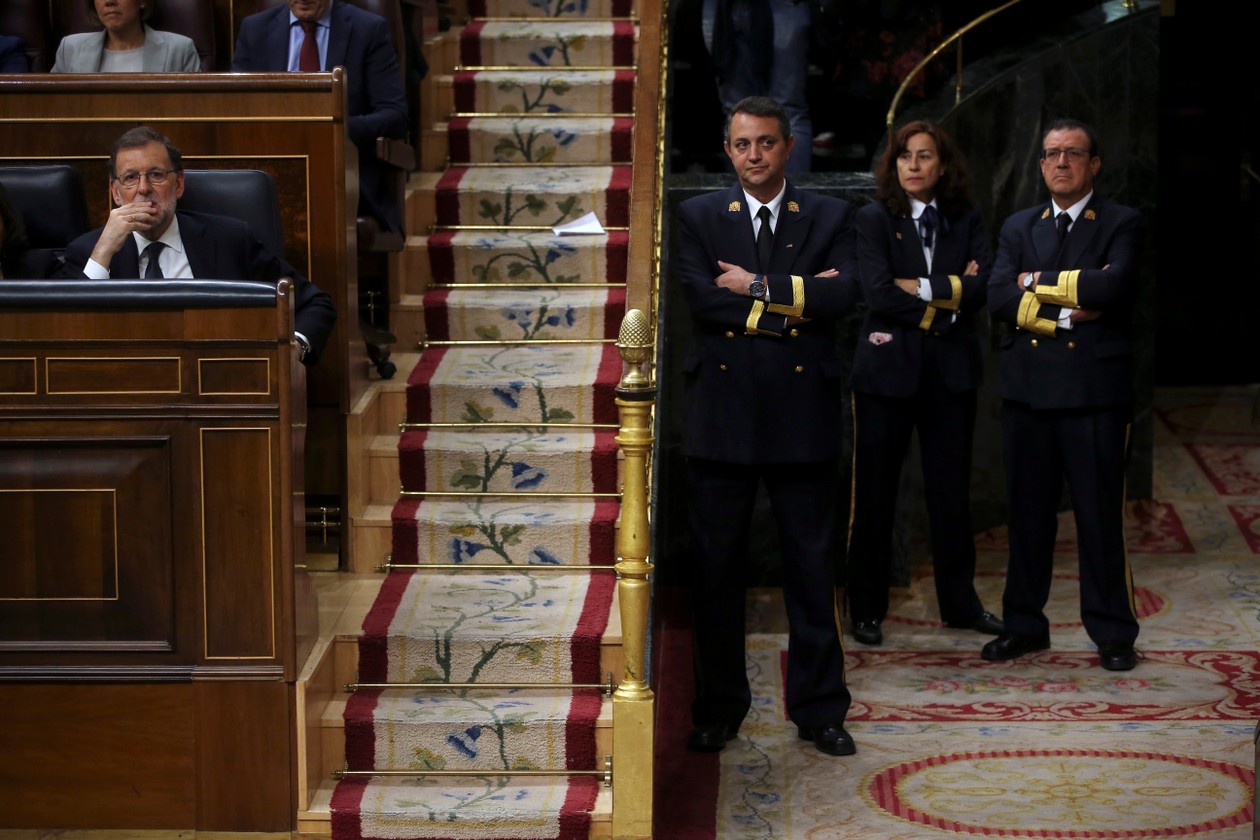
Spanish Prime Minister Mariano Rajoy, seated, attends the investiture debate at the Parliament in Madrid on October 29. (Susana Vera / Reuters)
Spain’s parliament re-elected Prime Minister Mariano Rajoy on Saturday, ending 10 months of paralysis following two inconclusive elections last December and this June.
Neither Rajoy’s center-right People Party nor the opposition Socialist Party mustered a simple majority of seats in either general elections, forcing both sides into a protracted stalemate as they struggled to build coalitions with smaller parties to govern.
The stalemate ended when Ciudadanos, a centrist regional party from Catalonia, threw its support—and its 32 seats—behind Rajoy. The New York Timeshas more:
The Popular Party won the most votes in June’s election but, with just 137 of the 350 seats in Parliament, fell well short of a majority. The Socialists came in second, with 85 seats, their worst-ever result, but still sufficient for them to remain the largest left-wing political group, ahead of the far-left Podemos party.
In the coming weeks, Mr. Rajoy will present a budget for 2017 that will be the first major test of his ability to pass legislation without a parliamentary majority. He will be under pressure to make budgetary concessions to regional and left-wing parties, but his spending will be curtailed by deficit targets imposed by the European Union.
Mr. Rajoy is also under pressure to defuse a territorial dispute with Catalonia. Separatist parties control the Catalan regional Parliament and have pledged to hold an independence referendum by September, despite fierce opposition from Madrid and the courts.
Had legislators not granted Rajoy a slim mandate to govern, Spain would have been forced to call its third election in a year in an attempt to break the deadlock.
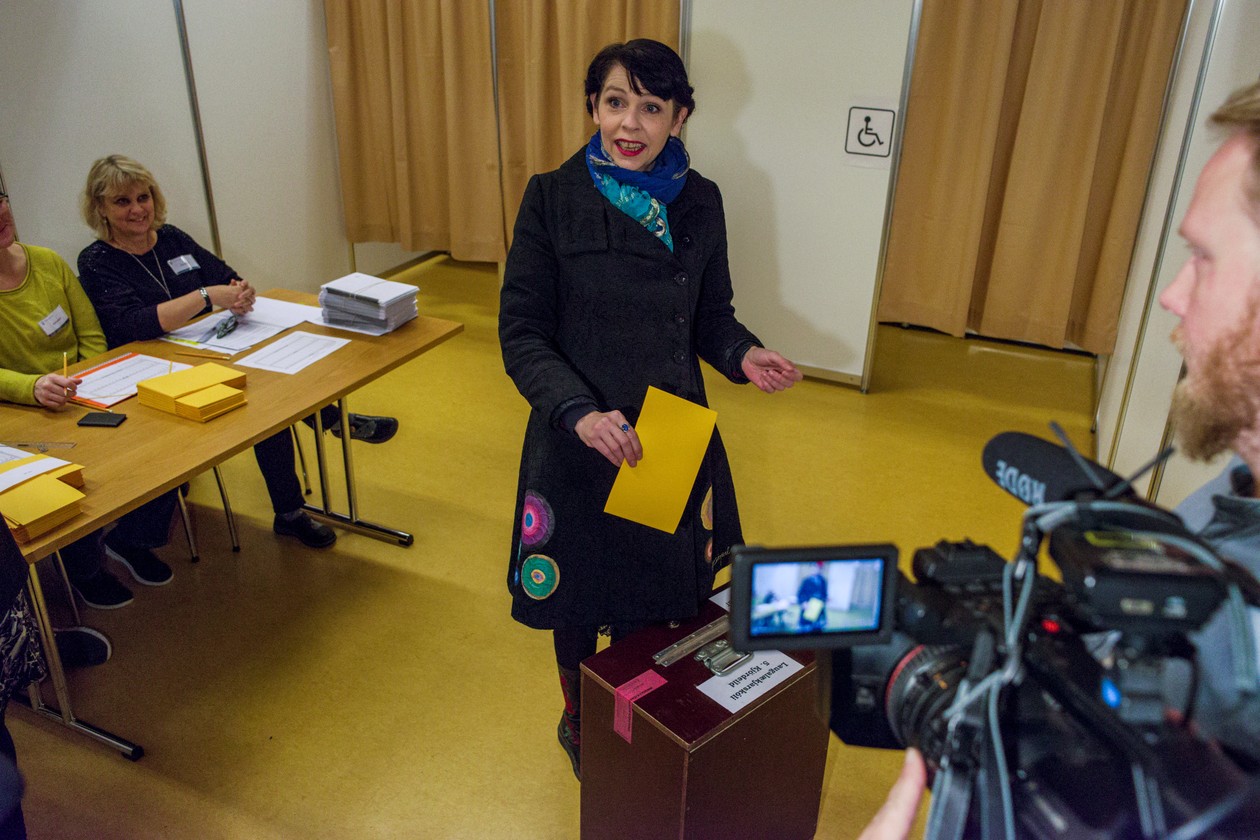
Birgitta Jónsdóttir of the Pirate Party reacts as she votes during the parliamentary election in Reykjavik. (Geirix / Reuters)
Icelandic voters are heading to the polls Saturday as the country holds its first parliamentary elections since the resignation of Prime Minister Sigmundur Davíð Gunnlaugsson in April.
Gunnlaugsson’s fall from power followed revelations in the Panama Papers, a cache of leaked documents from the corporate law firm Mossack Fonseca, that linked him to foreign creditors who profited from the collapse of Iceland’s banking sector.
Leading the latest opinion police is Iceland’s Pirate Party, a civil-libertarian party founded in 2012. It currently holds three seats in the Althing, Iceland’s parliament, but could emerge with the most seats of any party after the election. The Guardianhas more:
Riding a wave of public anger at perceived political corruption in the wake of the 2008 financial crash and the Panama Papers scandal in April, the Pirate party campaigns for direct democracy, full government transparency, individual freedoms and the fight against corruption.
Its radical platform, which also includes decriminalising drugs, offering asylum to whistleblowers such as Edward Snowden and relaxing restrictions on the use of the bitcoin virtual currency, has the backing of 21% of Icelanders, polls suggest, making it the country’s second-biggest party.
Its figurehead is Birgitta Jónsdóttir, a 49-year-old MP, poet and former WikiLeaks collaborator who has said she has no ambition to be prime minister but wants to sweep away a “corrupt and dysfunctional system.”
The election results will be announced Sunday morning local time.
Bob Dylan, who won the Nobel Prize for Literature earlier this month, finally acknowledged the honor on Friday. In an interview with the Daily Telegraph, the American folk bard said he might attend the awards ceremony in Stockholm in December.
“Absolutely,” he replied. “If it’s at all possible.”
Dylan cryptically did not elaborate on why he wouldn’t be able to attend. The Nobel Foundation subsequently released a statement that said Dylan had called the Nobel committee last week. “The news about the Nobel Prize left me speechless,” he said, according to the foundation. “I appreciate the honor so much.”
The Nobel committee announced Dylan had won literature’s most prestigious honor on October 13 for “for having created new poetic expressions within the great American song tradition.” He is the first musician to receive the prize. The choice caused a minor controversy within the literary world, with some praising the selection’s novelty while others dissented that a more traditional writer or poet was not honored instead.
Then followed silence. Dylan made only a brief, fleeting reference to the award on his website that day. To the foundation’s frustration, he also did not answer or return numerous calls from them. A committee member last week described his silence as “arrogant and impolite.”
Kash Patel has alarmed colleagues with episodes of excessive drinking and unexplained absences.
On Friday, April 10, as FBI Director Kash Patel was preparing to leave work for the weekend, he struggled to log into an internal computer system. He quickly became convinced that he had been locked out, and he panicked, frantically calling aides and allies to announce that he had been fired by the White House, according to nine people familiar with his outreach. Two of these people described his behavior as a “freak-out.”
Patel oversees an agency that employs roughly 38,000 people, including many who are trained to investigate and verify information that can be presented under oath in a court of law. News of his emotional outburst ricocheted through the bureau, prompting chatter among officials and, in some corners of the building, expressions of relief. The White House fielded calls from the bureau and from members of Congress asking who was now in charge of the FBI.
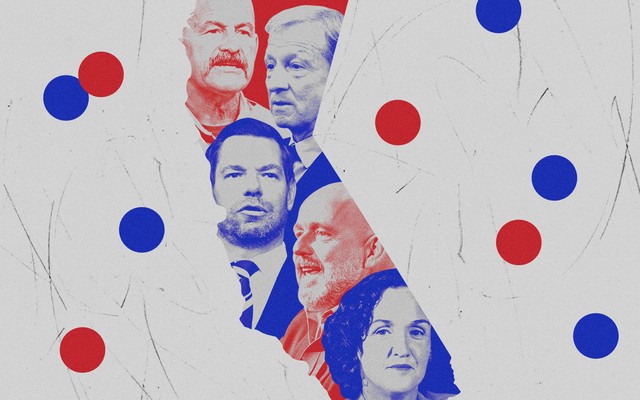
One of the most liberal states in the country can’t find a Democrat to lead it.
On a chilly Saturday late last month, I met Eric Swalwell at a Little League diamond near Capitol Hill, where the Bay Area congressman and his wife, Brittany, would be watching their 8-year-old son. Swalwell, who was running to succeed Gavin Newsom as the next governor of California, had been gradually rising above a Lilliputian cast of candidates and had acquired a strong scent of momentum in the race.
“Impeccable timing for you,” he’d texted me on my drive over. He attached a just-published Washington Post article reporting that FBI Director Kash Patel was seeking to release files relating to a decade-old investigation into Swalwell that had turned up no evidence of wrongdoing. If true, the Post story presented a publicity godsend to Swalwell’s campaign, further elevating his status as a nemesis of the vindictive president.
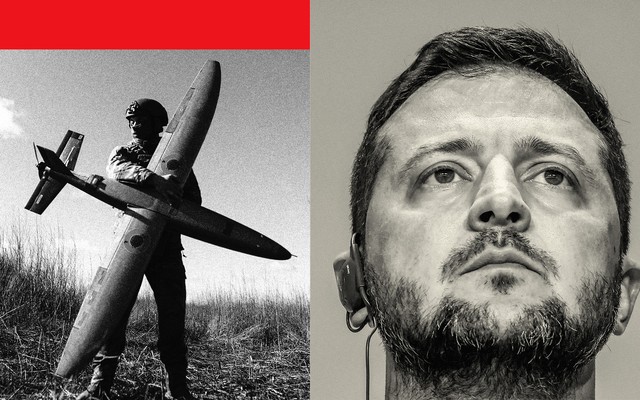
For more than a year after Donald Trump returned to the White House, Ukraine held out hope—at least publicly—of winning him over. Trump, who revealed his affection for Russia’s Vladimir Putin again and again, largely halted American military aid to Kyiv. He insulted Ukrainian leaders regularly, personally berating President Volodymyr Zelensky in the Oval Office in February 2025. Nevertheless, Ukraine diligently took part in Trump’s peace negotiations, which were tilted to reward Putin’s invasion and turned out to be fruitless. Zelensky agreed to mineral deals that supposedly promised to enrich Americans. He even lavishly praised Trump himself. Despite Ukrainian leaders’ growing doubts, they calculated that speaking sweetly of the American president would do no harm and just might gain his favor.
People scrutinizing influencers for their views should also hold them to account for their facts.
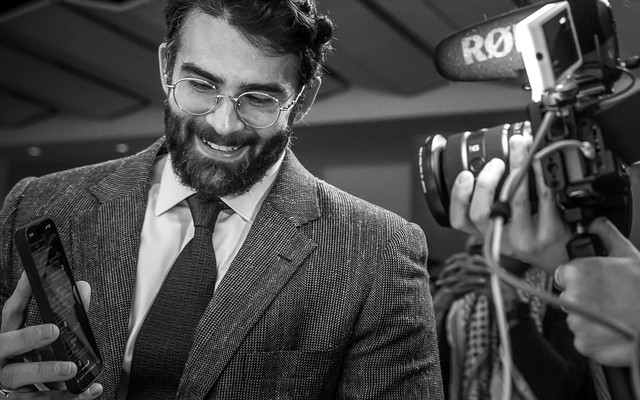
Last week, Pod Save America, the popular podcast founded by former Obama-administration staffers, hosted the influencer and leftist provocateur Hasan Piker. A charismatic and pugnacious socialist streamer, Piker has become a flash point in a broader debate among Democrats over how far their party’s big tent ought to extend. Unsurprisingly, Piker’s hourlong interview generated controversy. Critics on the right and left highlighted his refusal to condemn Hamas. Others were upset that the influencer said he would “vote for Hamas over Israel every single time,” even as he reiterated his reticence to back a progressive politician such as Gavin Newsom over J. D. Vance.
But a very different part of the podcast caught my attention, because it illustrates the problem with the wrangling over Piker: It revolves around his contentious opinions about a narrow subject—Jews and Israel—while giving short shrift to his broader worldview and his tendency to be wrong on the facts. The issue is not whether to engage with figures like Piker; it’s how to do so in a way that’s genuinely informative.
I spent 10 months working at the institution because I thought I could help protect it. What I observed there is far worse than the public knows.
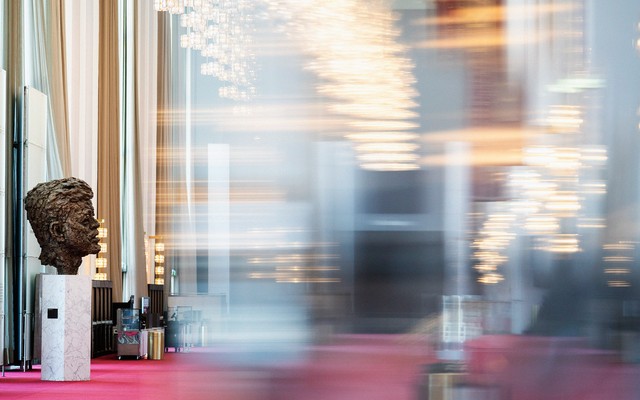
On the day I was laid off from the Kennedy Center, I felt a little like Dolley Madison saving the Stuart portrait of Washington before the British sacked the capital. I was the staffer in charge of the artworks in the building. A crucial difference is that my institution, unlike the White House in 1814, had been on fire for months.
About a year elapsed between the moment President Trump took over the Kennedy Center in early 2025 and his declaration this past February that he’d decided to shut down the nation’s cultural center for two years. In between, we had seen artist cancellations, shrinking audiences, firings of old staffers and influxes of new ones—a lot of drama, just not onstage. The date Trump announced for the closure was July 4, the country’s 250th birthday, an event that I had been hired to help commemorate as the institution’s first curator of visual arts and special programming.
The Sorrow and the Pity has lessons for how authoritarianism takes root—and how to fight against it.
The best thing I watched in the past year was an epically long movie about retired militants, but it wasn’t One Battle After Another, the Oscar winner for Best Picture. It was The Sorrow and the Pity, a four-hour documentary from 1969 about life in Nazi-occupied France. Reviewing the film in The Atlantic in 1972, David Denby called it “one of the greatest documentaries ever made,” and that remains true. What makes the film so effective is not how it looks at the Germans, a spectral presence, but how it chronicles the way that many ordinary citizens simply lived their lives as if nothing had changed.
The director Marcel Ophuls, who died last year at 97, explores collaboration and resistance through the lens of a small city, Clermont-Ferrand. It’s about an hour from Vichy, where the Nazis established a puppet government headed by the World War I hero Philippe Pétain. Pétain’s former protégé Charles de Gaulle fled to Britain, coordinated resistance to the Nazis, and returned to lead a free France. The idea that the French almost uniformly opposed Nazism, with only a few bad apples collaborating, is foundational to France’s postwar identity. The problem, as Ophuls, a Franco-German Jew, demonstrates, is that this is a myth.
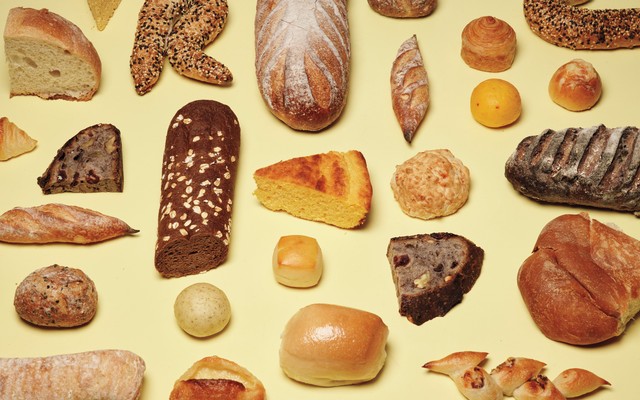
Thirteen thousand miles. Infinite contenders. One beautiful loaf.
This article was featured in the One Story to Read Today newsletter. Sign up for it here.
Here is the promise you and I must cling to across the thousands of words that follow: At some point within this text, I will reveal to you what—after 555 responses, 13,000 miles of travel, and months of monomaniacal research—I have determined to be the best free restaurant bread in America. I will not attempt to slither to the moral high ground, arguing that best is a meaningless measure, or insisting that all bread is dear in its own way. Even if you attempt to betray me—for instance, by merely scanning the text that follows for the phrase Here it is: the best free restaurant bread in America—I will uphold my end of the bargain.
This article was featured in the One Story to Read Today newsletter. Sign up for it here.
Maybe you’ve seen photos of Tehran in the 1970s, just before the Islamic Revolution: images of young women going to work in miniskirts, of couples making out in parks while wearing bell-bottoms, of people at pools in bikinis. It looks like Paris or Milan or Los Angeles. But in 1979 the revolution happened, and now Tehran looks like something from an earlier century.
Sometimes I think that our whole world has become kind of like that—going backwards in time. The religious movements thriving in today’s secularized age are the traditionalist ones that dissent from large parts of contemporary culture—not only the Shiite Islam of post-revolution Iran, but Orthodox Judaism and conservative Catholicism. Young Americans are flooding into Eastern Orthodox churches.
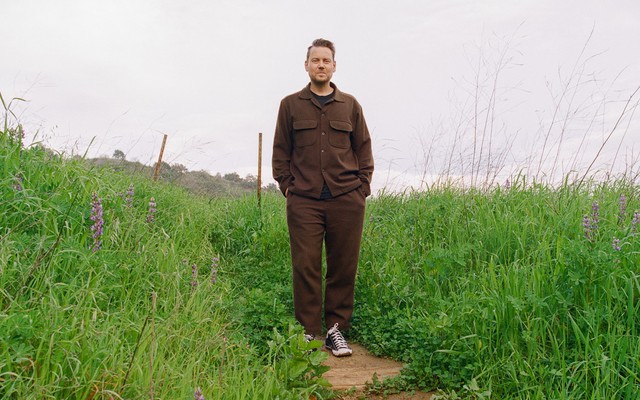
Pastor John Mark Comer has won a massive audience by encouraging his followers to free themselves from the gnawing sense that there is always more to do.
John Mark Comer can be a hard man to find. He’s one of the most famous pastors in America right now, an author whose books have together sold more than 1 million copies, but he’s not the most reachable guy. He has a professional website but no contact page. He rarely travels. And as I reported this story, I began to learn his habits: Sending him a text early in the day was a wash, for instance, because he doesn’t check his phone until after morning prayer time. Once, when I reached out by email, I got an out-of-office response that he had set before Christmas explaining that he was observing “rhythms of rest” and asking that I try him again after his return in mid-January. Incoming messages sent in the meantime would be deleted.
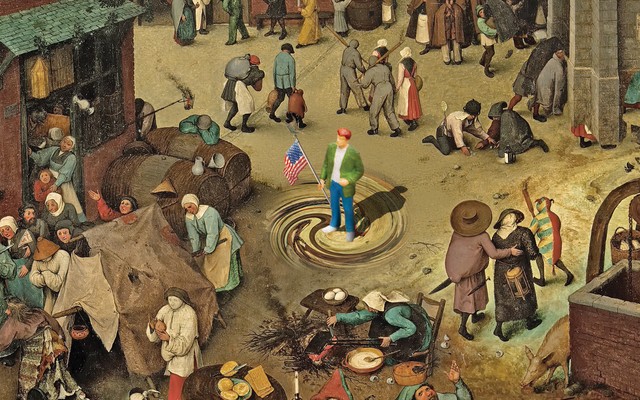
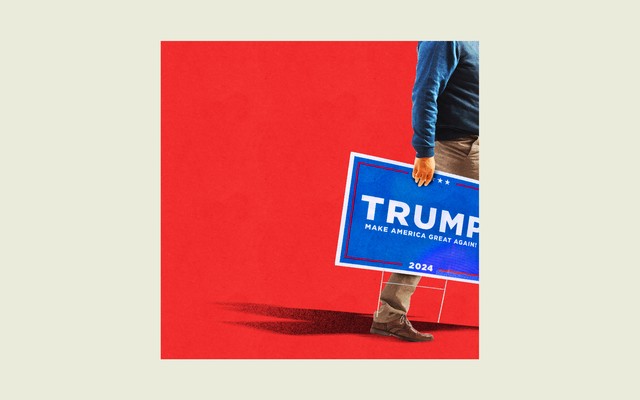
A shocking number of the president’s supporters have turned against him.
Tomas Montoya has sold festival foods—funnel cakes, burgers, hot dogs—across the American Southwest for years. But lately, business has been rough. Costs are up, so he’s increased his prices. Employees are begging for hours he can’t give them. In Arizona, where he lives, Montoya pays $6 a gallon to fill up his food trucks with diesel. This summer, he may have to skip the California leg of his festival route because fuel is even more expensive there.
“It’s Trump,” Montoya told us outside a popular Hispanic grocery store in Casa Grande, Arizona, much of which sits in one of the most evenly divided House districts in the country. Montoya voted for President Trump in 2024, but now, well, frustrated doesn’t begin to cover how he’s feeling. The president is bragging about the economy, even though everyone Montoya knows is hurting; he promised to stop wars, but started one in Iran. “When Trump opens his mouth, three-quarters of what he says is stories, lies,” Montoya said. He’s planning to vote in the midterm elections this fall. But he may not choose a Republican.