
In February 2021, we at Domestic Data Streamers, a Barcelona-based digital storytelling organization, threw ourselves into a complex journey that began with technology but took us deep into human emotion and memory. We set out to explore the domain of generative AI technologies within social transformation initiatives. Among our many initiatives, the “Synthetic Memories” project stood apart, affecting everyone involved on a profoundly emotional level.
The project consisted of a series of interviews with elderly people about past experiences and moments from their lives that were never documented in images. The goal was to use generative AI to create images that could evoke these experiences. This was not merely an exercise in computing. It became an emotional journey for both the Domestic Data Streamers team and the people who trusted us with their memories.
The original inspiration for this project was seeded in 2013 during a significant migratory crisis in Europe. While collaborating with Ojala Projects, an NGO assisting Syrian families in Athens, a touching encounter with a refugee grandmother brought to light the immeasurable value of memories and the role of images in preserving them.
“My grandkids will be refugees all their lives,” she told us. “They have lost not only their homes, but their neighborhoods, friends, and also the memories that link them to our past and culture. We have lost all our photo albums and diaries, our family history is gone.” This moment truly changed the way in which we think of the value of images, how they operate as mediators between our past and present, and link us to a deeper understanding of our roots.
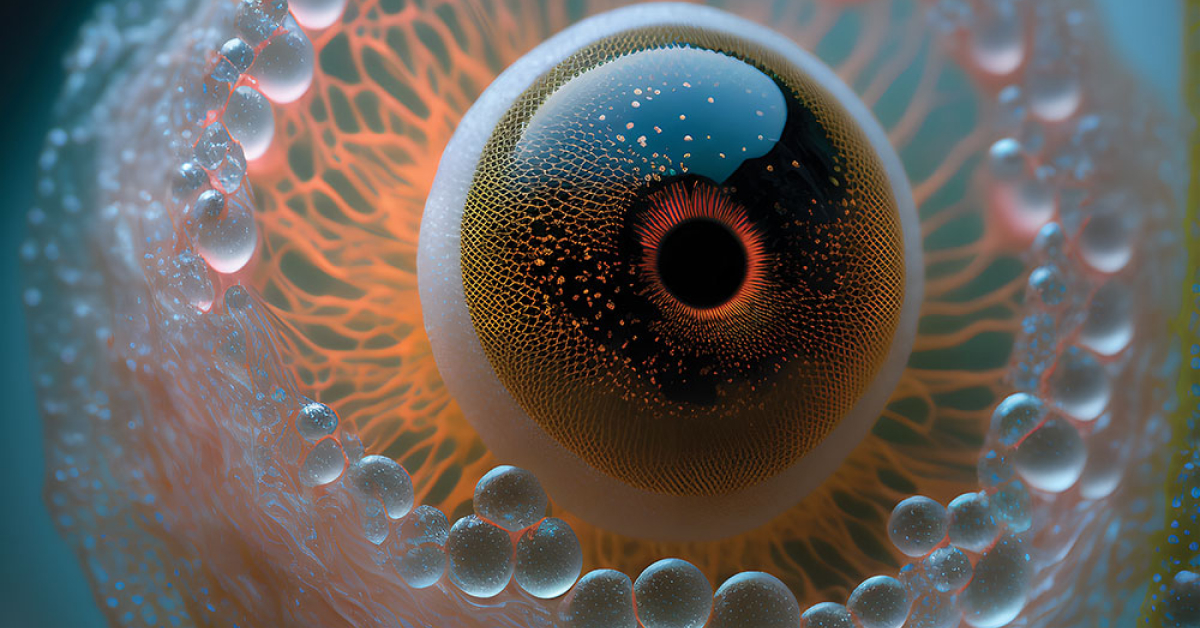
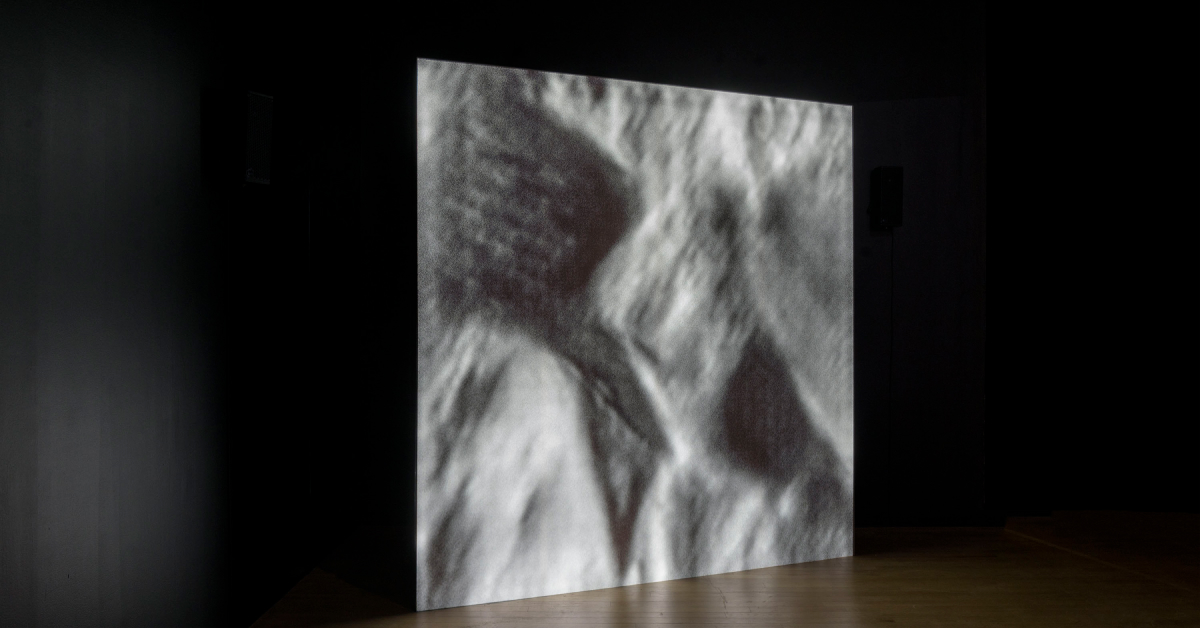
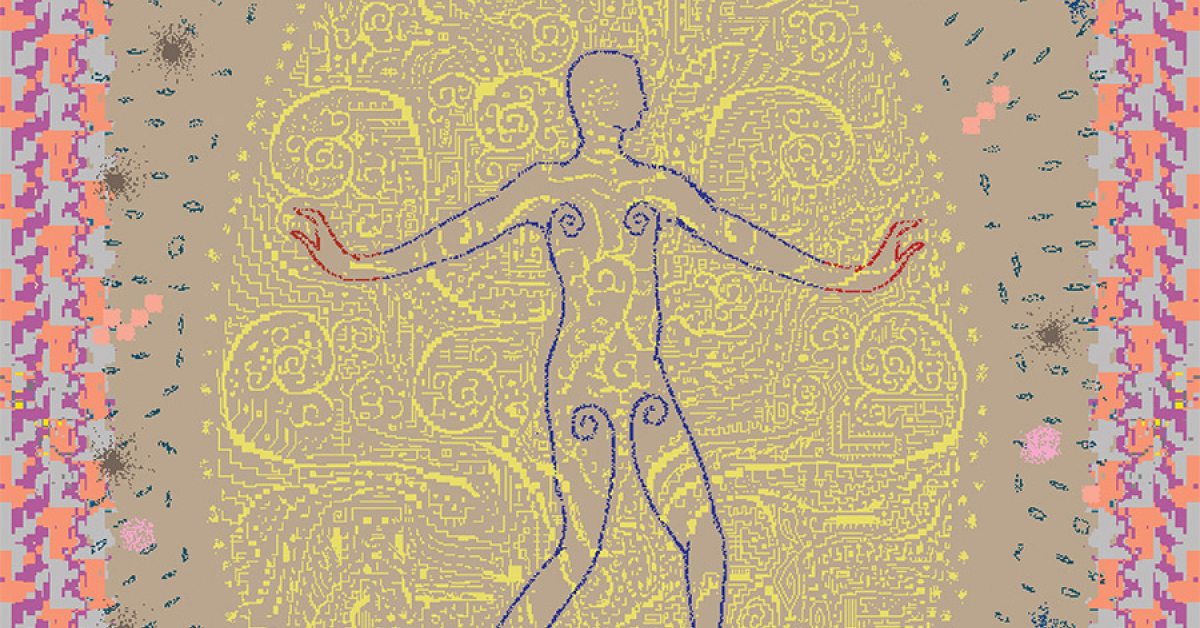
To clarify, the images generated from this project blend techniques from photography, drawing, and watercolors. Faces remain obscured, ensuring the images are never mistaken for actual photographs. This is crucial because vague images have proven more effective in memory recall exercises. A clear image might highlight inconsistencies, while an unfinished image allows our imagination to complete it, often in line with our memories.
This project’s potential reaches beyond nostalgia. It has vast scientific and therapeutic implications. We are already collaborating with social workers, psychologists, and medical experts in dementia and psychoneurology to understand the positive impact that synthetic memories can have on the progression of degenerative diseases such as Alzheimer’s or senile dementia. Preliminary findings indicate this methodology could significantly enhance Reminiscence Therapy, which uses various sensory stimuli like music, objects, and, yes, images to enhance the cognitive functions of people living with degenerative diseases.
A significant majority of patients, 11 out of 16, expressed a desire to increase sessions on synthetic memory recreation after their initial experience. Yet, those in advanced dementia stages showed limited involvement, emphasizing the need to tailor the therapy to individual cognitive capacities, potentially also hinting at a new way to gauge cognitive decline. Many patients expressed interest in having their generated memories printed, offering them tangible connections to the past. We also recognized that some memories take time, spanning more than one session, stressing the importance of therapy flexibility. Interestingly, group sessions with synthetic memories, tested over 20 times, cultivated rich interactions among participants. This enabled them to share cherished memories, boosting their interpersonal bonds, showcasing the benefits of group reminiscence in fostering communication among other dementia patients.
One encounter that stands out is our session with Maria, an 84-year-old from Barcelona. She vividly recalled her first memory of her father, seeing him from the perch of a rented balcony that faced the “La Modelo” prison where he was imprisoned. “That was the only way I could see my father for four years, through the bars of that balcony and the bars of his prison cell window. I was six at that time.” Maria’s description of the place and the historical context of that moment was used to generate an image that not only resonated with her but also moved us deeply. Upon seeing the image, Maria reported that looking at the image was akin to peering into a part of her past that she no longer had the words to articulate.
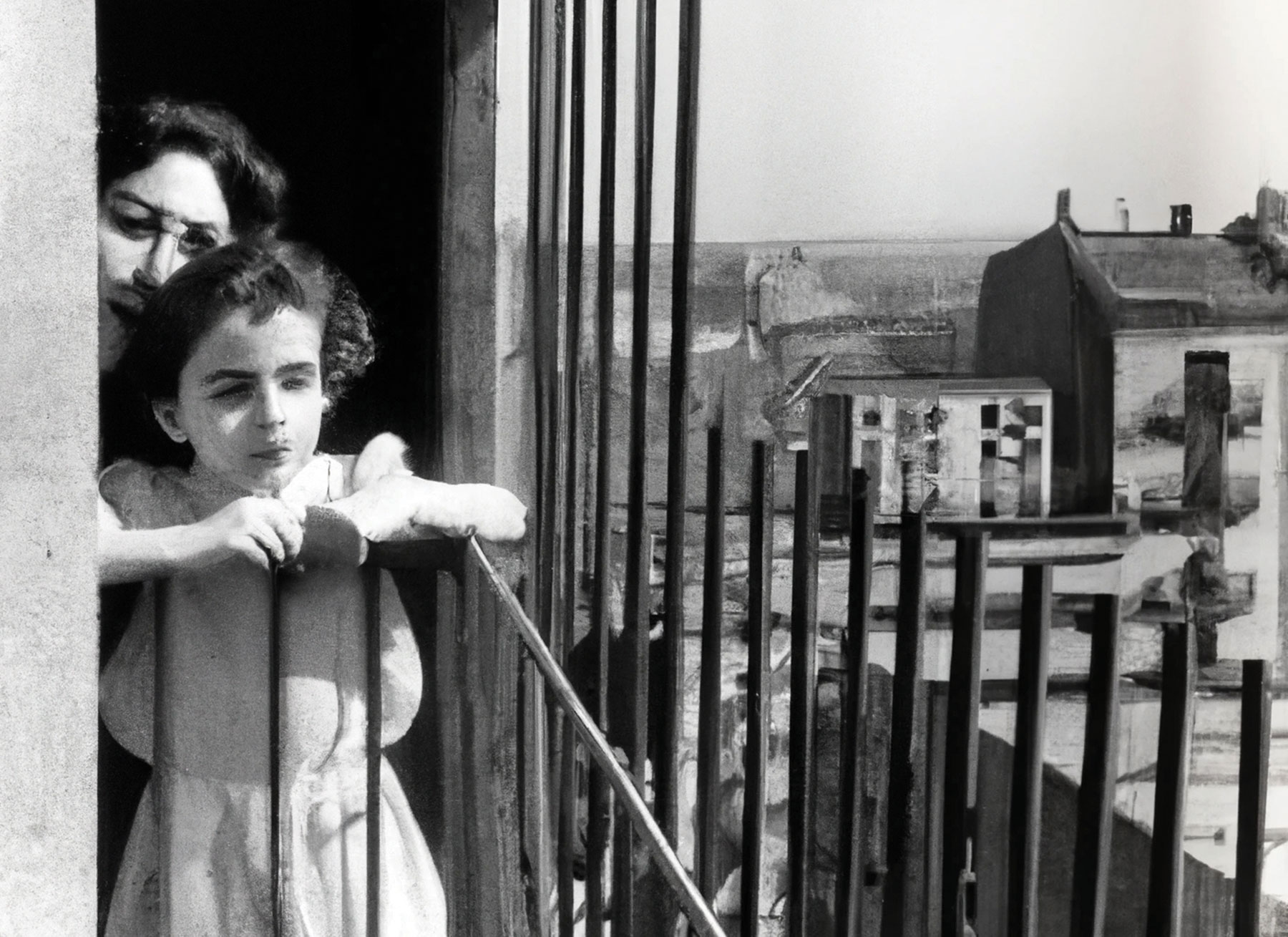
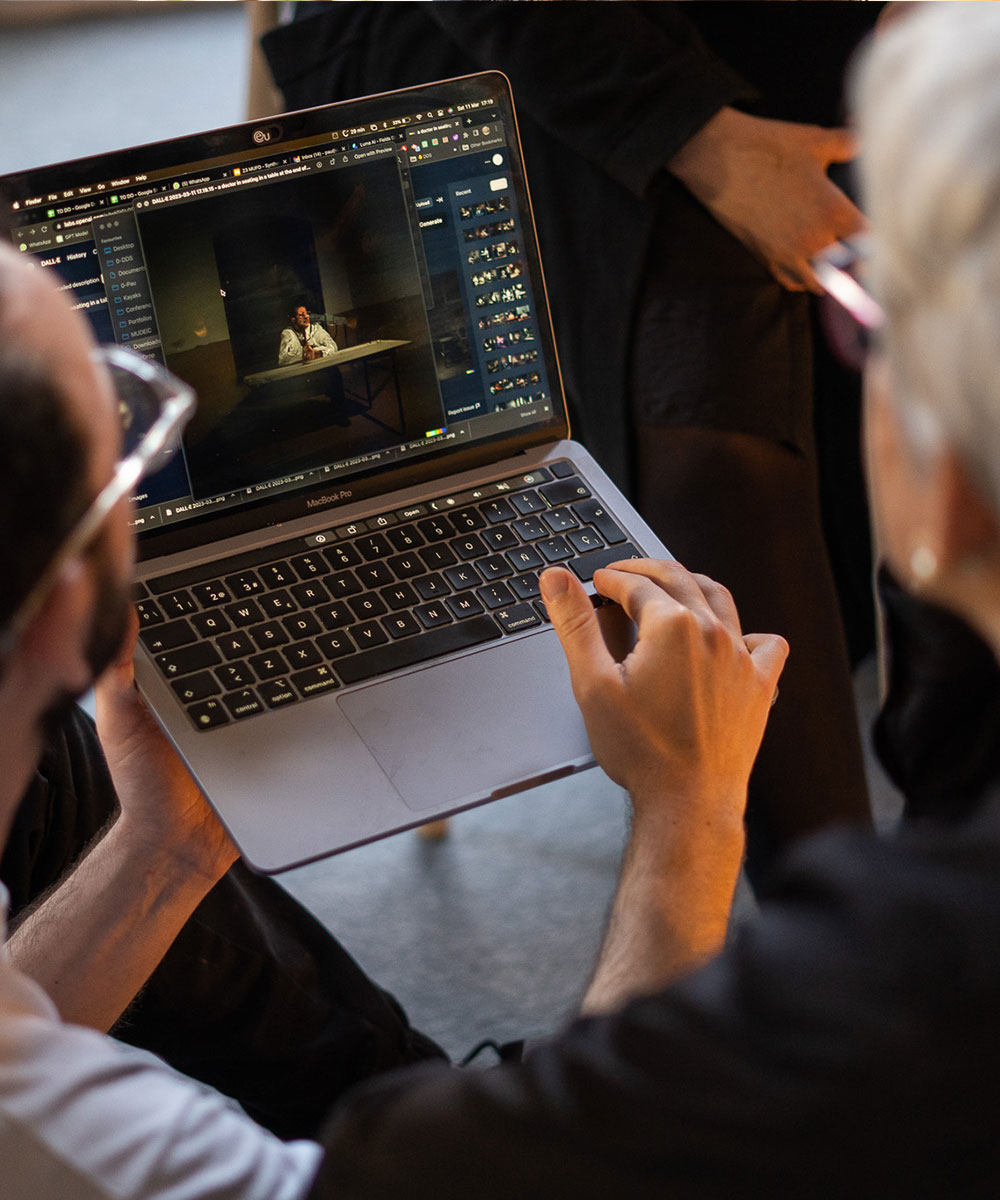
Sometimes the image generation process works from the very first test, and sometimes you need to rework them a bit; change the clothing, move particular objects, or find a specific material. But usually, after no more than 10 minutes, we find an image that the participant can recognize.
While the Synthetic Memories project offers a promise for personal reminiscence, its potential is far-reaching. It can document the experiences of marginalized communities and preserve cultural legacies. Additionally, the data we collect offers invaluable insights into studies on memory, cognition, and the sociology of aging.
However, the intersection of memory, technology, and art also raises ethical concerns. Ensuring the privacy of participants, maintaining the authenticity of memories, and determining the psychological implications of these synthetic images are just a few issues that need careful consideration. Our next steps include forming partnerships with healthcare institutions and mental health organizations to broaden the project’s scope and ensure ethical practices.
To that end, our team is focusing on transparency and reproducibility of the research by creating an accessible knowledge base so experiments can be replicated and verified. We are selectively partnering with museums and research entities capable of adhering to legal and ethical standards like the EU’s AI Act and GDPR. This will allow us to advance the Synthetic Memories methodology rigorously while upholding humanistic values.
As we venture further into this new frontier between fiction and reality, it’s imperative that we navigate responsibly and transparently. This technology stands to redefine not just technological capabilities but also the possibility to create new emotional landscapes to explore.