
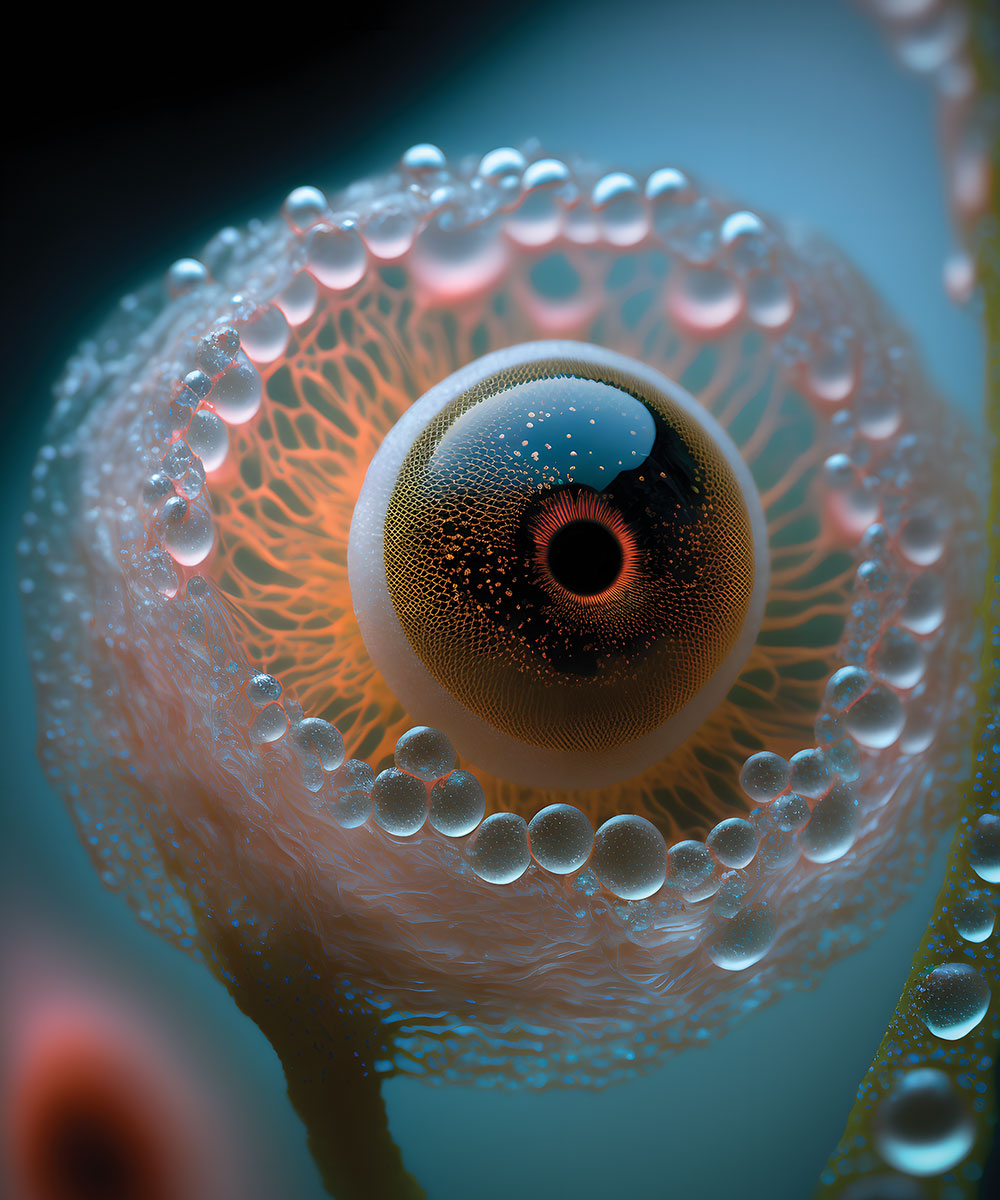
“My interest in art and science started at a very early age, perhaps from a need to understand how things work on a fundamental level, and the need to express that wonder,” says Markos R. Kay (neé Christodoulou), a Cyprus-born, London-based multidisciplinary artist and director with a focus on art, science, and generative art.
His work can be described as an ongoing exploration of digital abstraction through experimentation with generative methods. His experiments often explore the complexity of the invisible and mysterious worlds of molecular biology and particle physics.
Since his practice began, Kay has had a unique curiosity and innate talent for exploring some of the most challenging and complex subjects in the scientific community. His own challenges became more pronounced when, in 2016, he became disabled due to a chronic neuro-immune disease known as ME/CFS, which by 2019 rendered him permanently housebound and largely bed-bound. But Kay continues to press ahead, bringing life to his imagination, thanks to tools like generative AI.
“I have been able to visualize projects that I thought would never see the light of day in a matter of days,” says Kay. “As someone with a serious disability, this has been nothing short of a miracle, as it has given me the ability to create and express myself again, which I felt I had lost because of my illness.”
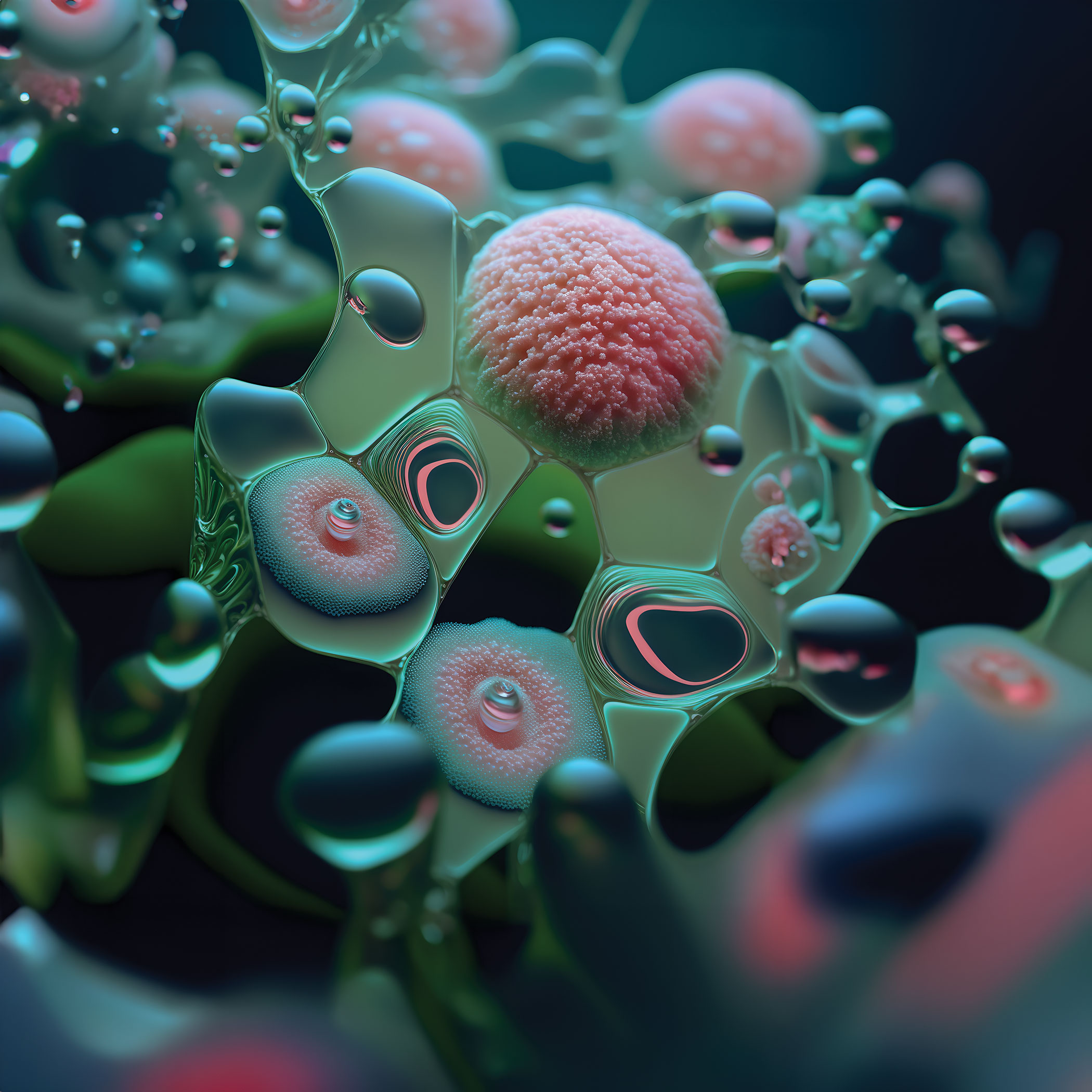
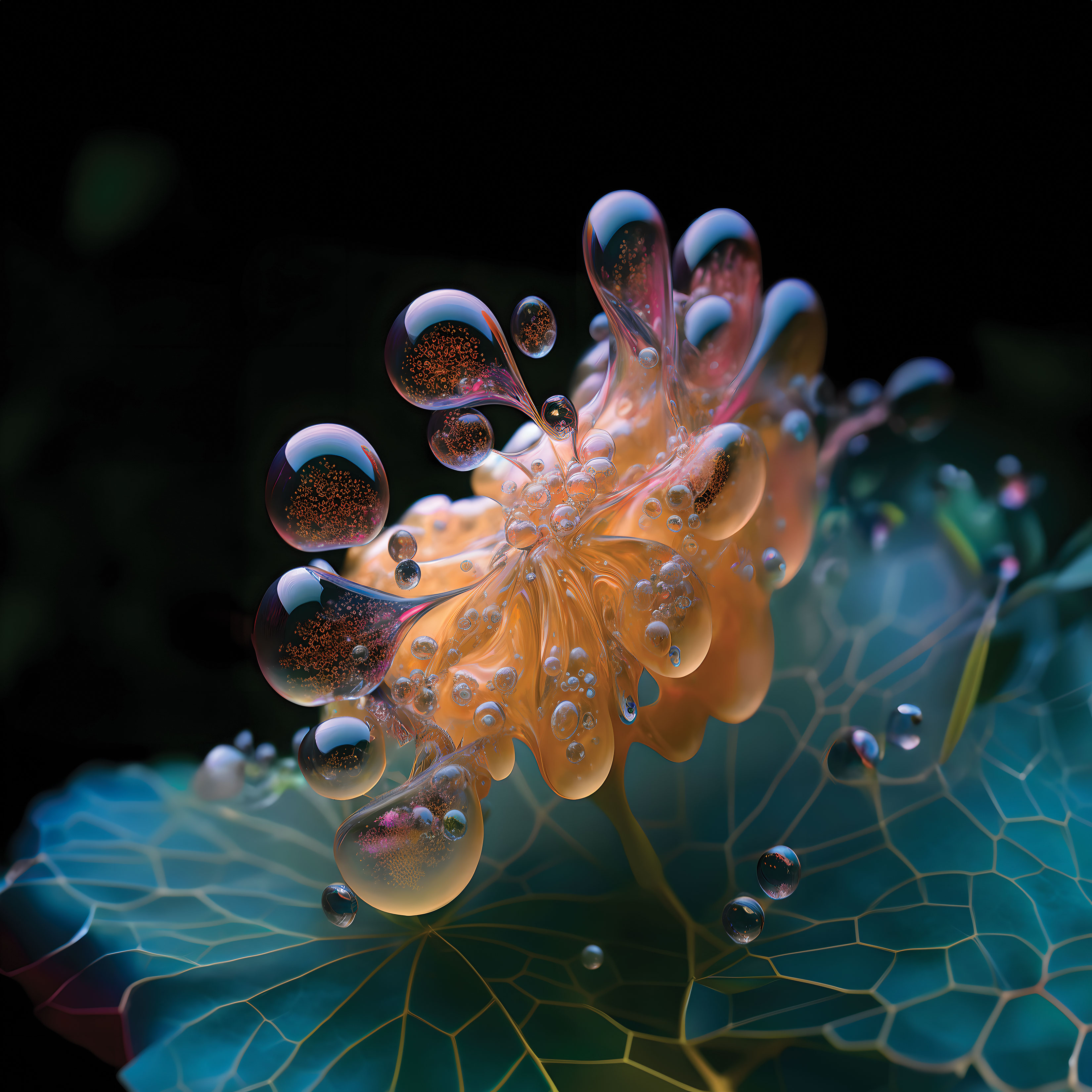
Kay’s latest major body of work, published in 2022, explores the origins of life itself. Titled “aBiogenesis,” it visualizes the “lipid world” theory that posits that life originated from lipids forming membranes, which would then envelop matter and nutrients to form protocells. The biological cells we now know as the building blocks of existence can be thought of as membranes inside of membranes. Though just one of many theories about how life began, it’s a widely accepted idea that helps scientists to understand how life might have emerged from the chaos of the primordial soup.
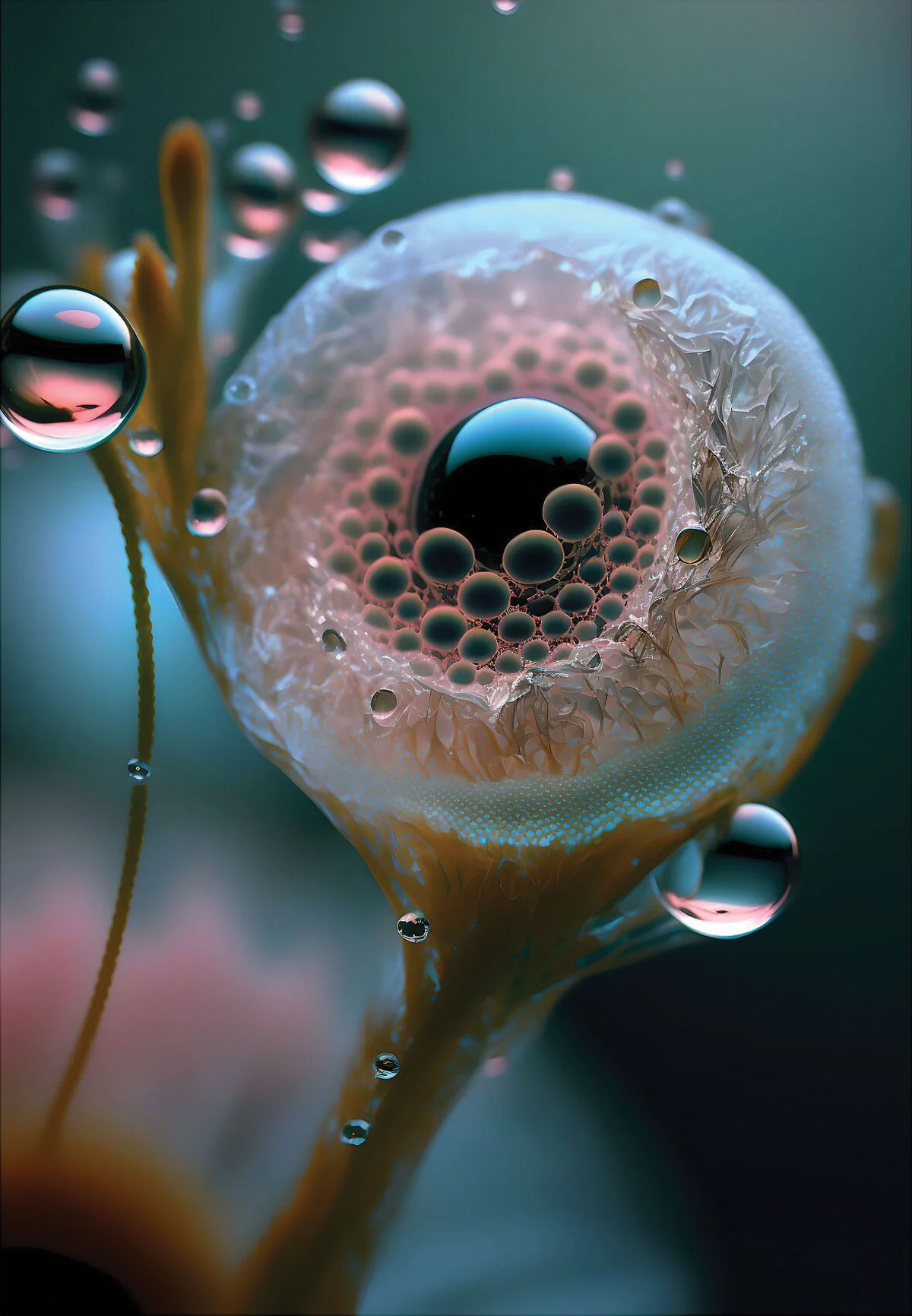
Using a range of tools, including generative AI, Kay has brought these early groupings of cells to life, rendering vibrant, microscopically detailed images and videos that conjure memories of inquisitive eyeballs or flowers in full bloom. To create the work, Kay says that “AI tools were very carefully art-directed to create the visuals; none of the images were raw outputs, but rather a result of a complex and very deliberate process.” The result is a science unto itself, overseen and directed by Kay’s precise vision.
We may never know the origins of life—but Kay’s work will continue to present a compelling vision of our earliest days, thanks to a budding new technology.