
A select group of artists are pioneering this frontier, not to delegate their creativity to machines, but to harness AI as a tool—much like a brush or chisel—to challenge artistic boundaries and more fully realize their visions. This exploration presents the work of artists Casey Reas, Jan St. Werner, Pierre Buttin, Linda Dounia Rebeiz, Yuri Suzuki, Anna Ridler, and Refik Anadol, each of whom integrates AI into their creative process, offering a fresh perspective on the age-old act of creation.
Casey Reas & Jan St. Werner
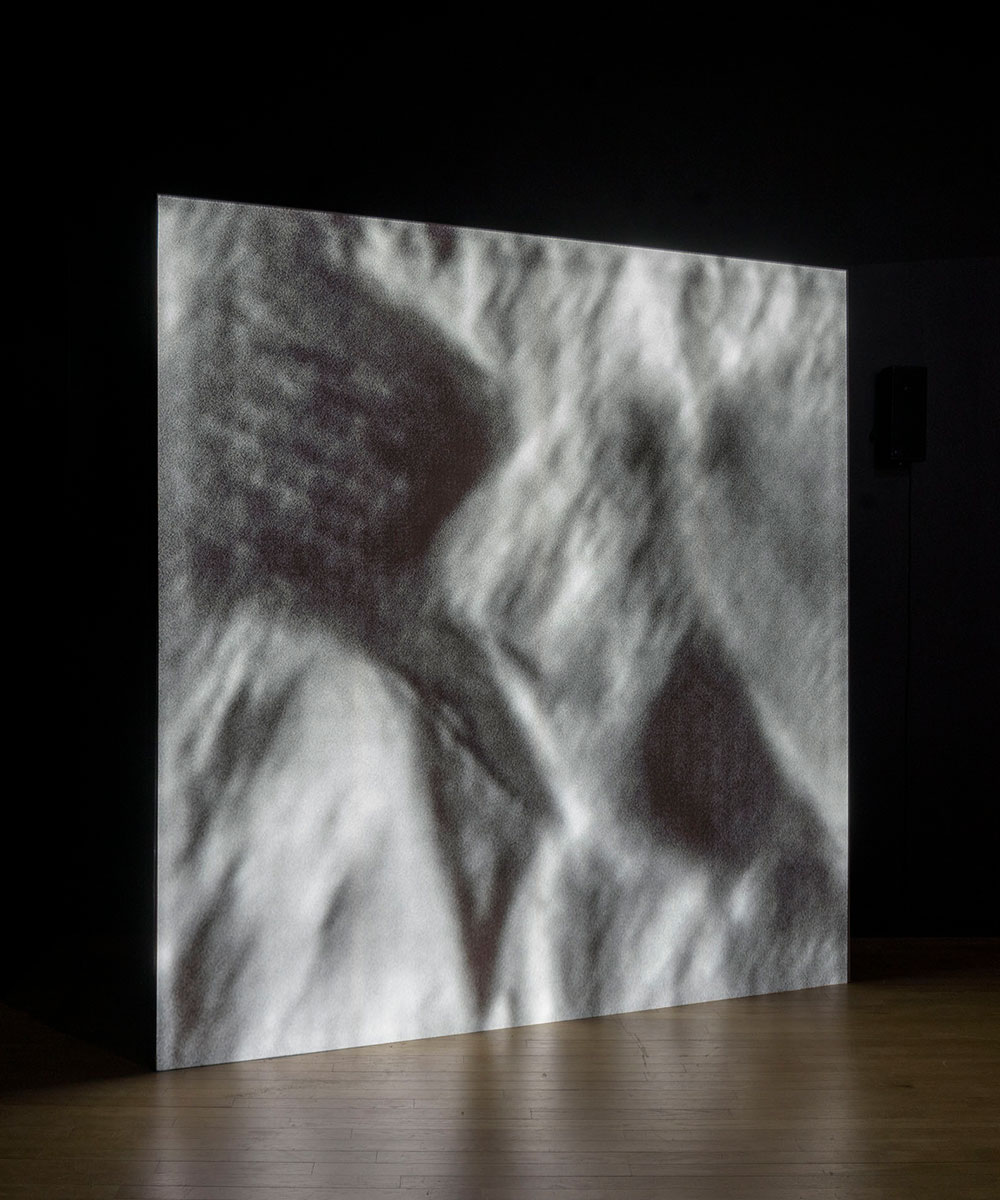
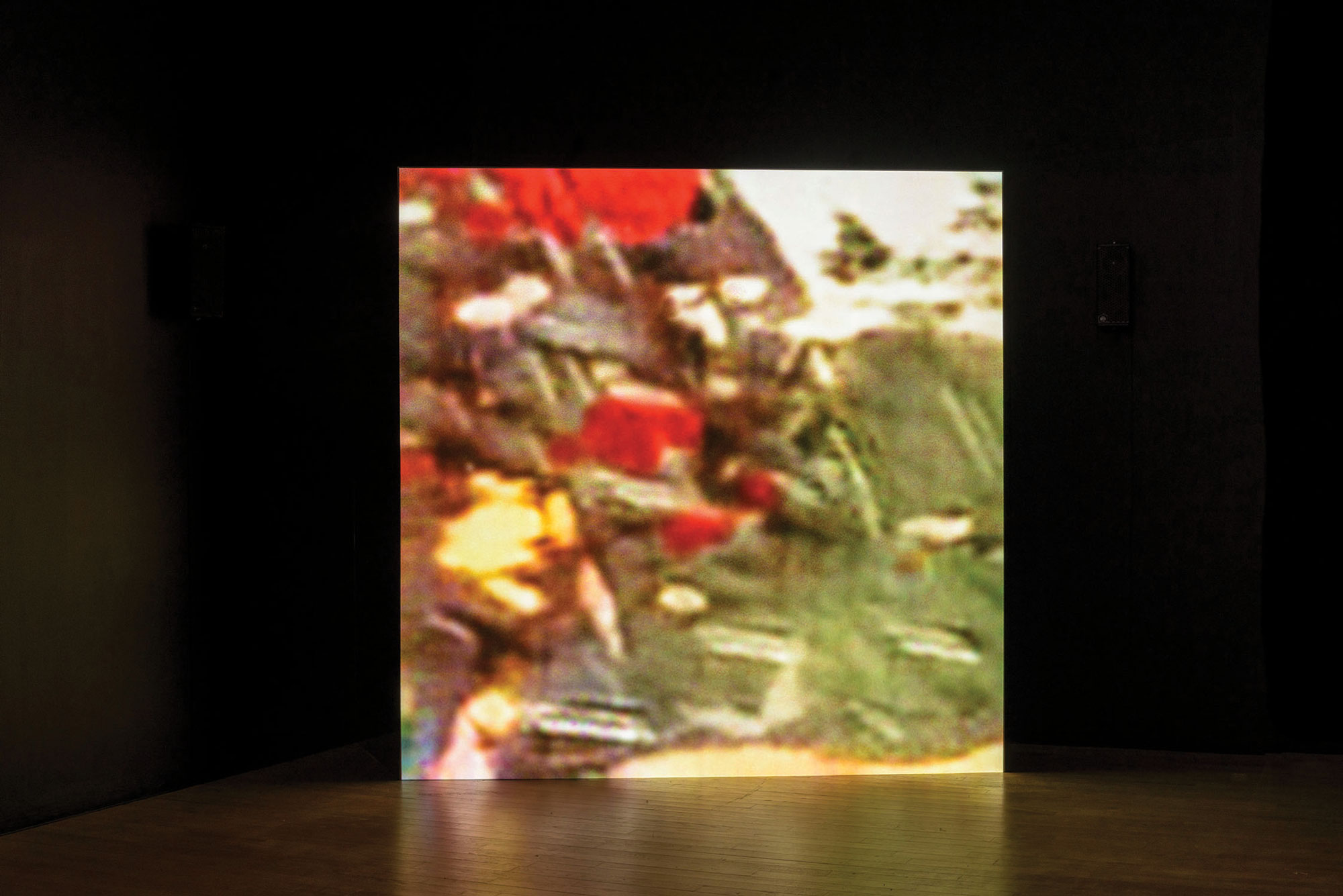
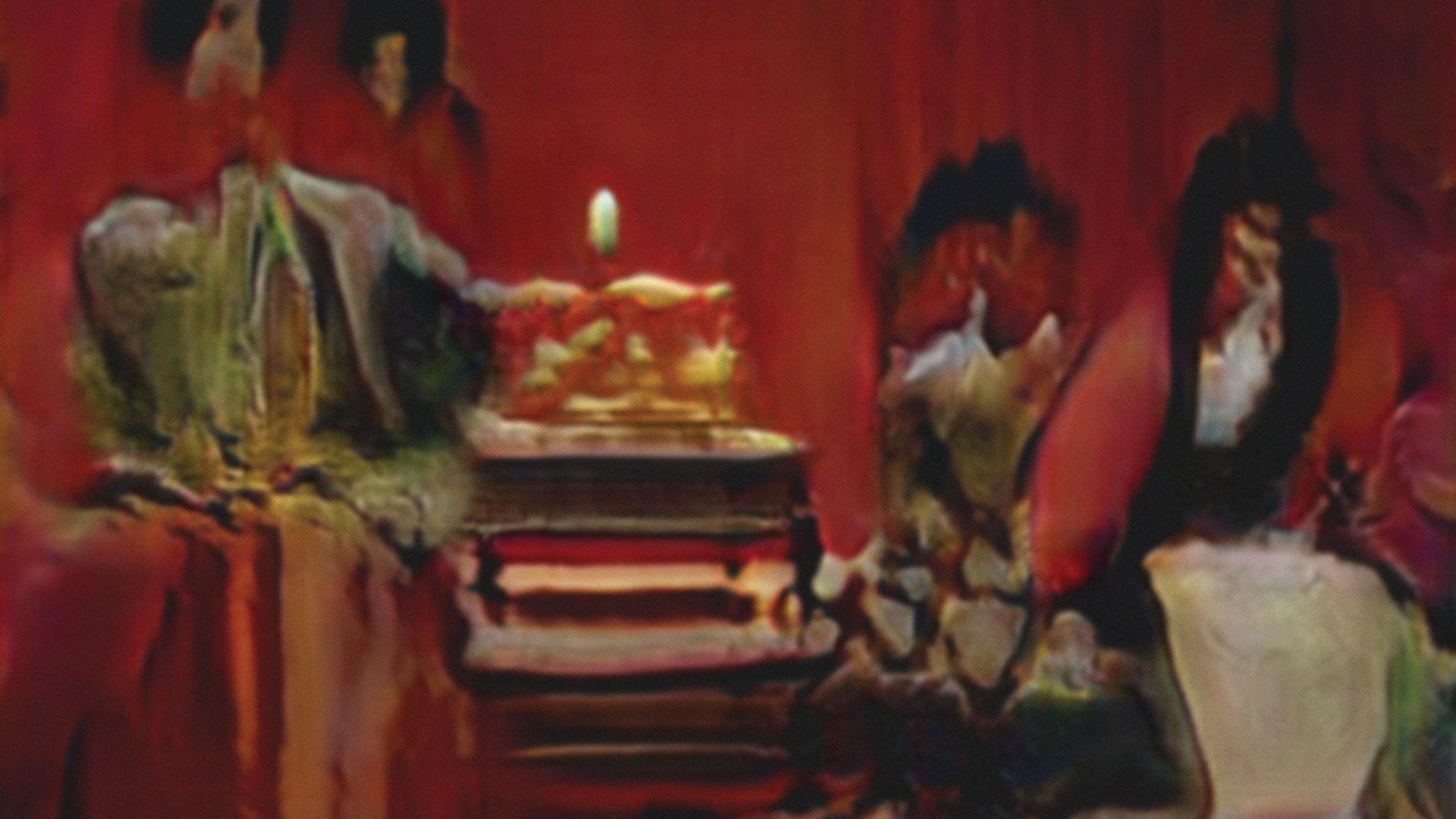
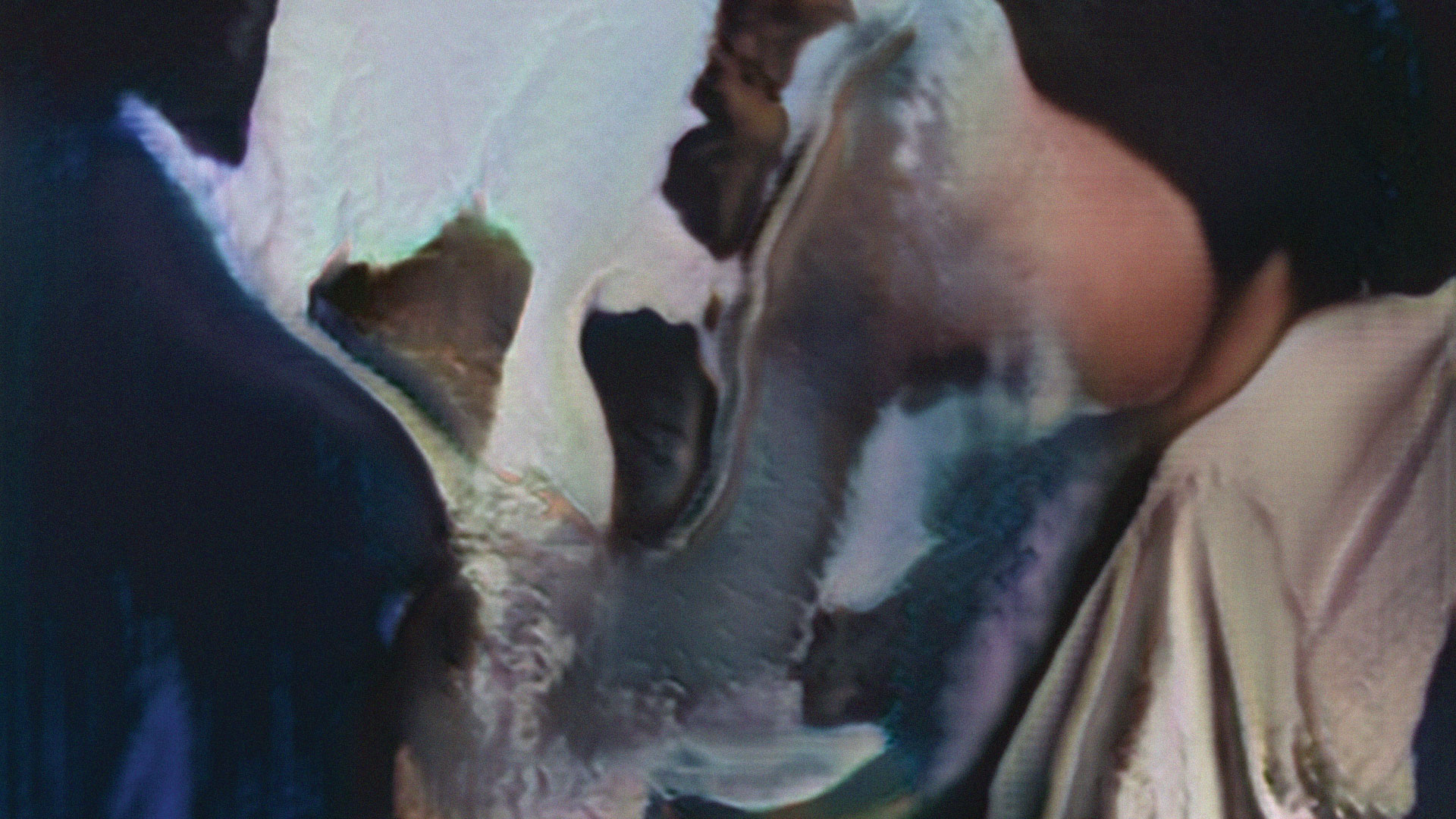
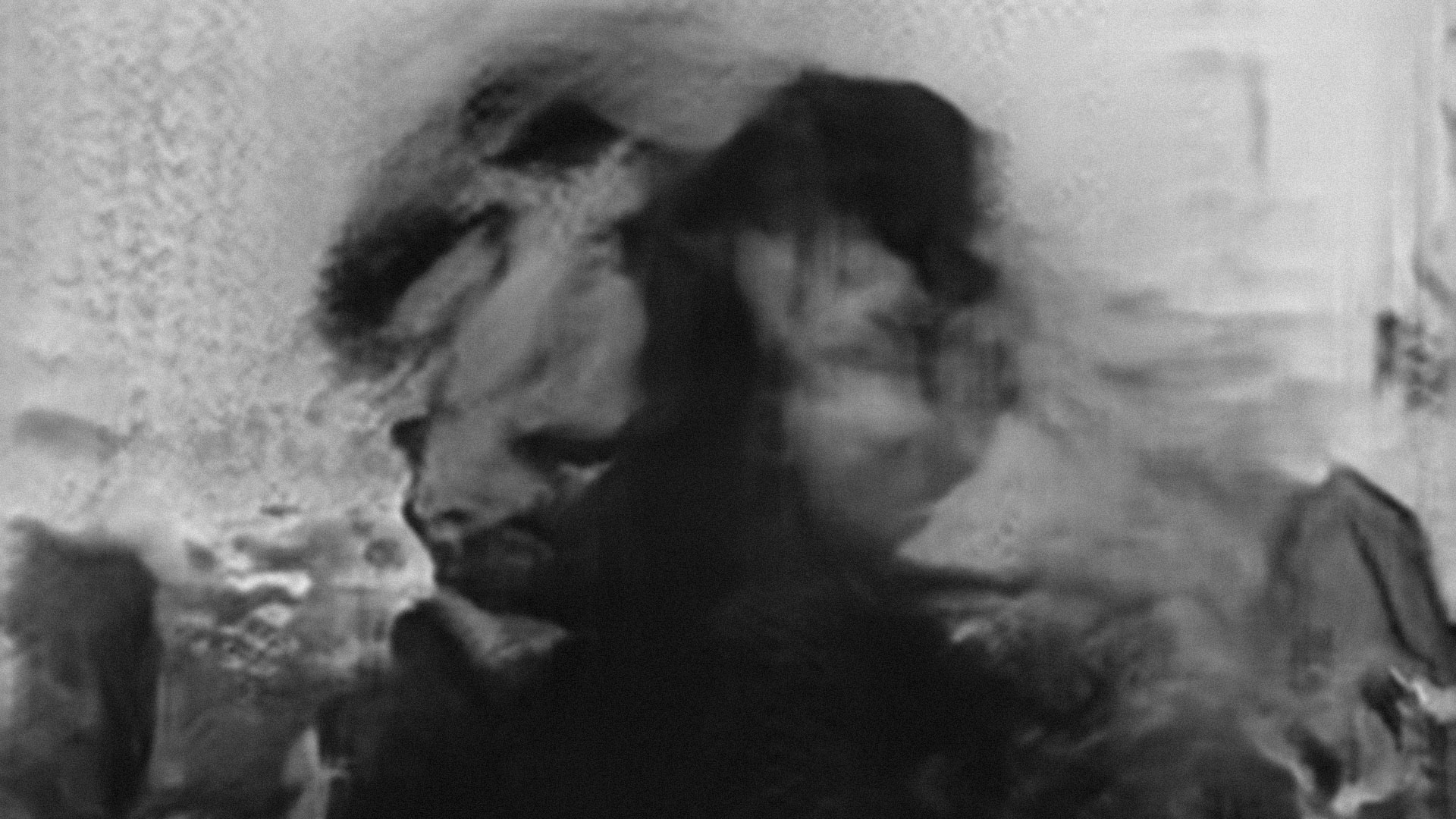
Compressed Cinema is a series of five audiovisual works, a collaboration between Casey Reas and Jan St. Werner. Reas created the imagery in the tradition of experimental films that use existing films as raw materials. The Compressed Cinema suite is an inversion of Ken Jacob’s 1969 film Tom, Tom, the Piper’s Son, which expanded the short 1905 film of the same name from 8 to 115 minutes through meticulous re-photography, repetition, and editing. In contrast, each Compressed Cinema video distills a feature-length film into a work of less than 10 minutes.
Developed over three years, this collection emerged from experiments with generative adversarial networks (GANs) to create cinematic media. Each piece marries Reas’s visuals with Werner’s musical compositions. Werner uses granular synthesis, a sound technique whereby tiny fragments of a sample (grains) are arranged and modulated freely. Together they create a blend that respects traditional film elements while introducing a fresh cinematic expression.
Pierre Buttin
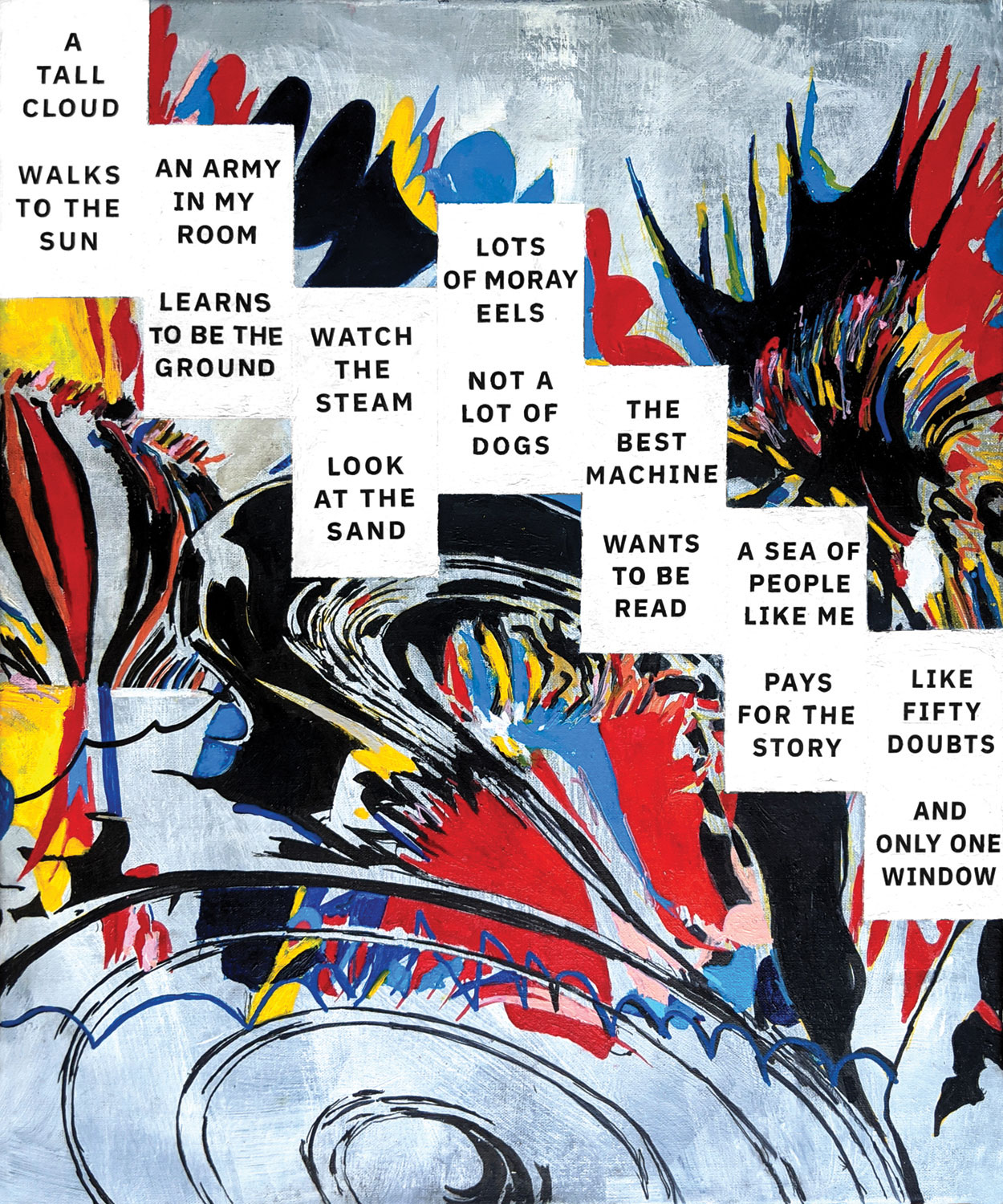
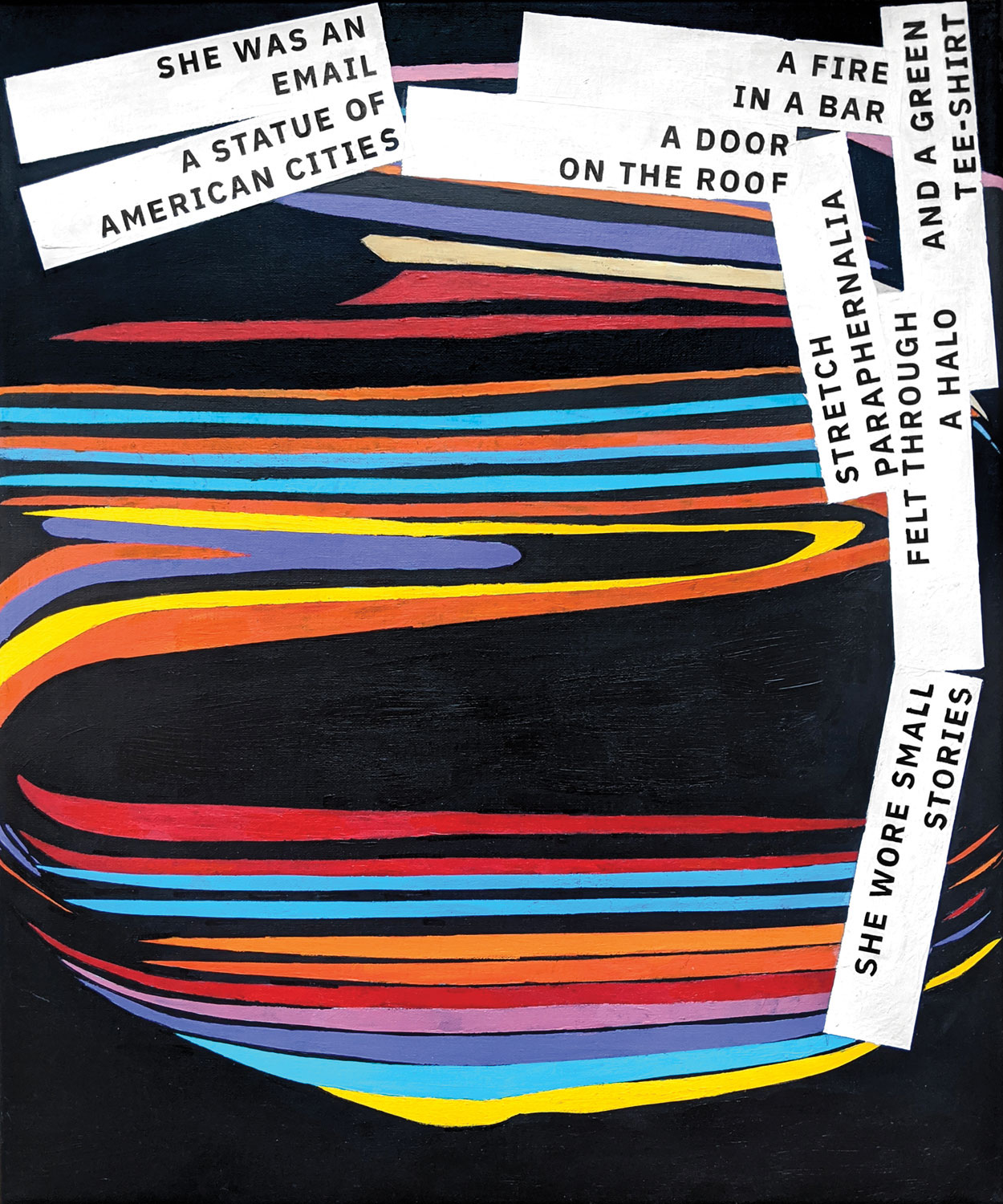
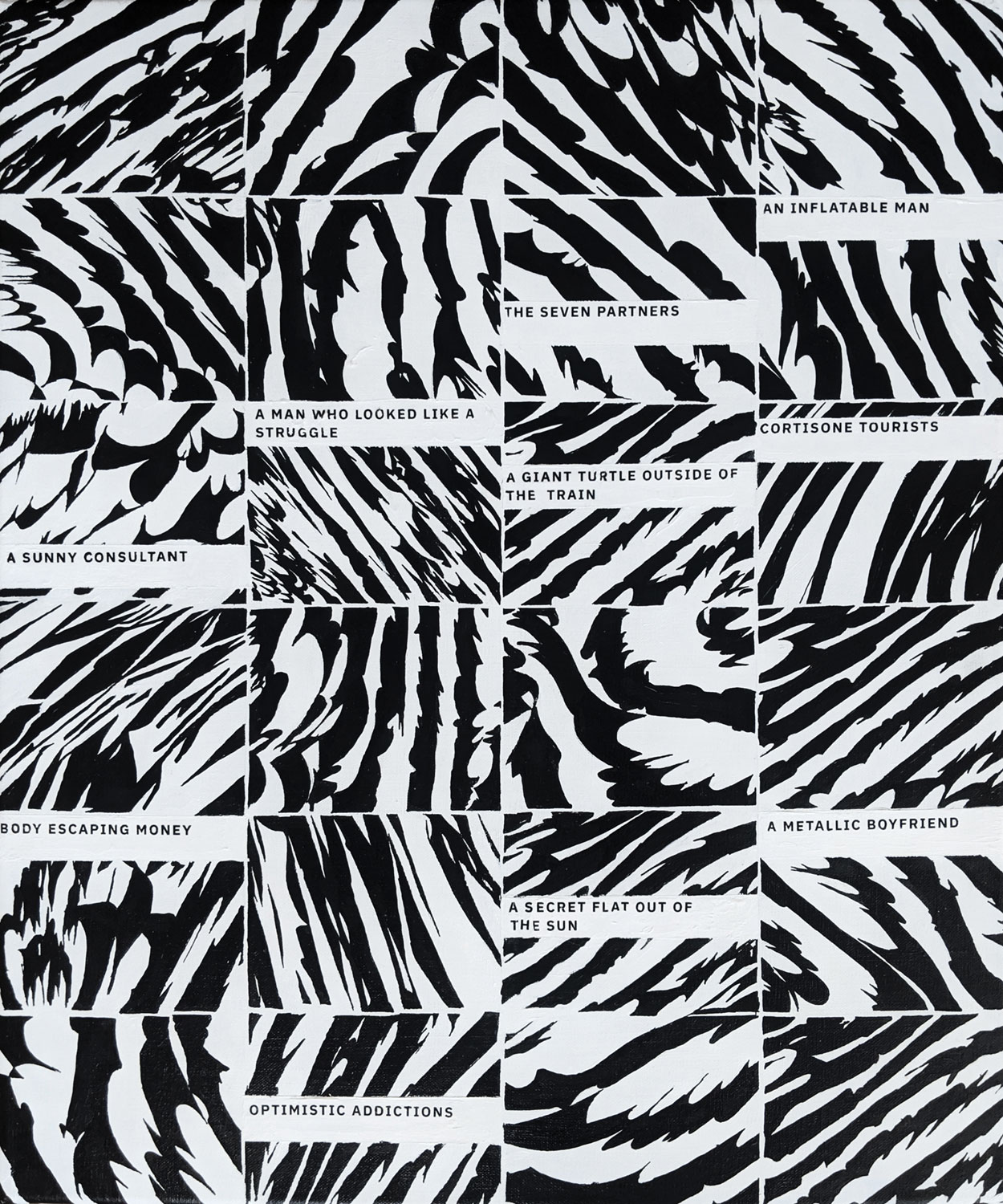
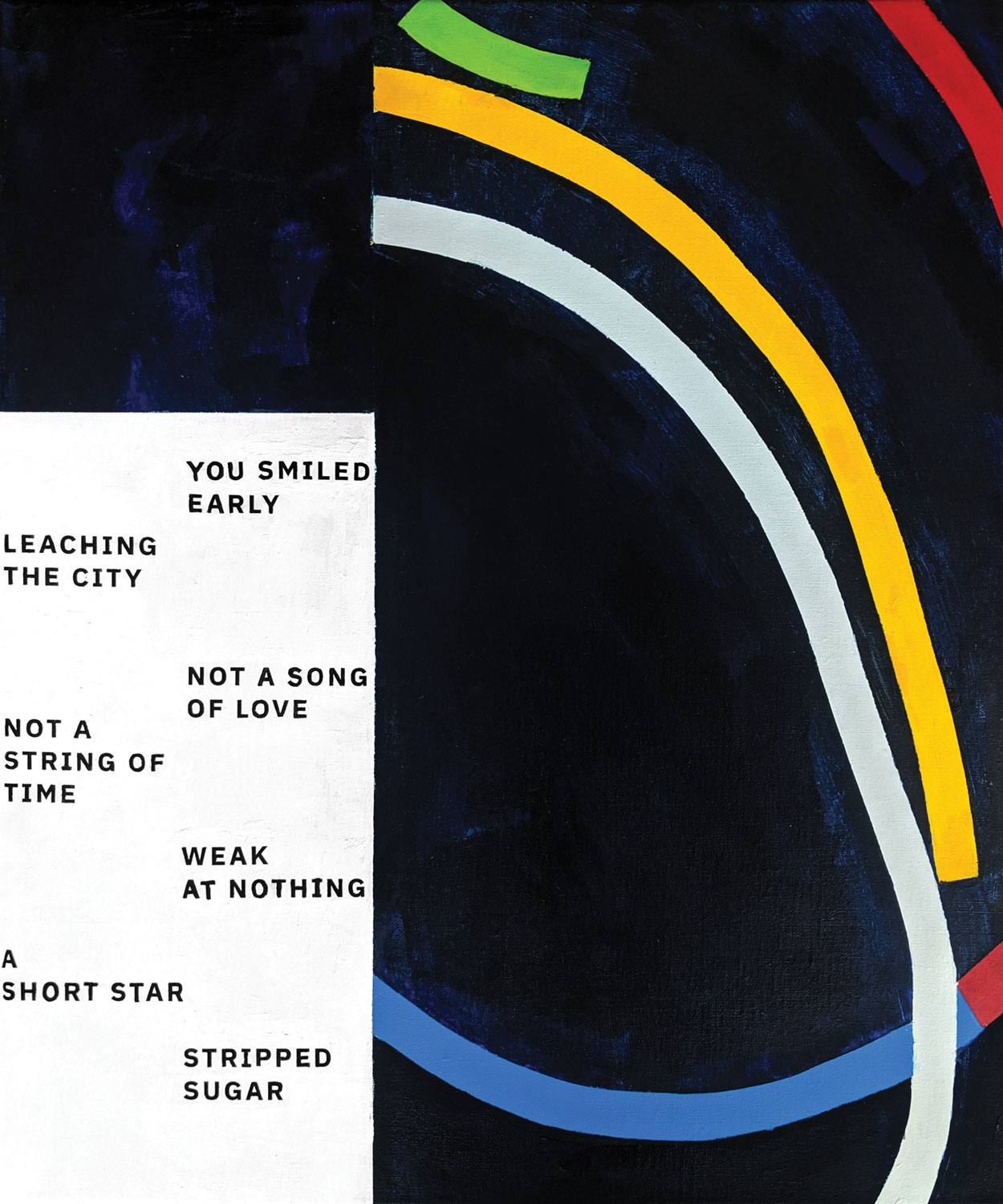
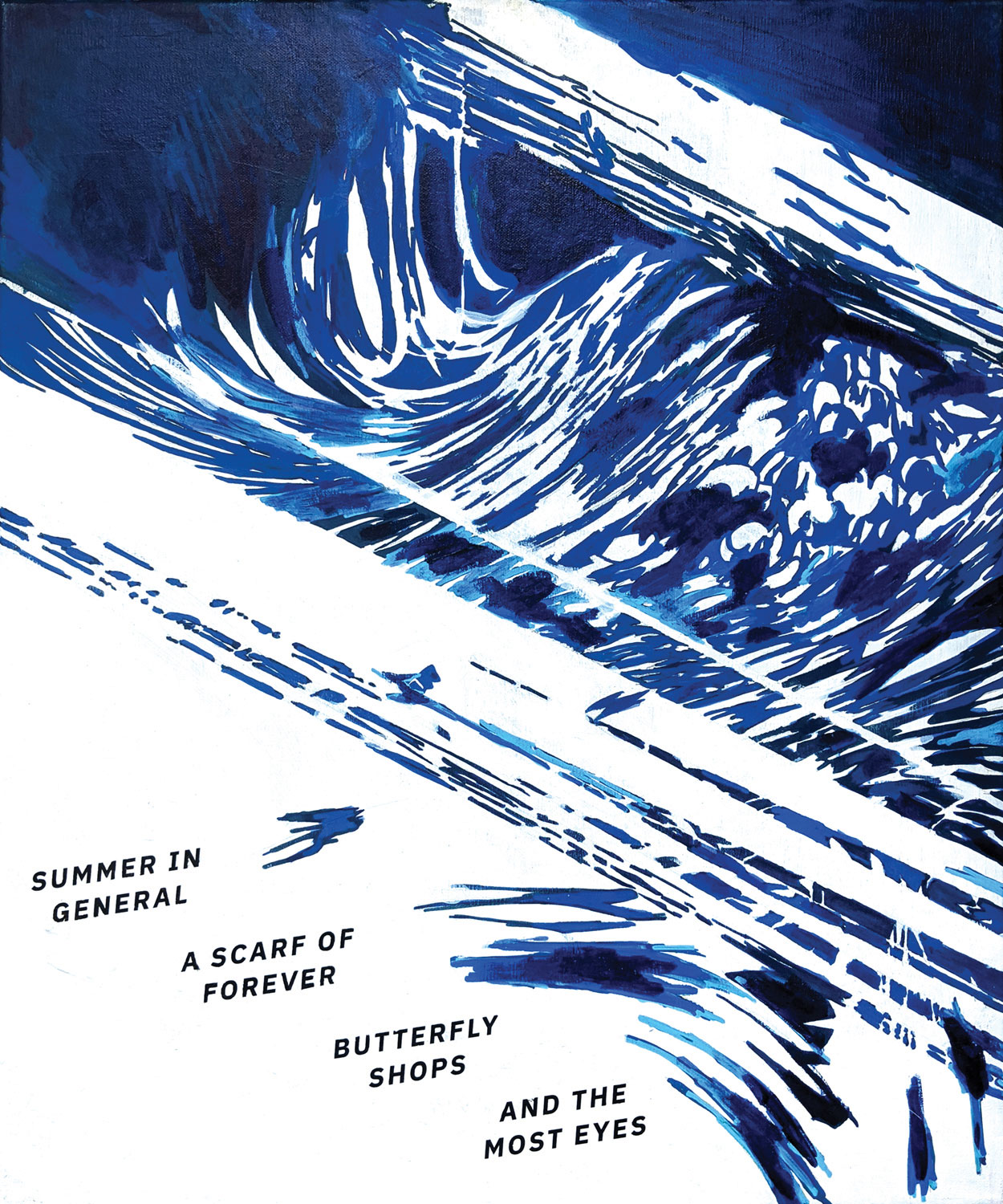
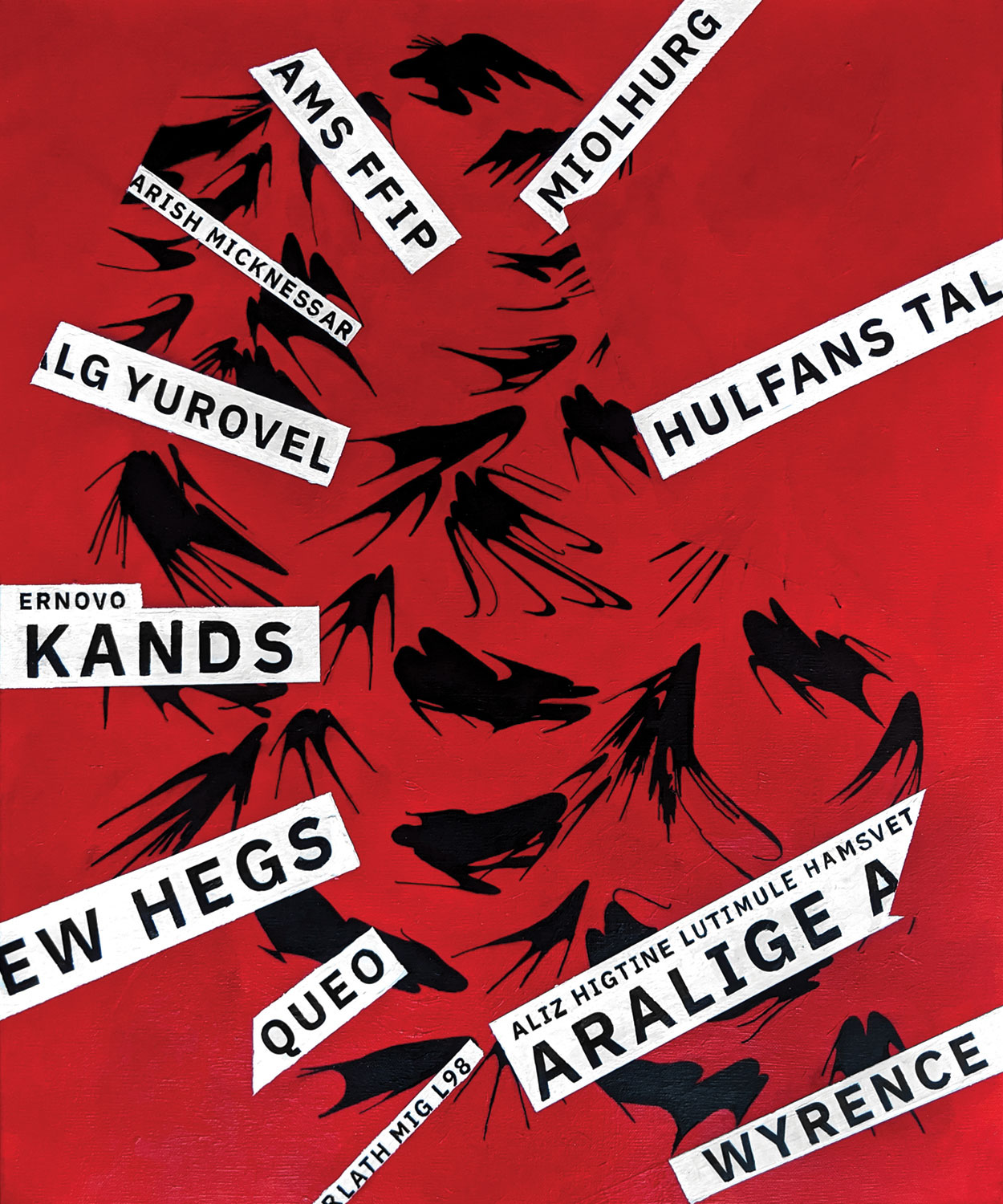
In a unique melding of autobiography and technology, Pierre Buttin crafted a 700-page account of his life, delving into everyday details, both events and emotions. This expansive narrative, totaling 365,672 words, was then used to train an AI algorithm. Utilizing Max Woolf’s adaptation of Andrej Karpathy’s char-rnn (character recurrent neural network), the AI reshaped the chronicle of Buttin’s life into a more poetic rendition.
From the AI’s output, Buttin developed resonant sentences, transforming them into evocative poems. These poetic expressions subsequently inspired a series of paintings, each capturing the essence of the verses. The entire endeavor, from writing the autobiography to training the AI, took place between 2018 and 2021, before easy public access to AI tools. Below is a glimpse of the AI-generated content, which Buttin has deftly reimagined into poetic and visual art forms.
Linda Dounia
Linda Dounia Rebeiz, an artist and designer from Dakar, Senegal, critically examines the impact of technocapitalism and how it reinforces societal inequities. Through her art, she channels her memories, presenting them not just as personal recollections but as testimonies to alternative ways of life and understanding.
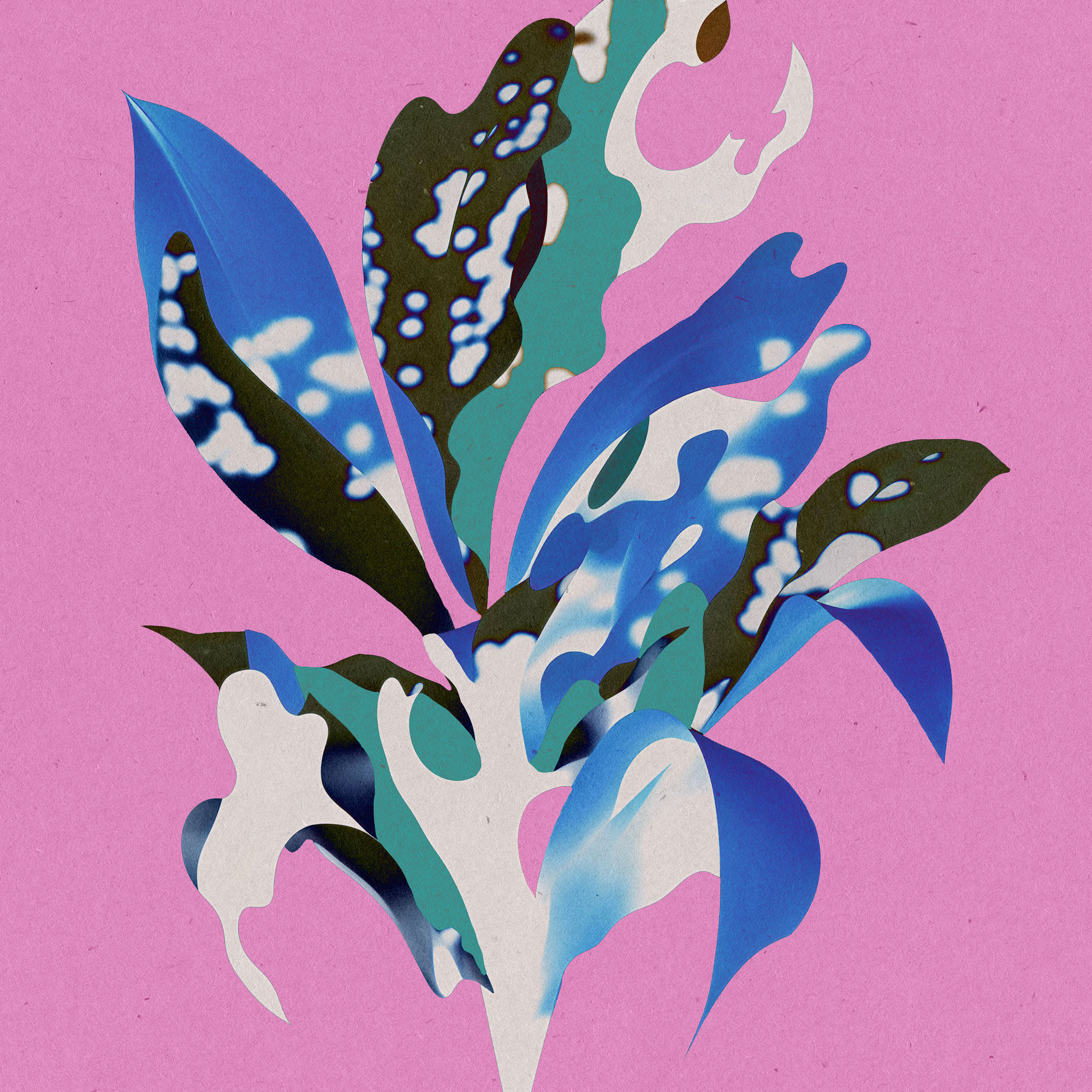
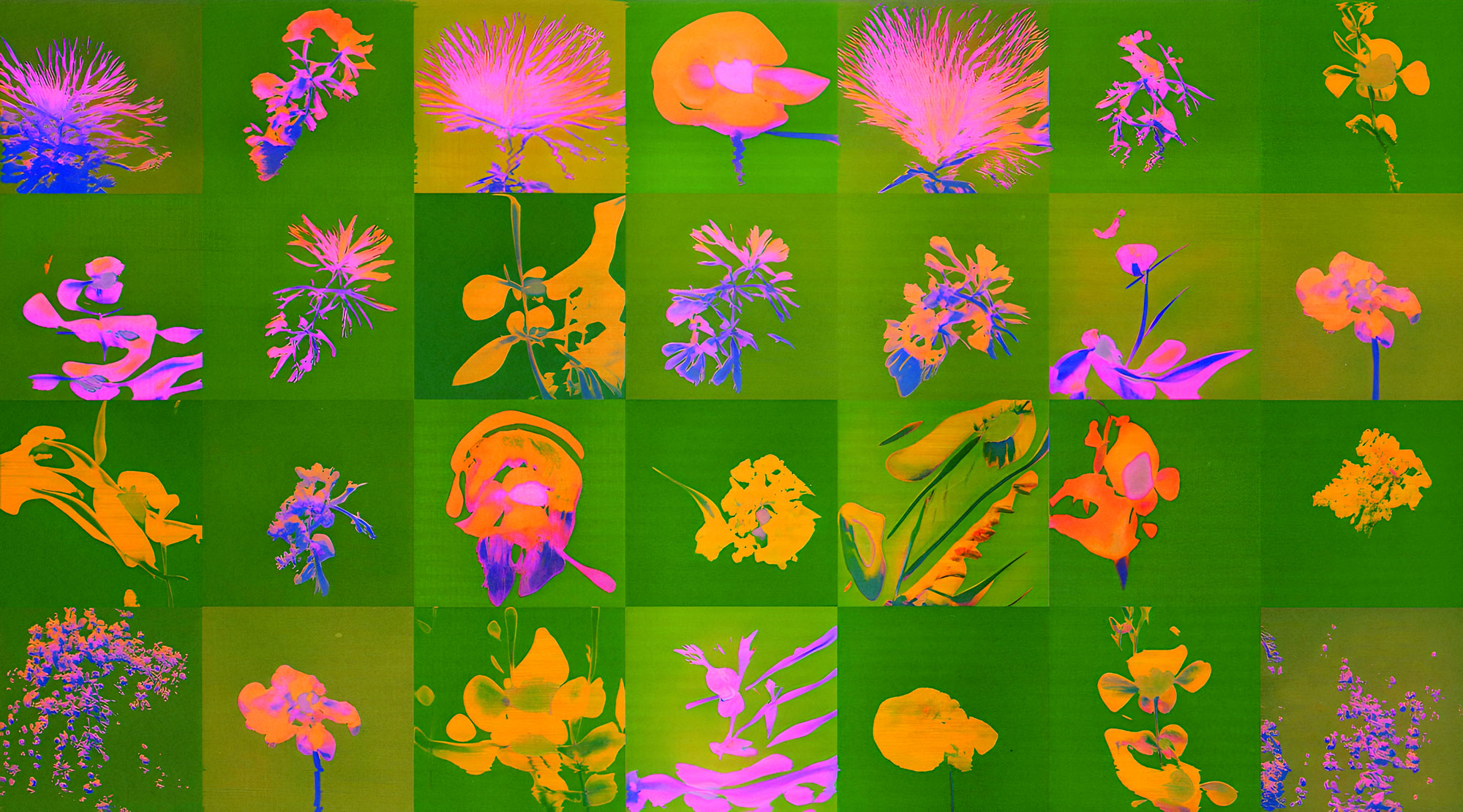
Once Upon a Garden is a poignant digital collaboration between Linda and AI. This work paints a bleak picture of a potential future shaped by global warming—a reality where humanity is left with only simulated images of plants and flowers, having lost the real ones. Through AI-enhanced depictions of more than 100 endangered and extinct indigenous flower species from West Africa’s Sahel region, the installation evokes a sense of nostalgia for what’s gone, aiming to inspire a commitment to preserving what remains.
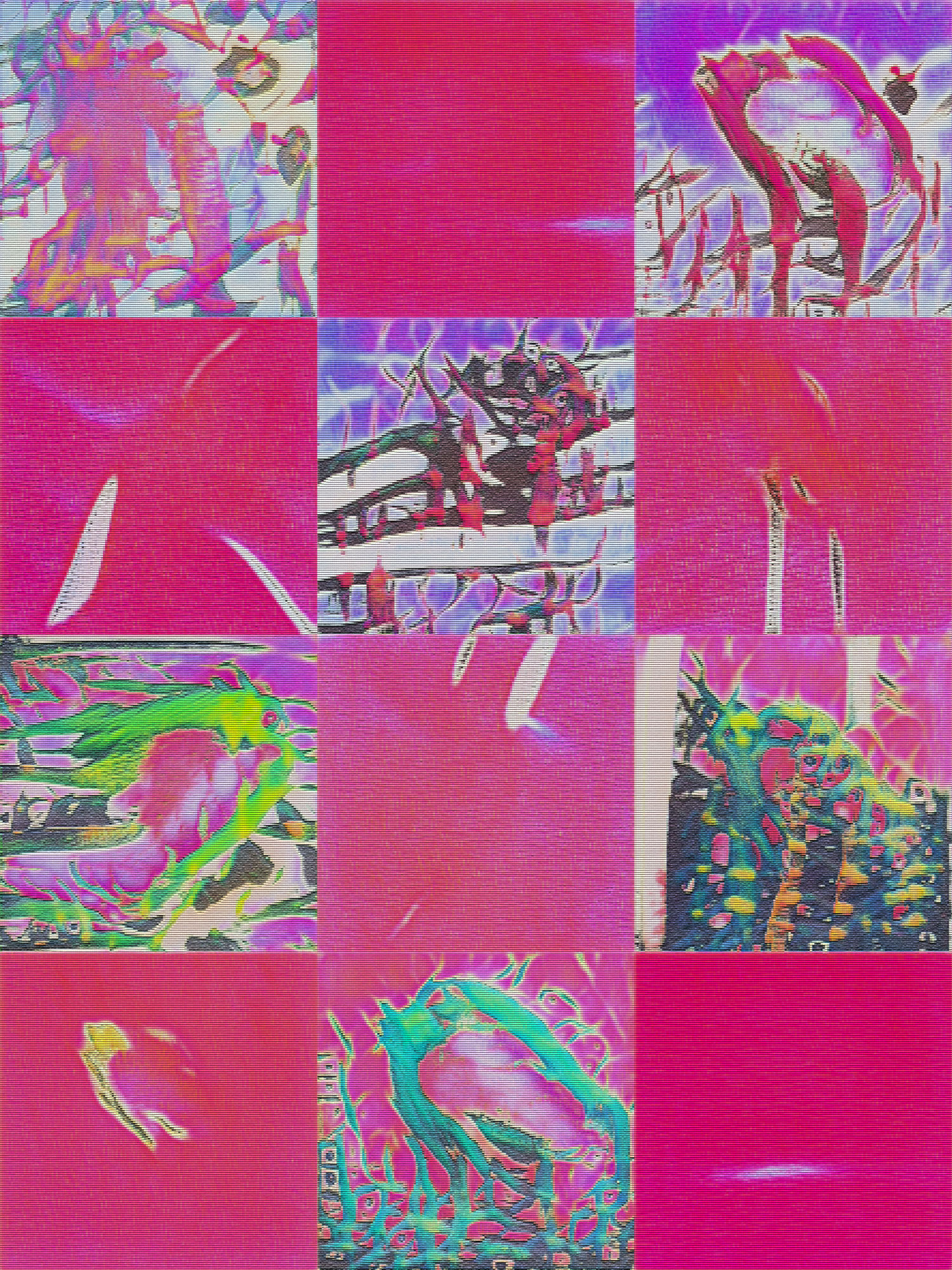
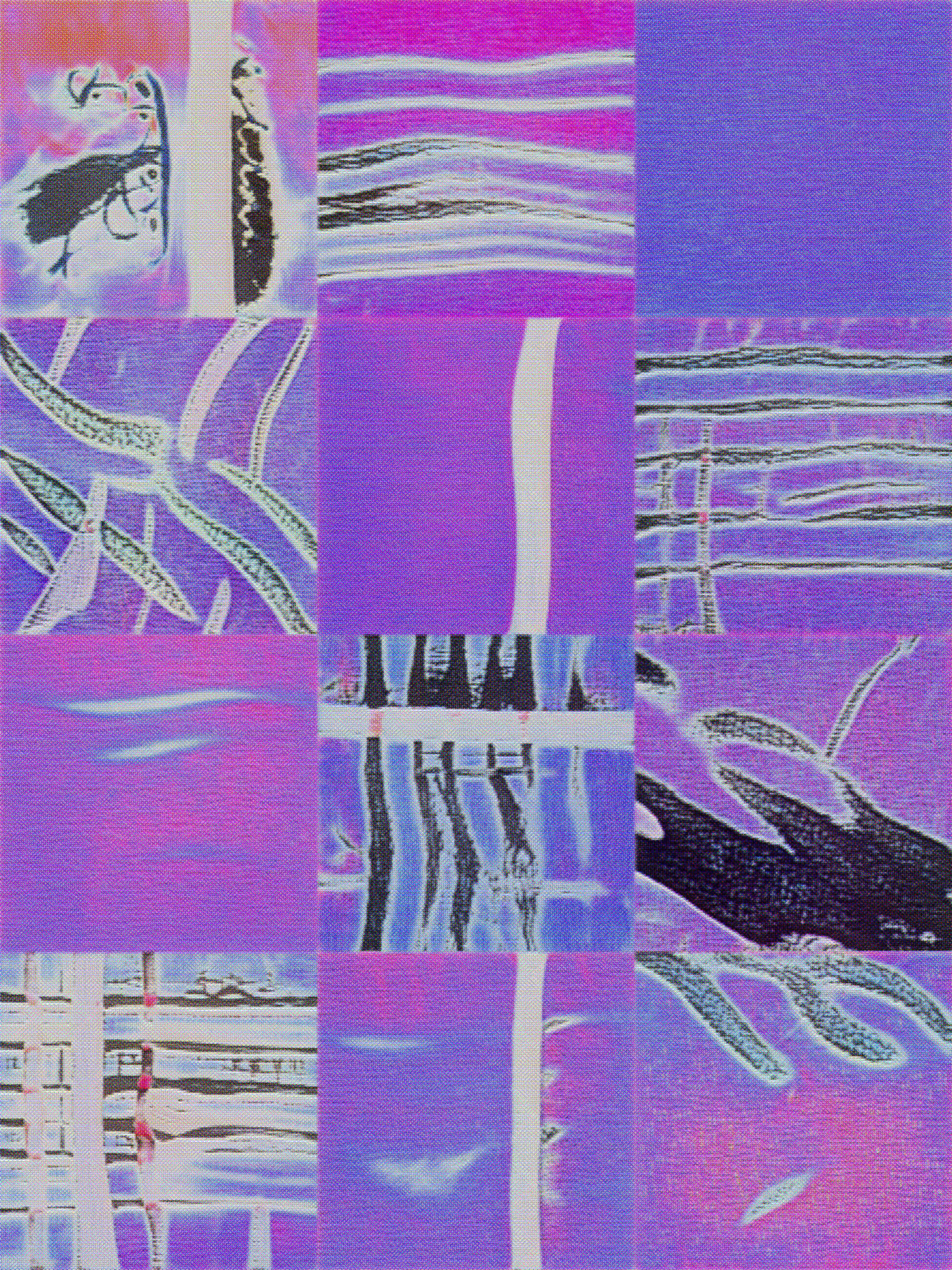
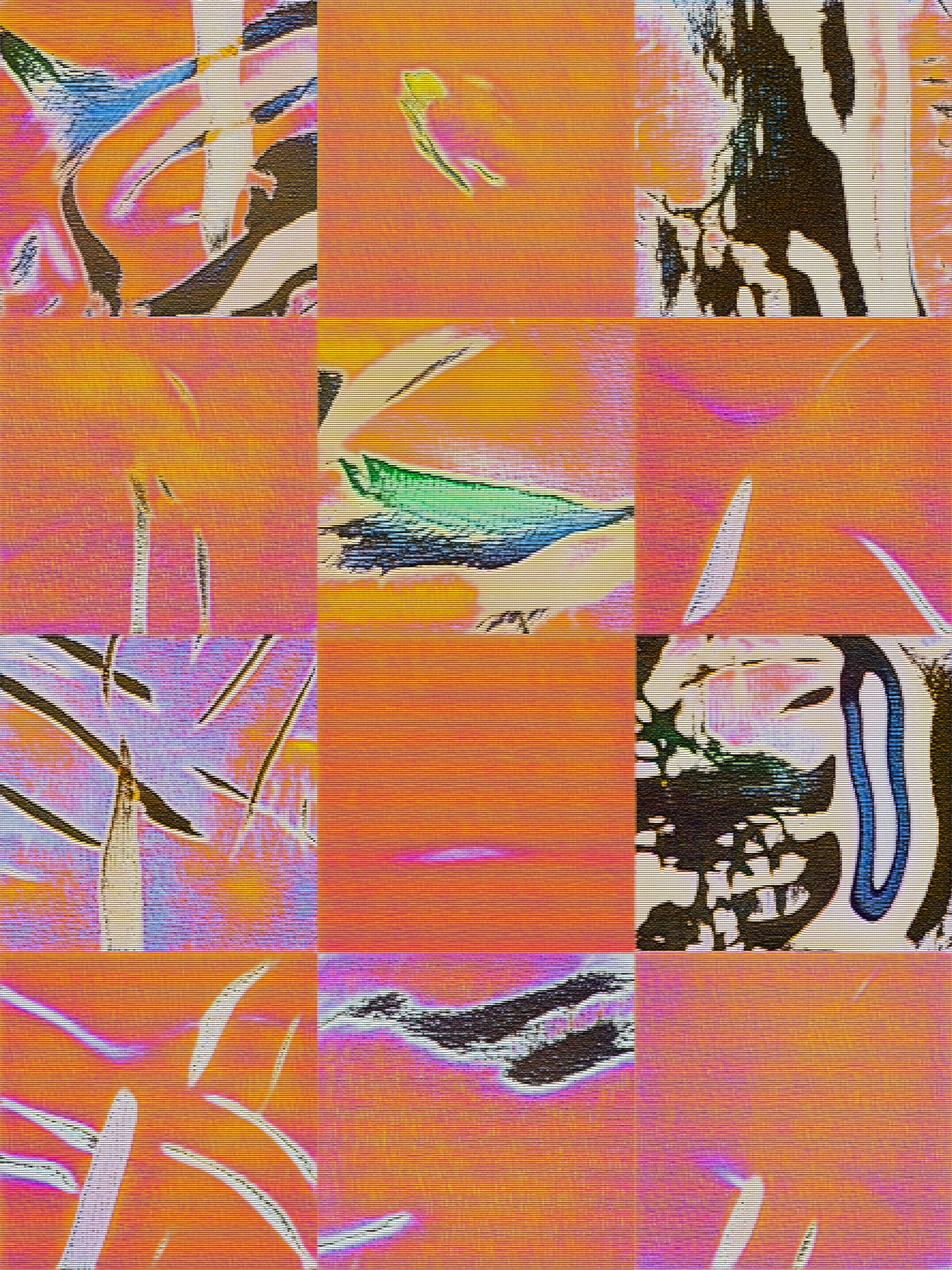
AI in Bloom offers an abstract journey through the shifting climate of the Sahel. The process begins with a GAN producing images based on 2,000 abstract acrylic pieces handcrafted by Linda. These AI-generated pieces are then meticulously arranged in a grid, organized by color and structure.
Yuri Suzuki
Yuri Suzuki is a sound artist, designer, and electronic musician who delves into the intricacies of sound. His work navigates the relationship between individuals and their surroundings, probing how music and sound morph to craft unique personal narratives.
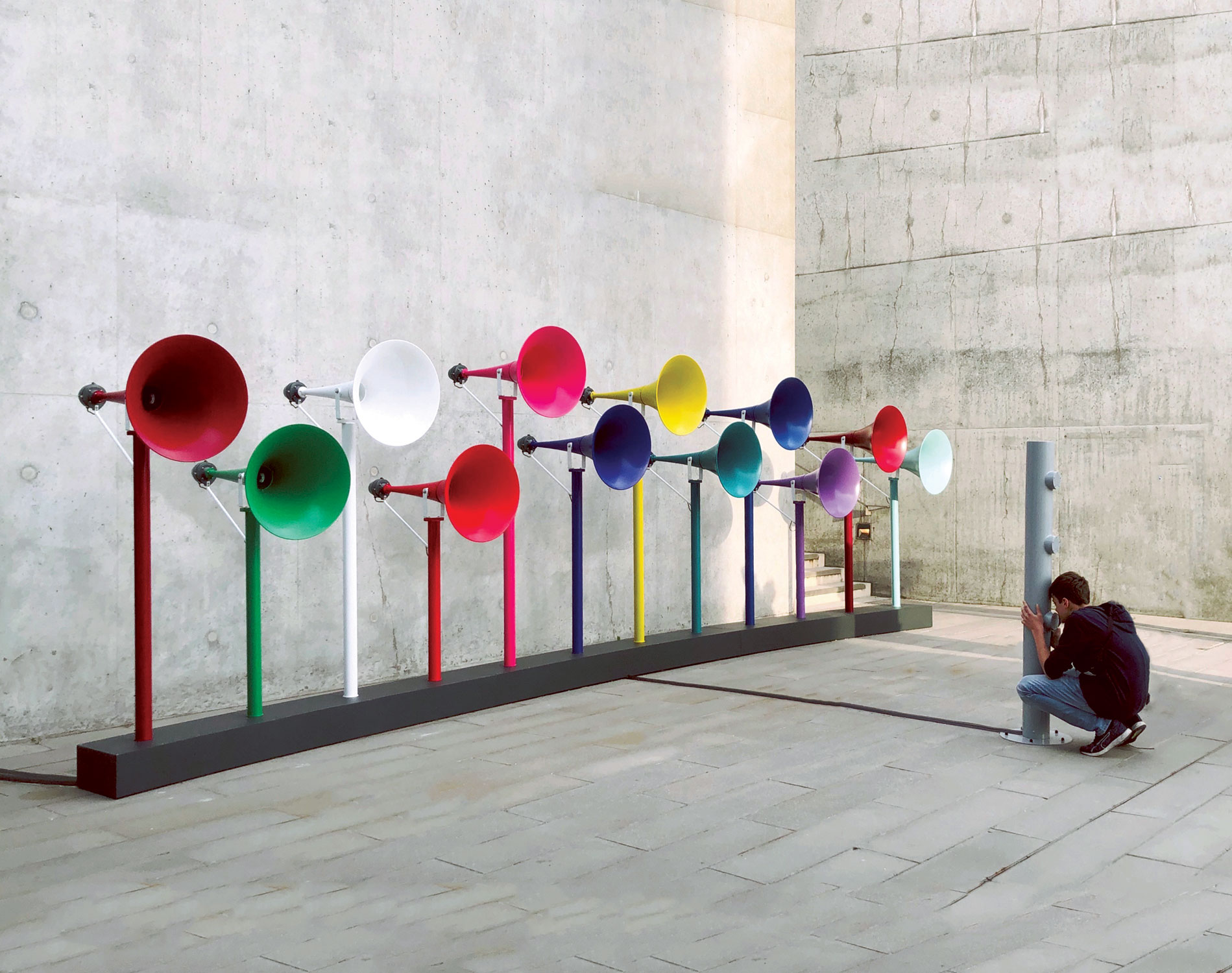
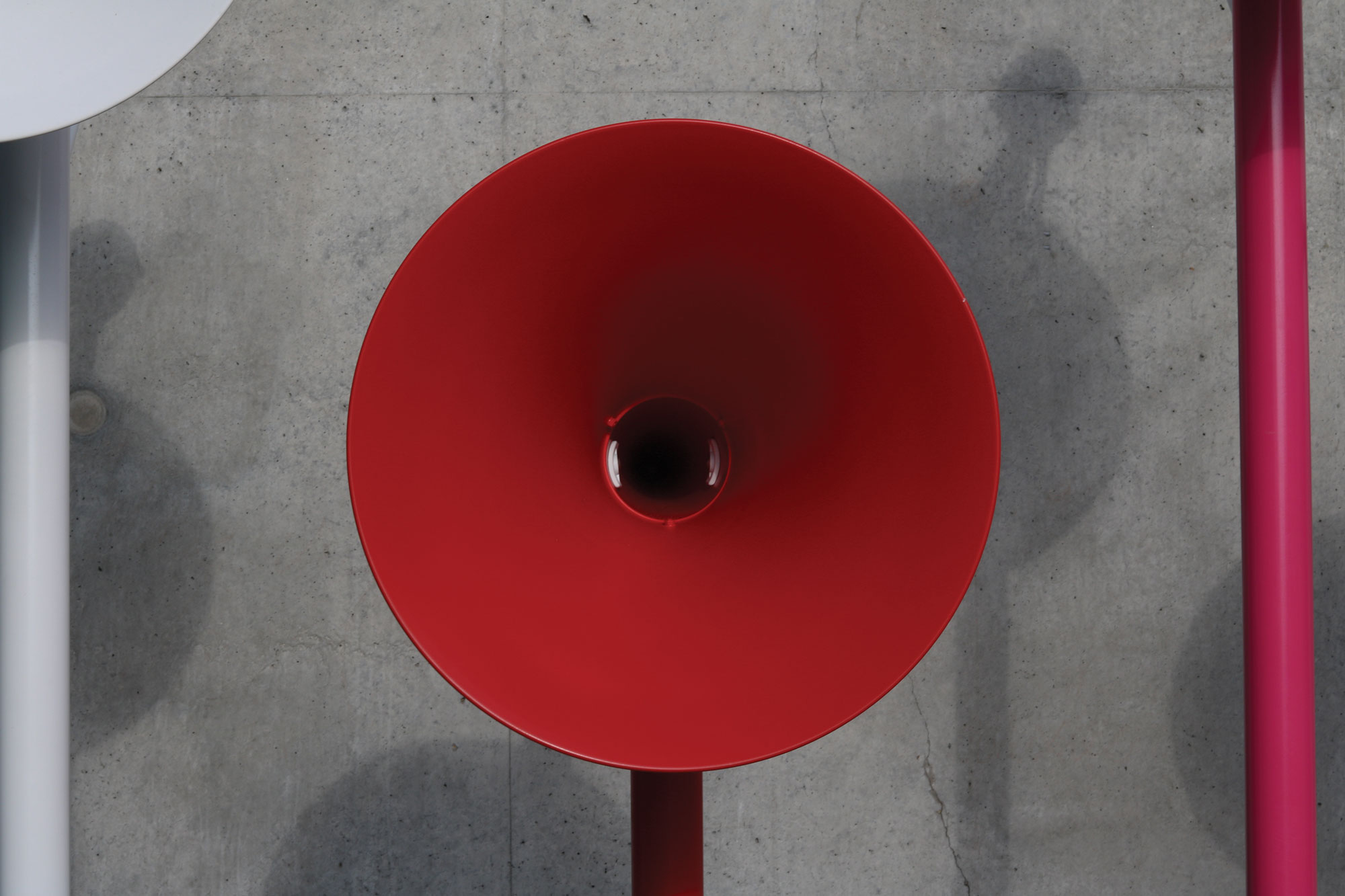
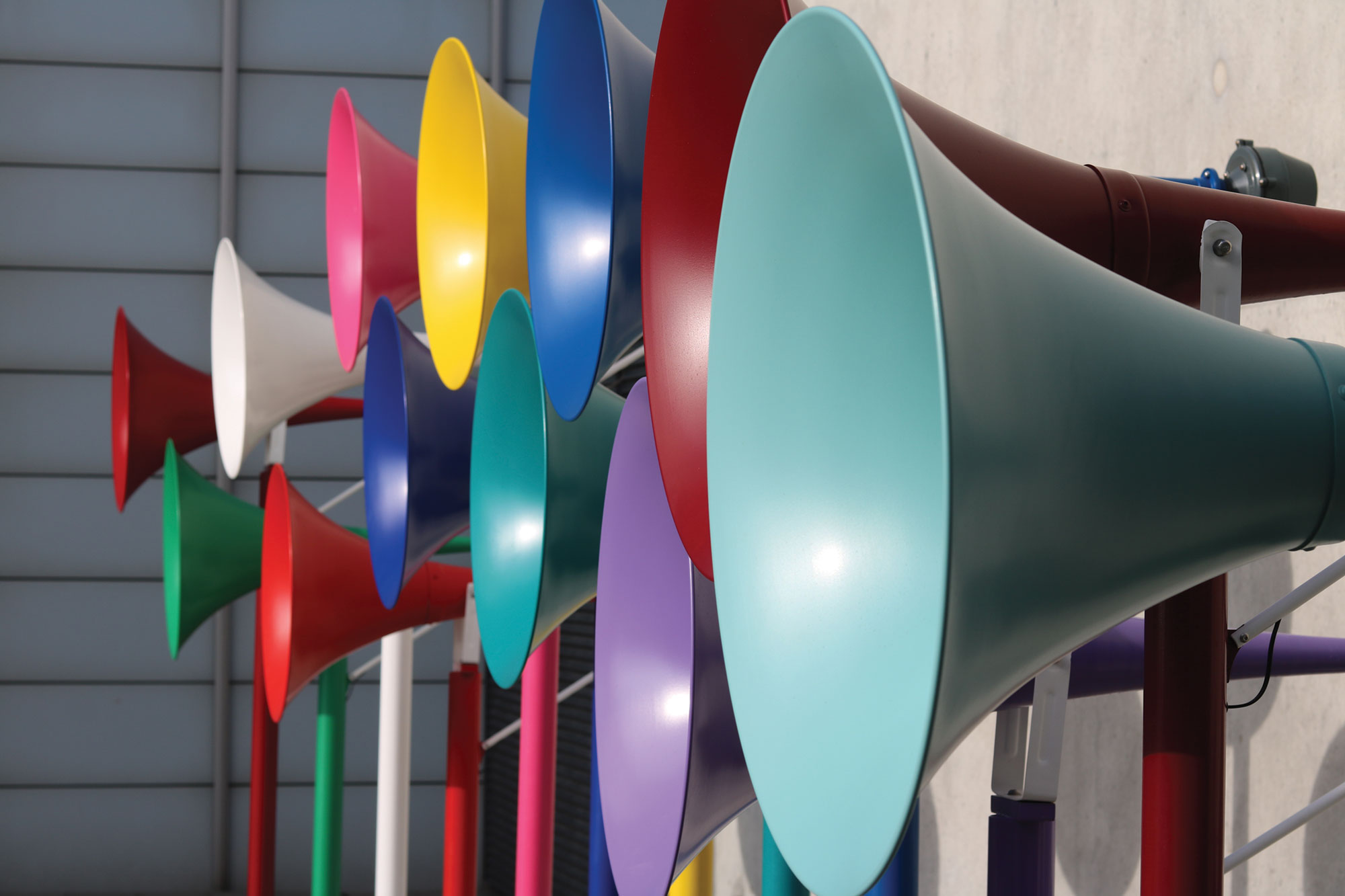
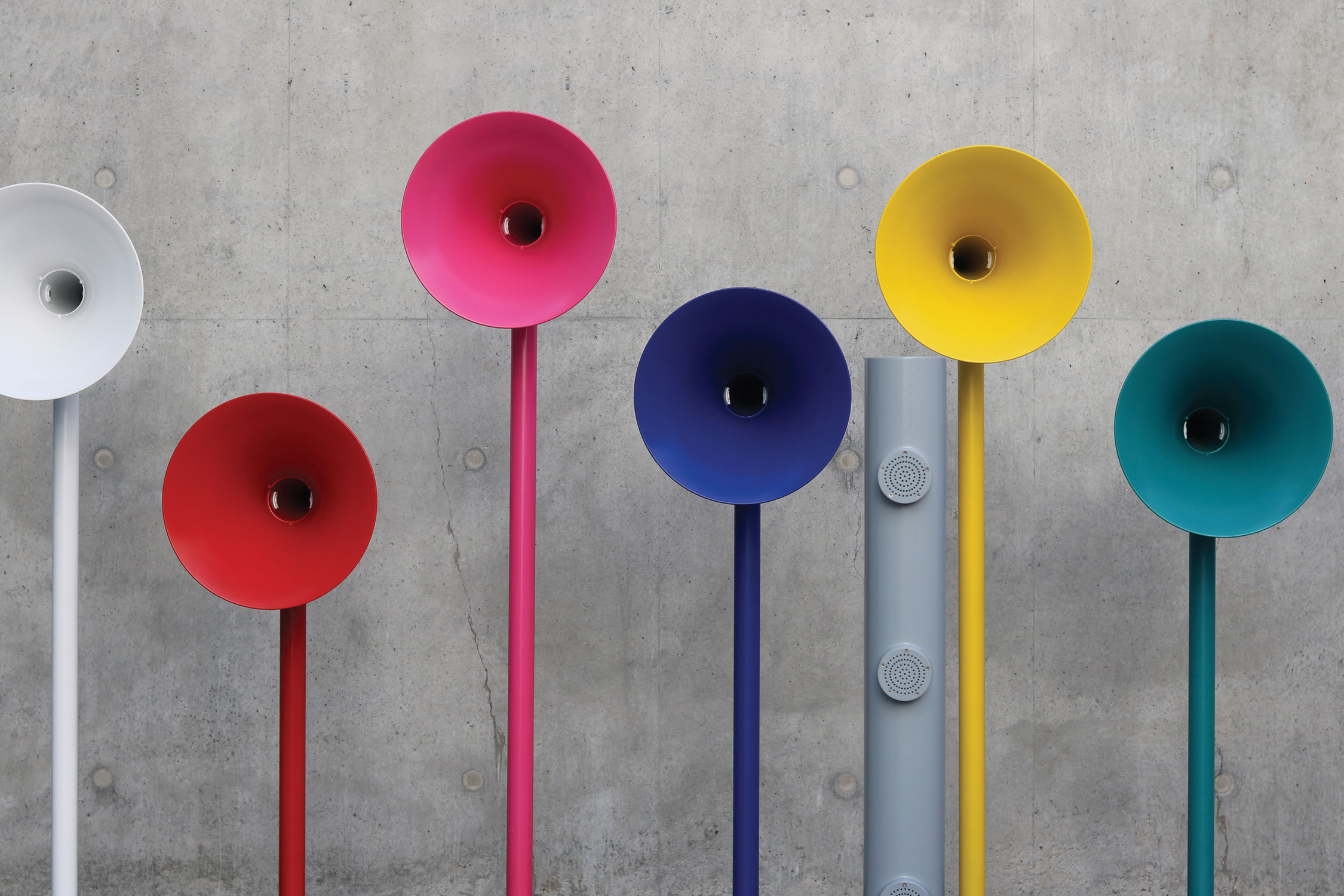
His piece, The Welcome Chorus, is an amalgamation of sound, sculpture, and AI. Created for the Margate NOW festival in 2019 and commissioned by Turner Contemporary, this interactive installation features 12 horns, each symbolizing a distinct district of Kent, England.
These horns don’t just stand silent; they sing. Lyrics, generated in real-time by a specialized AI software tailored for the site, flow from them. The words are shaped by contributions from Kent residents, who shared their experiences to enrich the AI’s lyrical database. In a nod to history, the sculpture’s design hints at the etymology of Kent, believed to stem from kanto, signifying a horn or hook.
Anna Ridler
Anna Ridler is an artist and researcher who uses her art to explore knowledge systems and the creation of technologies in order to decipher our world. She harbors a keen interest in the nuances of the natural realm. Central to her approach is the use of information collections, especially datasets, to weave unique narratives.
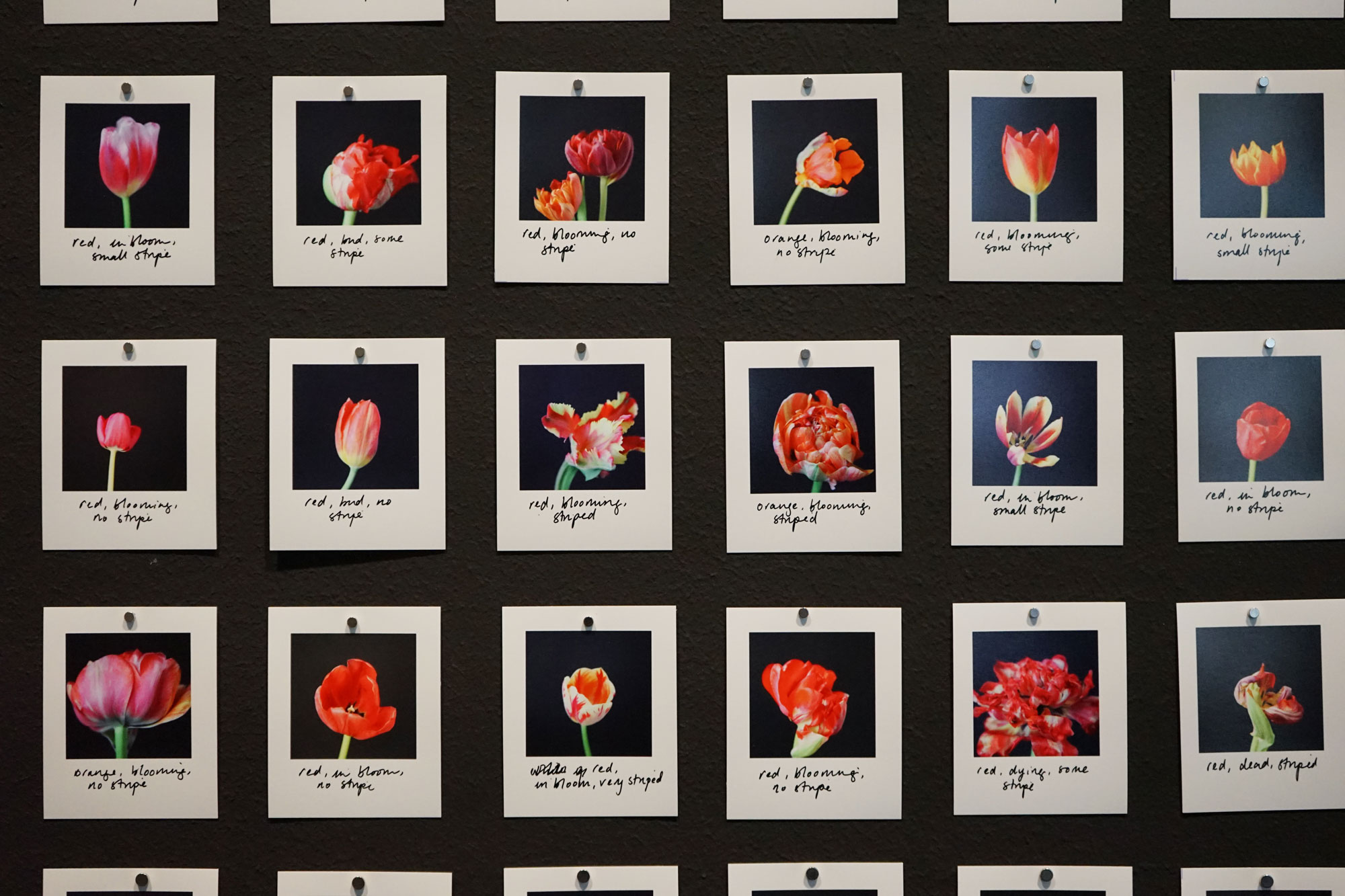
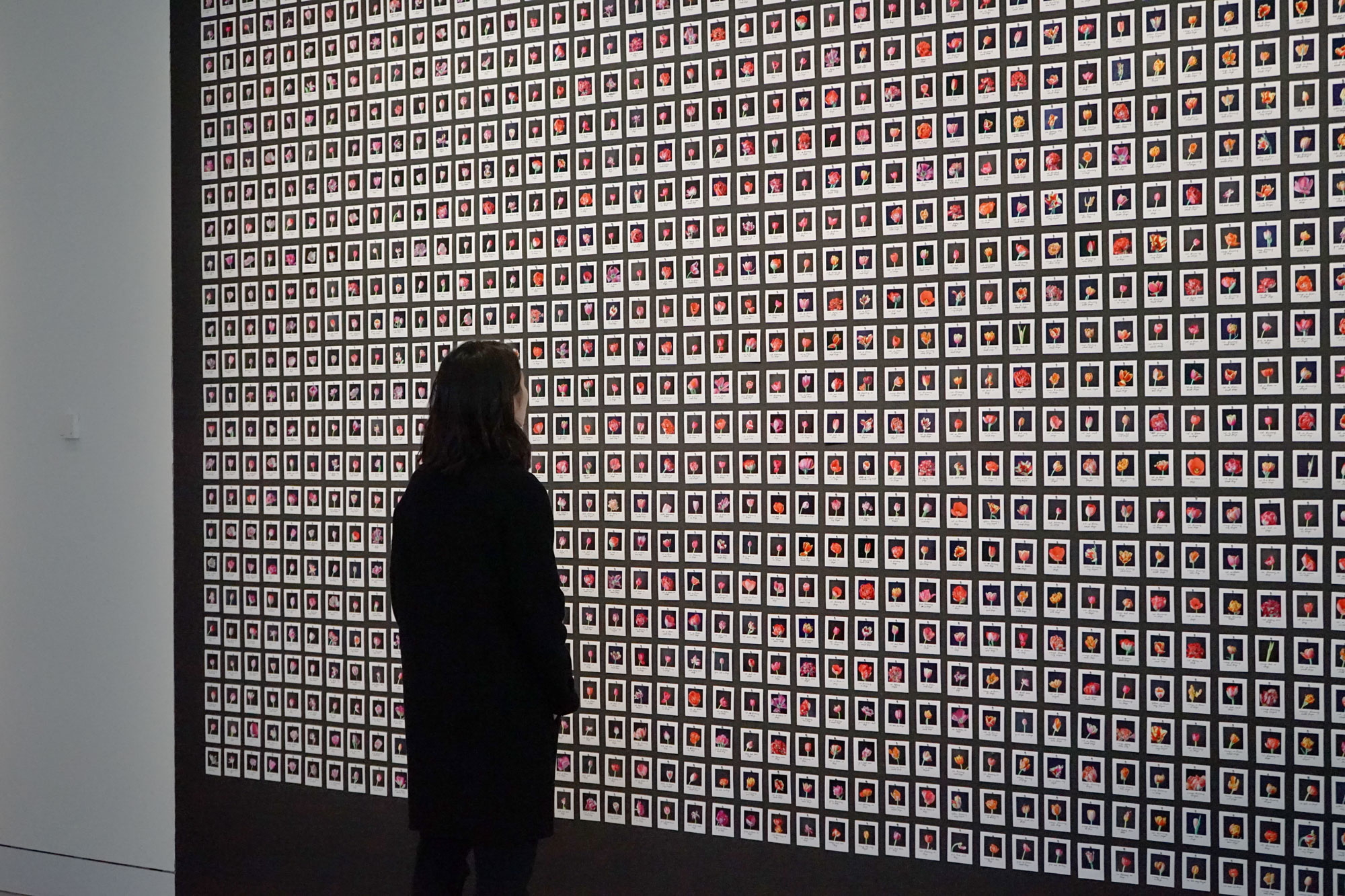
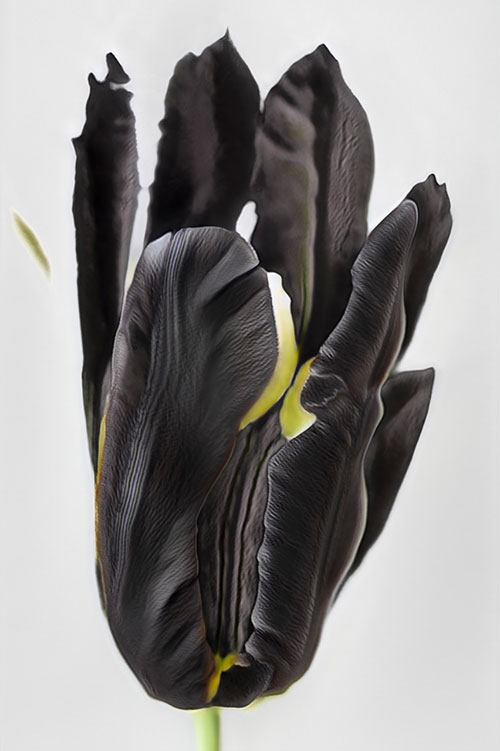
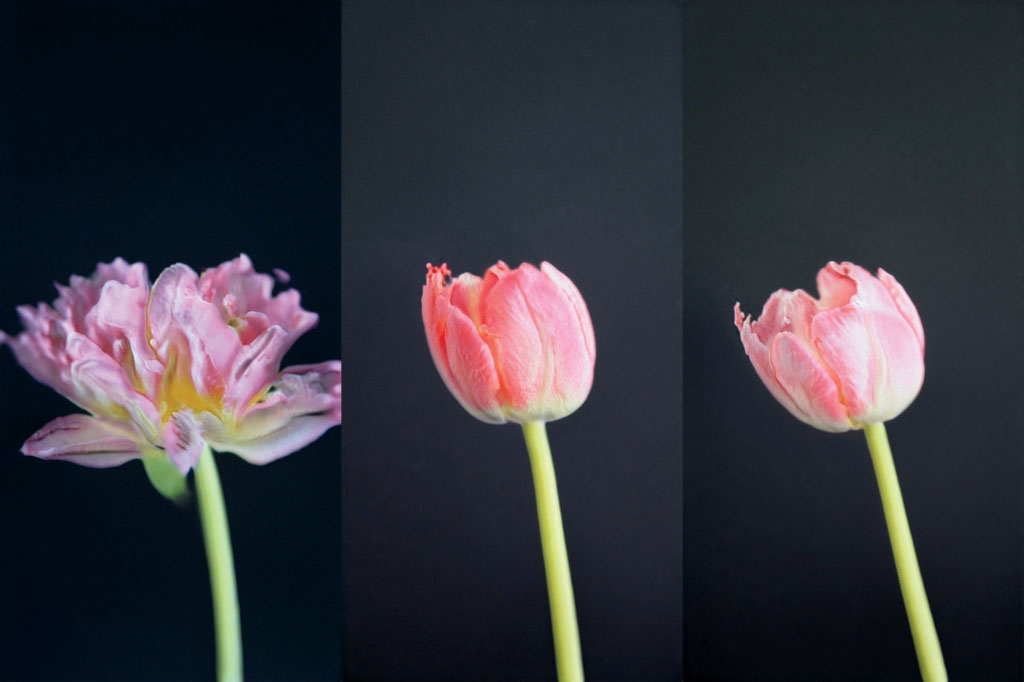
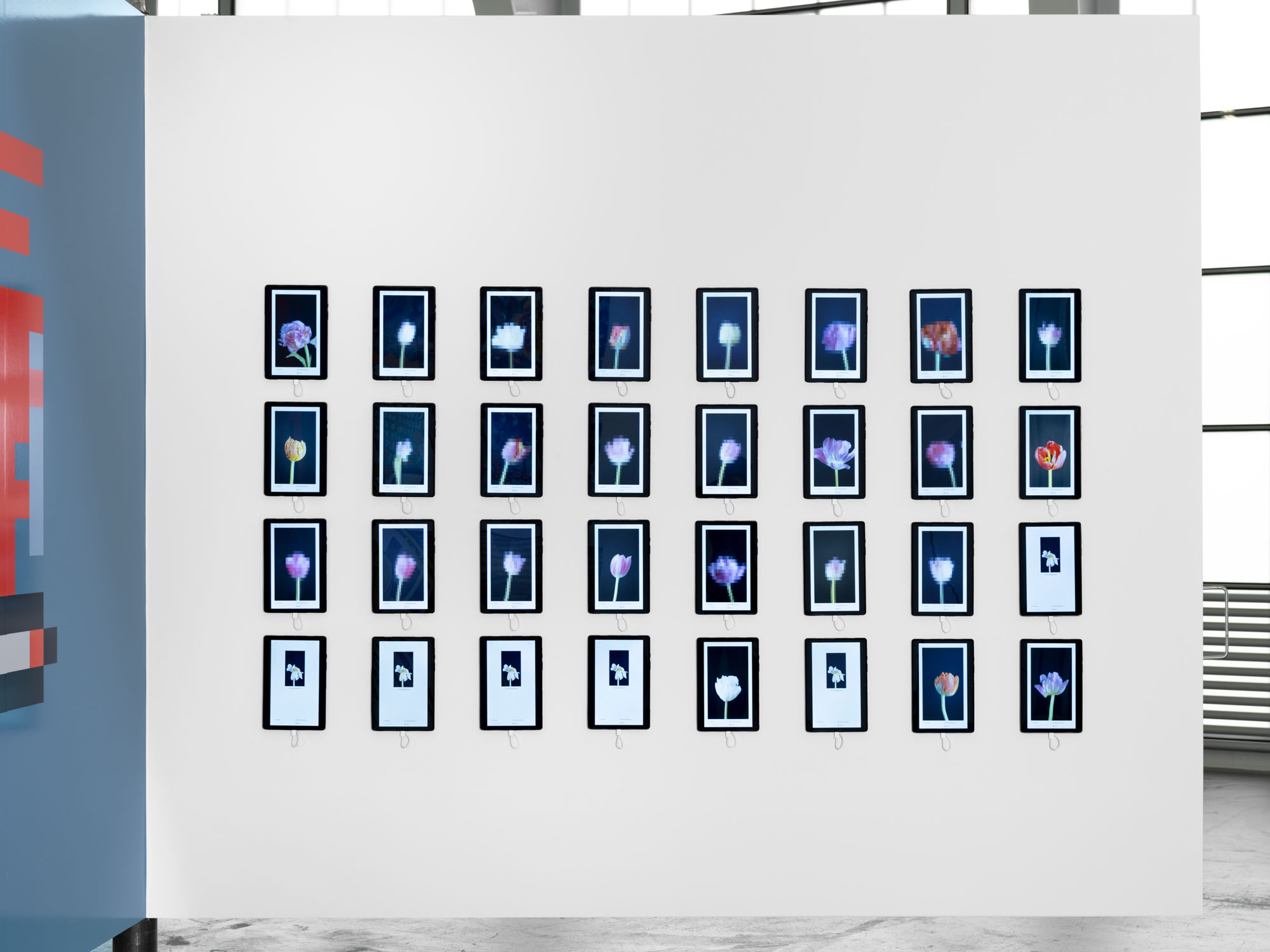
Her works, Mosaic Virus (2018) and Mosaic Virus (2019), intertwine themes of capitalism, value, and historical collapses. The 2018 piece showcases a dynamic grid of blossoming tulips, while its 2019 counterpart features a three-screen installation, each highlighting a single tulip. The evolution of these tulips is steered by Bitcoin prices, reflecting market volatility. This design choice draws a parallel between the 17th-century Tulipmania—a period when tulip-bulb prices skyrocketed, at one point equating to the cost of an Amsterdam townhouse, only to plummet to the value of an onion. Often cited as one of the earliest speculative bubbles, Tulipmania’s trajectory mirrors the unpredictable nature of cryptocurrencies. For Ridler, the link between these two phenomena transcends mere economic fluctuations; it burrows deeper into the essence of their shared volatility.
Refik Anadol
Refik Anadol, born in 1985 in Istanbul, is an internationally renowned media artist, director, and pioneer in the aesthetics of data and machine intelligence. Anadol’s site-specific data paintings and sculptures, live audiovisual performances, and immersive installations take many forms, but all encourage us to rethink our engagement with the physical world, as well as our collective experiences, public art, decentralized networks, and the creative potential of AI.
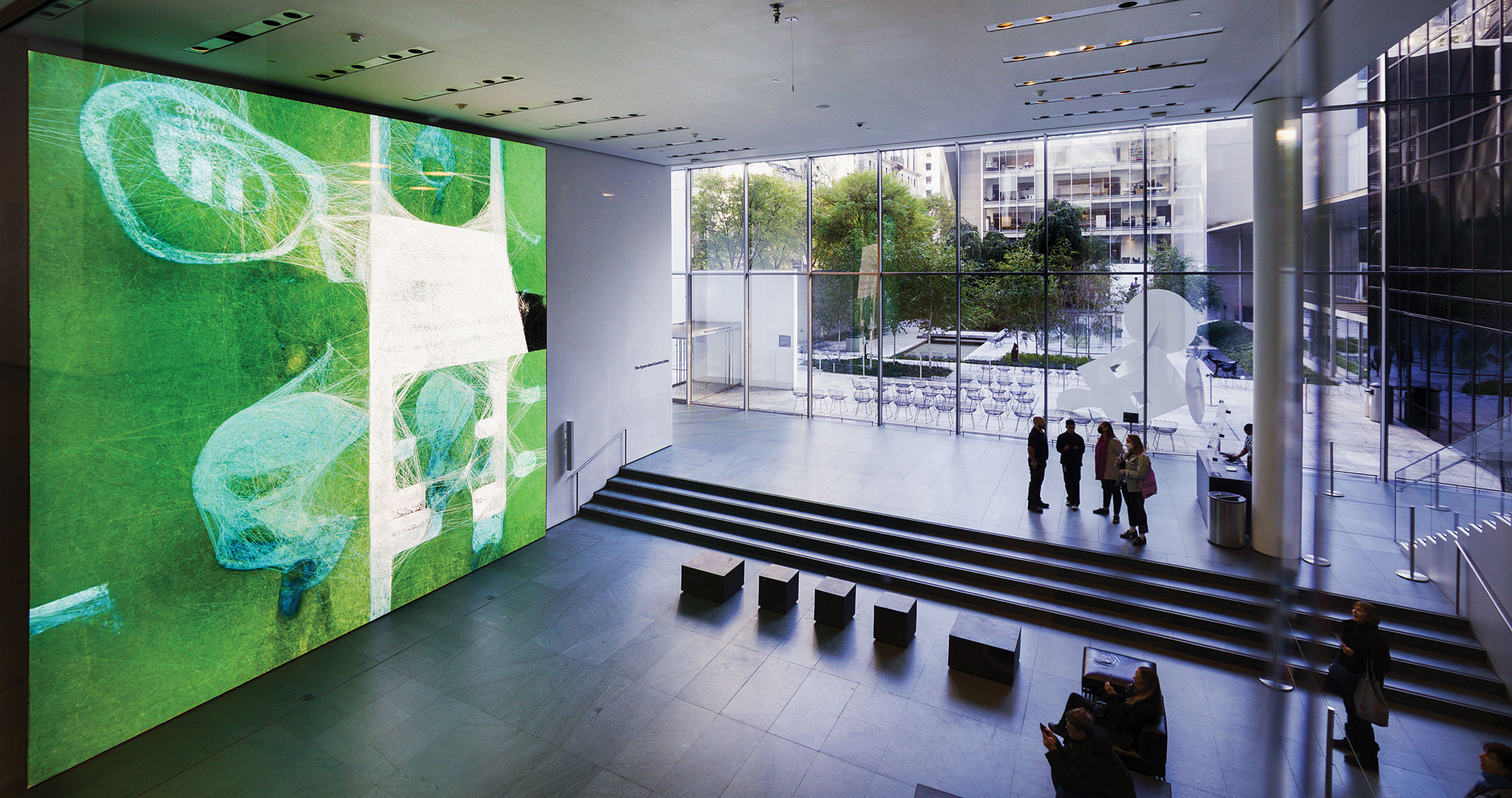
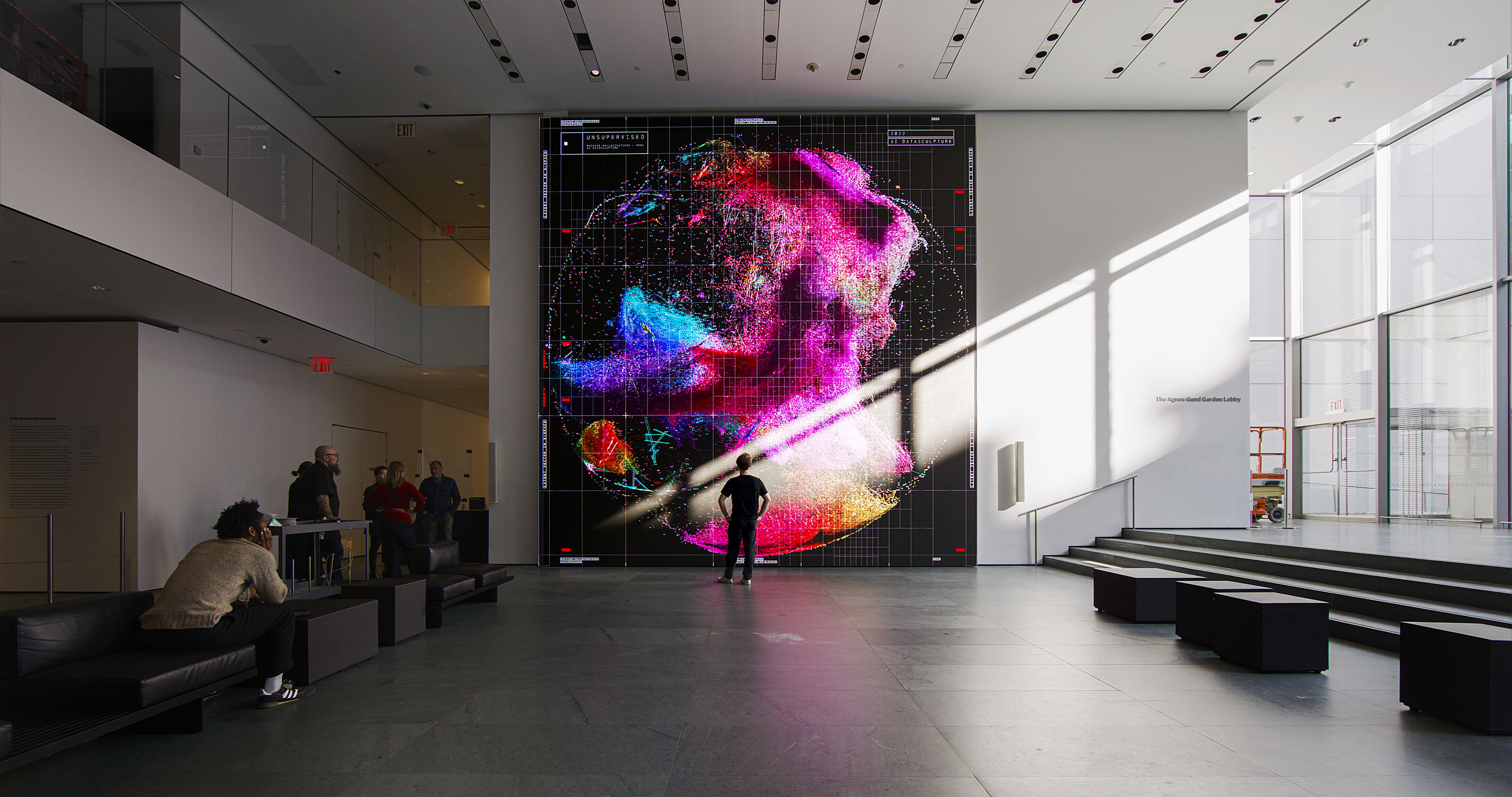
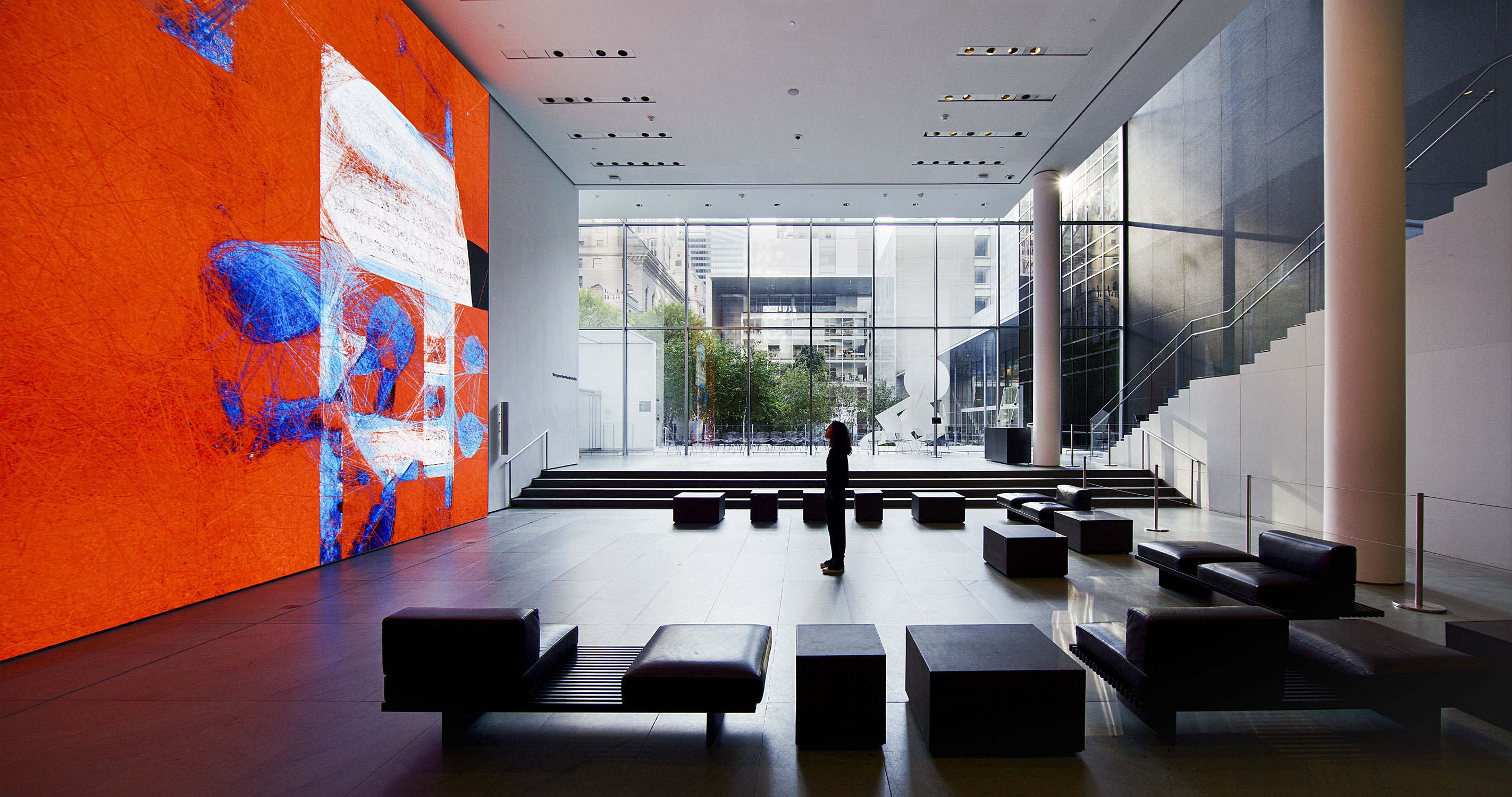
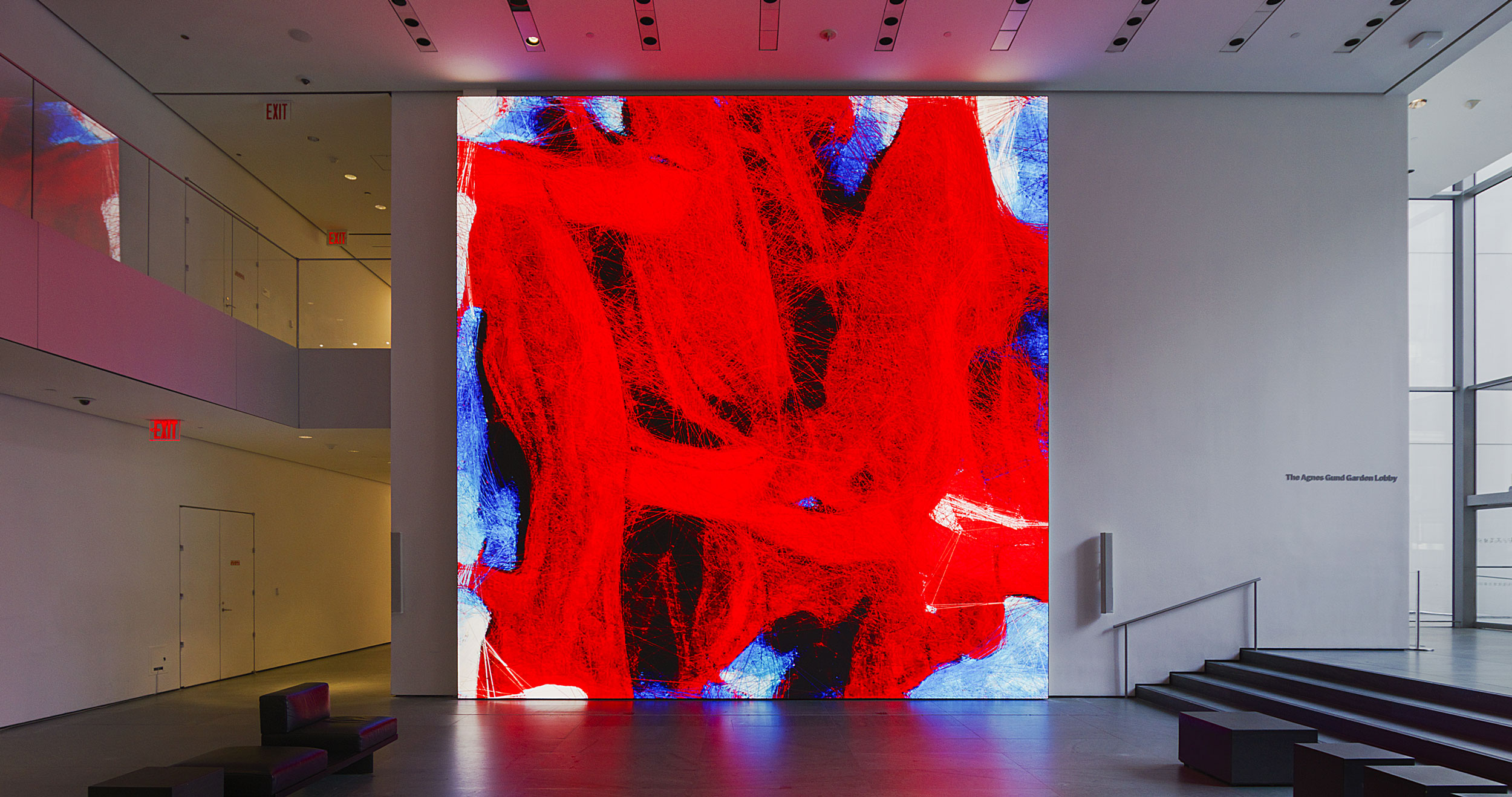
For Unsupervised at the Museum of Modern Art in New York City, Anadol used AI to interpret and transform more than 200 years of art at MoMA to answer this question: What would a machine dream about after seeing the MoMA collection? As the model “walks” through its conception of this vast range of works, it reimagines the history of modern art and dreams about what might have been—and what might be to come. While AI is often used to classify, process, and generate realistic representations of the world, Unsupervised explores fantasy, hallucination, and irrationality, creating an alternate understanding of art-making itself. The artwork was displayed on a large-scale media wall in MoMA’s ground-floor Gund Lobby between November 19, 2022, and October 29, 2023, and was recently added to the museum’s permanent collection.
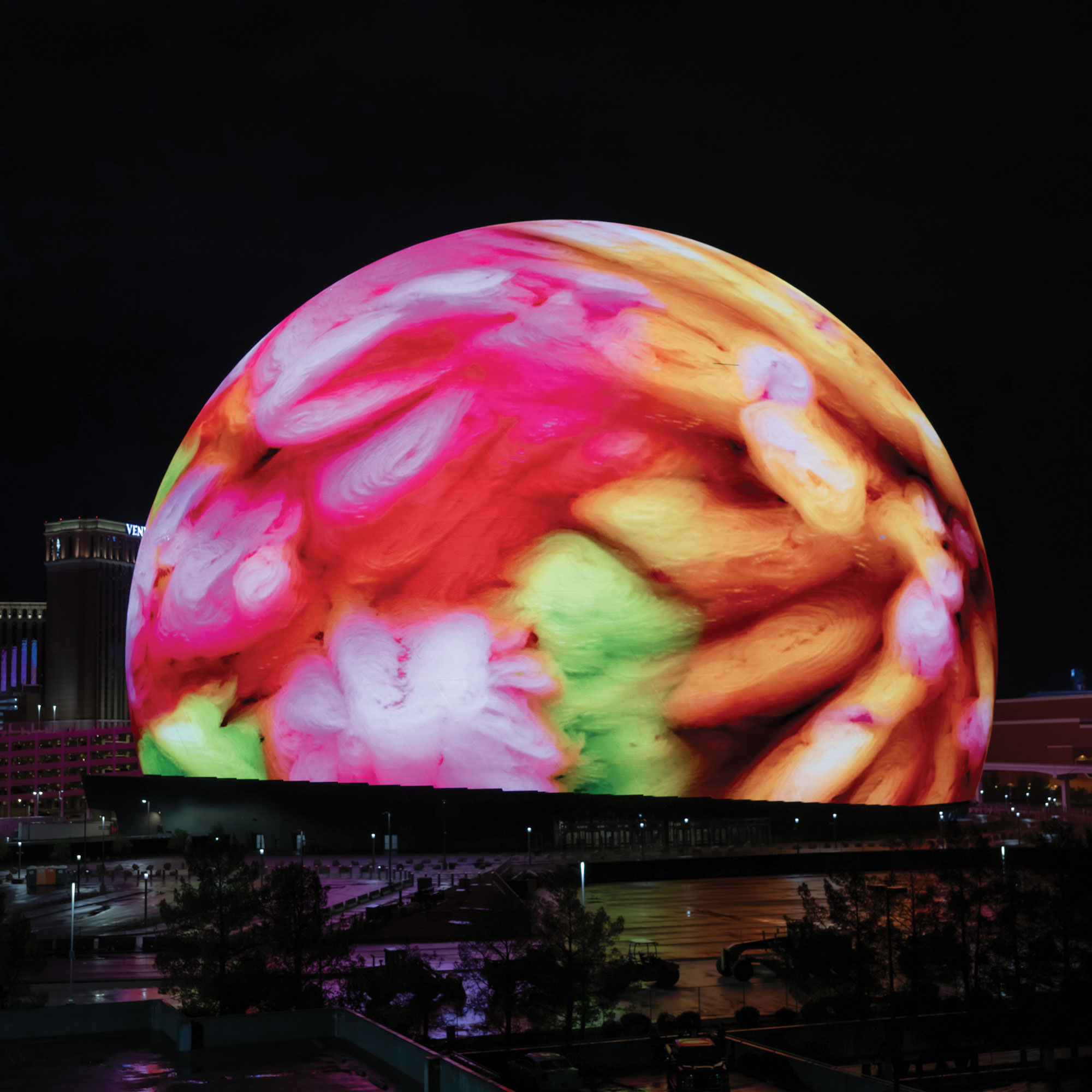
Anadol was also the first artist to use the fully programmable LED exterior of the Las Vegas Sphere, a new performing arts venue, by featuring dynamic visualizations of data to create abstract images of space and nature. The two-chapter series creates a collective, meditative, multisensory experience that takes audiences on a journey of light, movement, and color with vivid pigments, shapes, and patterns.